Located in the Eastern Anatolia Region of our country, Muş is a very historic city. The Urartians were the first to establish civilization in the history of Muş back in the 2000s BC. Later, Assyrians, Scythians, Medes, Persians, and Macedonians acquired Muş. The city, which was pursued by the Romans for a period of time, later became one of the Turkish cities along with Malazgirt. Erzurum is to the north of the city, while Ağrı is to the east, Bitlis and Siirt are to the south, and Bingöl is to the west.
Climate and Local Cuisine
Muş has a continental climate because it is located in the Eastern Anatolia Region. In the city where the altitude is high, the temperatures in winter can sometimes fall down to -40 degrees. The city is under snow for 6 months of the year and has cool weather (around 25 degrees) in spring and summer. The city is suitable for winter tourism and has a relaxing atmosphere in spring and summer.
Muş Cuisine is full of authentic dishes consisting of meat and pastries. Especially Muş meatballs stand out as one of the most famous tastes. Tomato cabbage stuffed, herse, and hez dolma, mırtöge, cavbelek, jağ yemeği, ayran aşı are different tastes you can try. Keşkek and stuffed ribs are highly recommended. Muş böreği is also very famous.

Keskek, a traditional food made with wheat, meat and fried butter sauce.
Places to Visit
- Arak Monastery: The monastery in the Mt. Karaçavuş region has been used as a wine–producing center in the past
- Muş Fortress: Built for protection from the Mongol invasion, the fortress carries the traces of many different civilizations. Today, the fortifications and walls of the fortress have a striking natural appearance.
- Murat Bridge: Located 10 kilometers from Muş city center, Murat Bridge is Seljuk architecture. The 143–meter bridge draws the attention of photographers, especially with its arches.
- Varto Kayalıdere Ruins: The ancient city, which is 40 kilometers from the city center, belongs to the 8th century BC.
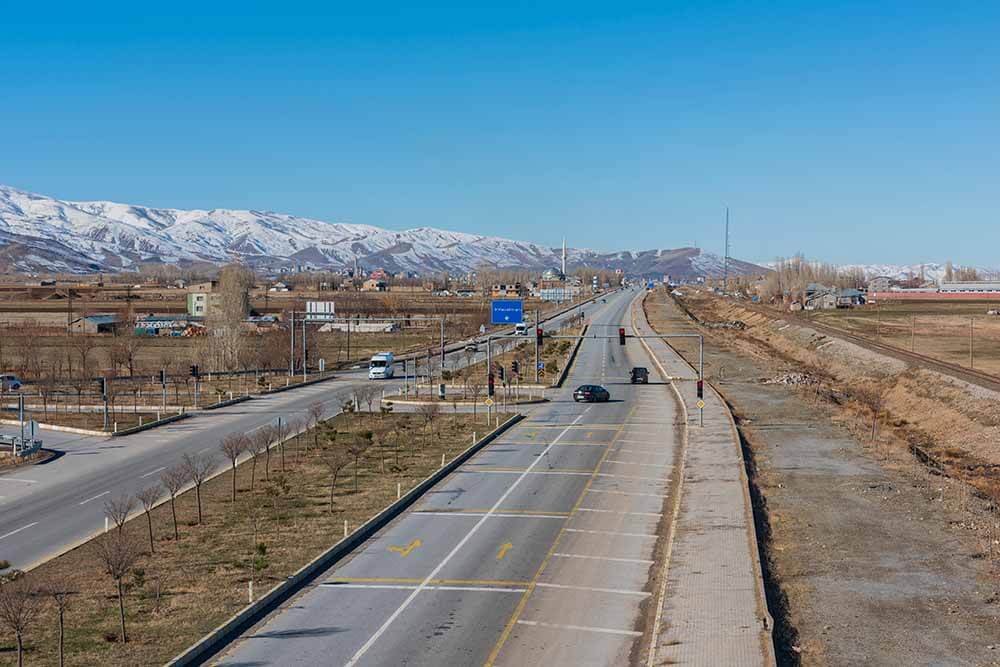
Road between Muş and Bitlis.
- Akdoğan Lake: Akdoğan Lake in Varto can be used as a promenade area.
- Historical Muş Houses: Muş houses were constructed with wood in adobe format and are an example of Turkish civil architecture. They stand out with their thick walls and natural texture.
- Grand Mosque of Muş (Ulu Cami): Built in 979, Ulu Cami exhibits characteristics of the east.
- Yıldızlı Inn: The Inn in the city center was built in 1300. Together with the architectural features of the Seljuk period, it is one of the most important houses on the Silk Road route.
- Malazgirt Fortress: The fortress in the Malazgirt district dates back to the period of Urartu.
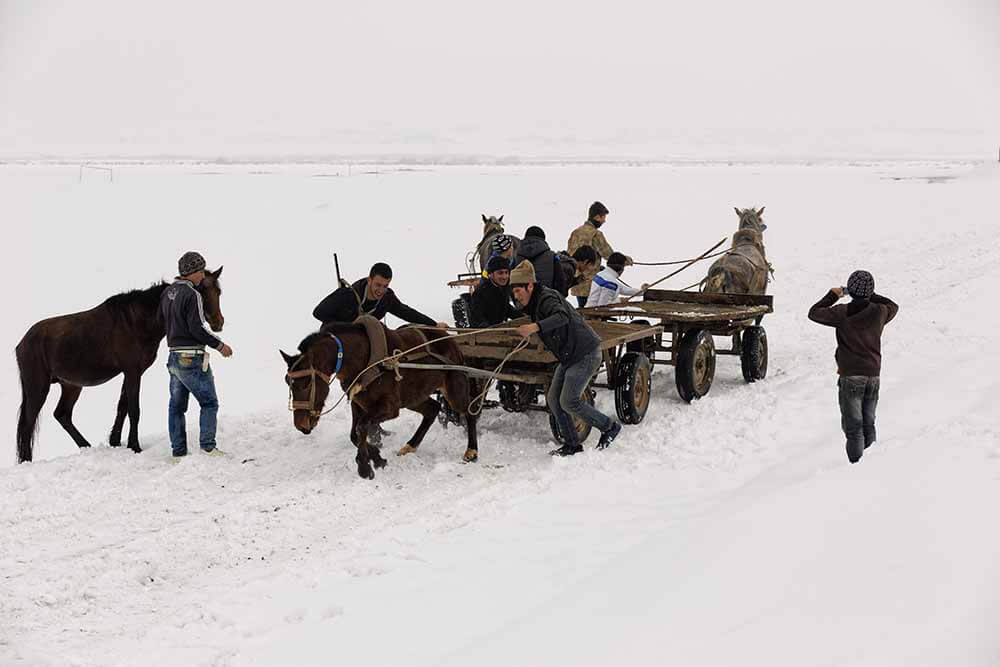
Unidentified young men ride horses and carts on the snowy fields of Guroymak province.
Festivals
The Malazgirt Victory celebrations, which have been a tradition for nearly 80 years, are held every year on August 25–26. In addition, the Lale festival held in the Muş Plain takes place in May every year.
How to Get There
You can reach Muş by airway, road, and rail. You can take the Lake Van Express via the Ankara – Tatvan line for transportation via train. If you prefer air, you can fly into the Muş Airport. You can reach the city in 1 hour and 40 minutes from Ankara. When you prefer the highway, you can reach the city from Erzurum and Diyarbakır.