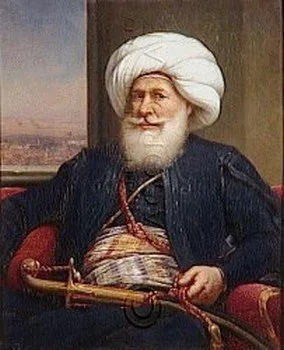
On the shores of Calabria, a boy gazed out at the sea under the crimson light of dawn. On the horizon, the sails of Mediterranean ships hinted at a future that would take him far beyond his small town. At only eleven years old, he was meant to be sent to a seminary in Naples. But fate had other plans: along the way, he was captured by Muslim pirates, setting him on a life-changing adventure. This boy would grow to become one of the Ottoman navy’s most formidable commanders, remembered in history as Kılıç Ali Paşa.
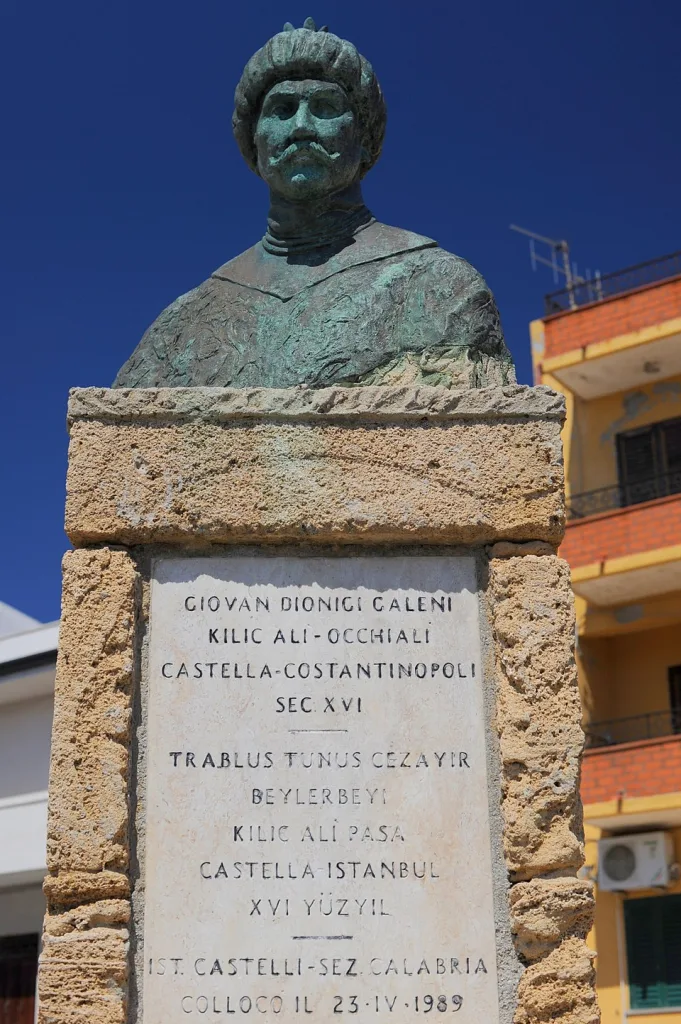
The bust of Kılıç Ali Pasha in the Italian village of Le Castella.
A Young Sailor under Barbaros’ Shadow
It is said that Barbaros Hayreddin Pasha noticed the young Uluç Ali and, impressed by his intelligence, took him under his wing. While this story is not fully verified in historical sources, it is certain that Uluç Ali was trained within the Ottoman naval circles centered in Algiers. His exceptional maritime skill enabled him to rise quickly through the ranks.
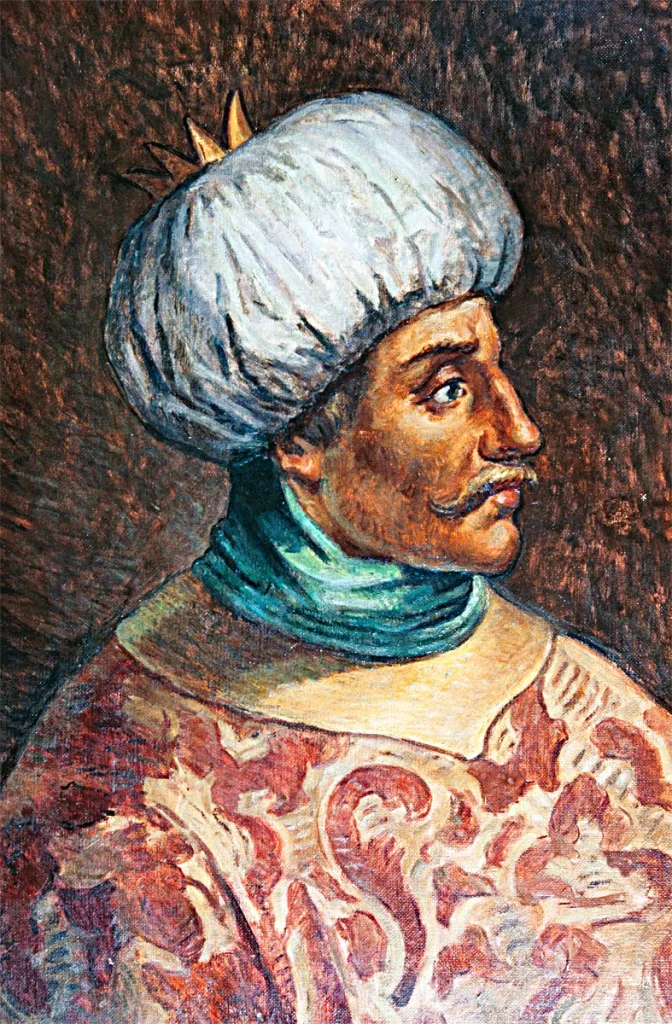
Oil painting depicting Kılıç Ali Pasha.
(Istanbul Maritime Museum)
Lepanto: The Cost of Victory
The Battle of Lepanto in 1571 was a severe defeat for the Ottoman fleet. Uluç Ali commanded the right wing, managing to save much of the fleet and retreat in an organized manner. This tactical success paved the way for his eventual promotion to Kapudan Pasha. It is said that he took the responsibility of rebuilding and reorganizing the navy very seriously.
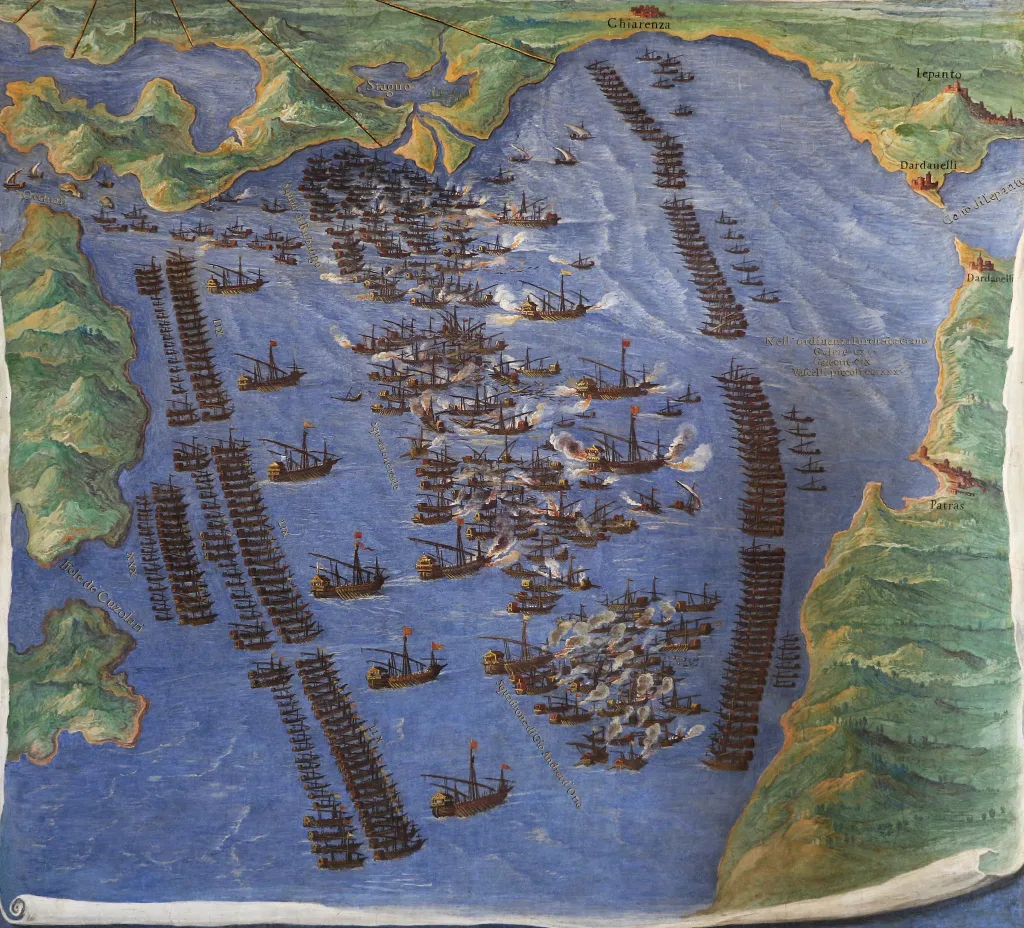
Battle of Lepanto painting by Ignazio Danti (Vatican Museums)
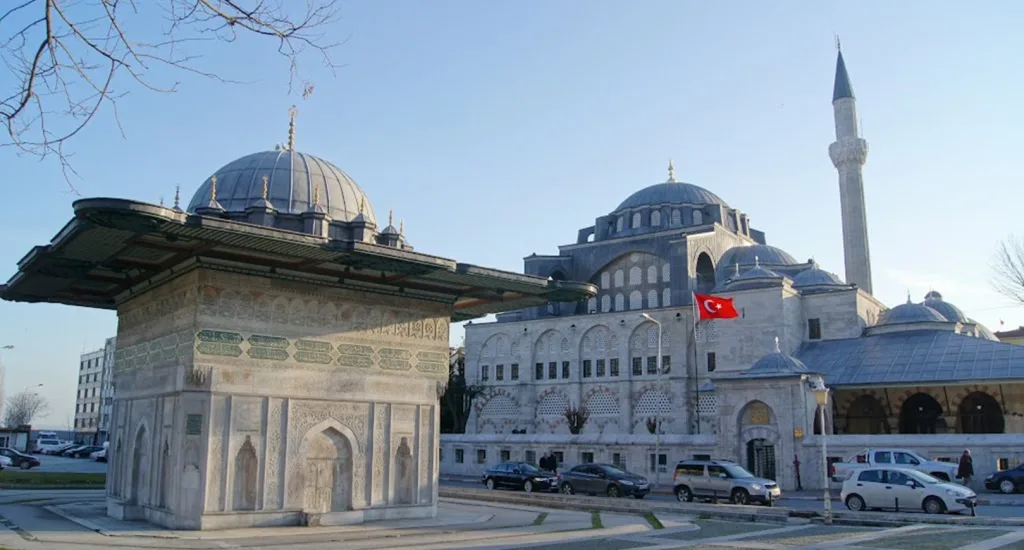
A Lasting Legacy in Istanbul: The Kılıç Ali Pasha Mosque
After becoming “Kapudan Pasha“, he commissioned a “külliye” in Istanbul, leaving a tangible mark on Ottoman history. The Kılıç Ali Paşa Camii in Tophane showcases the mastery of the chief Ottoman architect Mimar Sinan. It is said that, having once been a captive himself, Uluç Ali ensured that prisoners involved in the construction were treated well.
Private Life: Legends and Facts
Stories about Kılıç Ali Pasha’s private life appear mostly in popular history sources and in columns by Murat Bardakçı. It is said that he maintained his interest in women even in later years, disregarding doctors’ advice to moderate his lifestyle. These accounts should be understood in the context of Ottoman elite men’s harem and concubine culture. Academic sources focus primarily on his naval achievements and Ottoman control in North Africa, treating anecdotes about his private life as colorful additions rather than verified history.
Cervantes and the Lepanto Legend
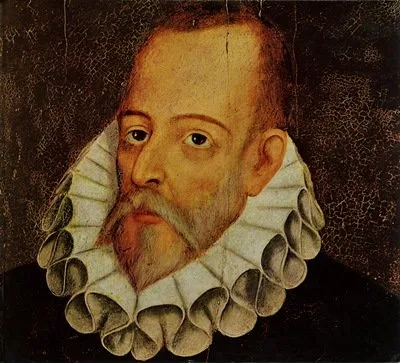
Popular stories often claim that Miguel de Cervantes, captured after Lepanto and held in Algiers, worked on the construction of Kılıç Ali Pasha Mosque. Historical evidence shows, however, that Cervantes’ captivity occurred entirely in Algiers; there is no reliable proof that he was brought to Istanbul or worked on the mosque.
A Symbol of Identity Transformation
Kılıç Ali Pasha’s life demonstrates the fluidity of identity in the 16th-century Mediterranean. A Christian boy from Italy rose to the highest ranks of the Ottoman navy, securing a place in history. His ascent reflects not only military success but also the meritocratic nature of the Ottoman naval system.
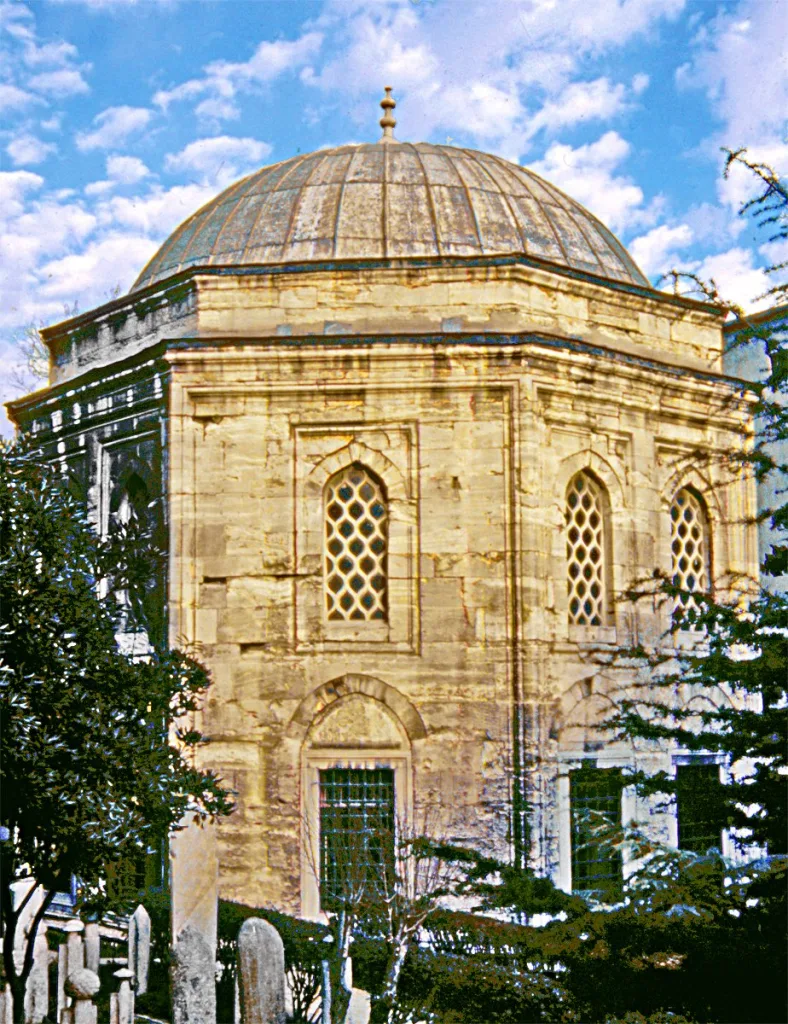
The tomb of Kılıç Ali Pasha in Tophane – Istanbul