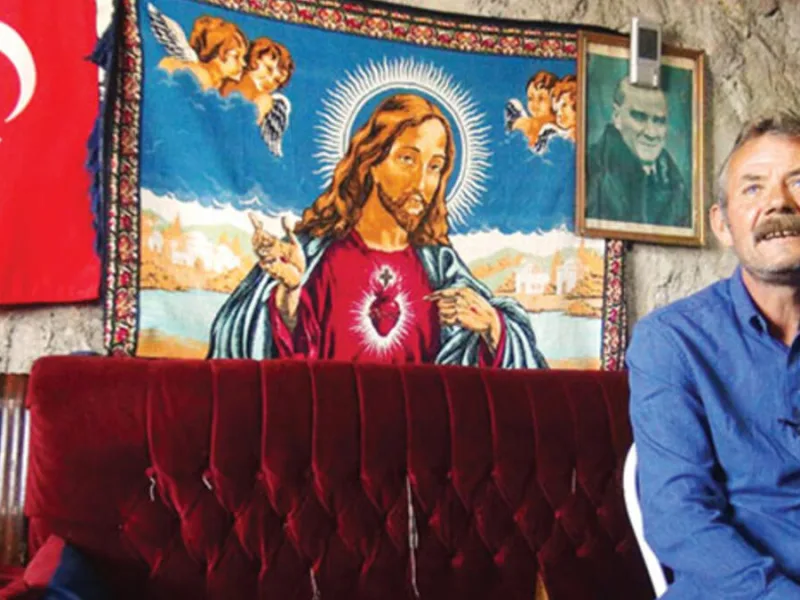
When one thinks of the high plateaus of Eastern Anatolia, the image of a Baltic village rarely comes to mind. However, the city of Kars holds a hidden chapter of history: a 19th-century migration of Estonians who transformed the region’s landscape, architecture, and world-famous dairy industry.
The 93 War and the Great Migration (1877-1886)
The story begins with the Russo-Turkish War (1877-1878), known in Turkey as the 93 Harbi. Following the Ottoman defeat, Kars fell under Russian rule for 40 years. To solidify their presence and modernize the borderlands, the Russian Tsardom encouraged Christian minorities from the Baltic states to settle in the Caucasus.
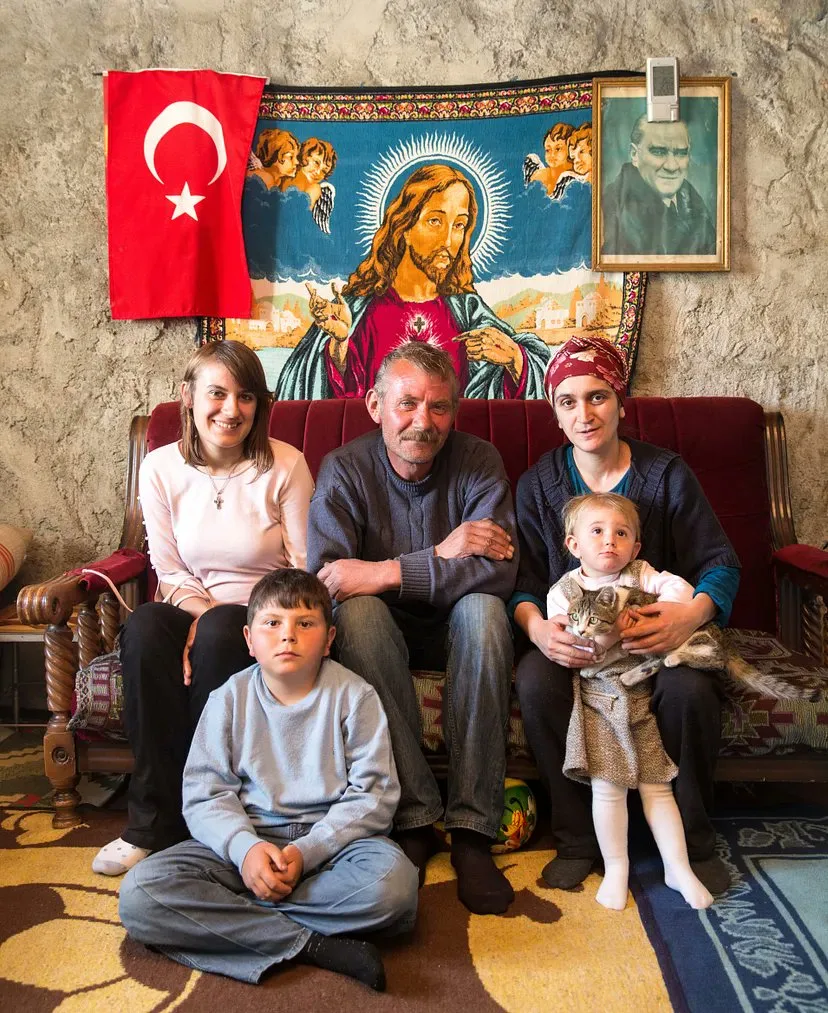
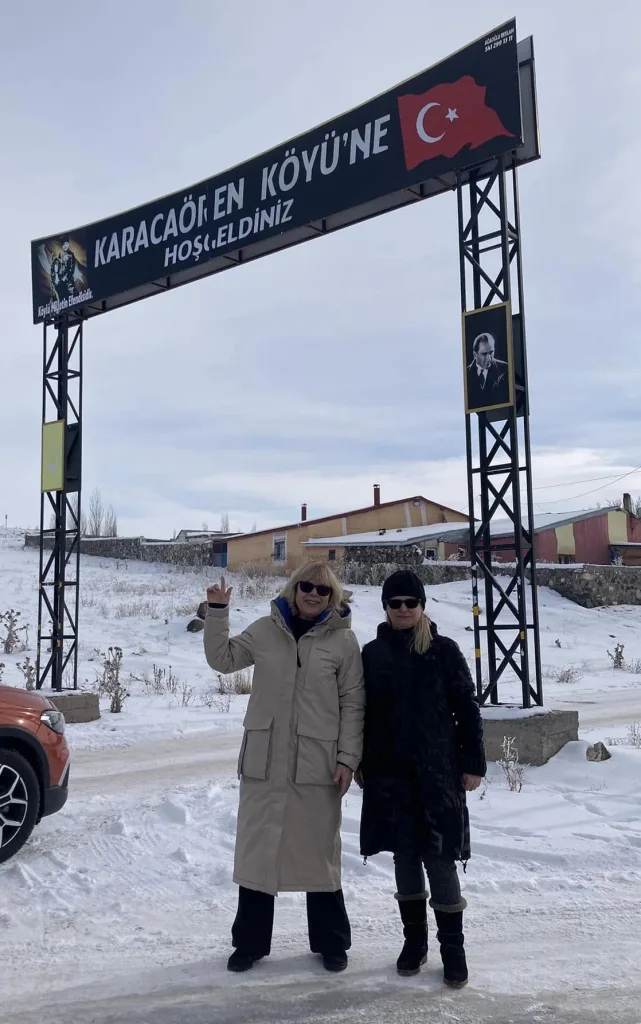
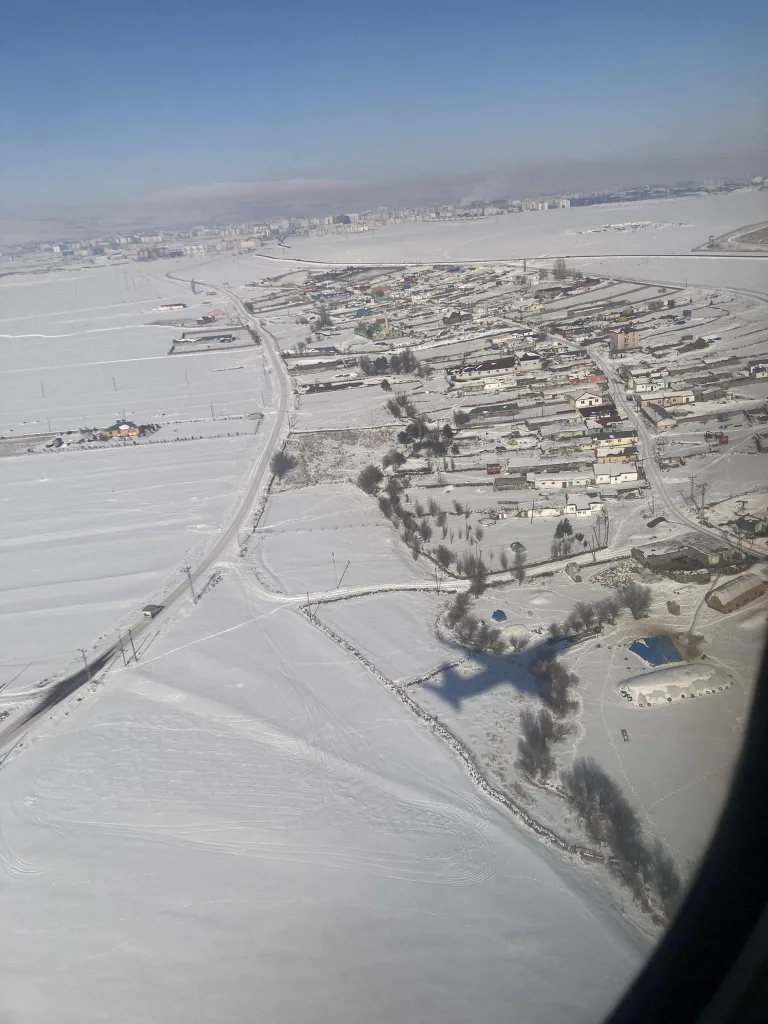
In May 1886, approximately 60 Estonian families (about 300 people) embarked on an arduous journey, eventually reaching the outskirts of Kars. They founded a settlement they named Novo-Estonskoye (New Estonia), known today as the village of Karacaören.
The “Kars German” Mystery: Why were Estonians called Germans?
One of the most common points of confusion for travelers and historians is why the Estonian community in Karacaören is frequently referred to as “The Kars Germans”. There are three primary reasons for this cultural label:
- The Baltic German Influence: At the time of their migration, Estonia was part of the Russian Empire, but its social, educational, and religious structures were heavily influenced by the Baltic German elite. Many of the migrating families were either ethnic Germans living in Estonia or Estonians who were culturally and linguistically Germanized.
- Religion and Identity: In the rural Ottoman and early Republican eras, ethnic identity was often tied to religion. Because this group practiced Lutheranism -a branch of Protestantism strongly associated with Germany- local Kars residents categorized them as “Germans” to distinguish them from the Orthodox Russians or Armenians.
- The Great Exodus: During the 1930s and 40s, as the Soviet Union annexed the Baltic states, many of these families chose to migrate to Germany rather than return to Estonia. This final destination solidified their “German” identity in the eyes of the local Kars population.
Architectural Revolution: The Baltic Blueprint
Unlike the organic, often clustered layout of traditional Anatolian villages, the Estonians built Karacaören with European precision:
- The Grid Plan: Houses were built in a “fishbone” or grid layout along a wide main avenue.
- Basalt Craftsmanship: Utilizing local black basalt stone, they constructed high-ceilinged homes with large windows and integrated “peç” (Russian-style stoves) to combat the harsh Kars winters.
- Social Spaces: The village featured a Lutheran church and a school, serving as a cultural hub for the Baltic community.
The Architects of Kars Gruyère
Perhaps the most lasting legacy of the Estonian and German settlers in Kars is the Cheese Revolution. Before their arrival, dairy production was mostly for local subsistence.
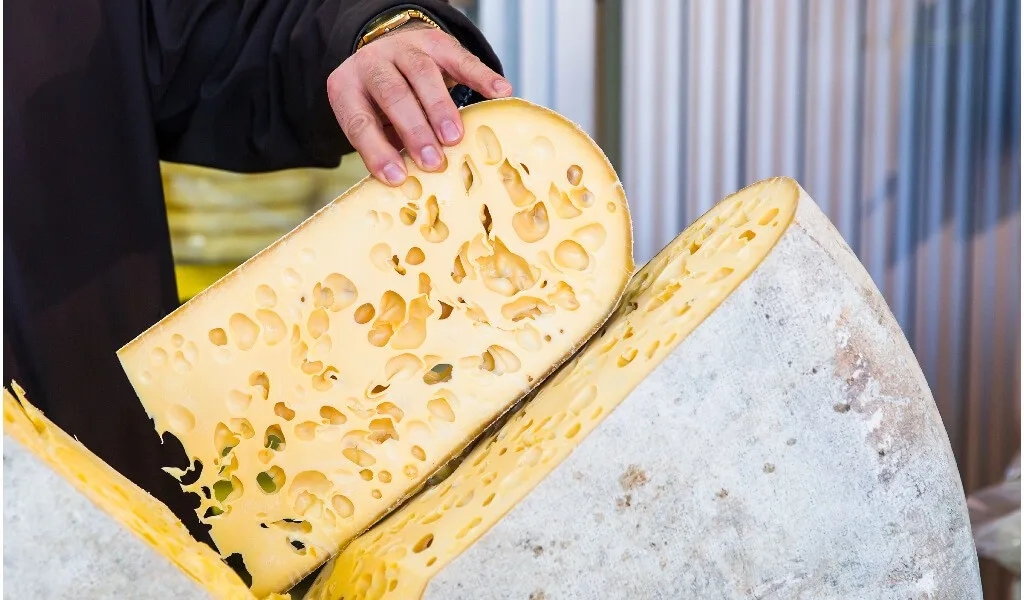
The Estonians introduced modern Swiss-style dairy farming to the region. Recognizing that the high-altitude meadows of Kars were identical to the Alpine pastures, they established the first commercial “zavots” (dairy factories). This gave birth to the legendary Kars Gruyère (Gravyer) and high-quality Kaşar cheese, which remain the city’s primary exports today.
The Twilight of the Estonian Presence
As Kars returned to Turkish sovereignty in 1920, the Estonian community initially stayed, integrating peacefully and learning Turkish while maintaining their Lutheran faith. However, the mid-20th century brought geopolitical shifts:
- WWII and Repatriation: Many families moved to Germany or Estonia due to the “Heim ins Reich” policy or seeking better economic opportunities.
- Internal Migration: Others moved to Turkish cities like Bursa and Istanbul, blending into the urban fabric.
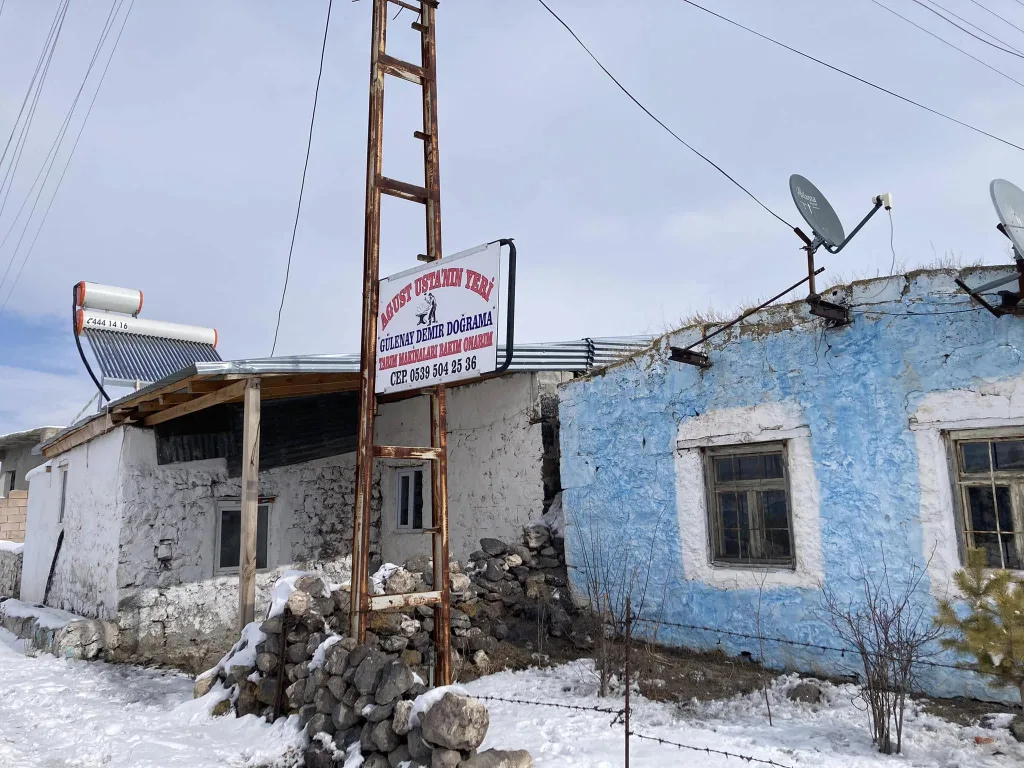
By the early 21st century, only a few individuals remained. The most famous was Avgust Albuk, remembered as the “Last Estonian of Kars,” who passed away leaving behind a village that still bears the unmistakable marks of his ancestors.
Why Visit Karacaören Today?
Today, Karacaören is a living museum. While the original families are mostly gone, their stone houses, orderly streets, and the “Estonian spirit” of hard work continue to influence the local culture. For history buffs and culinary travelers, it is a testament to how a small group of migrants from the Baltic Sea left an indelible mark on the heart of Anatolia.
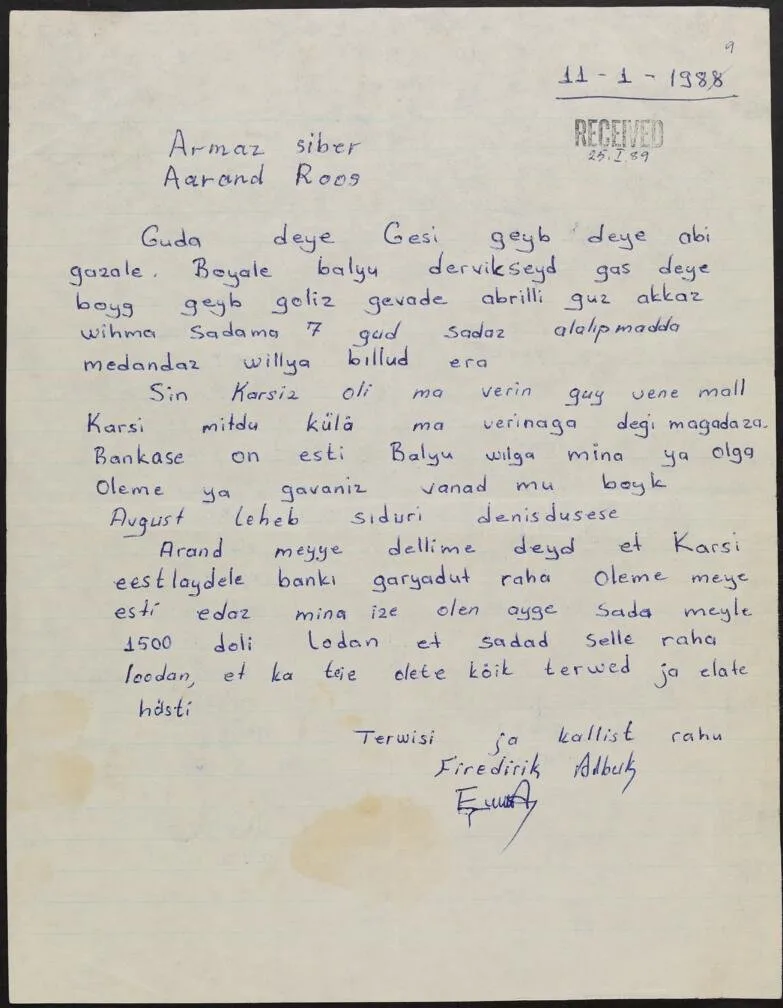
A letter written in Turkish letter but in Estonian: “How is your hand doing with your wife.
Many greetings to your son.
Does your son go to school?
In April of spring it started raining, seven months it rained without stopping, it completely rotted the grain fields away.
Here in Kars the land was bloody like in Russia.
Several villages in Kars were made [utterly desolate] by the land [with blood].
Estonia owes the bank a lot [?].
Olga and I are [already quite] old.
My son August is going into military service.
Aarand, we are informing you that the money that was [deposited/carried] to the bank for the Estonians of Kars, we have already forwarded to Estonia.
>I myself am sick, send us 1500 dollars.
>I hope you will send that money.
>I hope that you all are healthy too and living well.”