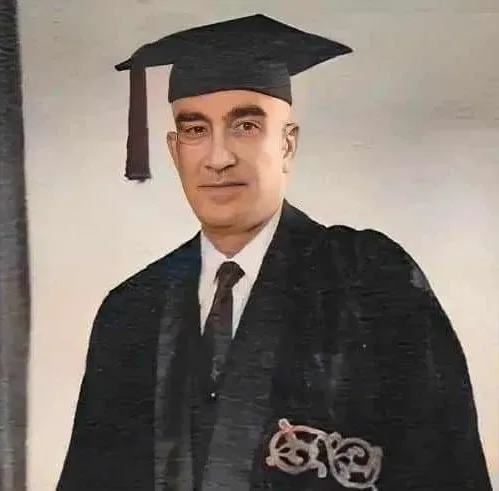
In the late 1950s, the world stood unknowingly on the edge of one of the greatest medical disasters in modern history. A small white pill -marketed as safe, gentle, even suitable for pregnant women- was about to permanently alter thousands of lives. Its name was thalidomide.
What followed would reshape global pharmaceutical regulation forever. And in Türkiye, a largely forgotten scientific decision would quietly prevent the catastrophe altogether.

A Drug That the World Trusted
Developed in West Germany in the mid-1950s, thalidomide was initially introduced as a sedative and later widely prescribed to pregnant women to relieve morning sickness. At the time, drug approval standards were dangerously lax. The concept of systematic testing for fetal toxicity –teratogenicity- was still in its infancy.
By 1957-1961, thalidomide was sold in 46 countries, under dozens of brand names. Physicians trusted it. Patients relied on it. Regulators approved it. And then the babies were born.

A Global Medical Catastrophe
By 1961, doctors across Europe and Australia began reporting a horrifying pattern: infants born with severely malformed limbs, often described as phocomelia, where arms or legs were drastically shortened or entirely absent. Many children also suffered from internal organ damage; heart, kidney, and auditory defects.
The numbers remain staggering:
- More than 10,000 children were affected worldwide
- Approximately 40% died shortly after birth
- Survivors lived with lifelong disabilities
The link to thalidomide was eventually established, and the drug was withdrawn. But the damage was irreversible.

The Countries That Failed and the Few That Didn’t
In most countries, thalidomide passed through regulatory systems unquestioned. Only a handful of individuals resisted the pressure to approve it.
In the United States, FDA reviewer Dr. Frances Kelsey famously refused approval due to insufficient safety data, sparing the country from the worst effects.
In Türkiye, the story is less known; but no less significant.
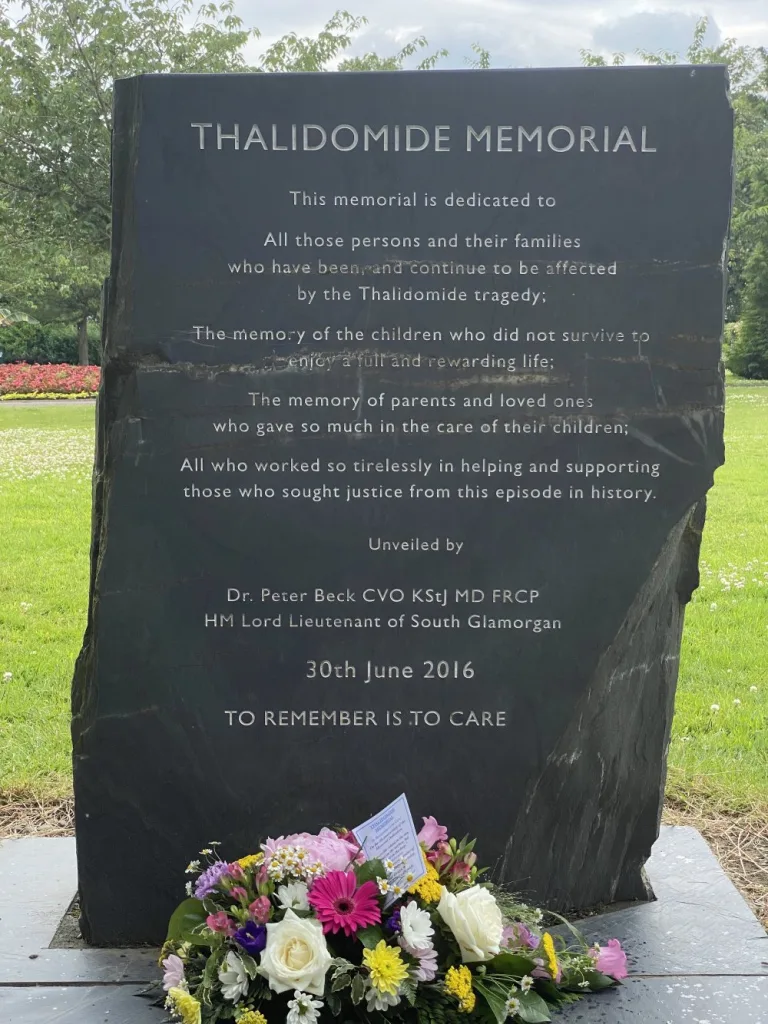
Prof. Dr. Süreyya Tahsin Aygün: A Scientist Who Said “No”
Prof. Dr. Süreyya Tahsin Aygün (1895-1981) was one of the early architects of experimental biological sciences in Türkiye. Trained as a veterinary physician, he went on to specialize in bacteriology, microbiology, embryology, and experimental pathology; fields that were still emerging globally during the first half of the 20th century.
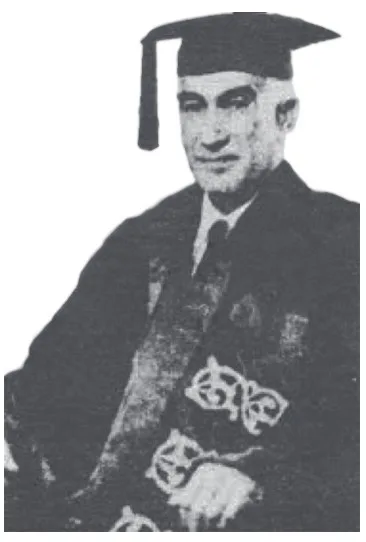
Educated in both İstanbul and Europe, Aygün brought modern laboratory methods back to Turkish academia. He played a foundational role in the development of cell and tissue culture techniques, introducing experimental approaches that emphasized direct biological observation rather than theoretical assumption. He was known among colleagues for his methodological rigor, skepticism toward untested claims, and insistence on empirical evidence.
Beyond his laboratory work, Aygün served in academic and advisory capacities, contributing to scientific evaluation processes related to public and animal health. His interdisciplinary background; bridging veterinary medicine and human biomedical research, gave him a rare perspective on drug toxicity and developmental biology.
A Critical Warning at the Right Time
As thalidomide began circulating internationally, Aygün reportedly examined its effects through experimental and embryonic observation models. What he observed raised alarm.
At a time when the global medical consensus still described thalidomide as “safe,” Aygün reached a different conclusion.
He warned that the drug posed serious risks to embryonic development and communicated these concerns to relevant authorities. As a result, thalidomide was not approved or widely distributed in Türkiye during the critical years of the crisis.
There was no press conference.
No international recognition.
No dramatic announcement.
Just prevention.
The Disaster That Never Happened
Because thalidomide did not enter routine medical use in Türkiye, the country was spared the wave of congenital malformations that devastated families elsewhere.
There were no nationwide spikes in birth defects, no generation marked by preventable disability. This absence -so easily overlooked in historical narratives- is precisely the measure of success.
In public health, the greatest victories are often invisible.
Scientific Integrity Over Commercial Pressure
What makes Aygün’s contribution remarkable is not only the outcome, but the context.
In the 1950s:
- Pharmaceutical lobbying was intense
- Regulatory science was underdeveloped
- Challenging a “safe” European drug required exceptional scientific independence
Aygün relied not on reputation or authority, but on methodical skepticism and evidence-based caution. His stance embodies the core principle of modern medicine: primum non nocere: first, do no harm.
Modern Repercussions
The thalidomide tragedy reshaped global drug regulation:
- Mandatory animal and reproductive toxicity testing
- Stricter approval processes
- Modern pharmacovigilance systems
Yet, historical memory often focuses on disasters, not on disasters avoided.
Prof. Dr. Süreyya Tahsin Aygün’s role reminds us that:
- Scientific vigilance saves lives
- Ethical resistance matters
- Prevention is a form of heroism
A Legacy Worth Remembering
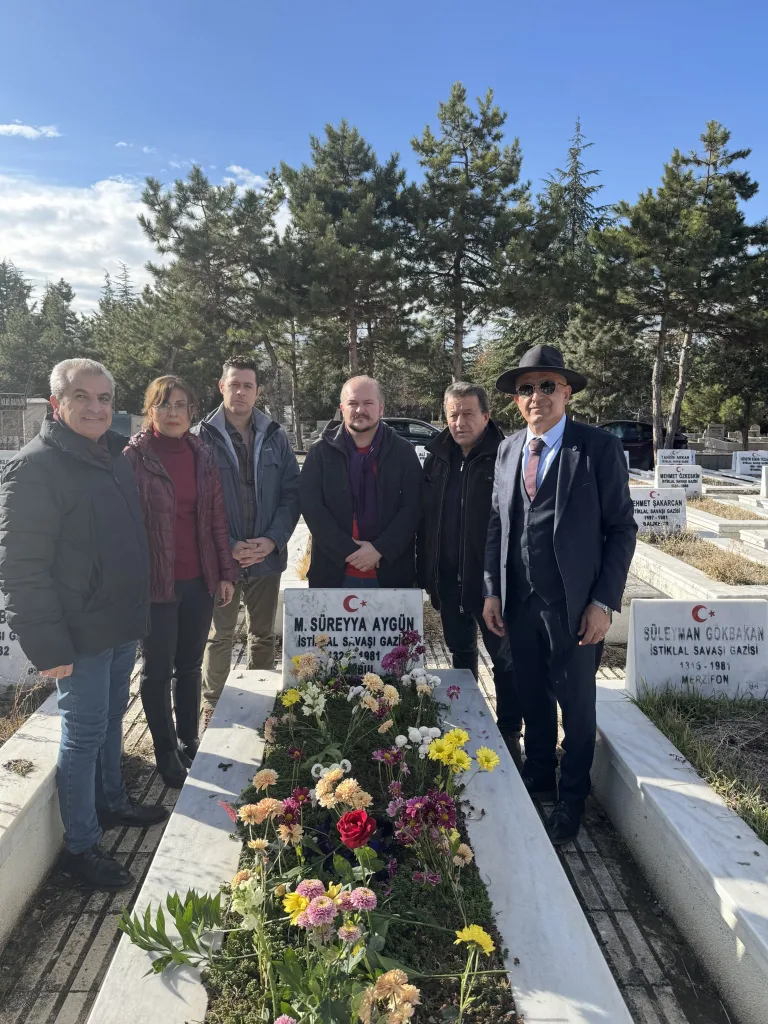
Türkiye’s escape from the thalidomide catastrophe was not accidental. It was the result of scientific foresight, intellectual courage, and institutional responsibility, embodied in the work of one man whose name deserves a firm place in the history of medical science.
Not every tragedy leaves ruins.
Some leave silence;
and healthy children who never knew what was avoided.
That silence is Prof. Dr. Süreyya Tahsin Aygün’s legacy.