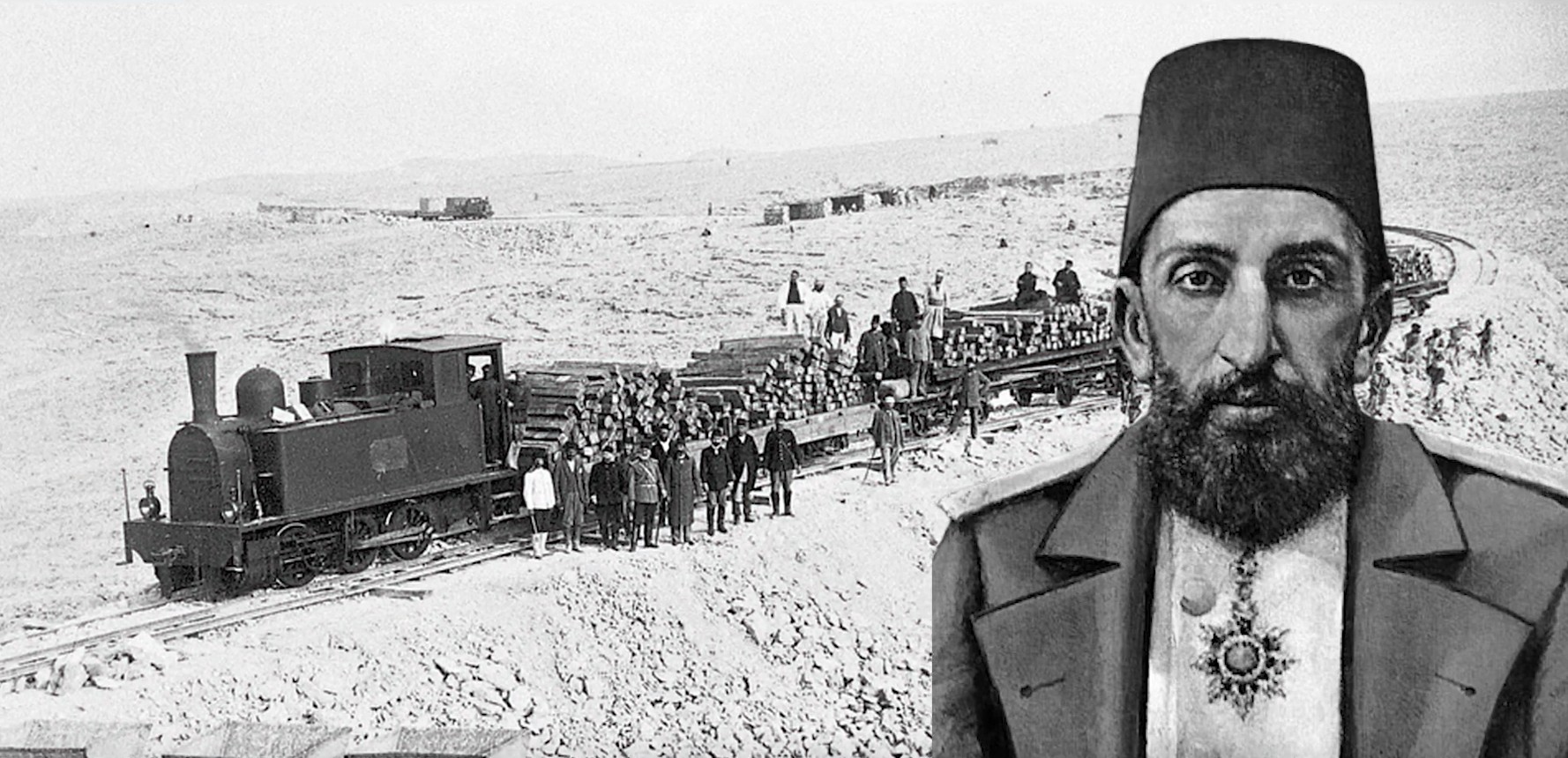
Imagine boarding a train in Istanbul and riding it all the way to Madine across Anatolia, through war affected Syria, past the rose red city of Petra in Jordan and into the heart of the Arabian Peninsula. For a brief window in history, this journey was real. And now, more than a century later, it may be possible again. In September 2025, Turkey, Syria, and Jordan signed a landmark draft Memorandum of Understanding to revive the Hejaz Railway: one of the world’s most storied and historically significant rail lines. For travelers with a love of history, culture and off-the-beaten-path adventures, this is one of the most exciting infrastructure announcements in decades.
Here’s everything you need to know.
What Is the Hejaz Railway?
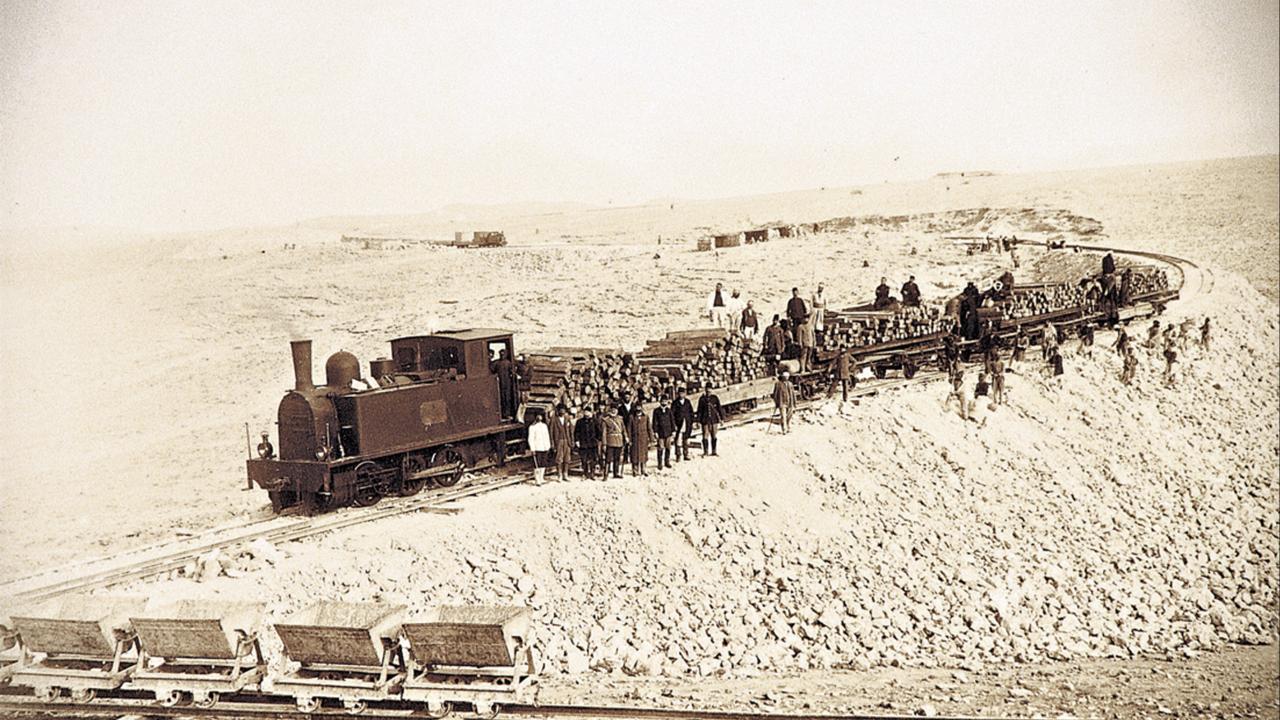
The Hejaz Railway is an Ottoman-era rail network constructed between 1900 and 1908 under the orders of Sultan Abdulhamid II. Its original ambition was breathtaking: a continuous rail line from Istanbul then the capital of the Ottoman Empire, all the way to Makkah, the holiest city in Islam. While the full dream was never quite realized (the line stopped short of Makkah, reaching Madinah instead) what was built was still extraordinary. Spanning approximately 1,750 kilometers the railway connected Damascus to Madinah; slashing the grueling overland pilgrimage from a 40-day camel journey to just 72 hours by train. It also branched toward Haifa in historic Palestine and linked into the wider Ottoman network stretching all the way back to Istanbul‘s Haydarpaşa Station on the shores of the Bosphorus.
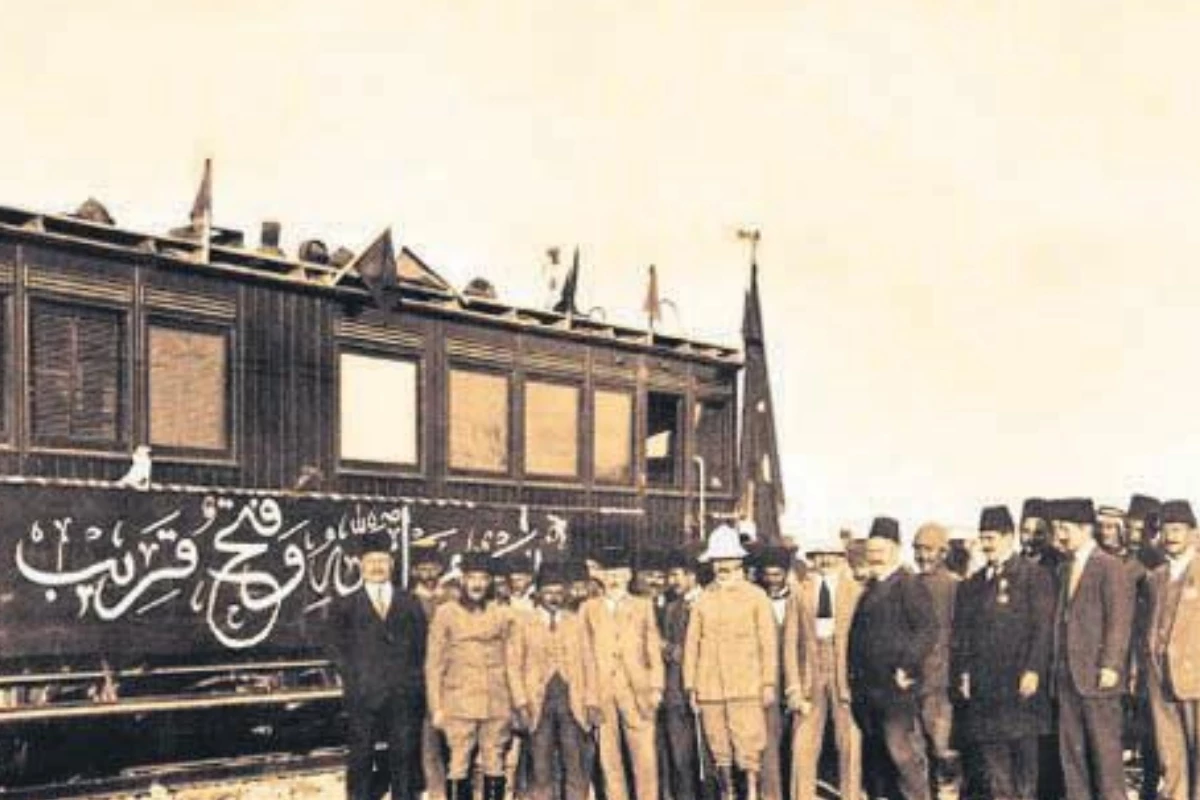
The railway wasn’t just a feat of engineering. It was a symbol of Islamic solidarity. Unusually it was funded largely through voluntary donations from Muslims around the world, making it a truly communal achievement. It was also, famously, a target of T.E. Lawrence (Lawrence of Arabia), whose guerrilla raids on Ottoman supply trains during World War I became the stuff of legend.
Why Did the Hejaz Railway Fall Into Ruin?
The railway’s decline was a casualty of history’s upheavals. World War I brought destruction to large sections of the track, and the subsequent collapse of the Ottoman Empire left no single authority to maintain or restore it. By 1920, much of the line had effectively been abandoned. Decades of political instability across the Middle East kept the dream of revival elusive. The Syrian Civil War caused further damage to stations and tracks in Syria. Meanwhile, treasure hunters in Jordan and Saudi Arabia have been known to dig up sections of the old line in search of Ottoman gold, causing additional deterioration.
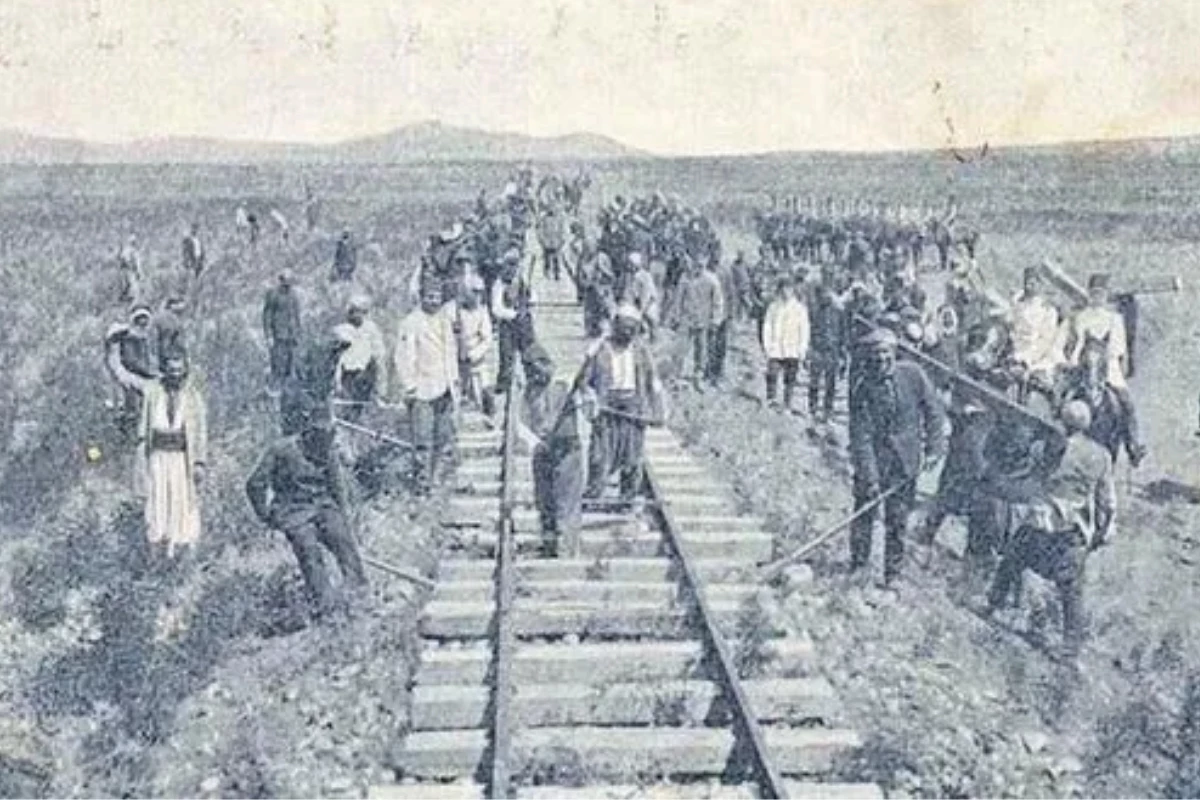
Today, only two sections of the Hejaz Railway remain operational, both used exclusively for freight: a stretch between Damascus and Amman, and a southern Jordanian section from Ma’an to Aqaba, used to transport phosphate. Nine steam locomotives are reportedly still in working order in Syria; seven more in Jordan.
The 2025 Revival Agreement: What’s Actually Happening?
On September 23, 2025, Turkey’s Transport and Infrastructure Minister Abdulkadir Uraloğlu made a historic announcement following a tripartite meeting in Amman: “The historic Hejaz Railway is being revived.” The three countries – Turkey, Syria, and Jordan – agreed on a draft MoU outlining their respective roles:
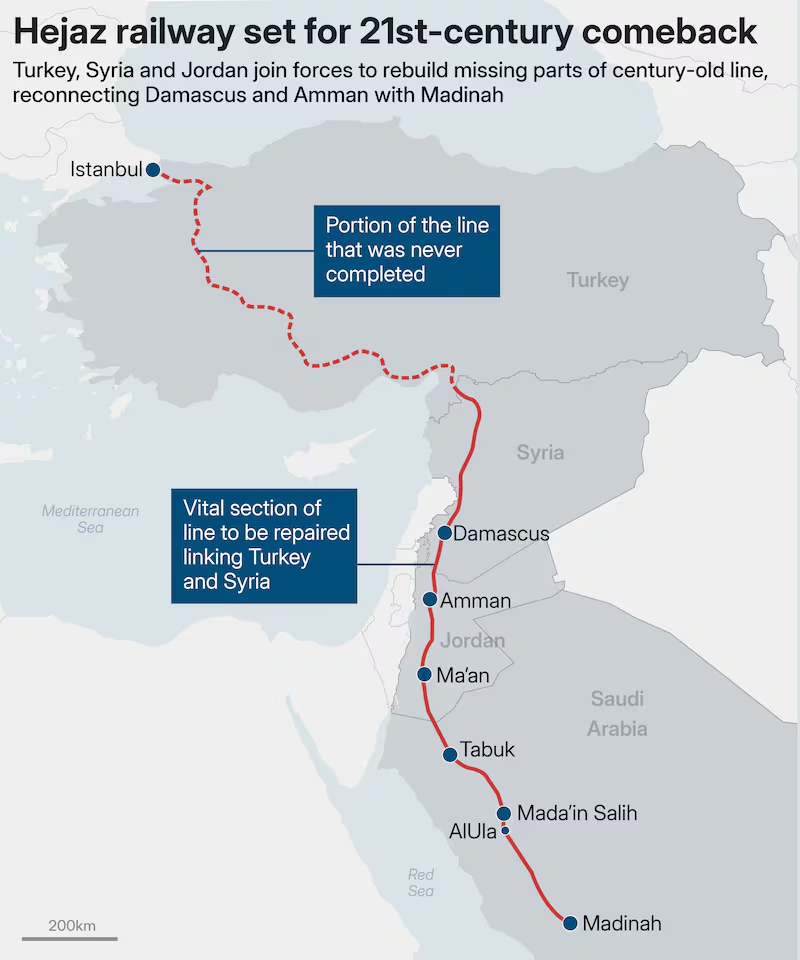
- Turkey will develop a master plan for the overall project and fund the reconstruction of a critical 30-kilometer missing section of track inside Syria.
- Jordan will research the technical aspects of maintaining and operating locomotives, and will assist Syria in bringing its fleet back to working condition.
- All three countries will conduct joint studies to improve Turkey’s access to the Red Sea through Jordan’s Port of Aqaba – a strategic economic corridor that goes far beyond tourism.
The agreement also immediately restored road transport between Turkey and Jordan via Syria, ending a 13-year suspension caused by the Syrian conflict. While exact timelines remain to be confirmed and the MoU is still in draft form, regional experts are cautiously optimistic. As one analyst described it, this “quiet, incremental approach may be the project’s greatest strength.”
Why Does This Matter for Travelers?
The tourism potential here is enormous – and that’s not an overstatement. Consider what a restored Hejaz Railway corridor could offer:
An Unrivaled Historic Train Journey
If Saudi Arabia were eventually to join the revival effort, a luxury train service from Istanbul to Madinah could become one of the great rail journeys of the world – rivaling the Orient Express or the Trans-Siberian Railway. Travelers could glide through Turkish highlands, trace the ancient routes of the Levant, stop at Aleppo and Damascus, cross the Jordanian desert past Petra, and arrive at the doorstep of the Islamic holy lands.
UNESCO-Worthy Heritage Sites Along the Route
The railway passes through some of the most historically significant landscapes on earth. In Saudi Arabia, the old Hejaz station at AlUla (near Madain Saleh, a UNESCO World Heritage Site) is already a major tourist attraction and has been incorporated into Saudi Arabia’s Vision 2030 tourism strategy. The Amman Railway Station Museum in Jordan houses restored Ottoman-era locomotives and original railway archives. Countless other stations, stone viaducts, and desert outposts dot the route, each carrying over a century of history.
A New Gateway to Post-War Syria
With Syria now entering a period of stabilization following the end of its civil war, the railway revival signals a potential reopening of the country to international visitors. Cities like Damascus and Aleppo – ancient crossroads of civilizations – could become accessible stops on an epic overland journey, welcoming travelers back to experience their extraordinary history and culture.
A Hajj and Umrah Experience Like No Other
The railway was originally built to serve Muslim pilgrims, and a revival could once again make it a meaningful part of the Hajj and Umrah journey for those who wish to travel overland in the tradition of centuries of pilgrims before them.
What Can You Visit Right Now?
You don’t have to wait for the full revival to start exploring Hejaz Railway history. Several fascinating stops are already accessible to travelers today:
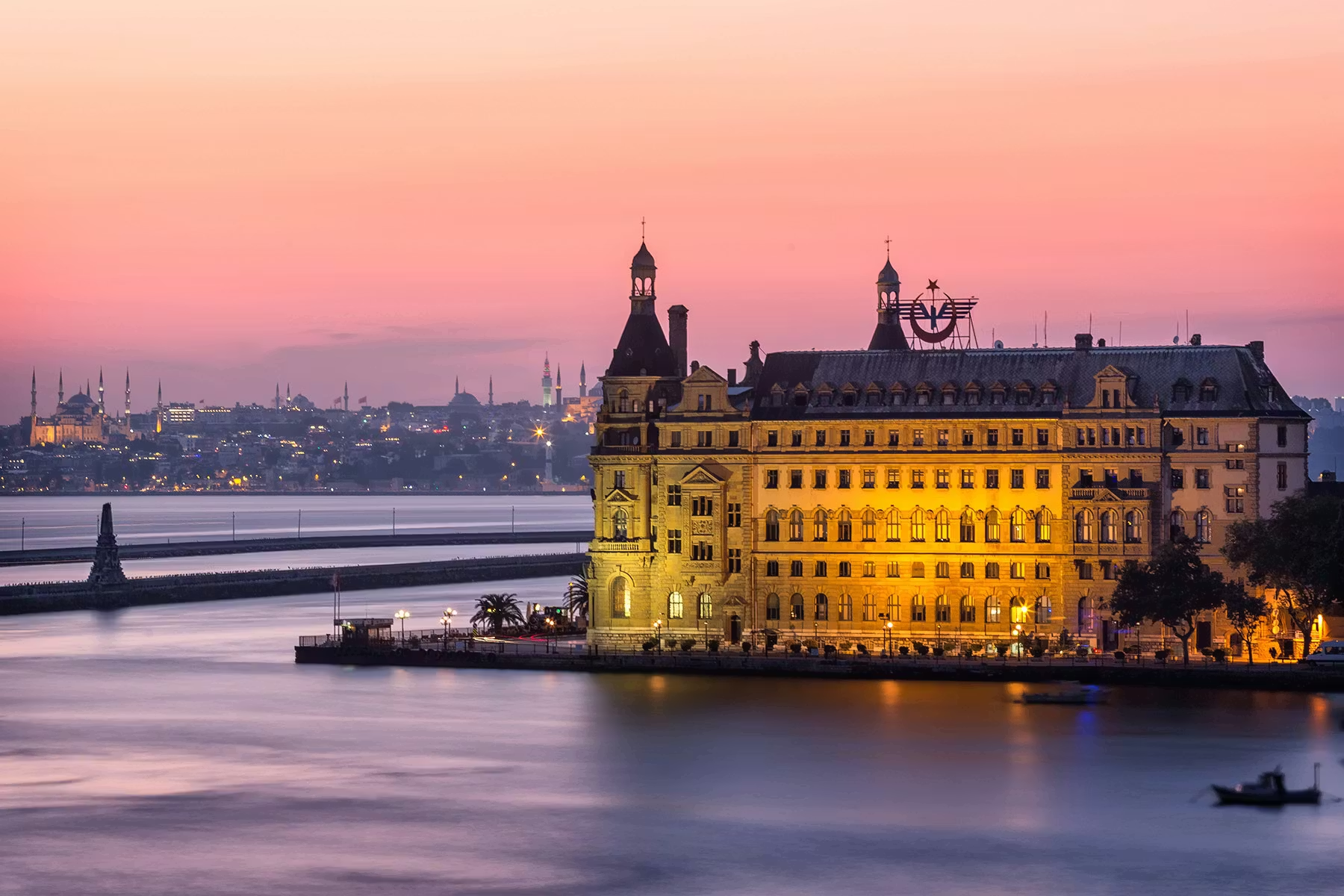
- Haydarpaşa Station, Istanbul, Turkey: This is where the entire journey begins – or rather, where it once began. Haydarpaşa Station on Istanbul’s Asian shore was the grand northern terminus of the Hejaz Railway, and it remains one of the most magnificent train stations in the world. Completed in 1908 – the same year the railway opened – it was designed by German architects Otto Ritter and Helmuth Cuno under the patronage of Sultan Abdulhamid II, who funded and championed the railway project. The result is a striking neo-Renaissance sandstone palace rising directly from the waters of the Bosphorus, its twin towers and clock tower reflected in the Sea of Marmara. Inside, marble floors, soaring ceilings, and ornate stained glass speak to the ambitions of an empire that once stretched from the Balkans to Arabia.
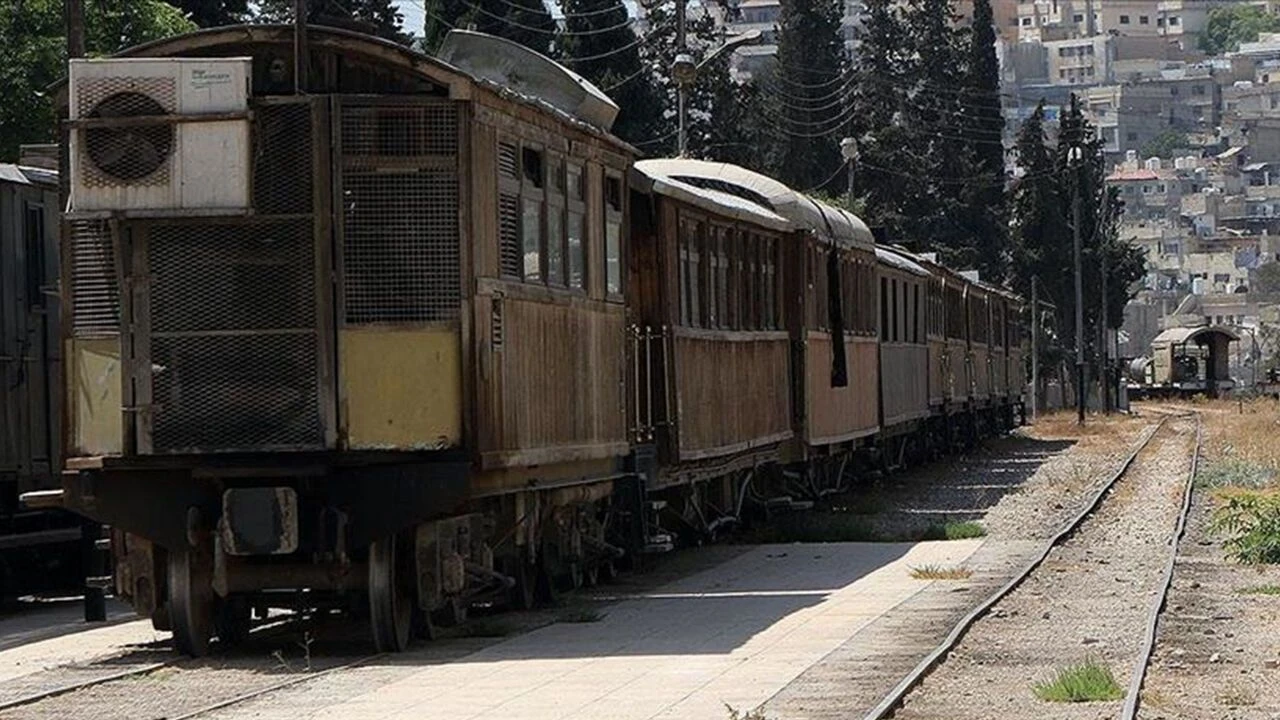
- Amman, Jordan: The Amman Railway Station houses a wonderful museum with restored Ottoman steam locomotives and original archive materials.
- AlUla, Saudi Arabia: The old Hejaz station near Madain Saleh sits within one of the world’s great archaeological landscapes. Under Vision 2030, it has been transformed into a key heritage tourism destination.
- Wadi Rum, Jordan: The dramatic desert scenery through which the original railway ran – the same landscape Lawrence of Arabia crossed – is one of the world’s great wilderness destinations, already popular with adventure travelers.
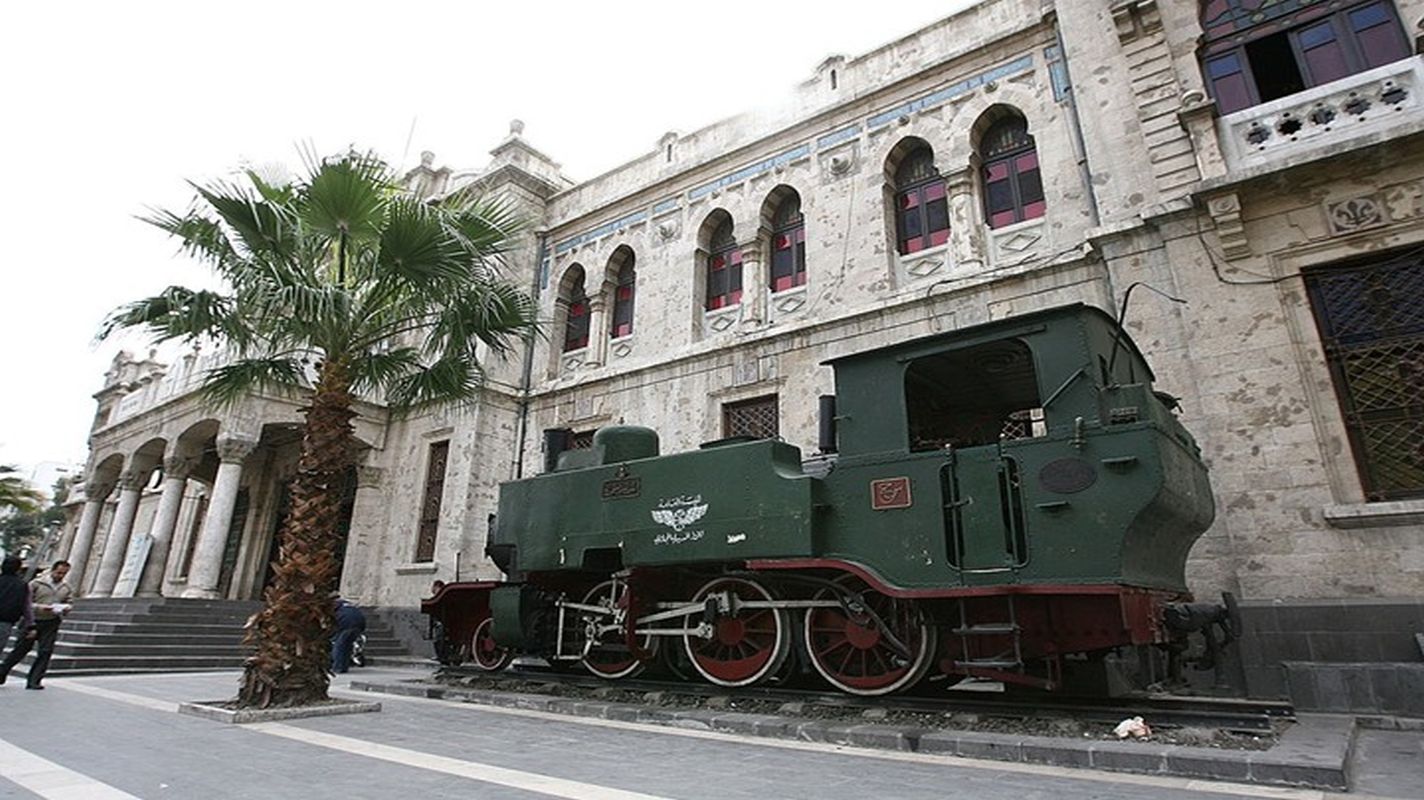
- Damascus, Syria: As Syria reopens to the world, the historic Hejaz Railway Station in the heart of the old city is a breathtaking reminder of Ottoman grandeur – and the starting point for one of history’s great rail journeys.
The Bigger Picture: A Railway That Could Reconnect a Region
Beyond tourism, the Hejaz Railway revival represents something profound: the possibility of connection over division. For over a century, conflict has fragmented the lands the railway once united. The MoU between Turkey, Syria, and Jordan – three countries navigating their own complex political landscapes – is a quiet signal that a different kind of future is possible.
>Economists point to enormous trade benefits: Jordan’s agricultural exports to European and Russian markets could increase dramatically with improved rail and road links to Syria and Turkey. Jordan could become a key logistics hub between the Gulf and Europe. Syria could access economic lifelines through reconstruction jobs and renewed regional commerce.
But perhaps equally important is the cultural and symbolic weight. The Hejaz Railway was built by and for the Muslim world. It wove together communities from Istanbul to Arabia with iron and steam. Reviving it – even partially – is an act of collective memory and shared aspiration.
Practical Travel Tips: Planning Your Hejaz Railway Adventure
While the full rail revival is still underway, here’s how to start exploring the Hejaz Railway route today:
- Start your journey at Haydarpaşa: how to get there by ferry, what to expect during restoration, and how to pair it with a broader Ottoman-era Istanbul itinerary (Grand Bazaar, Topkapı Palace, Spice Market).
- Best time to visit Jordan: Spring (March–May) and autumn (September–November) offer the most pleasant temperatures for exploring outdoor heritage sites.
- Combine with Petra: A visit to the Amman Railway Museum pairs perfectly with a journey to Petra and Wadi Rum – creating a world-class heritage and adventure itinerary.
- AlUla is unmissable: Saudi Arabia’s investment in AlUla as a tourism destination has made it easier than ever to visit. Direct flights from Dubai, Riyadh, and other Gulf hubs are available.
- Watch Syria closely: With the country stabilizing post-conflict, Syria is likely to emerge as a compelling travel destination in the coming years. Keep an eye on evolving visa requirements and travel advisories.
The Train Is Coming! Are You Ready?
The Hejaz Railway is far more than an infrastructure project. It is a living piece of history: one that carries the stories of pilgrims, soldiers, diplomats, merchants, and dreamers across more than a century and thousands of kilometers of desert and mountain.
The 2025 agreement between Turkey, Syria, and Jordan is just the first step in what could become one of the great travel stories of the 21st century. As track is laid and stations restored, a new generation of travelers will have the chance to experience the Middle East in a way that few ever have – slowly, deliberately, and through the window of a train.
Start planning your journey now. The Hejaz Railway is calling.