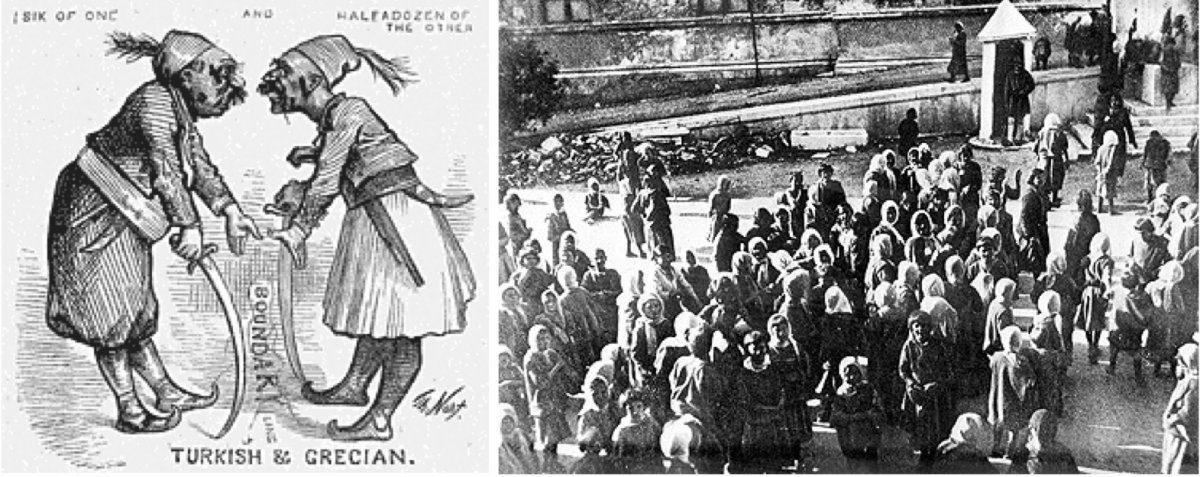
Wars live on through their battles, commanders, and body counts. Rarely, though, do we stop to recall the soldiers who said no men who looked across a rifle barrel and chose not to pull the trigger. Not because they were cowards. Because they saw a human being on the other side. In the Greco-Turkish War of 1919-1922, one such group of soldiers made exactly that choice. They were Greek. Their supposed enemy was Turkish. And they refused to shoot.
For that refusal, their own commanding officers killed them.
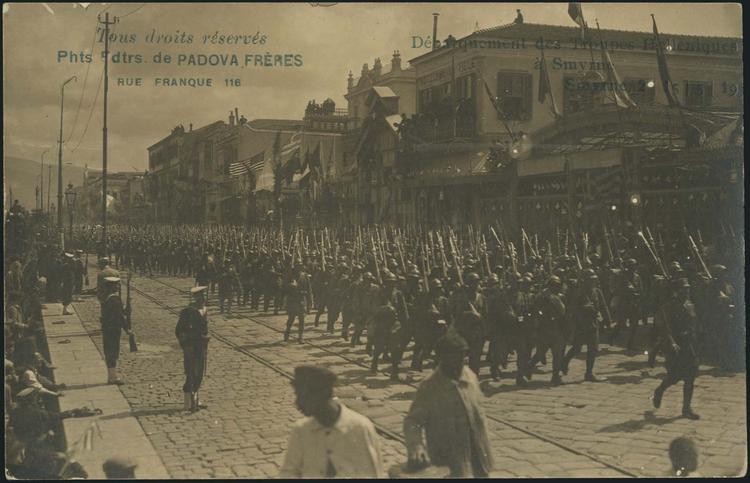
Every year in Izmir (the city once known as Smyrna), a quiet commemoration is held to remember them. Their story appears, briefly, in a Turkish newspaper headline. But in most history textbooks – Greek, Turkish, or otherwise – they are invisible.
This is their story.
The Greco-Turkish War: A Brief Context
To understand what these soldiers did, you first need to understand the world they were standing in.
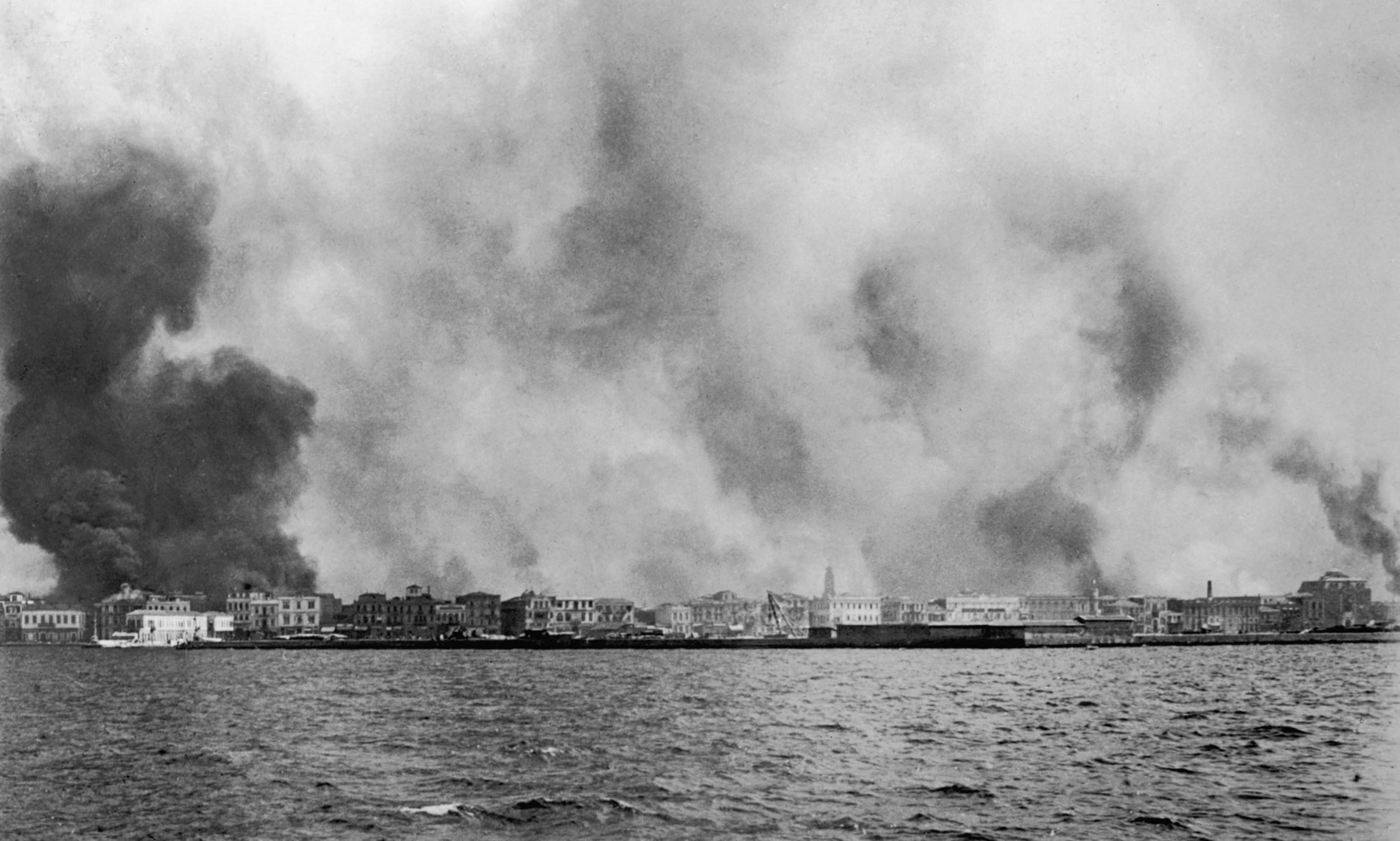
World War I had ended, the Ottoman Empire was crumbling, and the victorious Allied powers – Britain, France, and Italy – carved up the region according to their interests. Under the terms of the Treaty of Sèvres (1920), Greece was granted administrative control over Smyrna (Izmir) and its surrounding territory for five years, with a future plebiscite to determine its fate.
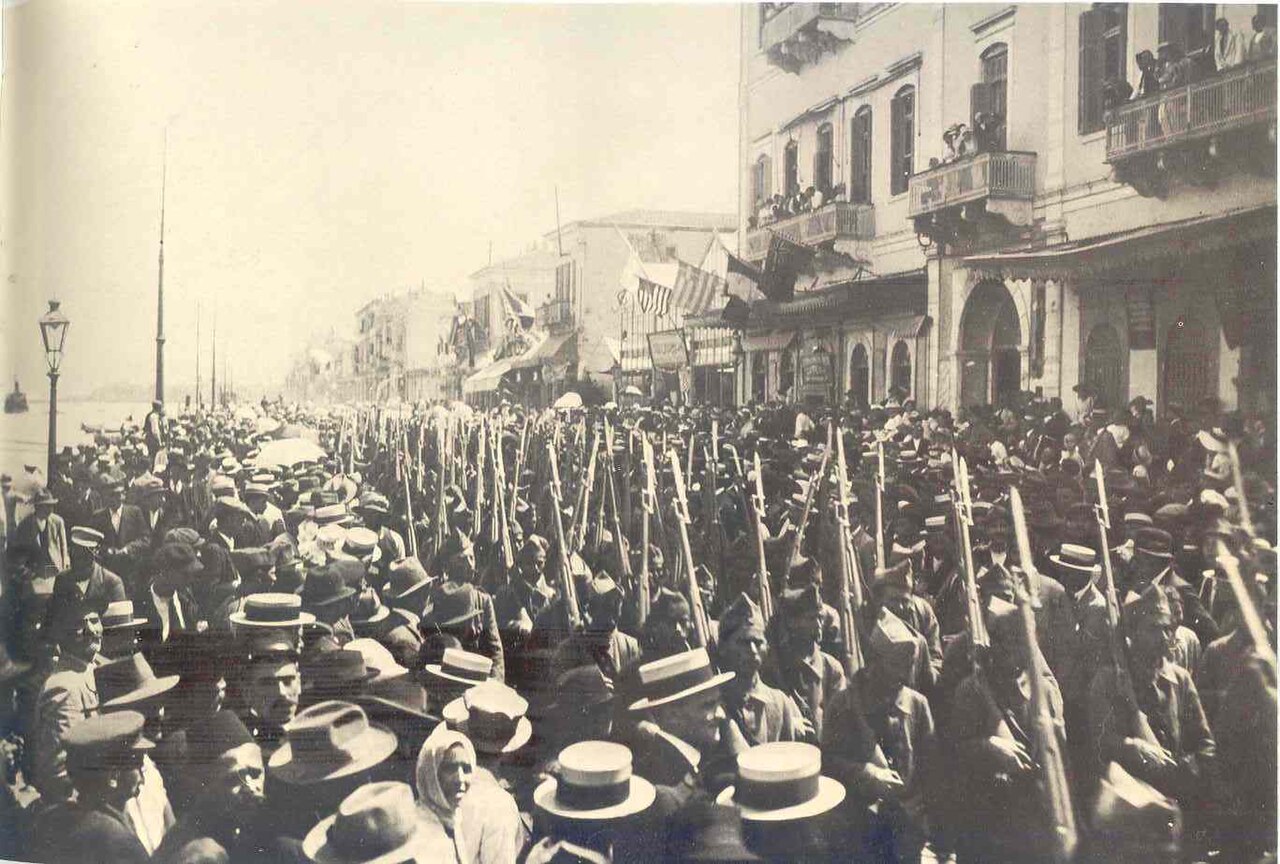
Greek forces had landed in Smyrna on May 15, 1919 – a date celebrated in Greece as a moment of triumphant homecoming, marking a step toward the Megali Idea (the “Great Idea” of a Greater Greek state encompassing former Byzantine territories). For the Muslim Turkish population of Anatolia, the same date marked the beginning of an occupation.
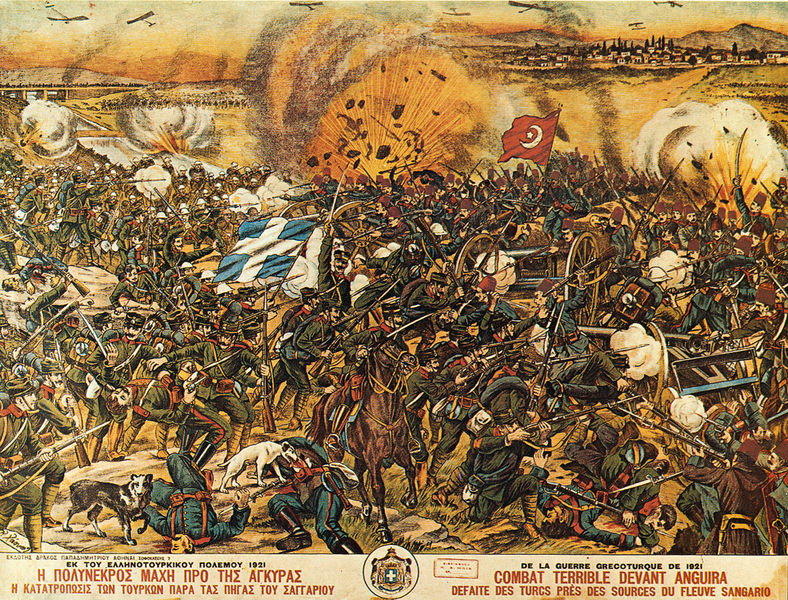
The war that followed was brutal on all sides. Massacres, forced expulsions, and systematic destruction of villages were committed by both Greek and Turkish forces. An Inter-Allied commission investigating the conflict noted that a pattern of violence against Turkish civilians had developed in Greek-controlled zones. The Turkish nationalist forces under Mustafa Kemal, meanwhile, were growing in strength and resolve – eventually launching a counter-offensive that would collapse the Greek front in 1922.
It was in this charged atmosphere of nationalism, war fever, and ethnic violence that a group of Greek soldiers chose to walk a different path.
The Soldiers Who Said No
During the Greek occupation of Izmir, a contingent of soldiers – reportedly around 200 men – refused orders to fire on Turkish civilians. These were not deserters or cowards: they were, by most accounts, men with socialist and internationalist political convictions, influenced by the radical labor movements sweeping Europe in the aftermath of World War I and the Russian Revolution of 1917.
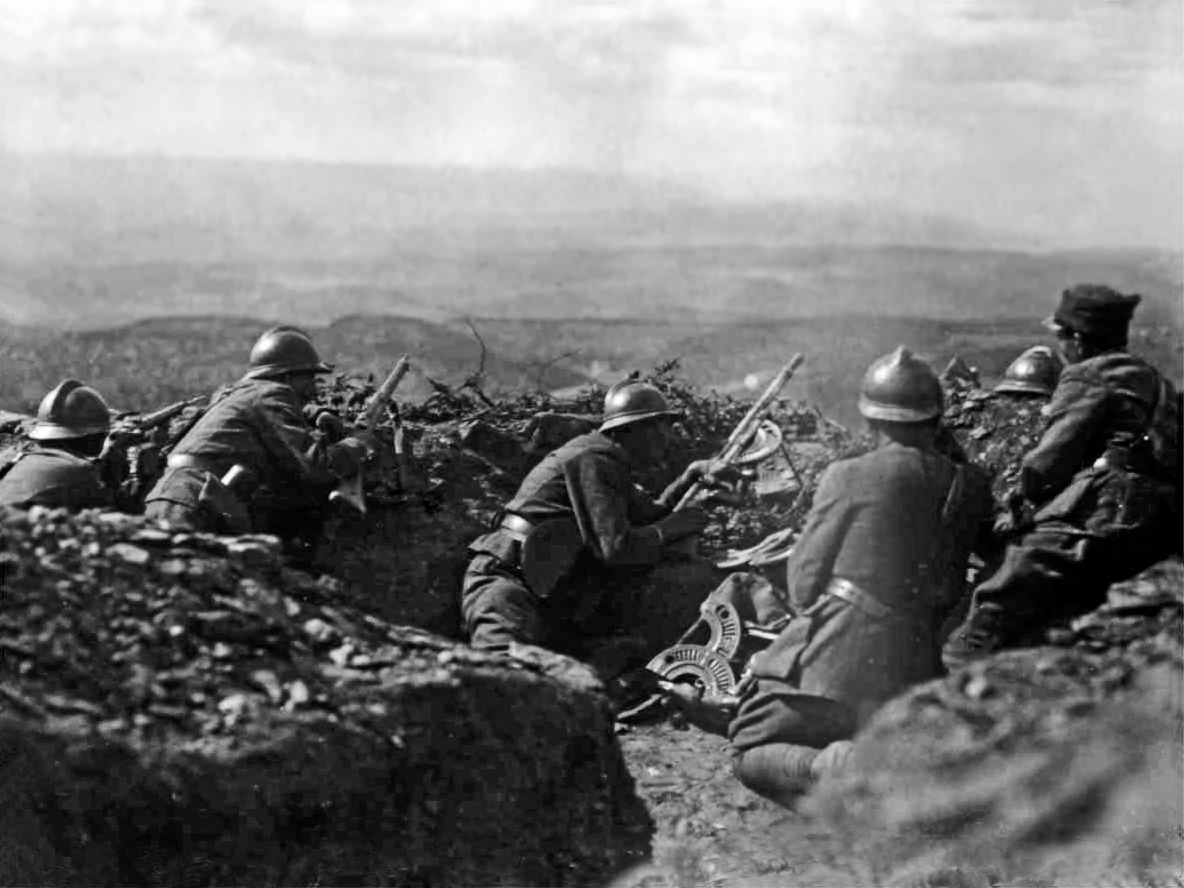
Their reasoning was straightforward and extraordinary at the same time: the Turks were not their enemies. They were workers, farmers, civilians – human beings like themselves. The conflict, in their eyes, was a war manufactured by imperial powers and nationalist politicians, not a genuine struggle between peoples.
“These are our brothers,” the sentiment went. “We will not shoot them.”
Their refusal was not a small act of personal conscience quietly swept under the rug. It was a direct act of military insubordination at a time when discipline was considered essential to the war effort. The Greek military command could not allow it to stand.
The soldiers were arrested, tried, and sentenced to death.
They were executed at Inciraltı, on the outskirts of Izmir, shot by firing squad – killed not by Turks, but by the army they had sworn to serve.
Why This Story Is Still Rarely Told
You might wonder why an act of such moral courage – soldiers refusing to kill civilians, paying for it with their lives – isn’t more widely known or celebrated.
The answer lies in the politics of memory.
In Greece, the Asia Minor Campaign remains deeply painful national territory. The eventual defeat – the catastrophic collapse of 1922, the burning of Smyrna, the mass expulsion of Greek populations from Anatolia – is remembered as the Mikrasiatiki Katastrofi (the Asia Minor Catastrophe). In this framework of national tragedy and victimhood, there is little space for stories that complicate the narrative: stories of Greek soldiers committing atrocities against Turkish civilians, or Greek soldiers refusing to fight altogether on ideological grounds.
In Turkey, too, the memory of the Greco-Turkish War is embedded within the founding mythology of the Republic. The Turkish War of Independence is the cornerstone story – the heroic resistance of Mustafa Kemal’s forces against foreign occupation. Within that story, there is space for the Greek soldiers at Inciraltı, but usually only as a footnote, a curiosity, or an annual act of local commemoration in Izmir.
Internationally, the entire conflict barely registers. Sandwiched between the First World War and the Second, the Greco-Turkish War of 1919–1922 remains one of the most overlooked major conflicts of the 20th century, despite killing tens of thousands and displacing over a million people.
The soldiers of Inciraltı fall through every crack.
What Their Story Means Today
T
Greece and Turkey have shared one of the most complicated bilateral relationships in modern history. Disputes over maritime borders, airspace, Cyprus, and minority rights have defined decades of tension. As recently as the 1990s, the two countries came dangerously close to open military conflict.
Yet Greek-Turkish history also holds surprising moments of solidarity and mutual recognition. The 1999 earthquake offers the clearest example. Greek rescue teams rushed to Turkey after the devastating tremor. Turkish survivors greeted them with enormous gratitude. Many observers consider that moment a genuine turning point; the first real crack in decades of enmity.
The soldiers of Inciraltı belong to this same hidden current. They prove that even at the height of war,even inside a conflict driven by ethnic violence and nationalist fever, some individuals still chose to see past the labels of “Greek” and “Turk.” They recognized a shared humanity instead.
Their own army killed them for that choice. Nevertheless, their decision has outlasted the war, the empire, and every man who ordered their deaths.
The Annual Commemoration in Izmir
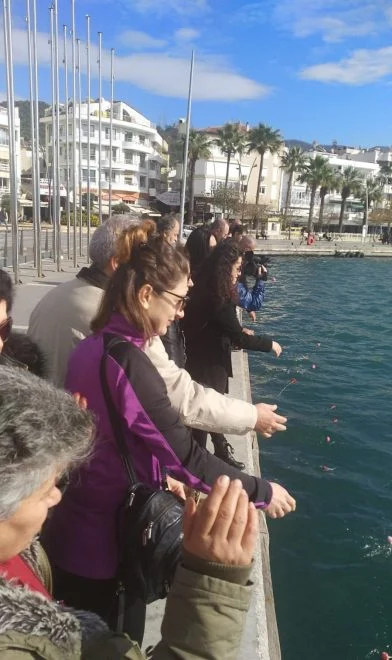
Every year, some groups in Izmir organize a small ceremony to honor these soldiers. Attendees come from both Turkish and Greek communities. They lay flowers, give speeches,andtell the story again.
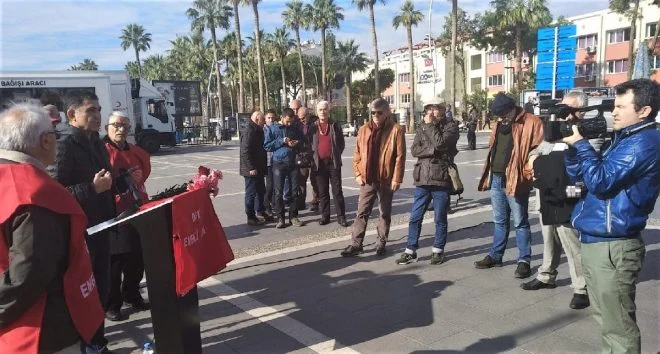
This is not a state ceremony. No government officials show up or no monument marks the spot. You will not find any streets carrying their names.
But the commemoration continues, year after year. It insists quietly and stubbornly that this story matters that these men deserve memory, and that refusing to dehumanize your enemy remains worth honoring, even a century later.
The History That Humanizes
We tend to remember wars through victories and atrocities. We are far less practiced at preserving moments of resistance — soldiers who refused, civilians who sheltered enemies, officers who looked away.
The roughly 200 Greek soldiers executed at Inciraltı offer something rare. Their story cuts through the fog of war with unusual moral clarity. By nationalist logic, they stood on the wrong side. By military law, they were traitors. Yet from the distance of a hundred years, their act looks far less like treason. It looks more like a form of heroism most of us would struggle to match.
They refused to shoot.
Therefore, their own side shot them.
Remember them.