
Women in Istanbul protested the high cost of living and the shortage of meat for the first time on 13 May 1808. They marched to the house of the Istanbul Qadi (chief judge), waving poles with pieces of liver -the cheapest meat at the time- tied to the ends, along with empty pots and pans they had grabbed, as a form of demonstration.
This week, we celebrated 8 March, International Women’s Day. Throughout history, women have endured many hardships, and they were also responsible for one of the first protests against rising prices in our history. The reign of Sultan Mustafa IV was one of the most difficult periods for the Ottoman Empire and the people living within its borders. The eighteen-year, one-month, and twenty-two-day rule of Sultan Selim III ended on 29 May 1807 following the Kabakçı Mustafa rebellion, and on the same day his nephew Mustafa IV ascended the throne.
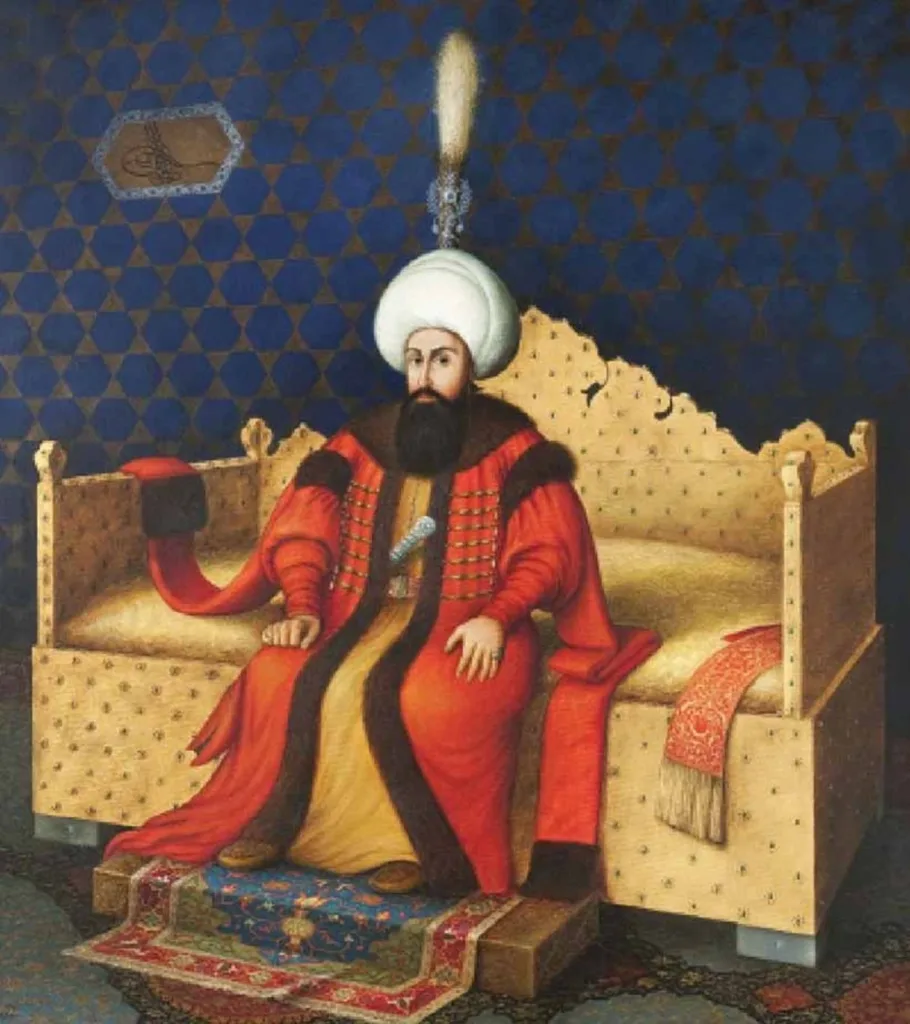
Ottoman Sultan Mustafa IV.
A Sultan Who Rewarded Rebels
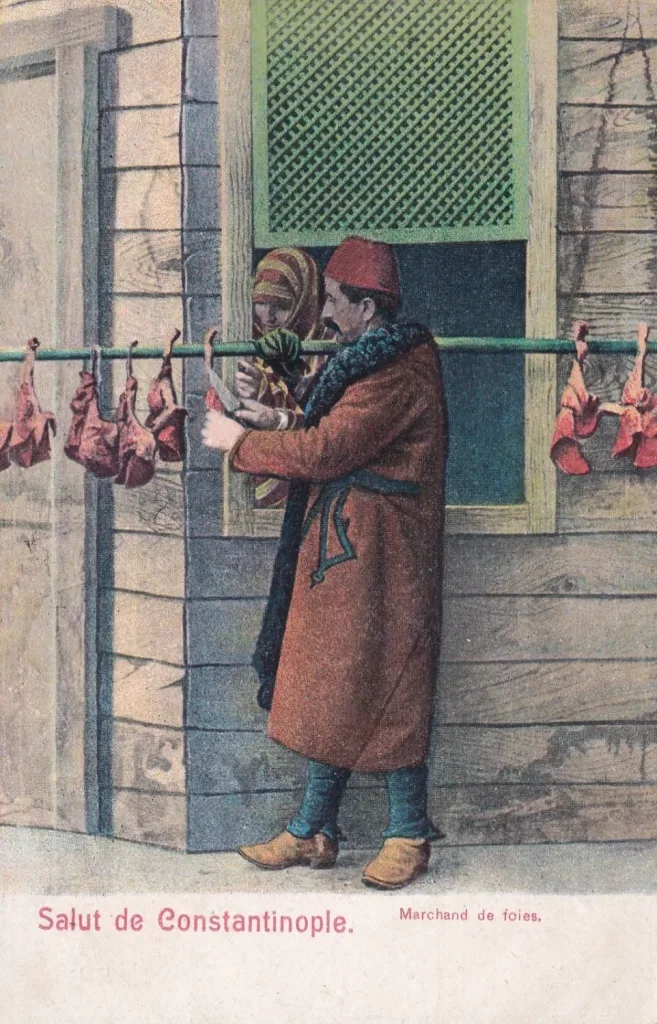
A liver seller trading with a woman in Istanbul.
Having amassed wealth through plunder, Musa Pasha sensed the approaching danger and, claiming illness, resigned from his post as acting grand vizier and withdrew to Bursa. On 27 June 1807, Çavuşbaşı Şehsuvarzade Hamdullah Pasha was appointed in his place.
They Emptied the Treasury
The state’s financial balance had collapsed, and the economy was in severe distress. Even the 20,000 gold coins that Selim III had reserved in the treasury for emergencies had been spent. As a result, the treasury was empty, and the people were struggling under the weight of soaring prices. Even liver, the cheapest food at the tme, could no longer enter households, and despite all measures, bread price increases could not be prevented.
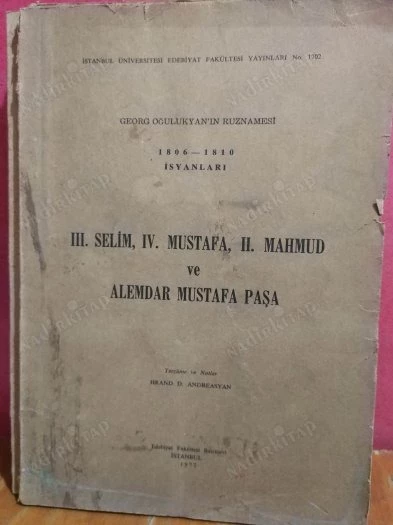
Georg Oğulukyan’s chronicle describing the 1808 high-cost-of-living protest with liver in Istanbul.
In his work The Chronicle of Georg Oğulukyan – The Rebellions of 1806–1810 – Selim III, Mustafa IV, Mahmud II and Alemdar Mustafa Pasha, the historian Georg Oğulukyan recounts the protest carried out on Friday, 13 May 1808, by Istanbul women driven to desperation by economic hardship.
They Caught the Qadi at a Lavish Table
According to this account, the women poured into the streets carrying poles tipped with rotten liver. As their numbers grew, they stormed the mansion of the Istanbul Qadi. Confronting the judge -who was living in luxury- they advanced on him shouting: “You priestly fellow! While you dine on such lavish meals, we are dying of hunger, paying 25 coins even for a piece of liver!” The Qadi abandoned his table and fled to the harem quarters, narrowly escaping from the women.
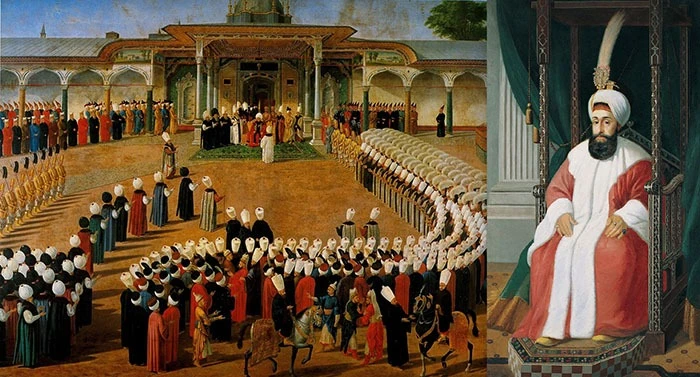
The Nizam-ı Cedid army established by Selim III was abolished after the Kabakçı Mustafa rebellion.
Confronting the Sultan Himself
The women pressed on. They intercepted Sultan Mustafa IV on his way to Friday prayers at the Bayezid Mosque. Waving their poles with pieces of rotten liver and tripe hanging from the ends, they called out: “Wake up, my Sultan, wake up! We cannot endure this high cost of living and have forgotten what it is to eat meat. We are hungry; we cannot even buy liver!” Even the sultan’s guards were uncertain how to respond. They did not intervene against the stick-wielding crowd.
A Protest That Changed Little
After some time, the angry gathering dispersed. Mustafa IV returned to his palace, and the women to their homes. According to some accounts, the sultan temporarily banned women from going out into the streets following the protest. However, no documentary evidence of such a decree has surfaced.
The hardships did not ease after the protest. Poverty in Istanbul and Anatolia deepened steadily. It continued, almost uninterrupted, until the eventual collapse of the Ottoman state.