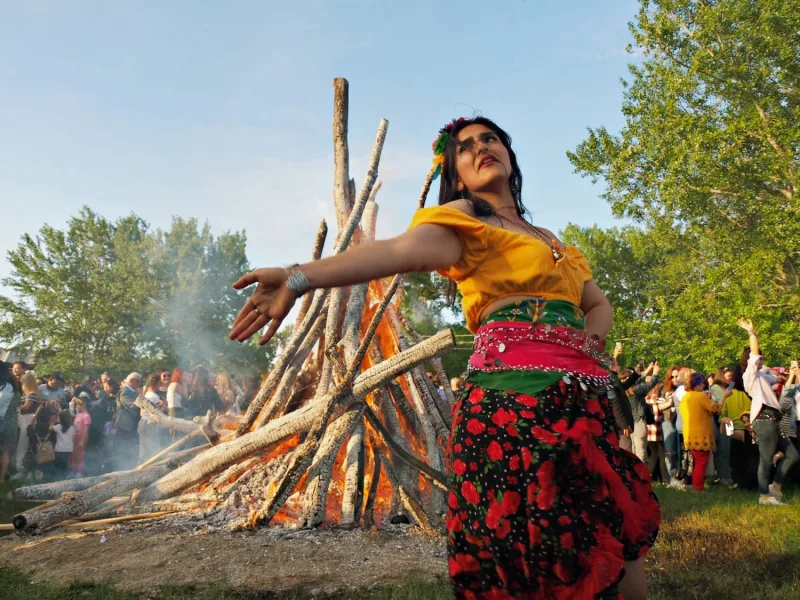
Hıdırellez falls on May 5-6, 2026 – the night when, according to centuries-old Anatolian tradition, the prophets Hızır and İlyas meet on Earth and the world tips from winter into summer. It’s one of Turkey’s oldest and most quietly magical celebrations, and you don’t need to be religious – or even Turkish – to take part.
This guide covers what Hıdırellez is, where the tradition comes from, the rituals you’ll see across Turkey, and the best places to experience the festival in person.
What is Hıdırellez?
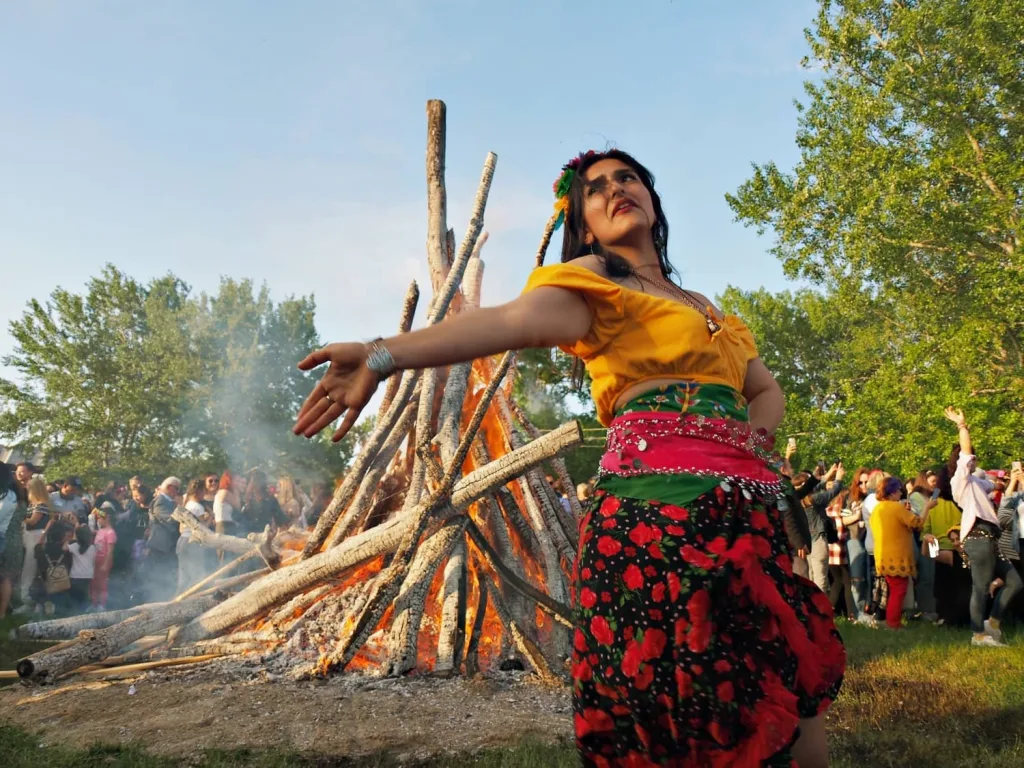
Hıdırellez (also written Hıdrellez) is the Turkish festival marking the arrival of spring. The name fuses two figures from Islamic and pre-Islamic tradition: Hızır, the green-robed immortal who walks the earth bringing fertility and aid to those in need, and İlyas (the prophet Elijah), associated with the seas and waters.
Folk belief holds that the two prophets travel separately throughout the year – Hızır across land, İlyas across water – and meet on a single evening each spring. That meeting is Hıdırellez. Land and water reunite, the earth turns green, and any wish made that night has a chance of coming true.
UNESCO inscribed Hıdırellez on its Representative List of the Intangible Cultural Heritage of Humanity in 2017, jointly nominated by Turkey and North Macedonia.
When is Hıdırellez 2026?
In 2026, Hıdırellez begins on the evening of Tuesday, May 5 and is celebrated through Wednesday, May 6.
The date is fixed: May 6 in the Gregorian calendar, which corresponds to April 23 in the Julian calendar – the same day Eastern Orthodox Christians celebrate St. George’s Day. This shared date is no coincidence, as we’ll see below.
Hıdırellez is not an official public holiday in Turkey, so banks, schools and offices remain open. But you’ll see celebrations in towns and parks across the country, and many Turkish families mark it with a picnic regardless.
The Story of Hızır and İlyas
Hızır is one of the most fascinating figures in Turkish folk Islam. He drank from the water of life, the legend says, and gained immortality. He appears in disguise to people in trouble – often as a poor traveler or stranger – and rewards kindness with sudden good fortune. The Turkish phrase “Hızır gibi yetişmek” – to arrive like Hızır – means to show up just when help is needed most.
Within Alevi-Bektaşi tradition, Hızır is closely linked with Ali, the fourth caliph, and is honored with fasting (Hızır Orucu) earlier in the year. Sufi tradition treats him as a guide for those on the spiritual path.
İlyas, by contrast, is a quieter presence in Turkish folklore. He is the prophet Elijah of Hebrew scripture, but in Anatolian belief he became the patron of the seas, complementing Hızır’s role on land.
Hıdırellez Traditions and Rituals
Most Hıdırellez customs share one thread: a belief that the night is uniquely powerful for transformation, healing, and granting wishes. Here are the rituals you’re most likely to encounter.
Tying wishes to a rose tree
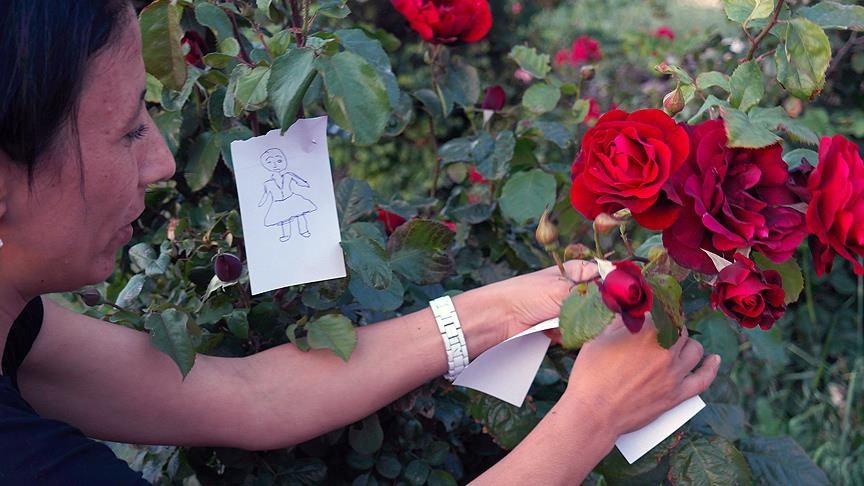
The best-known Hıdırellez custom involves writing a wish on a small piece of paper – or drawing a tiny picture of what you want, like a house, a baby, or a car – and tying it to the branch of a rose tree. The rose is sacred in Turkish folk tradition, often associated with the Prophet Muhammad and with love.
In Istanbul’s Ahırkapı neighborhood, the streets fill with paper wishes by the morning of May 6.
Jumping over the fire
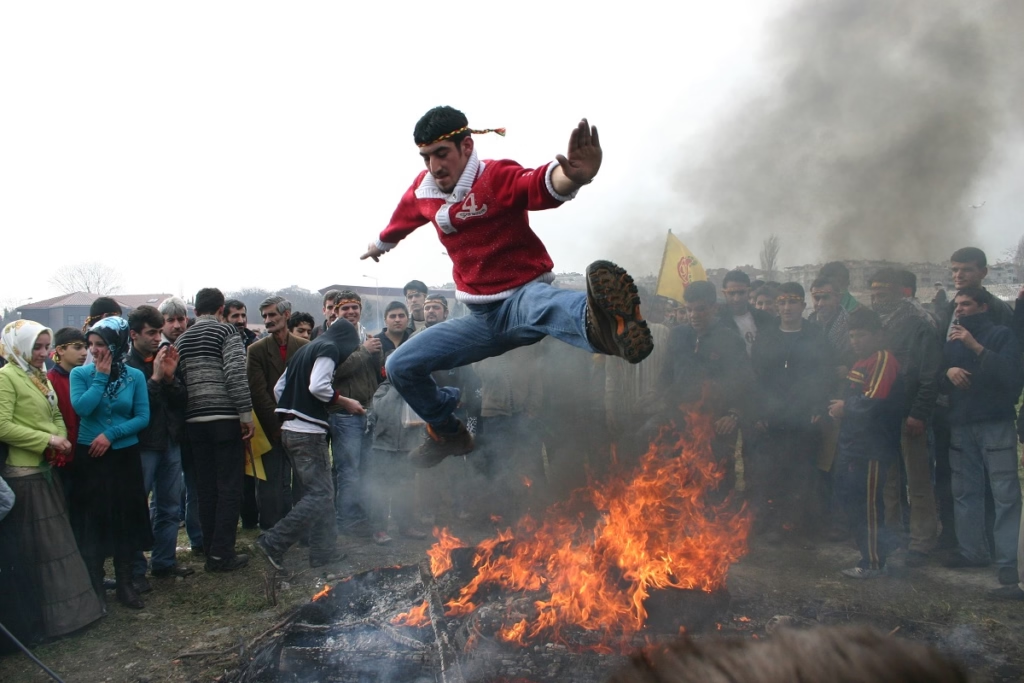
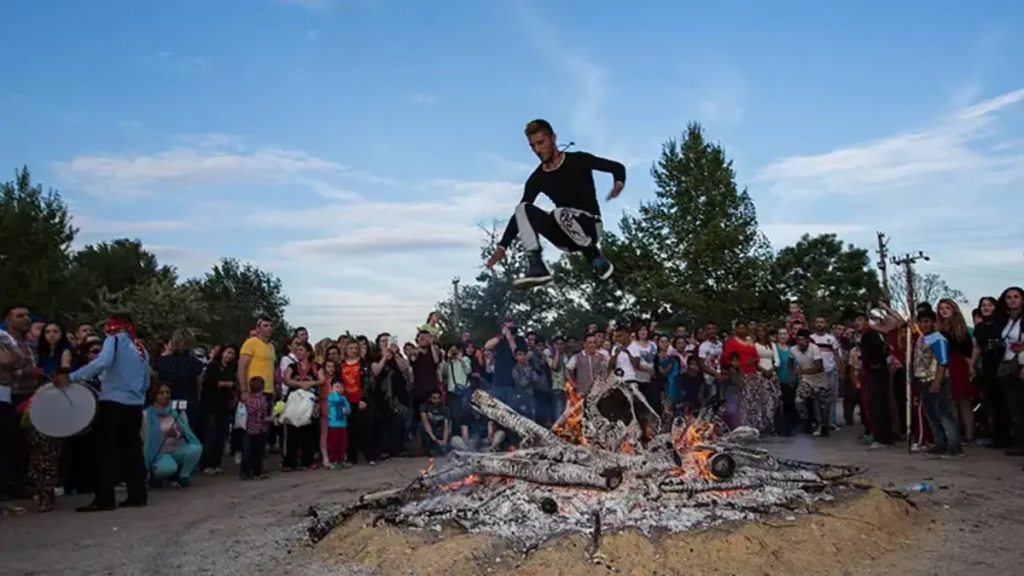
Communal bonfires are lit in parks, courtyards, and on hillsides. People line up to jump over the flames – three times, traditionally – calling out wishes or simply asking for the year’s troubles to be left behind. The fire wards off illness and misfortune, the tradition holds.
This ritual is older than Islam in the region. It echoes pre-Islamic Turkic and Indo-Iranian fire customs (Nevruz also involves jumping fire) and survives today as one of the most joyful parts of the festival.
The mantufar fortune game
A custom particularly popular among young women, mantufar (also called martifal or martaval) is a wish-and-fortune ritual. On the eve of Hıdırellez, participants drop a personal item – a ring, an earring, a coin – into a clay pot of water. The pot is sealed and left overnight under a rose tree.
The next day, the items are drawn out one by one as someone recites traditional rhymed verses (mâni). Whichever verse is recited as your item emerges is read as your fortune for the coming year.
The Hıdırellez picnic
Beyond the rituals, Hıdırellez is fundamentally a picnic festival. Families head out to green spaces near water – riverbanks, lakeshores, the Bosphorus, forest clearings – and spend the day eating, playing music, and welcoming spring. Lamb dishes are traditional, since lambs that have grazed on Hızır’s spring grass are considered especially blessed.
Where to Experience Hıdırellez in Turkey
If you want to experience Hıdırellez first-hand, here are the best places to be:
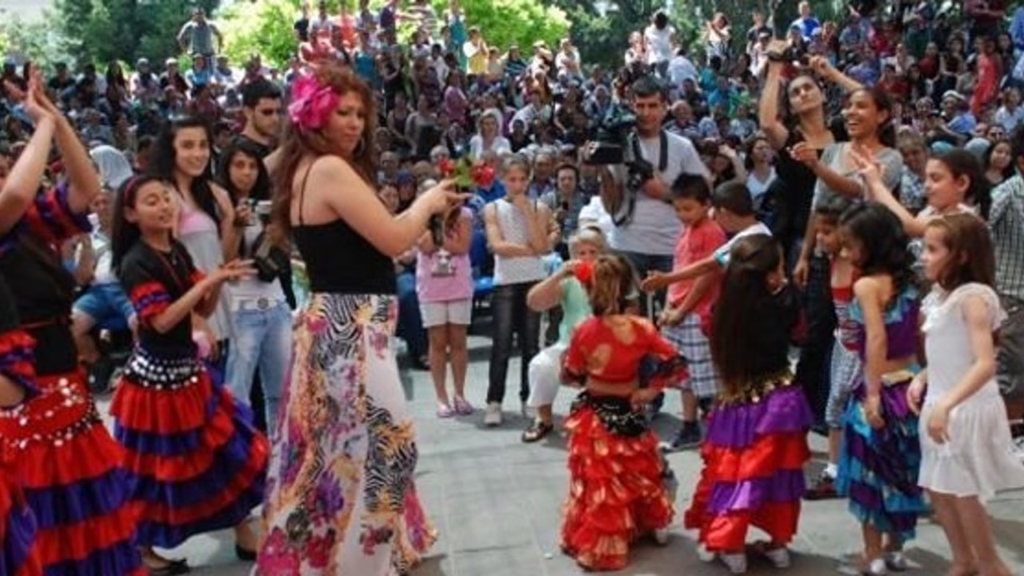
Ahırkapı, Istanbul – The most famous urban celebration in Turkey. The Romani community of Ahırkapı, in Fatih district near the Marmara shore, holds an all-night street festival with live music, dancing, and bonfires. Streets close, families spill onto the pavement, and the celebration runs until sunrise.
Edirne and Turkish Thrace – The Balkan heritage of this region keeps Hıdırellez deeply alive. Smaller towns hold communal bonfires by rivers, and the customs blend with Bulgarian and Romani influences.
Aegean villages – In rural communities around İzmir, Manisa, and Aydın, Hıdırellez retains a quieter, more agricultural character. The picnic-and-prayer format is the heart of the day.
Alevi communities – In Tunceli (Dersim), Sivas, and other regions with strong Alevi populations, Hıdırellez carries deeper religious meaning and is observed alongside related Hızır traditions.
Hıdırellez Around the World
Hıdırellez isn’t only Turkish. Versions of the festival are celebrated across the former Ottoman world and the wider Turkic sphere – from Đurđevdan in the Balkans (the Christian St. George’s Day variant celebrated by Roma, Serbs, and Bulgarians) to Aid al-Khidr in Syria and Dita e Shëngjergjit in Albania. Central Asian Turkic peoples have their own ancient spring rituals that share roots with Hıdırellez, predating the arrival of Islam.
Each version reflects centuries of cultural blending between pre-Islamic Turkic spring rites, Anatolian agrarian custom, Christian saint cults, and Islamic prophetic tradition.
FAQ
When is Hıdırellez 2026? Hıdırellez 2026 is celebrated on the night of May 5 and through the day of May 6.
What does the word Hıdırellez mean? Hıdırellez is a fusion of two names: Hızır (the immortal prophet of land and fertility) and İlyas (the prophet Elijah, associated with water). The festival marks the day the two are believed to meet on Earth.
Is Hıdırellez a religious holiday? Hıdırellez has religious roots but is celebrated today as a cultural and seasonal festival by people of all backgrounds.
What is the difference between Hıdırellez and Nevruz? Both are spring festivals, but Nevruz (March 21) marks the spring equinox and has Persian origins, while Hıdırellez (May 5–6) marks the start of summer and is rooted in Turkic and Anatolian traditions.
Why are wishes tied to rose trees on Hıdırellez? The rose is a sacred symbol in Turkish tradition, and the rose tree is believed to be visited by Hızır himself. Wishes left on its branches are thought to be carried into the spring.