Located by the strait which is called with its own name, Çanakkale is one of the golden cities of our country, replete with historical beauties. Troy remnants extant from ancient times stand in our city. As a result of the developments and victories from the Republic Period, the city was named Çanakkale. Being in the best geographical area of our country with its peninsulas, it is surrounded by Balıkesir, Tekirdağ, and the Aegean and Marmara Seas.
Situated in a transition climate, our city attracts many tourists during summer season. As it integrates a coastal stretch, the city offers complete marine products paradise. It is possible to find both fresh fish and other delicious sea products. People visiting here should definitely taste the grapes; and the wine made of those grapes. Visitors may also like to choose ceramic pottery and various handicraft products to take home.
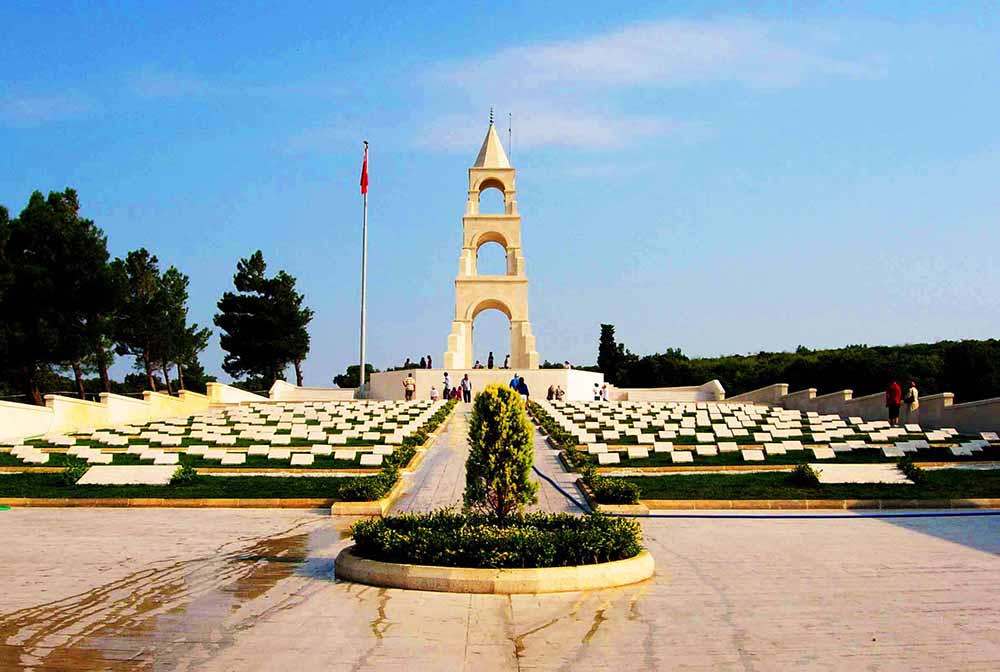
Martyrdom
Carrying sovereignties of different societies, Çanakkale keeps this development alive in its architecture and history. Societies living in Çanakkale include Circassians, Bosnians, Yoruks, Bulgarians, Pomaks, and Turkmens. Apart from them, Çanakkale residents try to maintain their own consistency and culture.
Places to Visit
Çanakkale is a city which has both historical beauties and tourist areas. Despite this, the number of tourists coming to our city is seemingly not enough. Tourist stops in Çanakkale include:
- Troy Ancient City which hosted Trojan War
- Assos Ancient City
- Gelibolu with its indispensable war
- Gökçeada
- Bozcaada
- Çanakkale Sea Museum
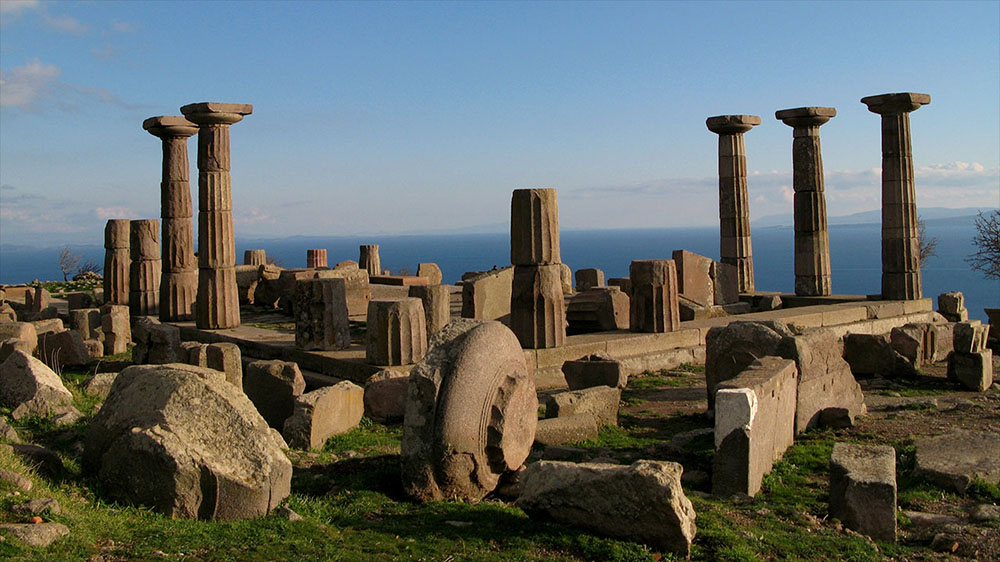
Assos Ancient City
- Aynalıçarşı
- Çanakkale martyrdom
- Çanakkale clock tower
- Kazdağı national park
- Archaeology Museum
- Biga
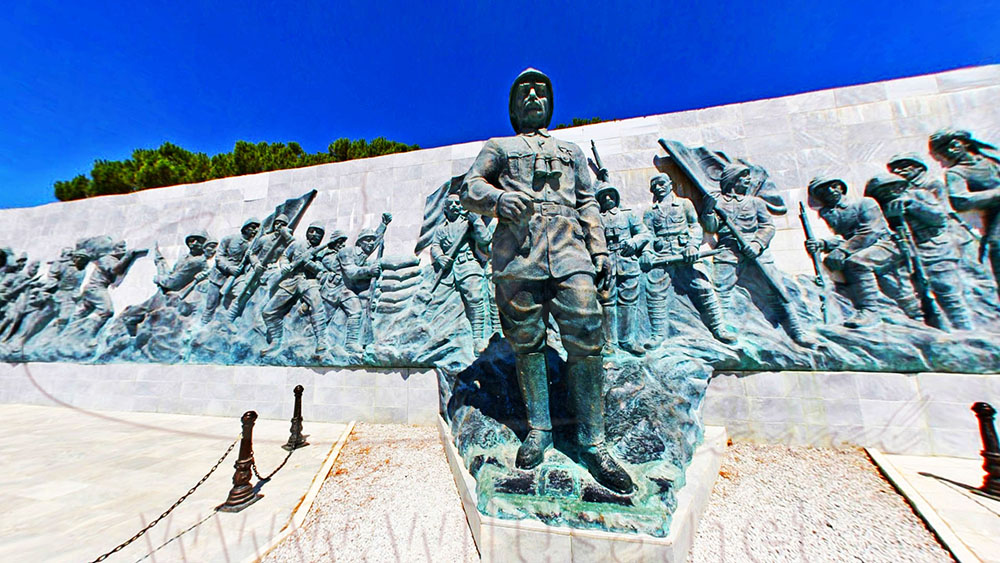
Everyone visiting here senses the past acts of martyrdom inherent to this city’s past: this city that stood as a central staging area for several wars. Visitors who sit and reflect on the grassy hills here claim they feel patriotism swell in their hearts and that they can still feel and smell themes of death and independence.
The splendid view of the strait brings a new dimension to the tourist aspects of Çanakkale Troy city. Wooden horse and the ancient city are two symbols of this place. The heart of the city lies under the foothills of Kaz Mountain. Bozcaada and Gökçeada are also iconic parts of Çanakkale. These places host some remnants from the Roman Period. Yalı Mosque, Alaybey Mosque, and Köprülü Mehmet Paşa Mosque are among the mosques built in the city. Hisarlık Hill which, located behind Morto Bay, is an area that offers visitors the chance to see memorials and monuments to dead soldiers. Honored by the words of Mustafa Kemal Atatürk, this place is definitely a must-see.
Situated in a transition climate, our city attracts many tourists during summer season.
If you go to Çanakkale and want to get away from the noise of the city, you can go to areas near Mount Kaz. The beauty of Kaz contains mythological stories in itself. With its relaxing green areas and splendid views, Kaz Mountain lies within Çanakkale and Balıkesir cities.
How to Get There
People who want to go to the city may prefer bus terminals. Land transportation to both city center and towns is available. It is also possible to travel to the city via the sea, and thanks to the airport, this city, drenched in history dating back to historical places like Troy, can be visited with shorter travel time.