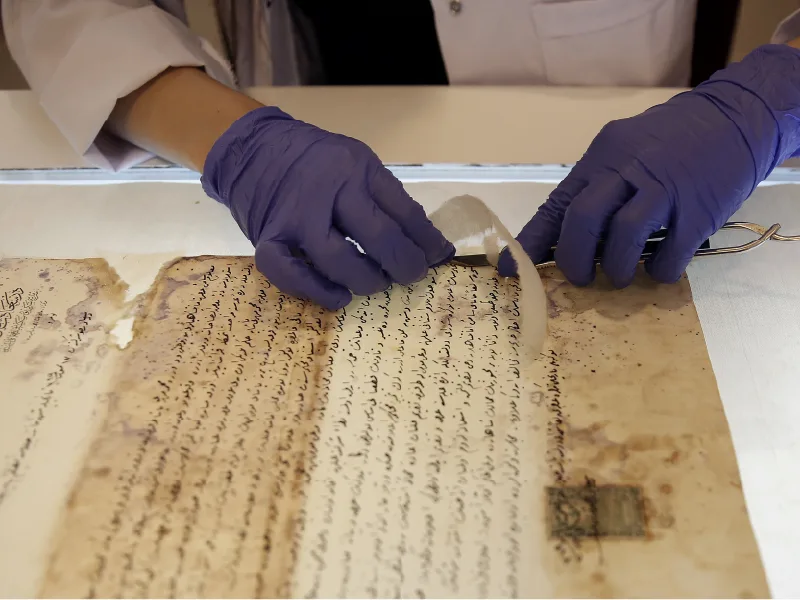
We know you are already familiar with the fact that first animal hospital in the world was built on the fertile soil of Anatolia. What about a book hospital? Yes, there is one in Istanbul! Books are far more than ink on paper -they are silent witnesses to the past, carriers of knowledge, culture, and spirit across the ages. But time is rarely kind to these fragile vessels of memory. Wear, decay, and neglect can slowly erase their stories. That’s precisely where the Süleymaniye Book Hospital steps in- a sanctuary for ancient manuscripts and rare works, entrusted with the mission of restoring and preserving them for generations to come.
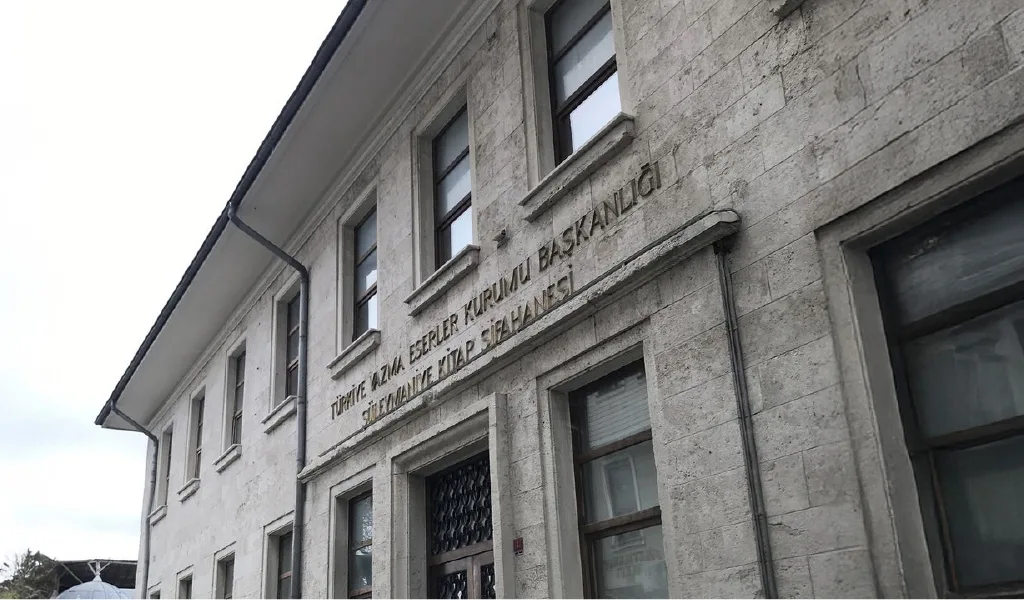
Located within the historic Süleymaniye Medical Madrasa, originally designed by the great Ottoman architect Mimar Sinan, the book hospital combines traditional craftsmanship with state-of-the-art conservation techniques. It not only repairs centuries-old manuscripts but also digitizes them to ensure their survival in the digital age. This unique facility continues to serve as a treasure trove for researchers, historians, and art lovers who seek to touch the past through its well-preserved pages.
A Legacy of Restoration: From 1956 to Today
The origins of manuscript restoration at Süleymaniye date back to 1956, when the “Bookbinding and Pathology Department” of the Süleymaniye Manuscript Library began restoring valuable hand-written works. Despite the limitations of the time, countless irreplaceable texts were saved from oblivion.
In 2012, this vital mission was transferred to the newly established Süleymaniye Book Hospital, which took up residence in the historic madrasa building. Ever since, the hospital has been a healing ground for damaged books- meticulously treating their wounds and preparing them for a new life.
A Cross-Institutional Effort to Save Cultural Heritage
The Book Hospital restores manuscripts from a variety of distinguished institutions, including:
- Süleymaniye Manuscript Library
- Millet Manuscript Library
- Istanbul Archaeology Museums Library
- Hagia Sophia Museum Library
- Beyazıt Manuscript Library
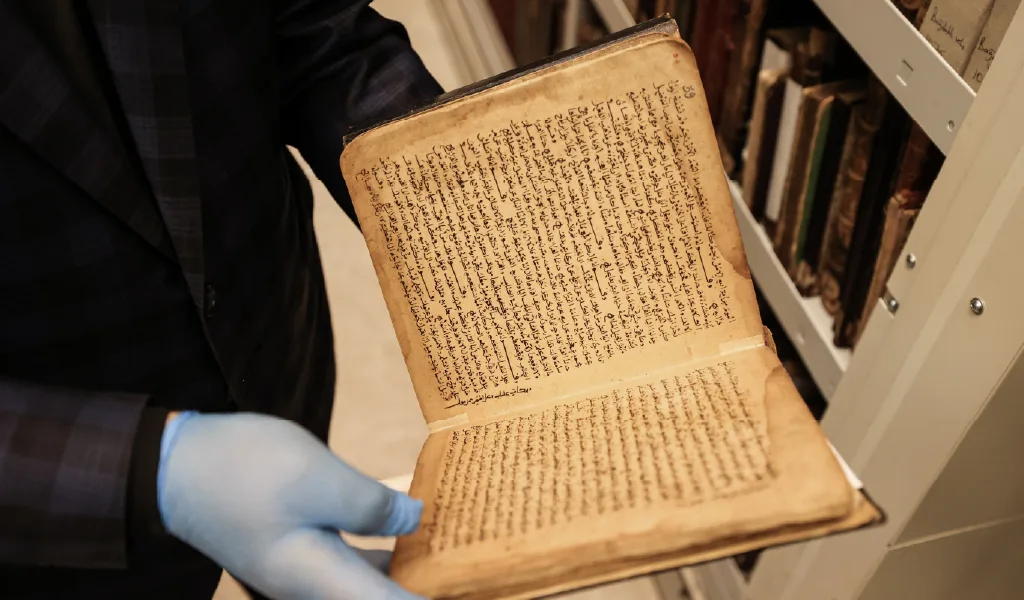
Among the works treated here are rare single-copy manuscripts from the 10th to 12th centuries, Ottoman-era texts, and early printed books from the dawn of the printing press. Treasures include Qur’an manuscripts penned by master calligraphers of the Mamluk period, divans and mesnevis of classical Turkish poets, as well as illustrated and illuminated works in fields like medicine, astronomy, geography, and history.
Each manuscript is a masterpiece in its own right, adorned with calligraphy, miniature paintings, and gold leaf embellishments that require the utmost care during restoration.
The Restoration Process: Where Art Meets Science
The journey to revival begins with pest removal -books are wrapped in stretch film and frozen at -40°C for 24 hours to eliminate larvae and insects. They are then distributed among conservators for detailed analysis.
Each conservator is responsible for the entire restoration process of a single book. The physical, chemical, and biological condition is assessed, documented, and photographed. Restoration plans are carefully drawn up based on these evaluations.
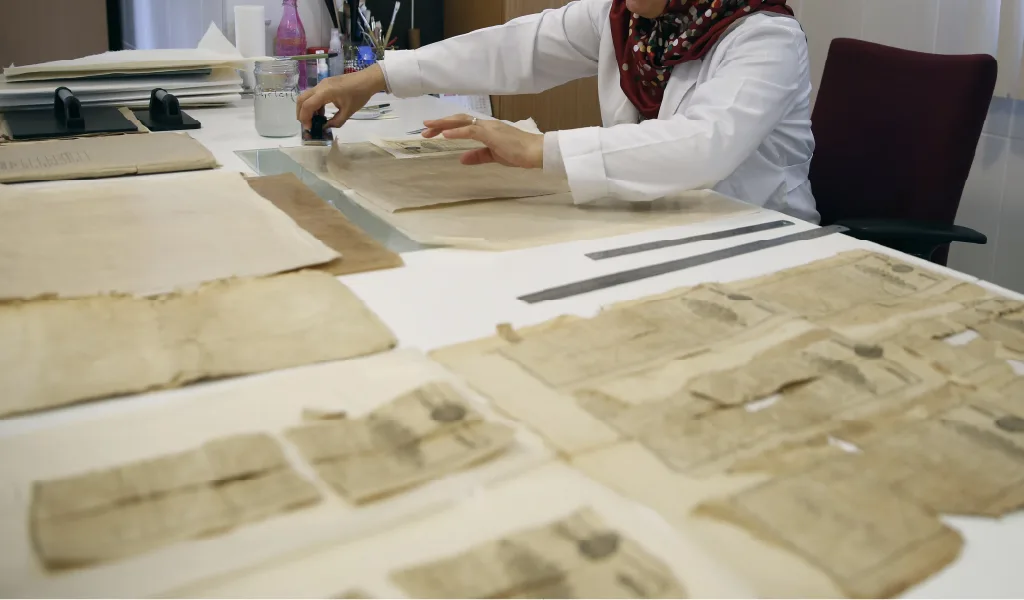
- Tears are mended with Japanese restoration papers,
- Mold or mildew is cleaned with special chemical solutions,
- Water damage and acidification are reversed through neutralization,
- Missing pages or bindings are reconstructed using period-appropriate materials,
- Dust and grime are gently removed using brushes and soft vacuum devices.
Old leather covers are treated with natural leather conditioners, while modern books are reinforced with appropriate binding materials. Importantly, restorers use natural adhesives and dyes to avoid damaging original materials.
Preservation Beyond Repair: Long-Term Safeguarding Measures
Restoration is only half the story; preservation is the other. Once repaired, books are housed in custom-made boxes or envelopes made from acid-free, alkaline-buffered cardboard, designed to shield them from humidity, light, and temperature fluctuations.
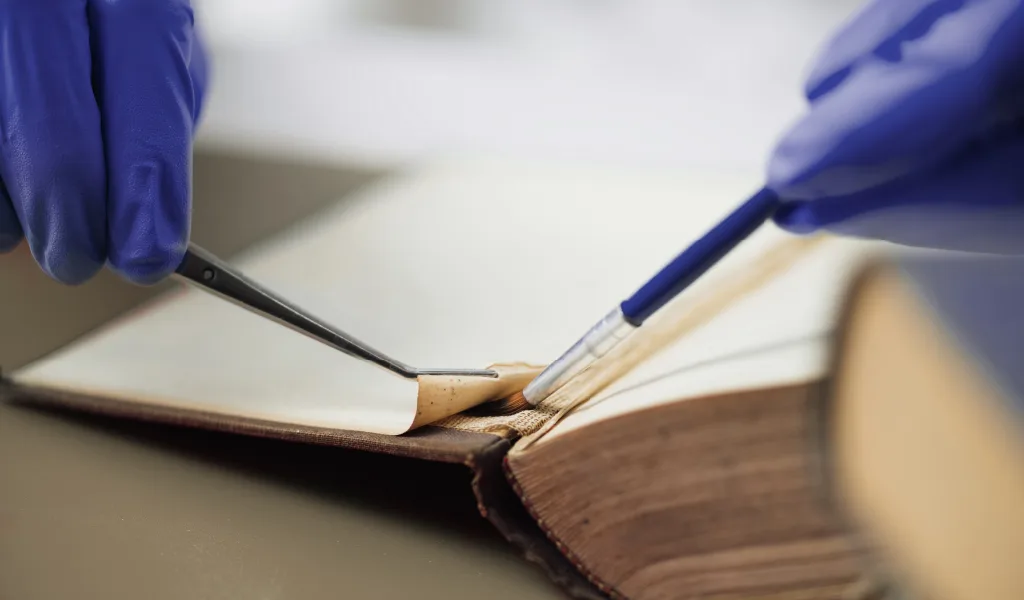
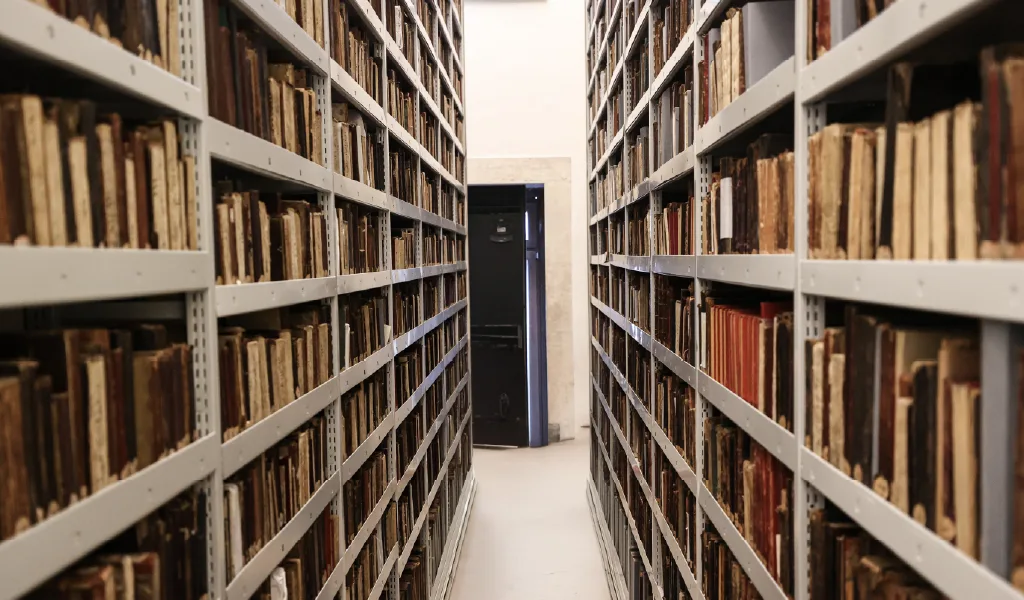
These archival containers are then delivered to their respective libraries, where the books are stored in earthquake- and fire-resistant vaults to further protect them from environmental threats.
Bridging Past and Future: The Role of Digitization
To ensure easier access and prevent wear from frequent handling, the Book Hospital is also involved in meticulous digitization projects. High-resolution digital copies of manuscripts are created and archived, making it possible for scholars around the world to study them without physically handling the originals.
By embracing both ancient techniques and modern technology, the Süleymaniye Book Hospital stands as a beacon of cultural preservation: where knowledge, artistry, and history are kept alive and breathing.