Located in the eastern part of the Mediterranean region of Turkey, Osmaniye has become the 80th province. Osmaniye was home to many civilizations like Hittite, Roman, Cappadocia, and Cilicia. For this reason, you can come across a rich history and a deep culture in the city. Osmaniye is located in the south of Kahramanmaraş, east of Adana, north of Hatay, and west of Gaziantep.
Climate and Local Cuisine
In general, the effect of the Mediterranean climate is seen in Osmaniye, but in the winter, the city is cooler than the Mediterranean, and the summers are hot and dry. The average temperature of the city is 18 degrees. Especially in the spring, summer, and autumn, you can walk easily.
Osmaniye Cuisine combines the characteristics of Southern and Eastern cuisines on the one hand and Mediterranean on the other. The local kibbeh (içli köfte) and lentil patties (mercimekli köfte) of Osmaniye, which is a rich tableware culture, are extremely famous. In addition, raw meatball (çiğ köfte) is also famous with herbs. You can find a different taste with seasonal herbs like vinegar, wrap, and bulgur pilaf. Tirşik, toğgar, meat kömbe, batırik, çakıldaklı are the different delicacies of the city.
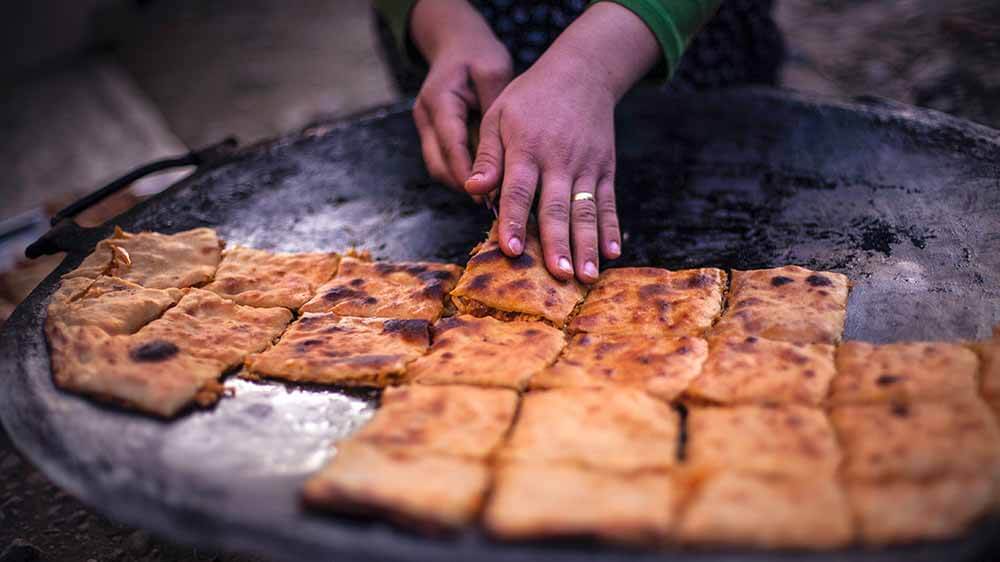
Traditional Osmaniye Kömbe
Places to Visit
- Kadirli Ala Mosque: Located in Kadirli district of Osmaniye, Ala Mosque was built during the period of Dulkadiroğlu Reign. From the architectural point of view, it carries the traces of the Roman, Byzantine, and Seljuk civilizations.
- Kastabala Ancient City of Hierapolis: We encounter ruins of different civilizations, starting from Hittites to Romans. The columns in the late Roman period are still open to visitors.
- Karatepe Aslantaş National Park: The National Park and open-air museum in Kadirli district has plentiful flora and fauna. You can also trek in National Park and set up tents in camping and picnic areas.
- Haruniye Fortress: The fortress, which was built in the 8th century after the Abbasid period, is in Düziçi district.
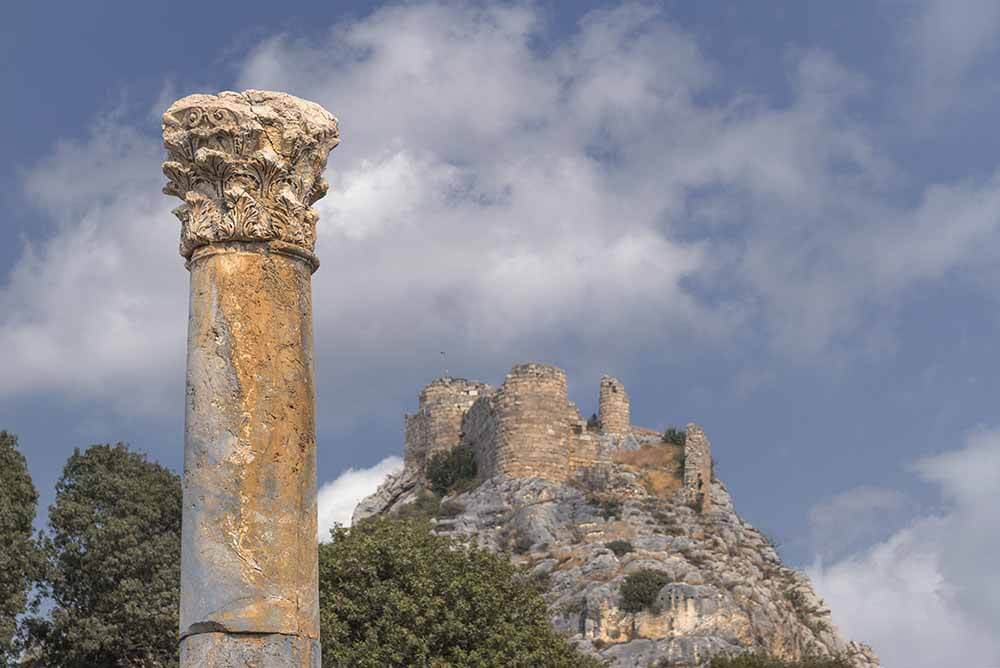
Ancient city of Castabala Hierapolis.
- Kırmıtlı Birds’ Sanctuary: located in Kırmıtlı Village. Ceyhan river bed are located here. Every year dozens of kinds of birds come here. You can come here from Osmaniye by bus which goes to Kadirli district.
- Osmaniye Thermal Springs
- Maksutoğlu Plateau: There is beautiful scenery and wooden houses to be found in the mountainous plateau.
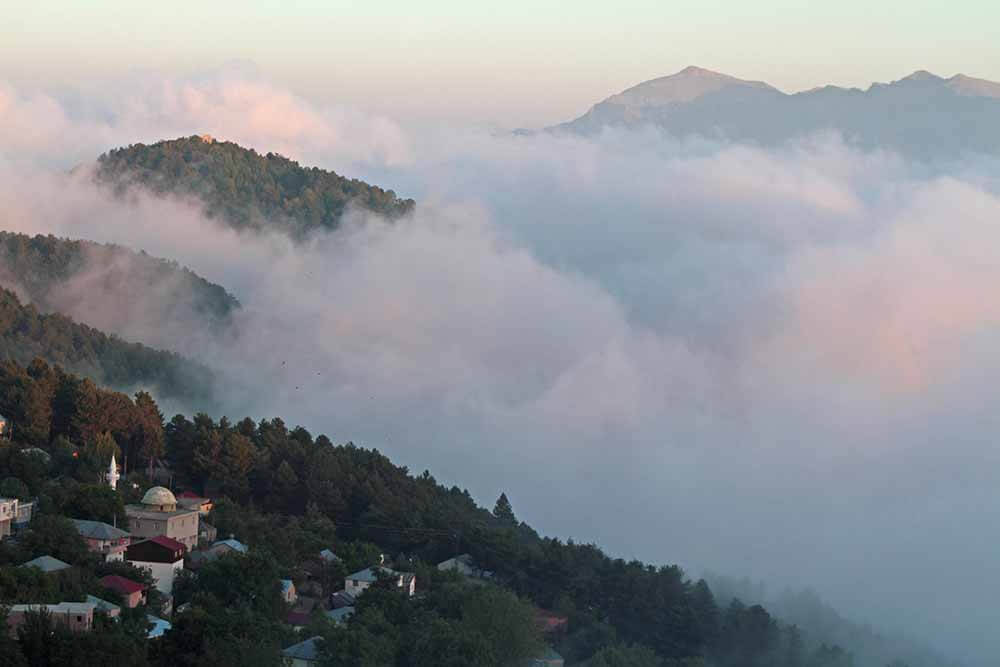
Morning mist in Osmaniye highlands
Festivals
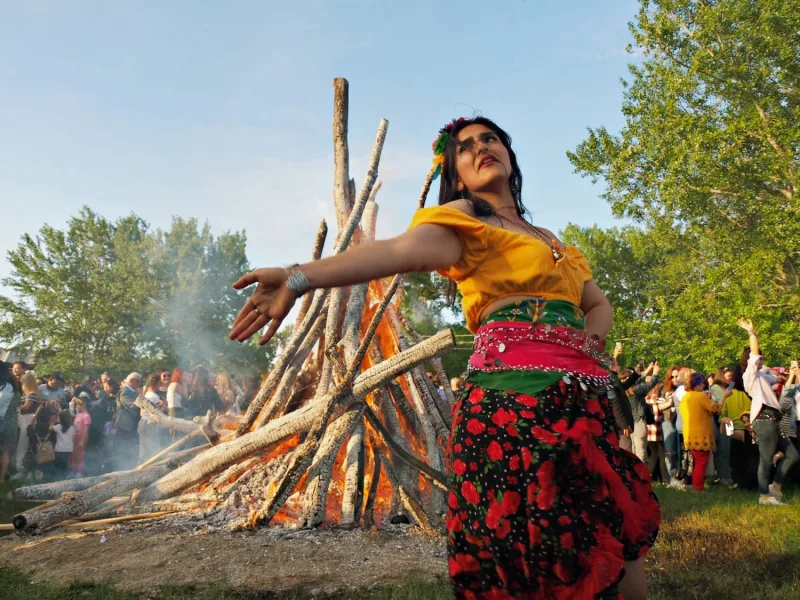
Each year in June, the Cherry Festival is organized in Osmaniye. In May, a Trap Shooting competition is held. Zorkun Plateau Festival, Karaoğlanoğlu Marathon are held in July and August. The Peanut Festival is held in September. The Turkish Festival is held in January, and the Karacaoğlan Festivals are held in March.
How to Get There
You can go to Osmaniye by land, air, and railway. If you want to go by air, you can choose the Adana Airport or the Gaziantep Oğuzeli airport. After you reach İskenderun by sea, you need to add a 75-kilometer highway trip. From Adana, Hatay, Gaziantep, and Mersin, you can reach the city in an average of 1 or 1.5 hours by road.