With counties such as Bünyan, Develi, İncesu, Tomarza, and Talas, Kayseri Province ranks third in industry in the Central Anatolia Region. Offering a contemporary lifestyle in the foothills of Erciyes Mountain, Kayseri is located among Adana, Niğde, and Nevşehir cities. Established during the Hittite Period, our city reflects history with its different areas.
Kayseri is located in an area rich in agriculture, husbandry, and mines. Apart from that, the main means of livelihood in our city is industry. Several precious metals, such as gold, copper, and zinc, are extracted from mines across Kayseri. Legumes constitute the major part of agriculture, and the province is not rich in forests (which is why forest products like timber cannot be manufactured here).
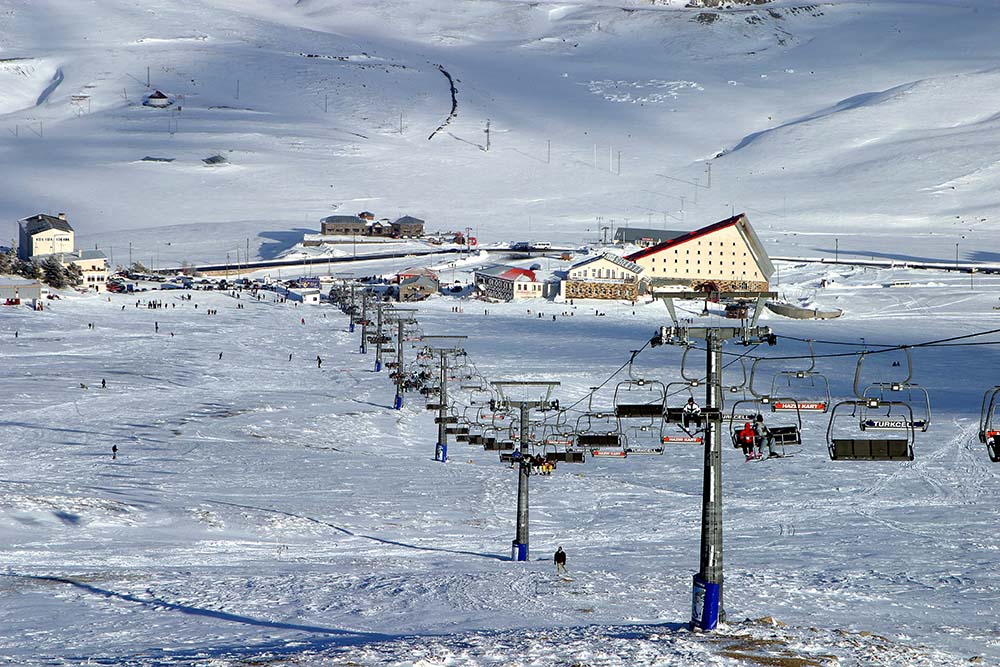
Mount Erciyes ski area
Trade history and economic development of our province dates back to before the Common Era. Kayseri was one of the most important trade centers of the world during those centuries. Having shown industrial development, our province has an important role in export today.
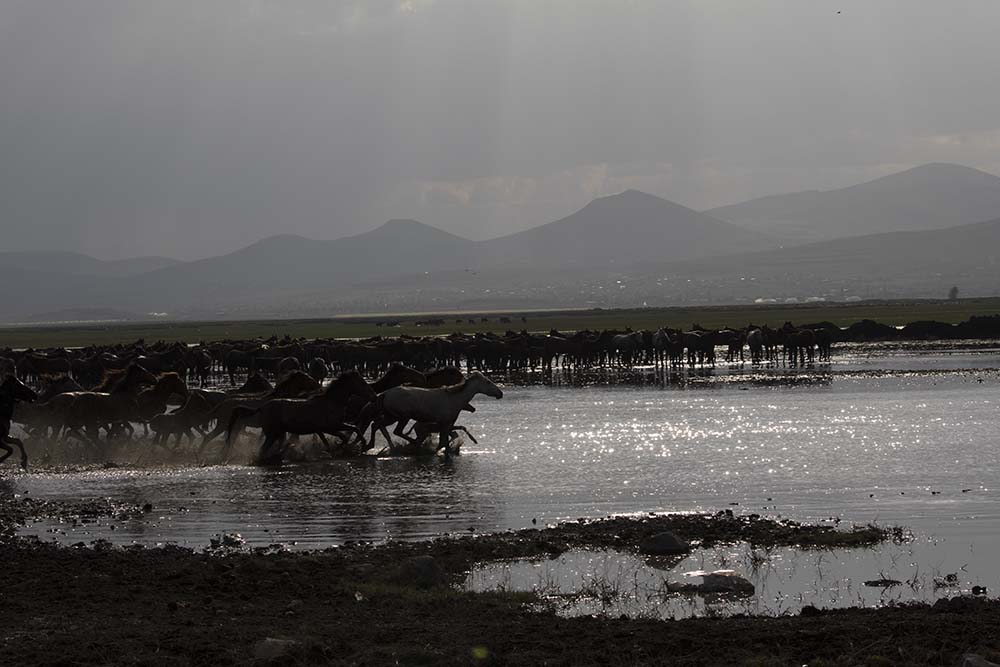
The province is not rich in forests.
Places to Visit
There are several wonderful, must-see places in Kayseri. These historical and natural beauties include:
- Erciyes Mountain: With its famous powder snow, Kayseri is a convenient area for skiing. Apart from skiing, the province is one of the leading health tourism areas. With its soft, clear air and rich mineral water, these places can be used to solve health problems.
- Kıranardı City Forest: It is one of the natural trekking and sports areas.
- Kapuzbaşı Waterfalls
- Sultansazlığı: It is one of a number of bird shelter areas in our country and the world. Dozens of bird types have been identified in this important wetland, and the place is very popular for birdwatchers.
- Hacer Valley: It has an amazing view with steep slopes and natural vegetation.
- Avgunlu Madrasa
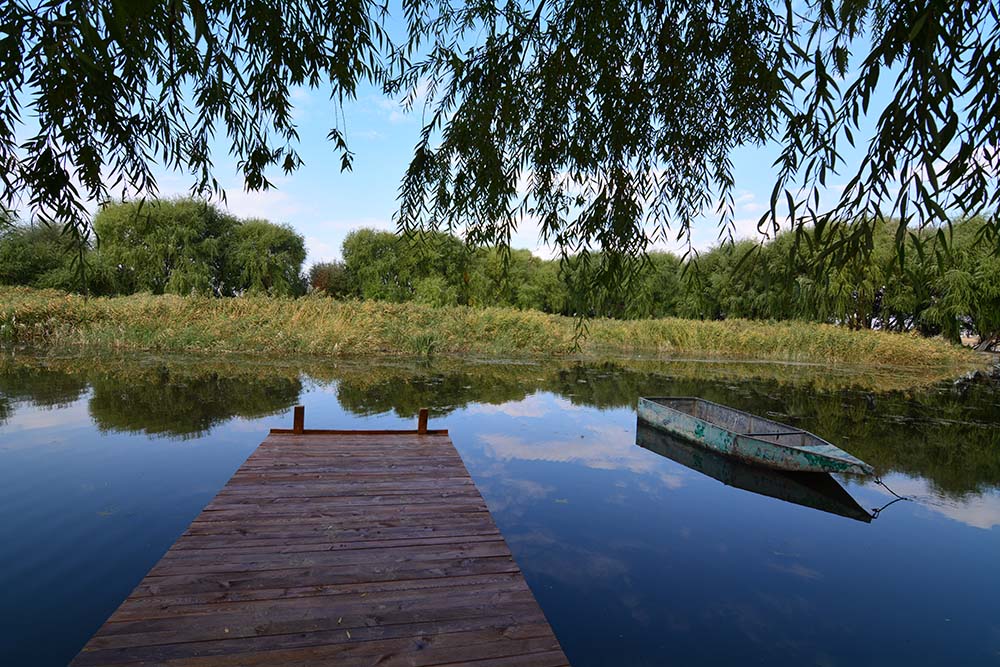
Sultan Wetlands
- Hunat Hatun Madrasa
- İmamkulu Monument
- Şeker Lake: The most important view of a mansion from the Ottoman Period comes to you at this lake. It attracts tourists with its history and natural beauty.
- Şahruh Bridge
- Erdemli Ruins
- Kent and Mimar Sinan Museum
- Melikgazi Castle
- Kayseri Archaeology Museum
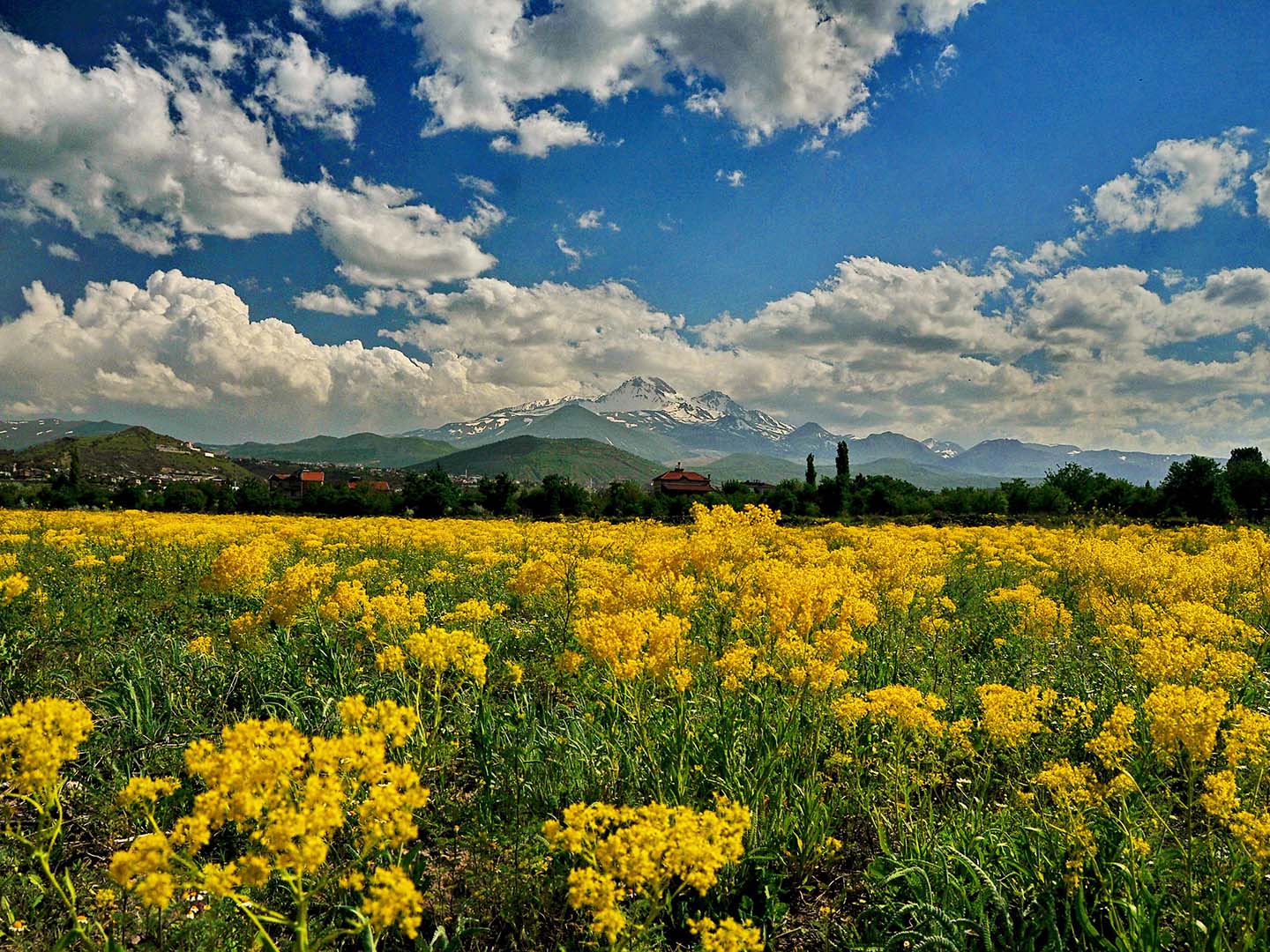
Towards Mt. Erciyes
Cuisine
Kayseri Mantı (a Turkish type ravoli) has a special place in our cuisine. Besides that, pastrami and soudjouk are main elements of the food culture here. The most famous dishes of Kayseri are kesme soup, tandouri filled pastry, güveç, arabaşı, dishes with egg, grape dish, meatballs, fırın ağzı, baklava, stuffed figs, pehli, and karın mumbar.
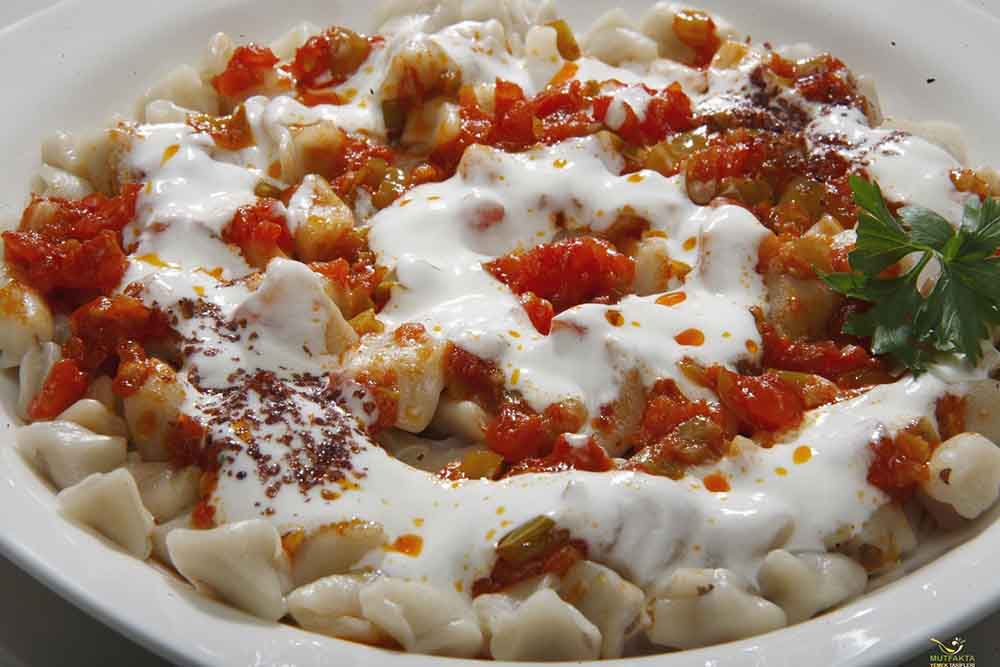
Kayseri dumpling
How to Get There
Kayseri province is in a advantageous location in terms of transportation. West-east and south-central linked railways pass through Kayseri. As both a cheap and safe option, railway transportation can be ideal for travelling to the city. Apart from that, highway and air options are also available.