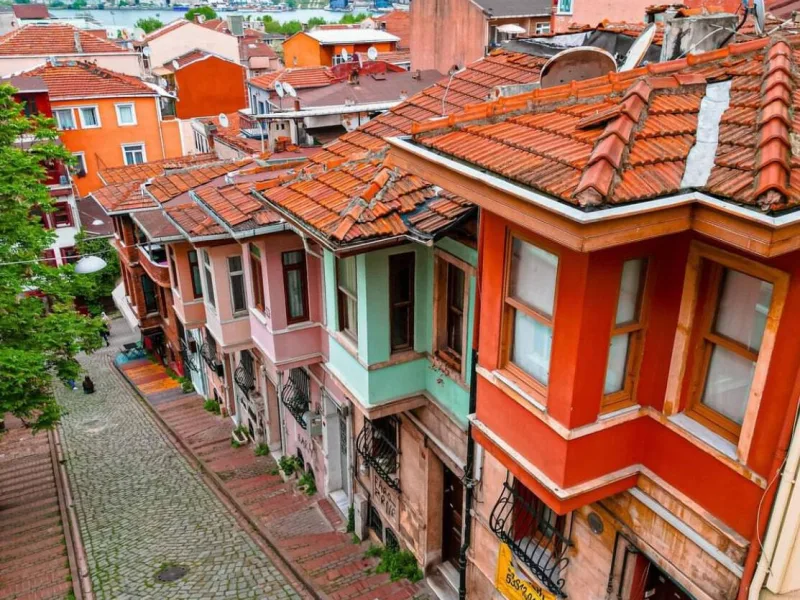
Every district in Istanbul is like a living history book, containing unique stories and authentic textures. Walking through this cosmopolitan metropolis, you can touch traces of many cultures that have lived here for centuries. Especially the shores of the Golden Horn stand out as a significant route that reveals the city’s most enchanting and colorful history. The jewel of this magical region, the Balat neighborhood, offers a unique experience for history and culture enthusiasts.
Strolling through Balat’s historic streets, you are not just visiting a neighborhood made of stone and brick; you are also listening to stories from centuries ago. For example, the legend that the name “Balat” comes from the Greek word “palation,” meaning “palace,” vividly brings to mind Byzantine emperors slowly sailing along the Golden Horn towards their palaces. At that time, the morning light reflecting on the Golden Horn shimmered on the sails of the emperors’ boats, and the narrow streets of the neighborhood respectfully greeted them.
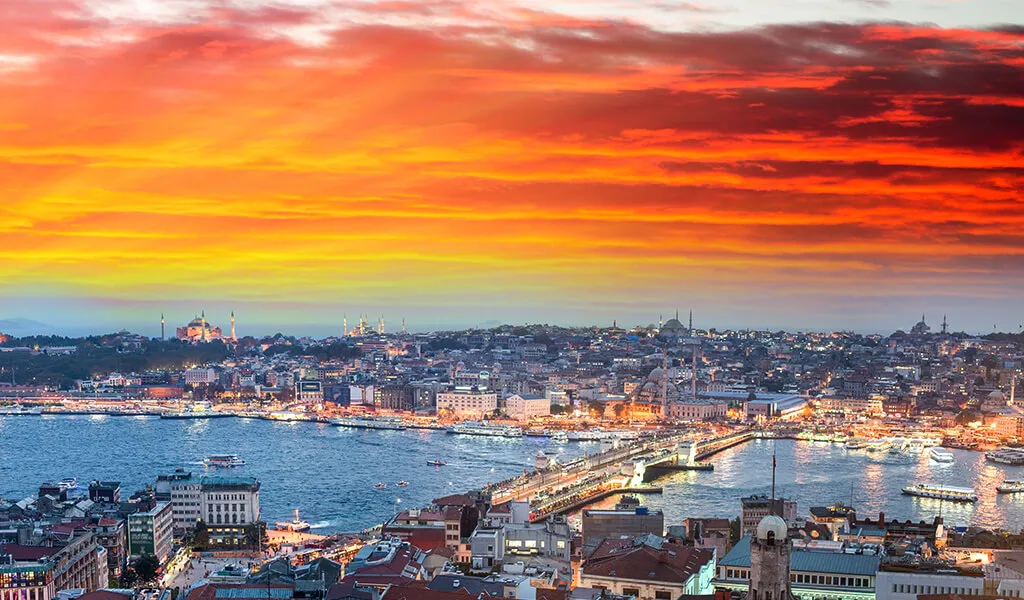
According to another story, during the Ottoman era, Sephardic Jews settled in Balat after being expelled and persecuted. When they first stepped into the neighborhood, they started their new lives full of hope and determination. On their first nights, they believed the cool breeze from the Golden Horn promised them freedom and a hopeful future. Since then, the doors of their synagogues have always remained open; serving not only as places of worship but also as centers of solidarity and culture.
At the same time, the sounds of the court that was once held in the courtyard of the Ferruh Kethüda Mosque -designed by Mimar Sinan– carry the excitement and worries of those who gathered here to maintain justice in the neighborhood. Every stone and arch stands as a silent witness living history, woven into Balat’s fabric.
The Origin of the Name Balat: Following the Palace
The name Balat is believed to derive from the Byzantine Greek word “palation,” meaning “palace.” According to legend, Byzantine emperors used to pass through Balat by sea while traveling to the Blachernae Palace located outside the city. This route is said to have given the neighborhood its name. Thus, throughout history, Balat has functioned as a gateway to the palace.
The Settlement of the Jewish Community in Balat
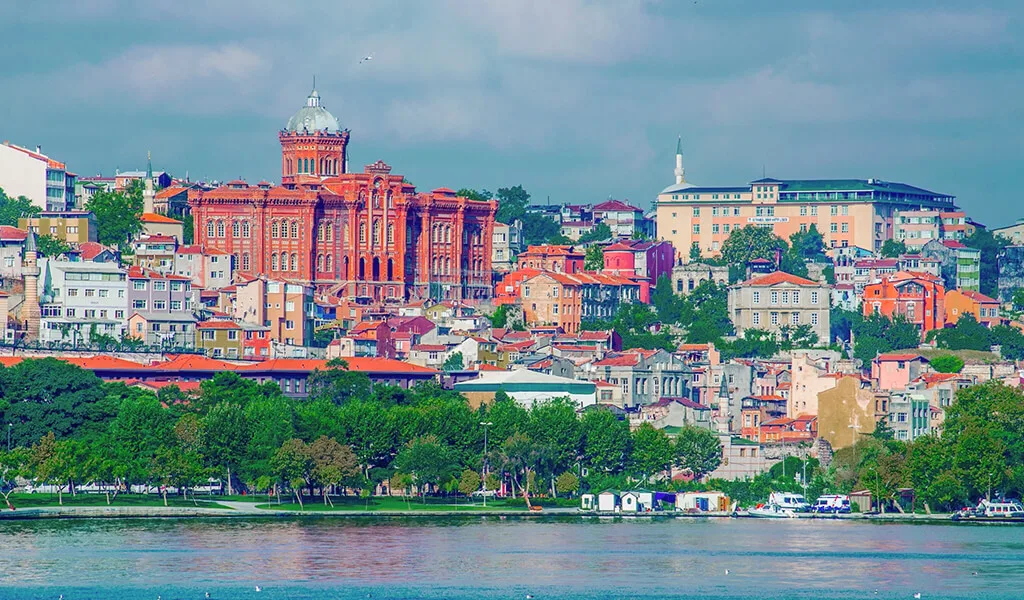
During the Ottoman period, Balat and the adjacent Fener district became one of the most densely populated areas for the Jewish community. After the Reconquista in Spain, Sephardic Jews, protected under Sultan Bayezid II, were brought by ships to this region. Balat, situated on the shores of the Golden Horn, became their new homeland. This migration left deep cultural imprints on the neighborhood.
Historic Synagogues: Ahrida and Yanbol
The Ahrida Synagogue in Balat is named after the Jewish community from Ohrid in Macedonia and was built in the 15th century. As the largest synagogue in Turkey, Ahrida is notable for its rich interior decorations and historical atmosphere.
The Yanbol Synagogue was constructed in the 18th century for the community from Yambol in Bulgaria and has a capacity of 300 worshippers. Both of these buildings are important parts of Balat’s cultural mosaic.
Armenian Heritage: Surp Hreşdegabet Church
Balat has not only been home to Jewish communities but also to Christian congregations. The Surp Hreşdegabet Church was established around 1620 on land allocated to the Armenian Gregorian community. Despite suffering damages from fires and undergoing restorations, the church continues to bear witness to the neighborhood’s history.
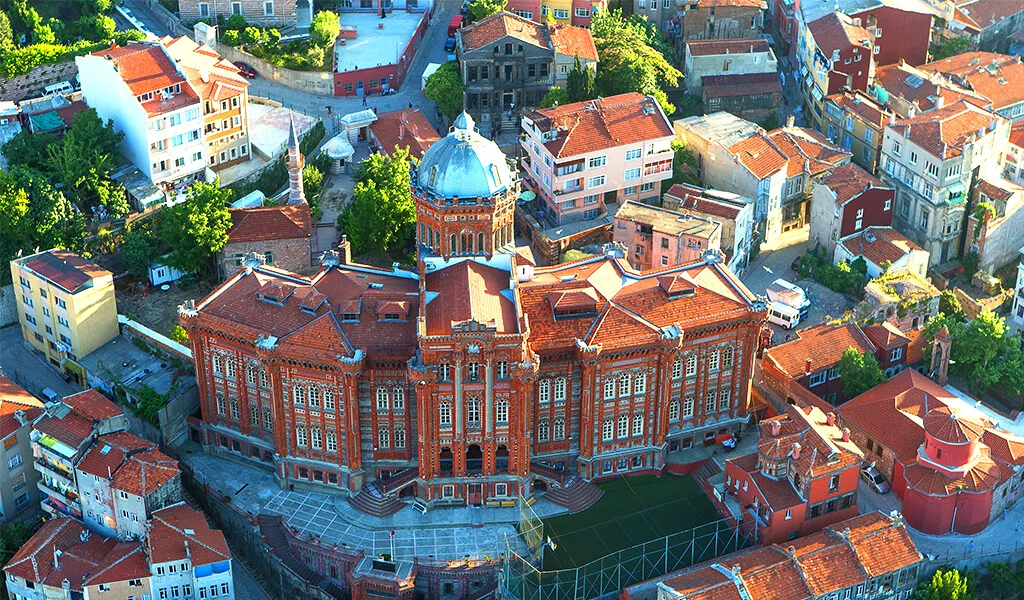
The Iron Church: Sveti Stefan
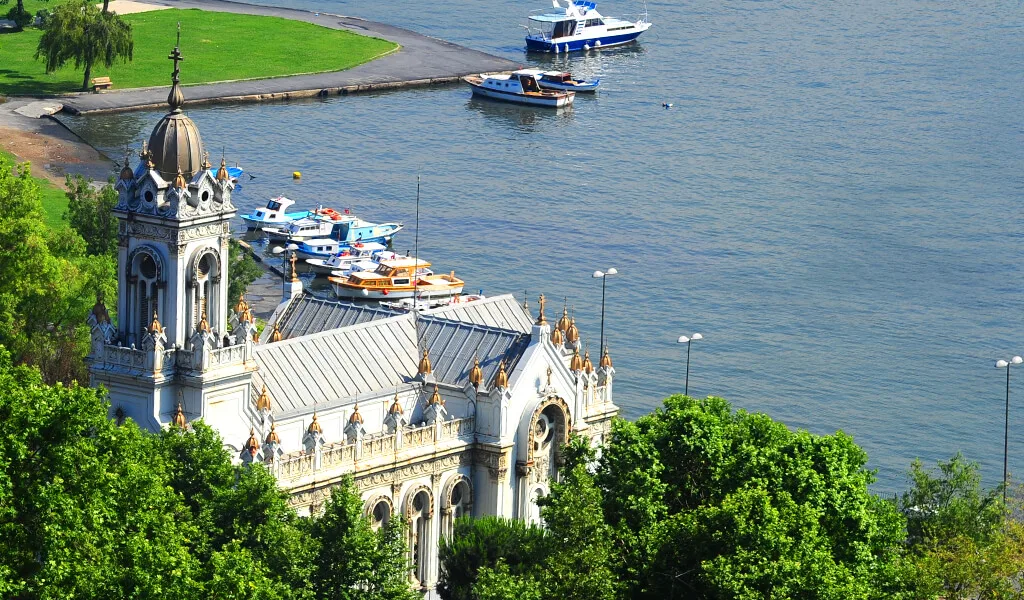
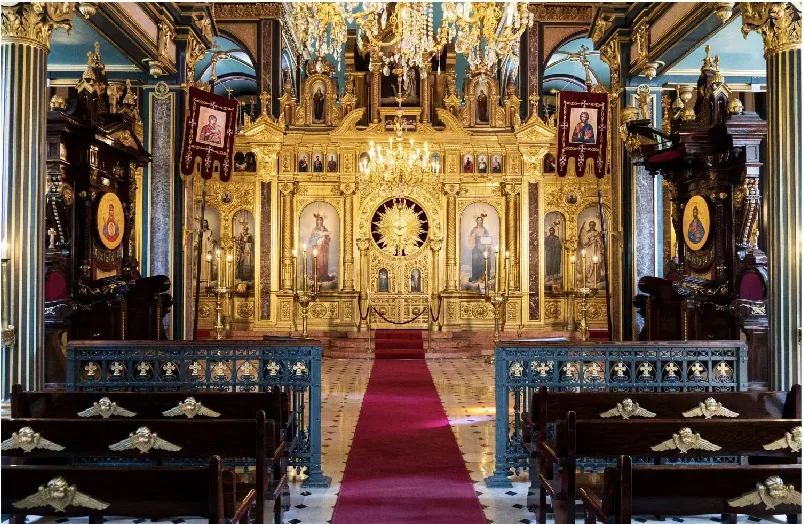
Sveti Stefan Church, one of Istanbul’s historically and architecturally significant buildings, is located in the Fatih district between the neighborhoods of Fener and Balat, along the shores of the Golden Horn. Restored and reopened to visitors in 2018, the building is popularly known as the “Iron Church.” Its history begins with the first wooden church built on land donated by Stefan Bogoridi, a Bulgarian statesman who served in the Ottoman Empire, which was inaugurated with a Slavic ceremony in 1849. The wooden structure was later replaced by a new building either due to fire damage or because the Bulgarian community sought to establish an independent church apart from the Greek Orthodox Patriarchate of Fener.
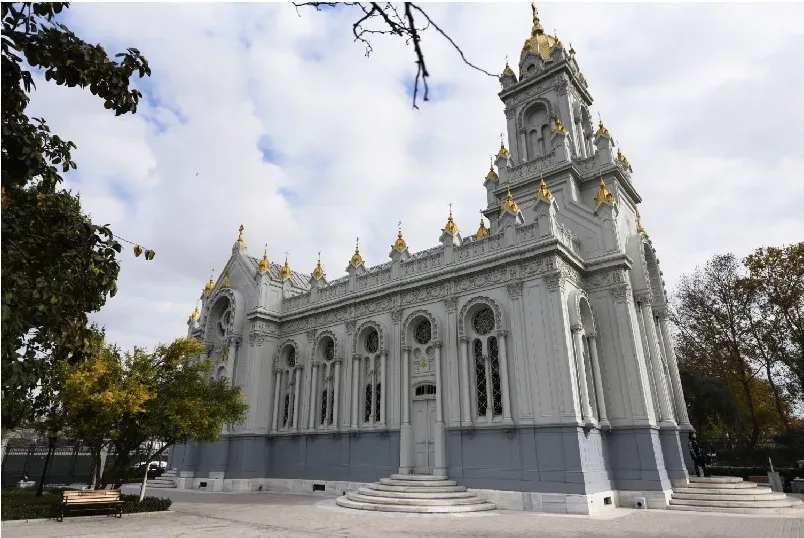
The church’s entire exterior; including stairs, bell tower, and window frames; is made of iron, requiring 500 tons of iron in total. Its parts were initially assembled in the garden of the Rudolf von Wagner company in Vienna, then dismantled and transported by ships via the Danube and the Bosphorus to Istanbul, where they were reassembled on the Golden Horn shore. The church was consecrated in 1898 by Exarch Joseph and opened for worship. Sveti Stefan Church is the only surviving iron church in the world, as others of its kind have disappeared over time. The church features a 40-meter-high bell tower above its entrance and three domes with six bells cast in Yaroslavl, Russia. With a capacity of 300 people and a history spanning 124 years, it is also one of the world’s first prefabricated buildings.
A Work of Mimar Sinan: Ferruh Kethüda Mosque
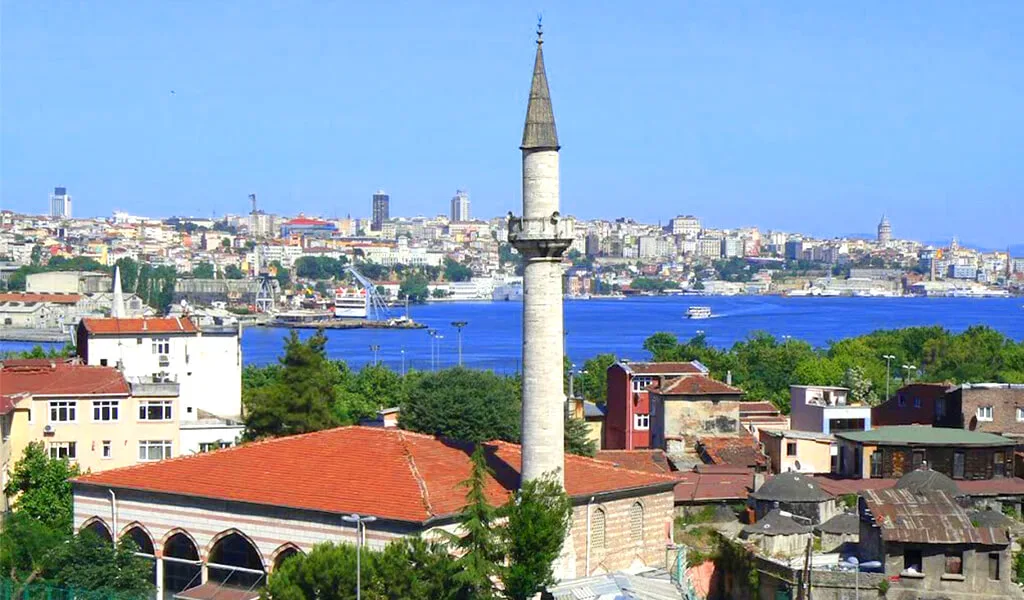
Located on the inner side of Balat Pier, the Ferruh Kethüda Mosque was built by Mimar Sinan, one of the greatest masters of Ottoman architecture. Although originally planned as a large complex, today only the mosque and a fountain have survived.
An interesting detail is that the Balat court was once held in the mosque’s courtyard, highlighting the social importance of this place in the neighborhood’s life.
Balat Streets: A Living Testament to Cosmopolitanism
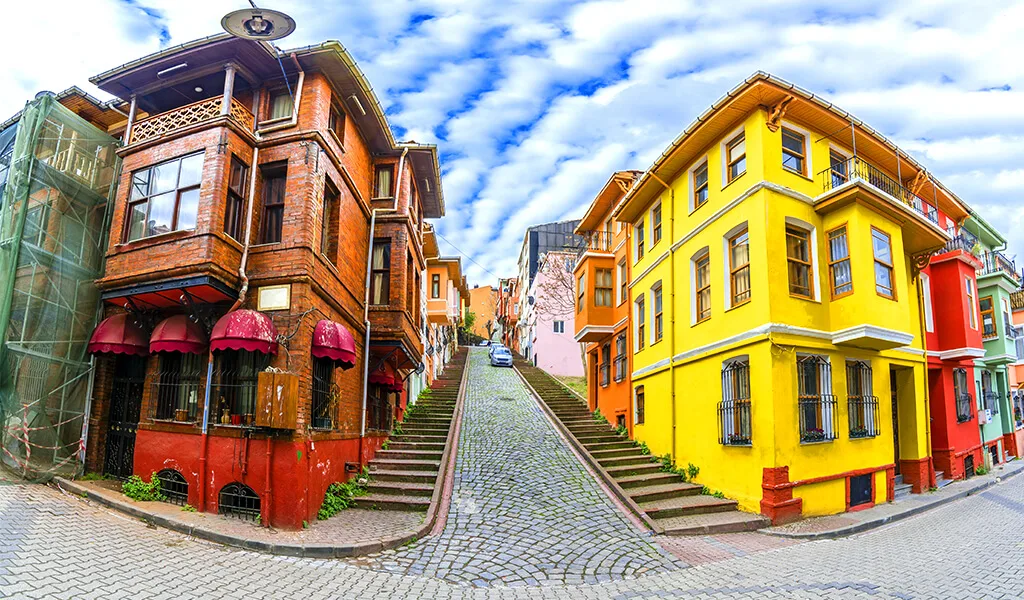
Balat’s narrow, stone-paved streets reflect Istanbul’s historic cosmopolitan structure, where different religions, cultures, and traditions have coexisted. Walking here, you witness traces of diverse cultures and stories behind old buildings and colorful houses at every corner.
A Paradise for Photographers and Architecture Enthusiasts
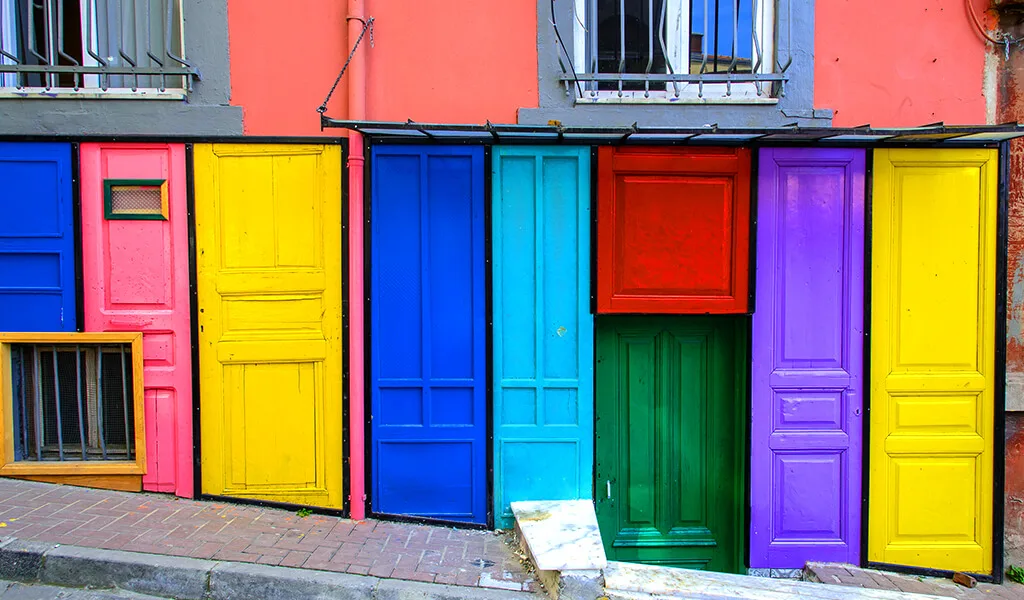
Balat is an ideal place for those who want to experience the atmosphere of old Istanbul, architecture lovers, and photography enthusiasts. The authentic colors of historic houses, graffiti, small cafes, and bazaars add vibrancy and photogenic charm to the neighborhood.
Ottoman-Era Bathhouses
There are many Ottoman-era bathhouses in Balat, many of which still operate today. Among them, the oldest is the Balat Çavuş Bathhouse, believed to have been built during the reign of Sultan Mehmed the Conqueror or Sultan Bayezid II. These bathhouses complete the region’s history both architecturally and culturally.
Balat Bazaar and Colorful Shops
Balat’s historic bazaar draws attention with its colorful shops from different eras and streets that preserve the old neighborhood texture. The famous Agora Tavern inside the bazaar is a popular spot for both locals and visitors.
Also, the phrase “Çıfıt Çarşısı” (Jewish Bazaar) actually originates from this bazaar in Balat, reflecting the neighborhood’s cultural diversity in everyday language.
Modern Balat: A Blend of History and Contemporary Life
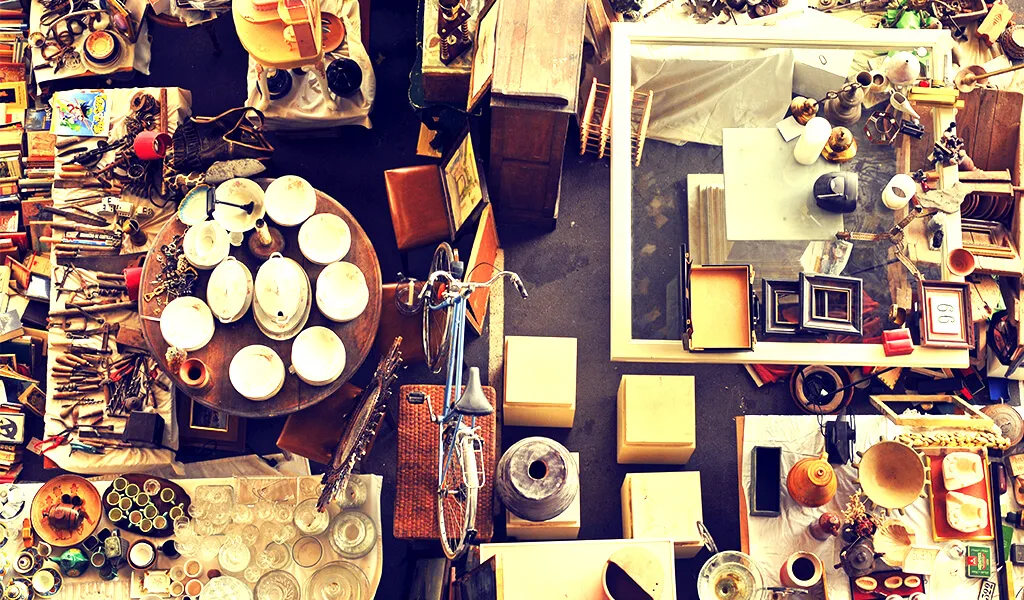
Today, Balat preserves its historic texture while embracing the energy of modern life as a lively neighborhood. Art galleries, handicraft workshops, and vintage shops opened among the colorful houses add an artistic vibe to the area. The graffiti decorating the walls of old Balat houses are contemporary marks left by young artists.

While wandering through Balat’s bazaar, you can pass by historic shops and sit in modern cafes to enjoy your fresh coffee in a warm atmosphere. Particularly, the Agora Tavern is not just a tavern but also a hub of cultural gatherings, conversations, and live music, reflecting the spirit of the neighborhood.
The Ottoman-era bathhouses still in operation are an important attraction for both history and health tourism, offering a unique opportunity to experience traditional bath culture.
Additionally, Balat hosts various cultural festivals and walking tours, providing visitors with a bridge between the past and the present. The warmth of the local people and the neighborhood’s unique energy make it one of Istanbul’s most special and sincere districts.