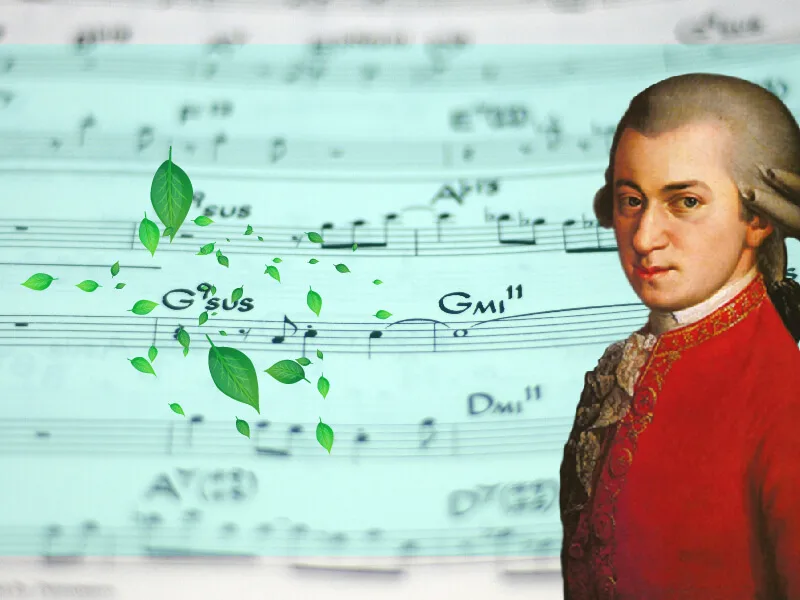
Throughout history, Turkish culture has left a lasting mark on European art. But it was during the 18th century that a particular fascination with Ottoman life, customs, and daily practices surged in Europe, inspiring countless works across classic music, painting, and literature. Among the most remarkable of these are operas composed by prominent European musicians, who, captivated by the mystique of the East, brought Ottoman figures and themes to the operatic stage.
Below are 8 operas where Europeans interpreted the Ottoman world through music, reflecting both admiration and curiosity.
Handel’s Opera Tamerlano
Premiered in London in 1724, Tamerlano features key historical figures from the East: Timur (Tamerlane), the mighty ruler of the Timurid Empire; Yıldırım Bayezid (Bayezid I), the Ottoman sultan he captured; and Asteria, Bayezid’s daughter, whom Timur helplessly falls in love with. Blending themes of war and forbidden love, this opera was staged in numerous European cities and became one of Handel’s most discussed works.

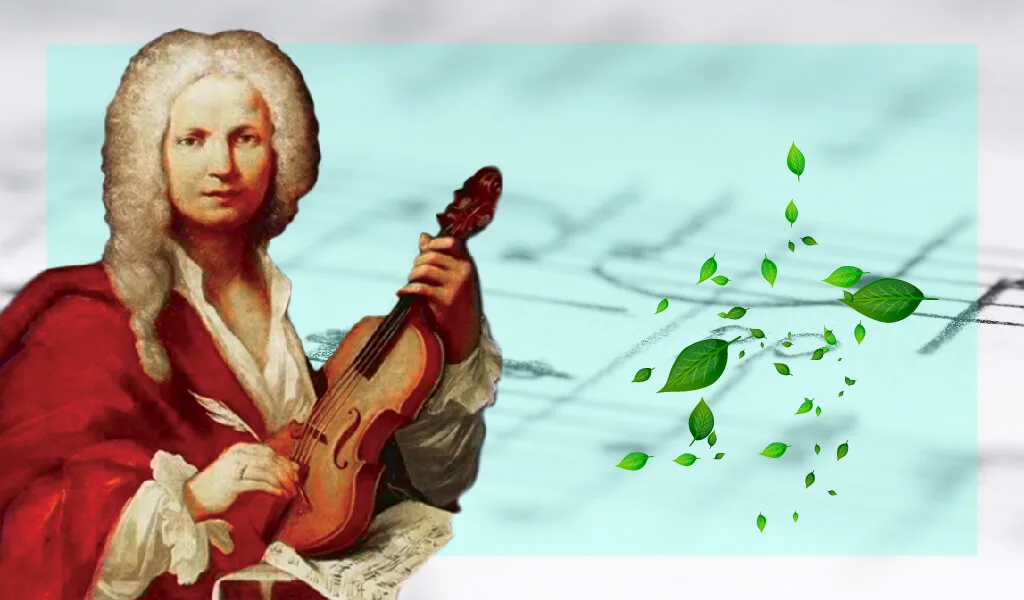
Vivaldi’s Opera Bajazet
So compelling was Sultan Bayezid I’s persona that only 11 years after Handel’s Tamerlano, Antonio Vivaldi composed his own take on the Ottoman ruler. Bajazet –the only opera fully composed by Vivaldi himself- was eventually revived and performed in modern Turkey, offering today’s audiences a rare glimpse into Baroque Europe’s vision of the East.
Mozart’s Opera Zaide & The Abduction from the Seraglio
A lesser-known but fascinating work by Mozart, Zaide was composed over 11 years but remained unfinished. The story centers on Zaide, a woman in love with a slave who has been captured by pirates. Her journey to rescue him unfolds in a series of emotional arias and dramatic encounters, echoing the exotic allure of the Ottoman world imagined by Enlightenment Europe.
Premiered in 1782 in Vienna, The Abduction from the Seraglio (Die Entführung aus dem Serail) is one of Mozart’s most famous operas. It tells the tale of the Spanish nobleman Belmonte and his servant Pedrillo as they attempt to rescue Belmonte’s beloved Konstanze from a lavish Ottoman palace. This “seraglio” is ruled by Pasha Selim and believed to be modeled on Topkapı Palace, a detail that sparked debate in Mozart’s time. The opera, a pinnacle of Mozart’s career, blends comedic elements with cultural intrigue.

Carl Maria von Weber’s Opera Abu Hassan
Abu Hassan, first staged in Munich in 1811, draws inspiration from the legendary tales of One Thousand and One Nights. The plot revolves around a debt-ridden couple -Abu Hassan and his wife Fatma- who fake Abu Hassan’s death in a desperate attempt to erase their debts. But things take an unexpected turn. Interestingly, Weber himself was reportedly deep in debt while composing this opera, adding a layer of irony to the story.

Rossini’s The Turk in Italy & Mehmet II
Premiering in 1814 at La Scala in Milan, Rossini’s Il Turco in Italia (The Turk in Italy) is a lively two-act opera bursting with intertwined love stories and comedic misadventures. A young writer named Prosdocimo is in search of a plot, and he finds it in the tangled affairs of Selim (a Turkish nobleman), his beloved Zaida, and a tempestuous Italian couple, Don Geronio and his wife. The opera satirizes romantic entanglements while playing on the exotic image of the Turk.

Rossini returned to Ottoman themes again with Maometto II, which debuted in Naples in 1820. This dramatic opera is set during the Siege of Negroponte (Eğriboz) and explores the doomed love between Fatih Sultan Mehmet (Mehmet II) and a Byzantine woman, Anna. Torn between her affection for Mehmet and her loyalty to her people, Anna becomes the symbol of emotional conflict amid political war.
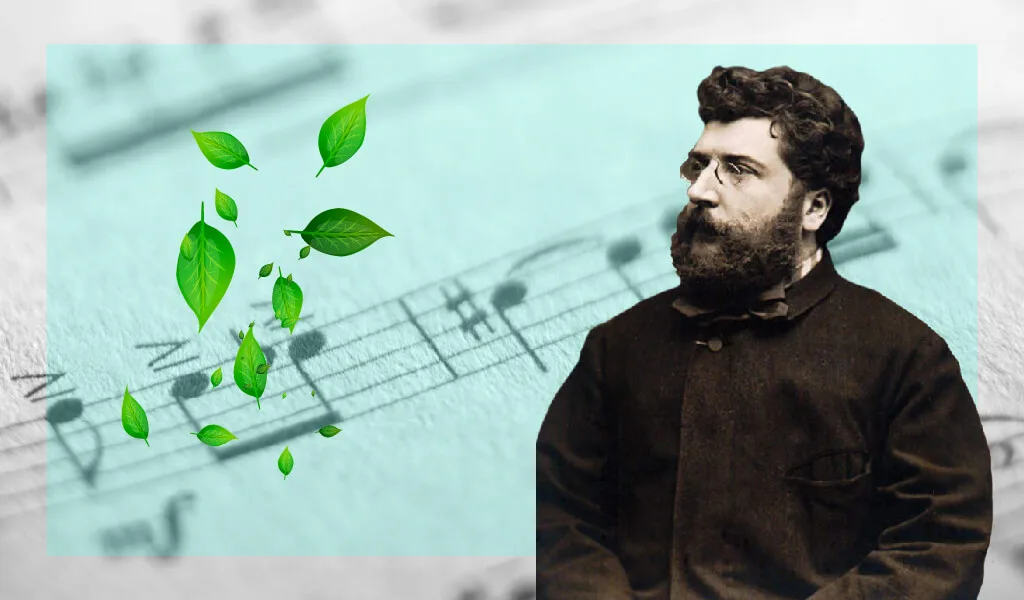
Bizet’s Opera Djamileh
Georges Bizet, best known for Carmen, composed Djamileh in 1872: a comic opera that premiered in Paris. The opera follows the story of Djamileh, the daughter of a concubine, who is in love with Haroun. Unfortunately, Haroun does not return her affection, leading Djamileh to seek help from Haroun’s secretary, Splendiano. The twist? Splendiano also loves Djamileh, complicating the love triangle further in this witty and culturally infused opera.
From Ottoman sultans to mysterious harems and Mediterranean palaces, the operas of Europe’s great composers show how deeply the East captured the Western imagination. These works are not just operatic masterpieces but also cultural documents: revealing how 18th- and 19th-century Europeans viewed and romanticized the Ottoman world.