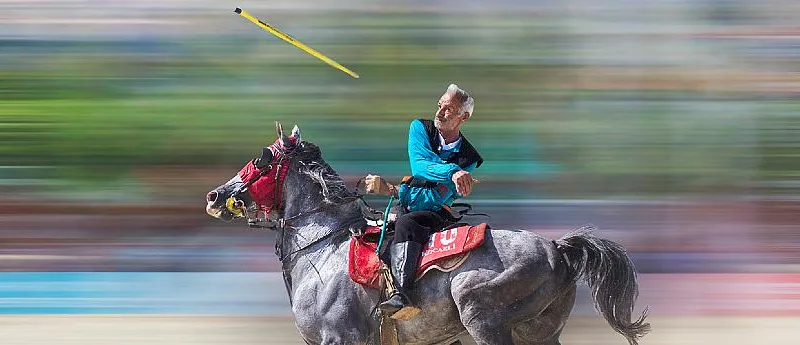
Traditional sports shaped by Turkish culture are the result of long-standing practices that reflect our history and values. One of the most iconic of these is atlı cirit (equestrian javelin); a mounted javelin game that blends physical mastery with honor and heritage. Here’s everything you need to know about this unique sport:
Roots in Central Asia
Atlı cirit originated during the nomadic era of the Turks in Central Asia. The horse was central not only to daily life but also to cultural identity. The Turks’ close bond with horses laid the groundwork for equestrian sports like cirit.
From Combat Training to Competitive Sport
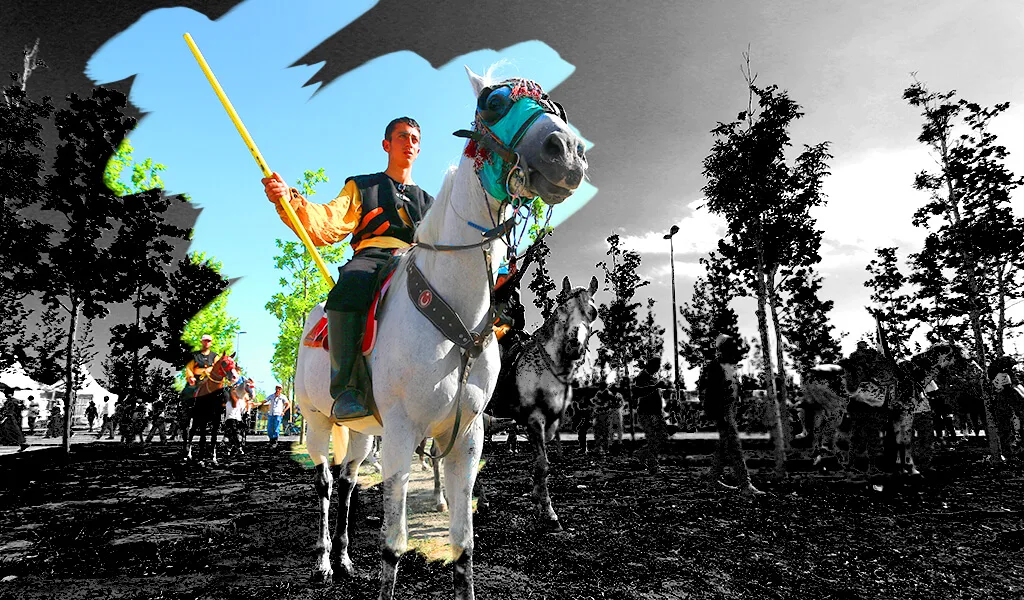
Initially, cirit served as a training exercise for cavalry units during peacetime. It helped warriors maintain their battle reflexes, improve agility, and strengthen both horse and rider through realistic combat simulations.
How the Game is Played
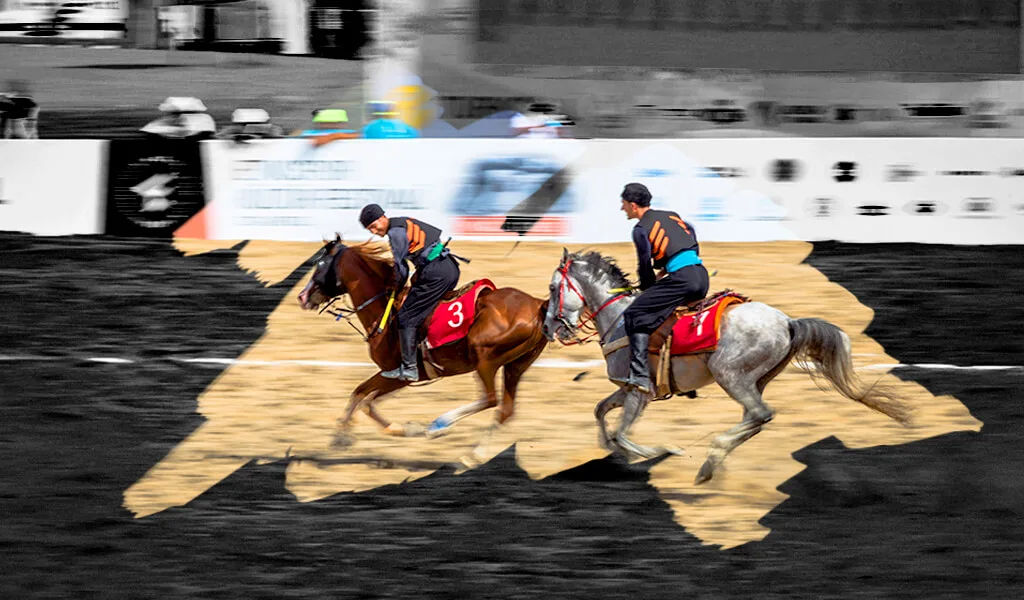
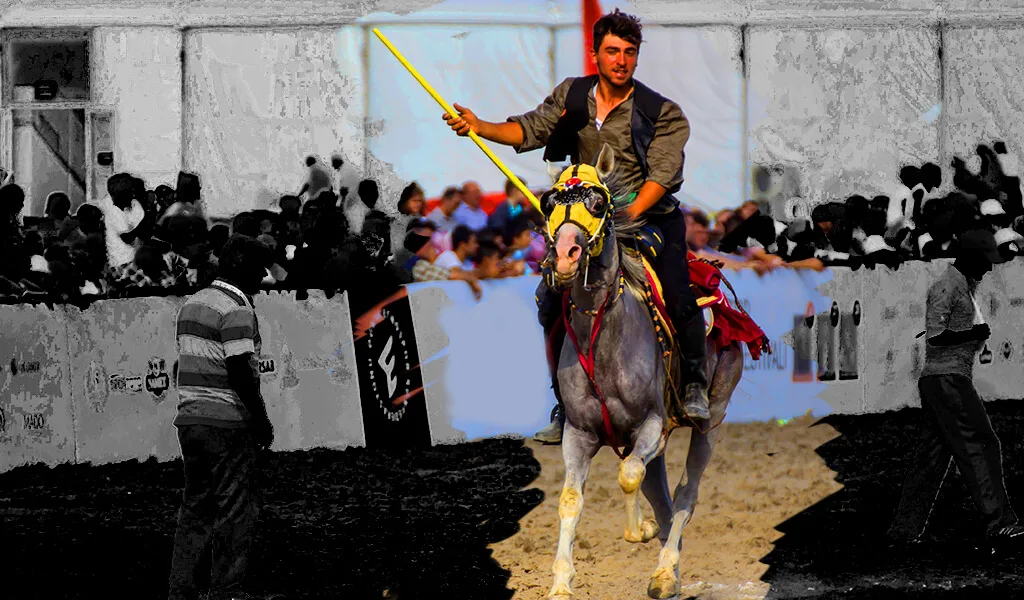
Each player, mounted on a horse, attempts to strike an opponent using a wooden javelin known as a “cirit.” However, scoring a hit is only half the challenge; maintaining full control of the horse at high speed is just as crucial. The game is fast-paced and tactically intense.
The Javelins Are Carefully Crafted
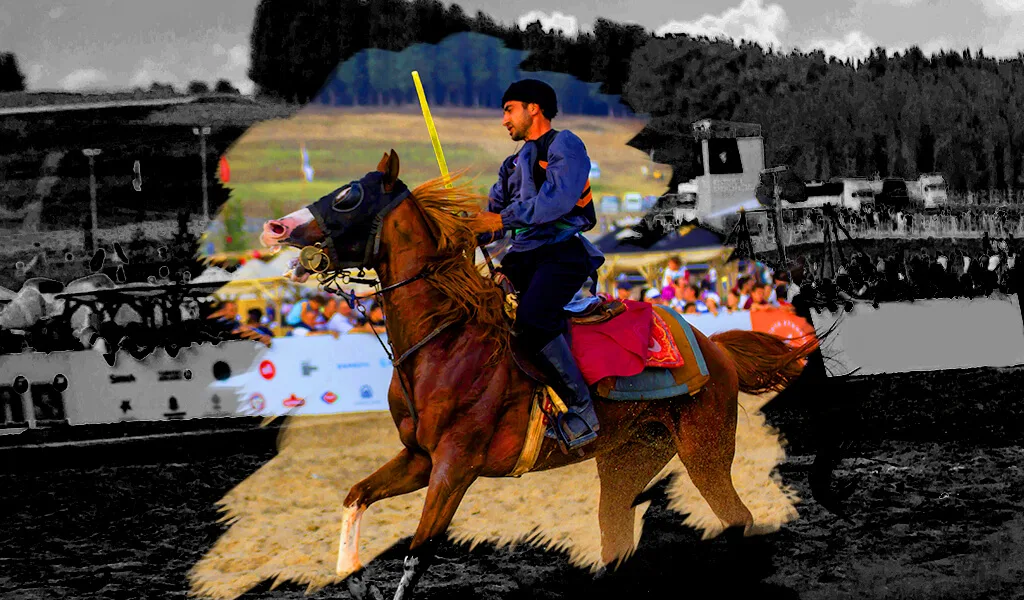
Cirit javelins are made from poplar, oak, or date wood and range from 70 to 100 cm in length. The tips are rounded for safety, minimizing the risk of serious injury while preserving the authenticity of the sport.
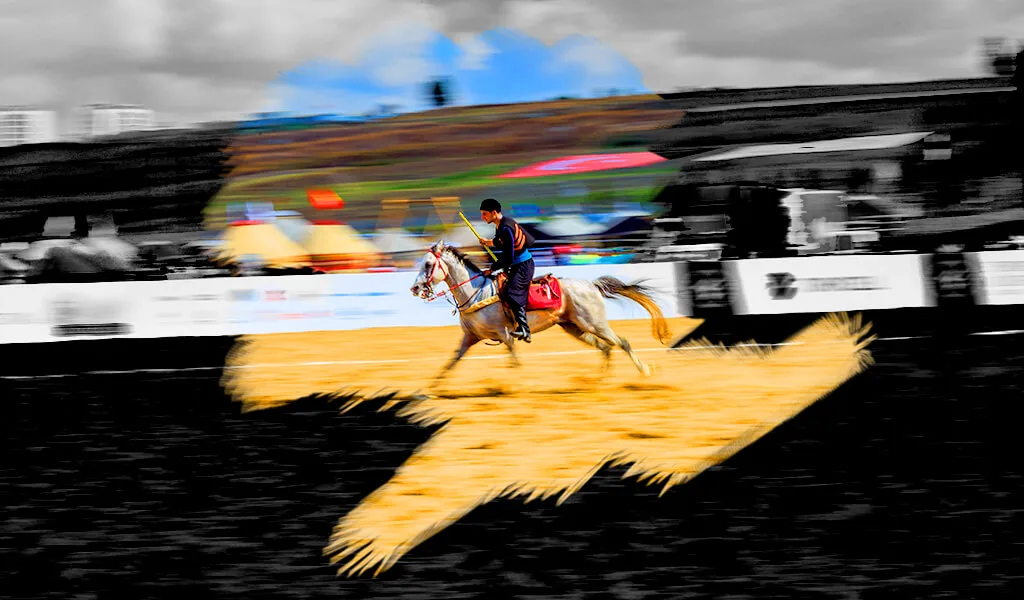
Mercy is Rewarded
Uniquely, cirit rewards sportsmanship. A player who chooses not to strike an exposed opponent is awarded extra points. This highlights the sport’s cultural emphasis on honor, restraint, and compassion.
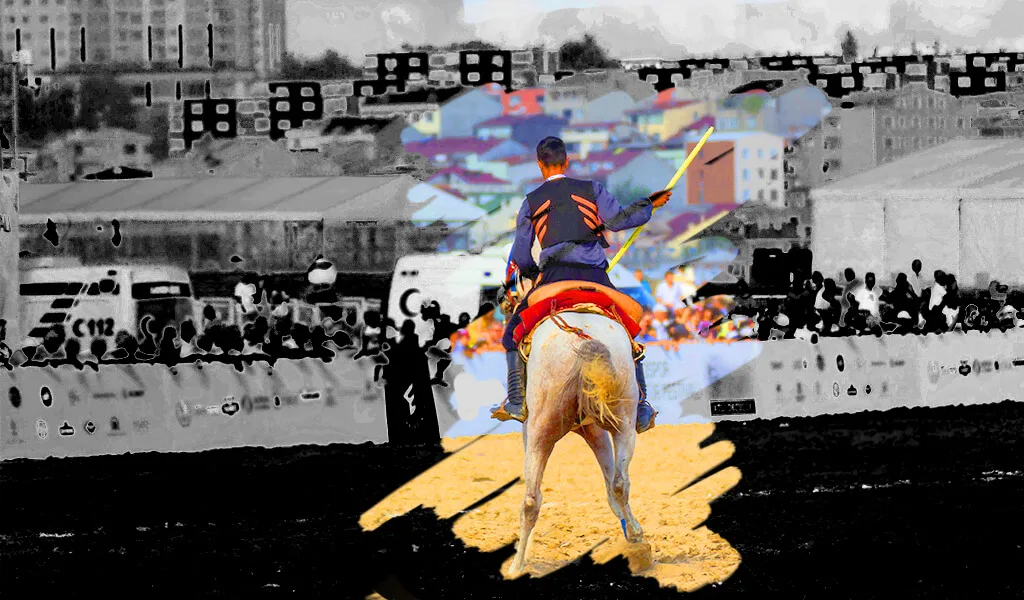
A Beloved Tradition in the Ottoman Empire
Cirit was widely practiced in the Ottoman era, often enjoyed by both commoners and sultans alike. Grand tournaments were held after Friday prayers, accompanied by music and festivities. Famous venues included the Hippodrome in Sultanahmet, Cündi Square in Kadırga, and the palace courtyards themselves.
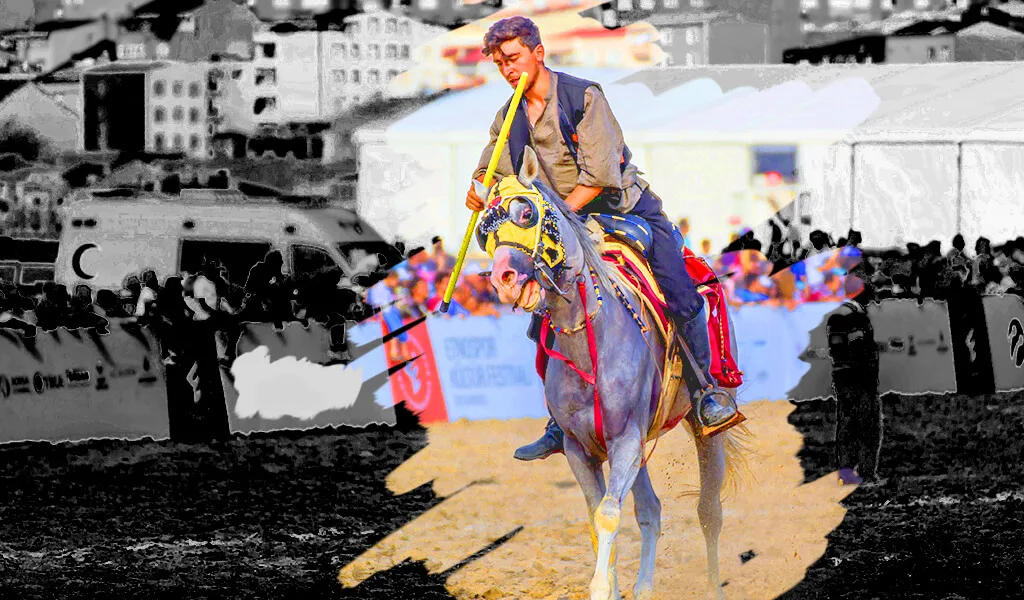
Traditional Attire and Equipment
Players wear traditional garments: baggy trousers, vests, wide sashes, and distinct headgear. The horses are also decorated, with saddles and harnesses adorned with regional motifs, adding a visual richness to the sport.
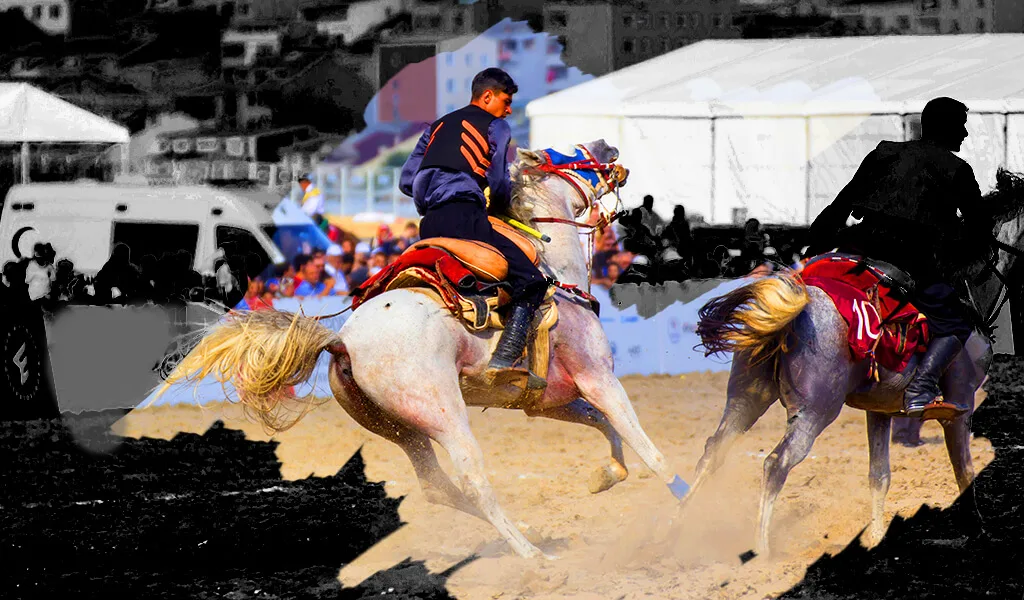
Modern Revival and National Support
The first cirit club was founded in 1957, marking the sport’s formal comeback. Today, cities such as Erzurum, Erzincan, Uşak, Manisa, Bayburt, Ankara, and Kars keep the tradition alive. The Traditional Sports Federation of Turkey oversees rules, tournaments, and training programs. Cirit has also been nominated for UNESCO’s Intangible Cultural Heritage list.
Cultural Festivals and Tourism
Events like the International Equestrian Sports Festival in Erzurum have helped cirit become a key part of cultural tourism. Demonstrations, folk performances, and riding experiences draw both local and international audiences.
Cirit in Media and Pop Culture
Equestrian javelin has been featured in documentaries produced by national television and in several historical TV dramas. Social media platforms have played a big role in introducing the sport to younger generations through short, dynamic video clips.