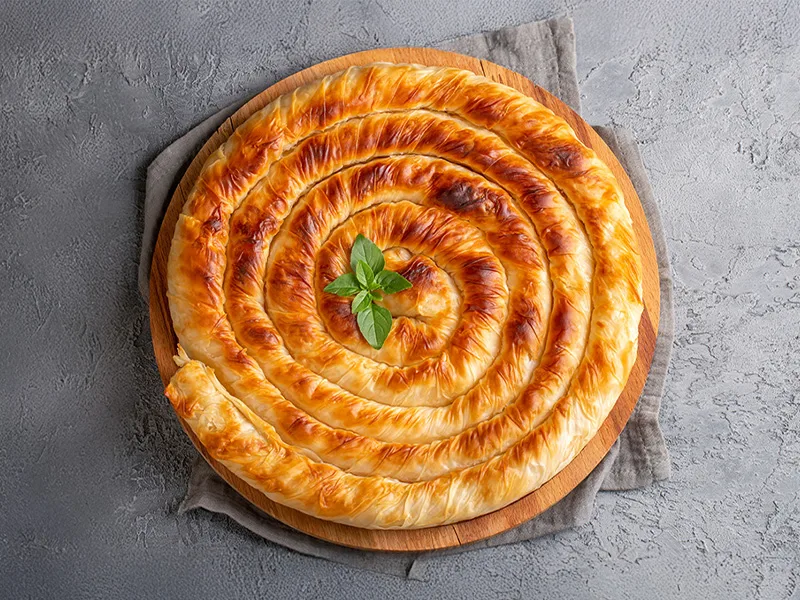
Börek, a savory pastry shaped with thin layers of dough filled with cheese, minced meat, spinach, or potatoes, has not only delighted palates for centuries but also served as a cultural bridge connecting civilizations. As ordinary as a street simit and as regal as a palace dish, börek has a far deeper and richer past than commonly assumed. From the nomadic kitchens of Central Asia to the “plakous” of Byzantium, from the opulent tables of the Ottoman Empire to today’s breakfast spreads, the story of börek is not just the tale of a food but of a shared cultural memory.
Origins of Börek
There are various theories regarding the origin of this great taste. One common view suggests that it evolved from a flat pastry called plakous, prepared with ingredients like honey and cheese during Ancient Greek and Roman times. However, recent research points to its origins among the nomadic Turkic peoples of Central Asia, even before the 7th century. The nomadic lifestyle encouraged the development of thin dough-based foods like yufka (phyllo). As Turks migrated from Central Asia to Anatolia, they brought this culinary tradition with them.
Nomadic Roots and Dough Traditions
The nomadic peoples of Central Asia, especially the Turks, had extensive experience with dough-based dishes. Some Uighur texts offer clues about the significance of pastry in their diet. Although they may not include direct börek recipes, these writings indicate that baked dough goods held an important place in the local cuisine. These early sources demonstrate the deep connection between Central Asian food culture and dough-based preparations.
Practical Origins
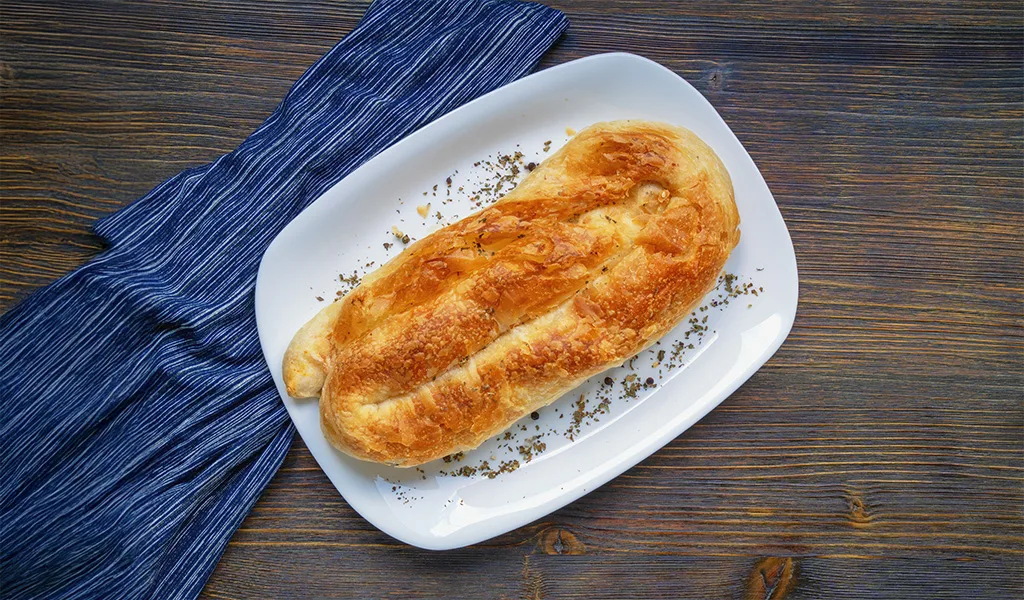
In nomadic life, portable and practical food was vital. The earliest forms of börek are believed to have been created by placing meat, cheese, or vegetables on thin dough and folding it-an efficient technique that also laid the foundation for the yufka tradition in Central Asia. This custom spread from Central Asia into Anatolia, becoming part of Seljuk and later Ottoman culinary culture.
From the early 7th century, Turkic peoples began migrating westward, bringing their beloved dough dishes along. The Göktürks quickly gained control over much of Siberia and reached the Aral Sea, while the Khazars settled in the Caucasus, introducing börek to these regions. The journey of börek wasn’t just westward; through Turkic-Mongol interactions, börek also made its way into Chinese cuisine.
The Seljuks and the Spread to Anatolia
In the early 11th century, the Seljuk Turks migrated westward from Central Asia to Anatolia via Iran. This movement triggered not just military and political shifts but a profound cultural and gastronomic exchange. Following the Seljuks, other Turkic tribes carried with them a rich nomadic food culture -ranging from flatbreads to stuffed pastries- into Anatolia.
Börek in the Ottoman Empire
During the Ottoman era, börek held a significant place not only in daily cuisine but also in the royal kitchens. The palace chefs in Istanbul developed a wide variety of börek types, using diverse ingredients like meat, cheese, pumpkin, and spinach. Even sweet versions of börek emerged. The art of rolling out extremely thin dough and layering it became a hallmark of Ottoman culinary mastery.
Börek Around the World
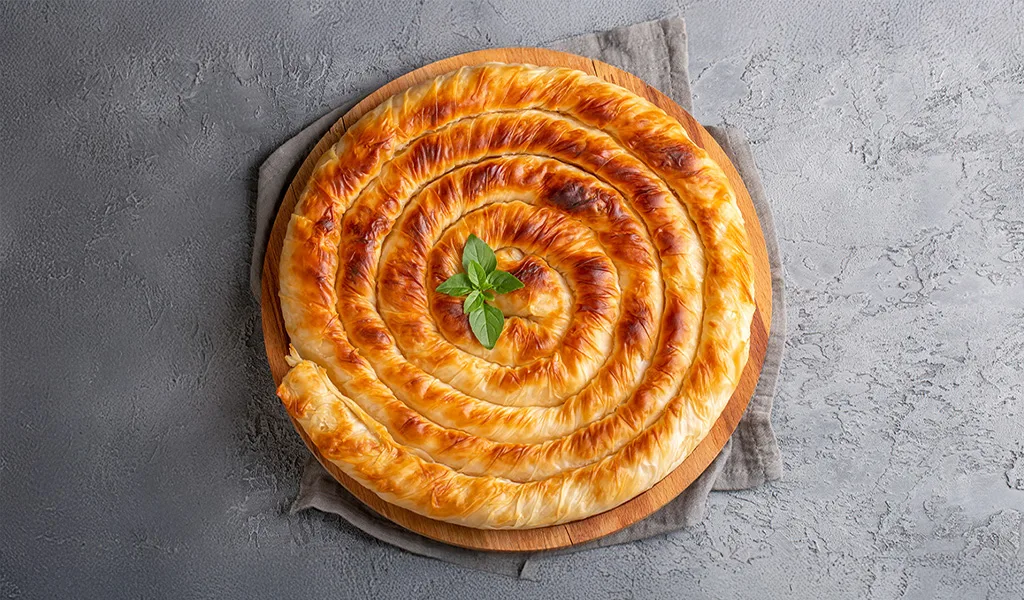
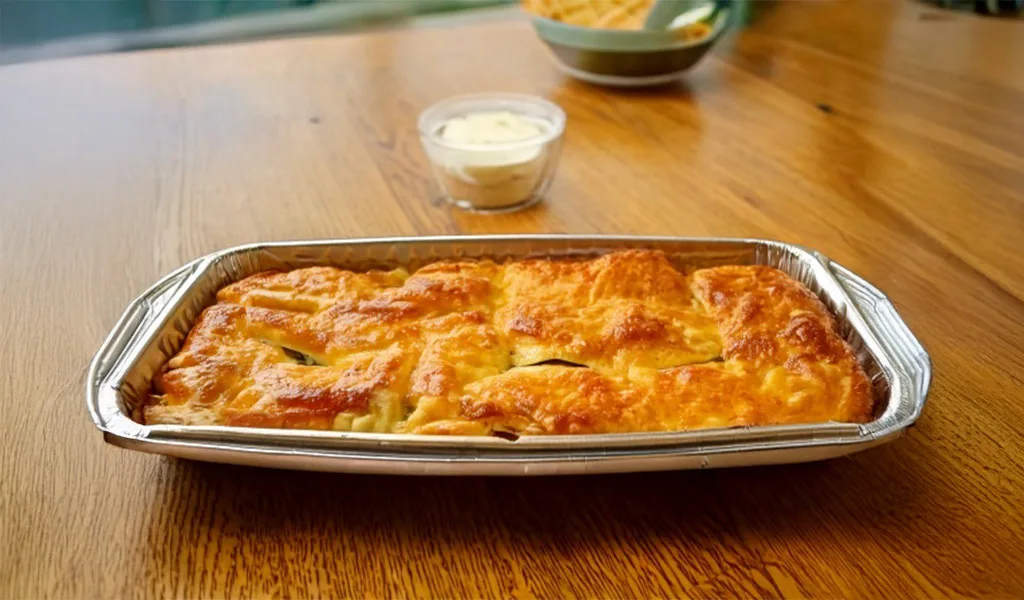
Börek has taken on new forms and names in other countries, especially in Greece, the Balkans, and Crimea, by blending with local culinary traditions. In Bosnia, burek is rolled into spirals and filled with meat, curd cheese, spinach, or potatoes. The Cretan boureki is made with zucchini and white cheese. In Tatar cuisine, “çi börek” is a deep-fried turnover filled with lamb, onions, and spices, similar to a famous street food gözleme. The Ottoman Empire’s influence even extended it to North African countries like Tunisia and Algeria, where regional varieties emerged.
The Beloved Minced Meat Börek
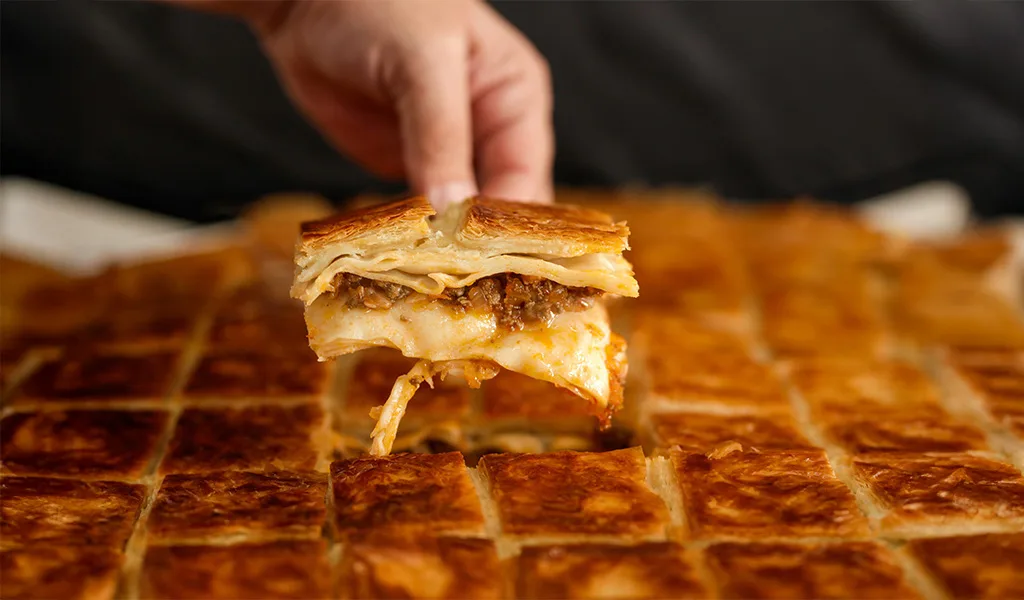
Among all these regional styles, minced meat börek holds a special place in Turkish cuisine. With a filling made from ground meat, onions, and spices nestled between thin layers of yufka, this type appears as tepsi böreği (tray-baked) or kol böreği (rolled). While every household may have its own recipe, börek always brings a shared warmth and flavor to the table.
The Most Beloved Varieties in Turkish Cuisine
Çiğ Börek (Çi Börek)
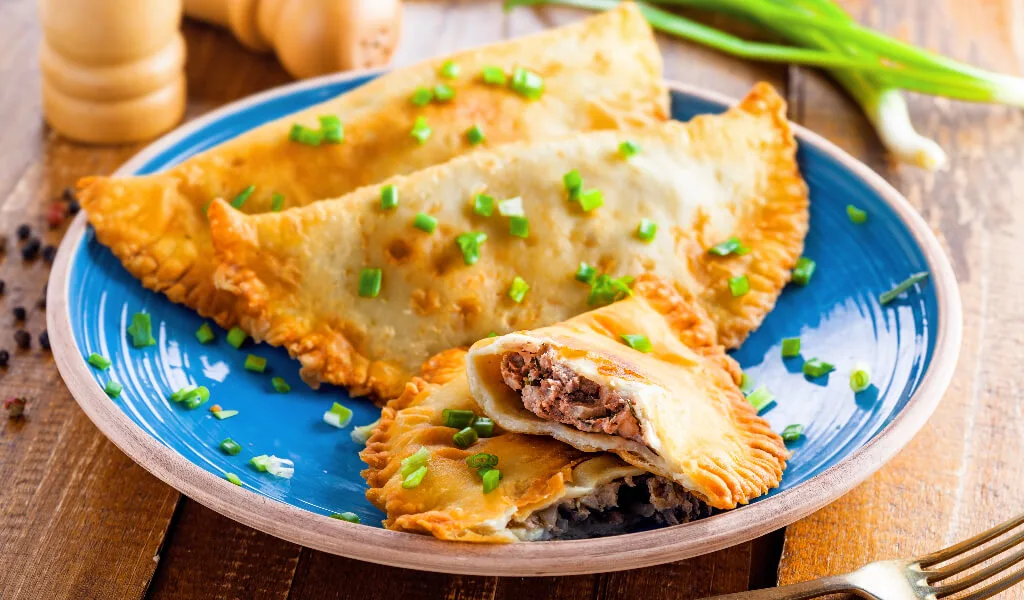
A specialty from Eskişehir, çiğ börek dough is made with flour, water, salt, and vinegar. Small walnut-sized pieces are rolled out with a rolling pin, then thinly layered with a filling of ground meat, onion, and parsley. The dough is folded into a half-moon shape and fried in hot oil.
Açma Börek (Hand-Rolled Layered Börek)
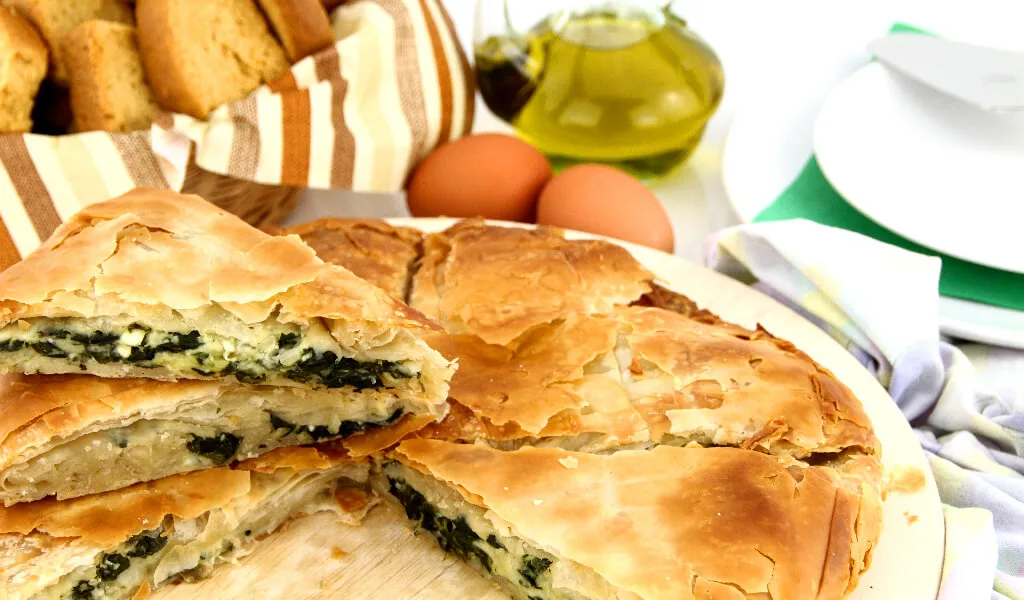
Rather than using store-bought phyllo, this type is prepared with hand-rolled dough made from flour, water, and salt. The dough is divided into 9 equal pieces and rolled out thinly. Your chosen filling is layered between sheets, and the börek is baked in a preheated oven.
Sigara Böreği (Cigarette Börek)
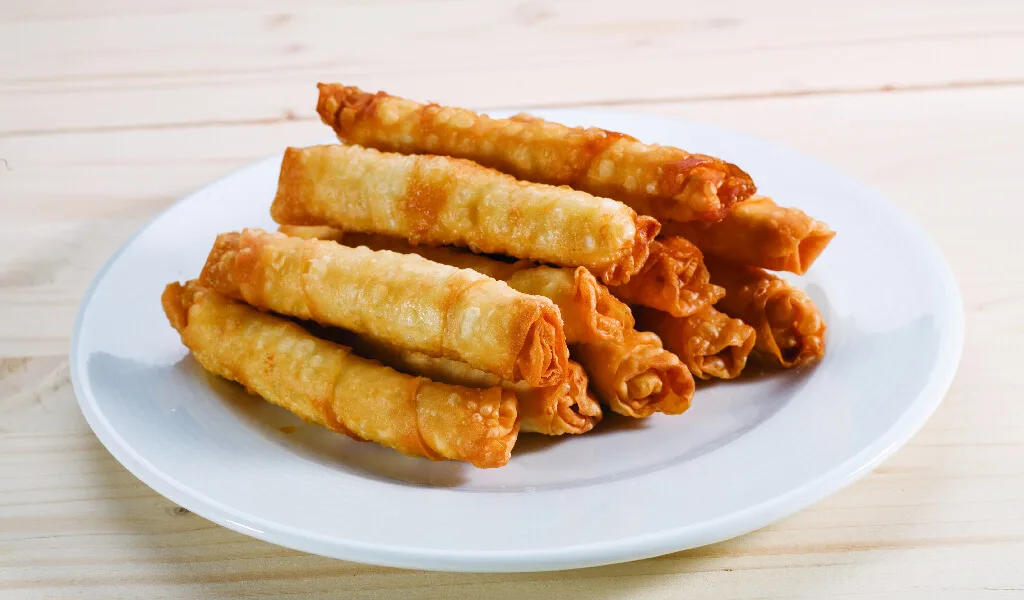
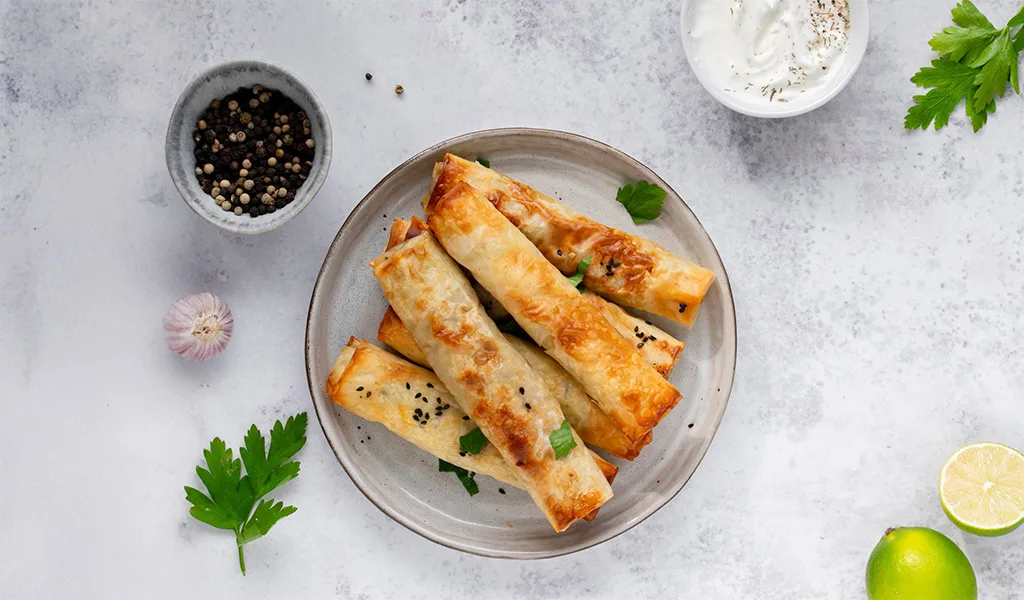
Phyllo sheets are cut into eight wedges, filled with a mixture of cottage cheese, parsley, and black pepper, and rolled into thin cigar shapes. Fried in oil, it is commonly served as a warm appetizer but is also popular at breakfast and tea time.
Paçanga Böreği
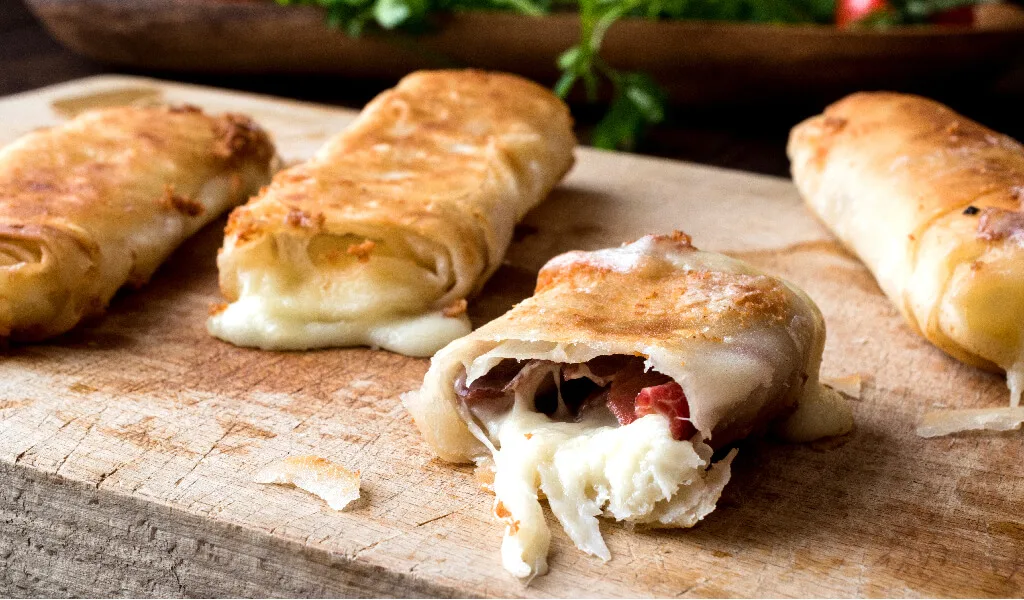
One of the tastiest böreks in Turkish cuisine, this variant is filled with pastrami, kashar cheese, tomato, and green pepper. The filling is wrapped in halved phyllo sheets and lightly rolled, then deep-fried until crispy.
Kol Böreği (Rolled Börek)
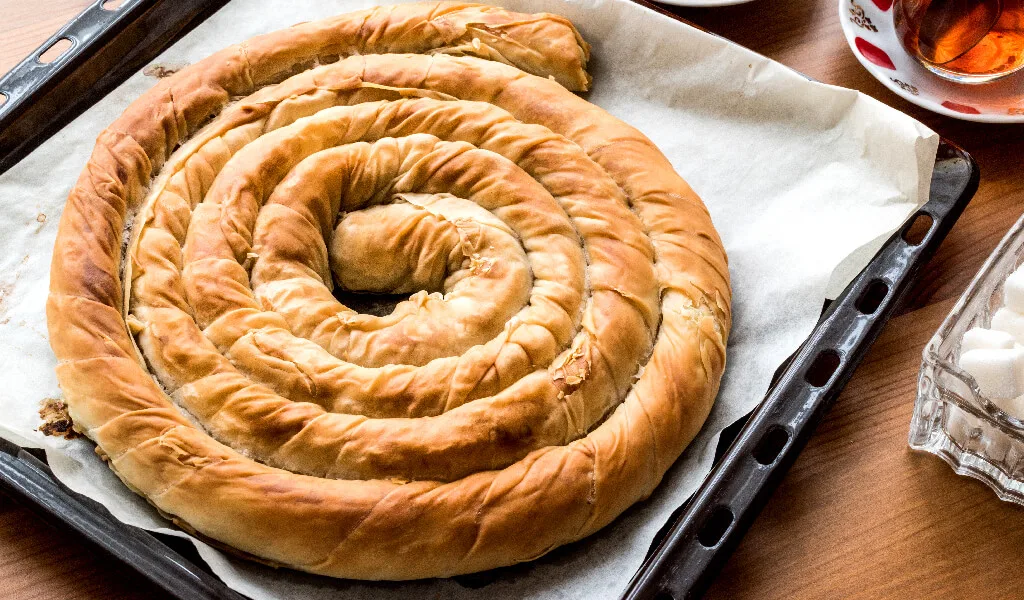
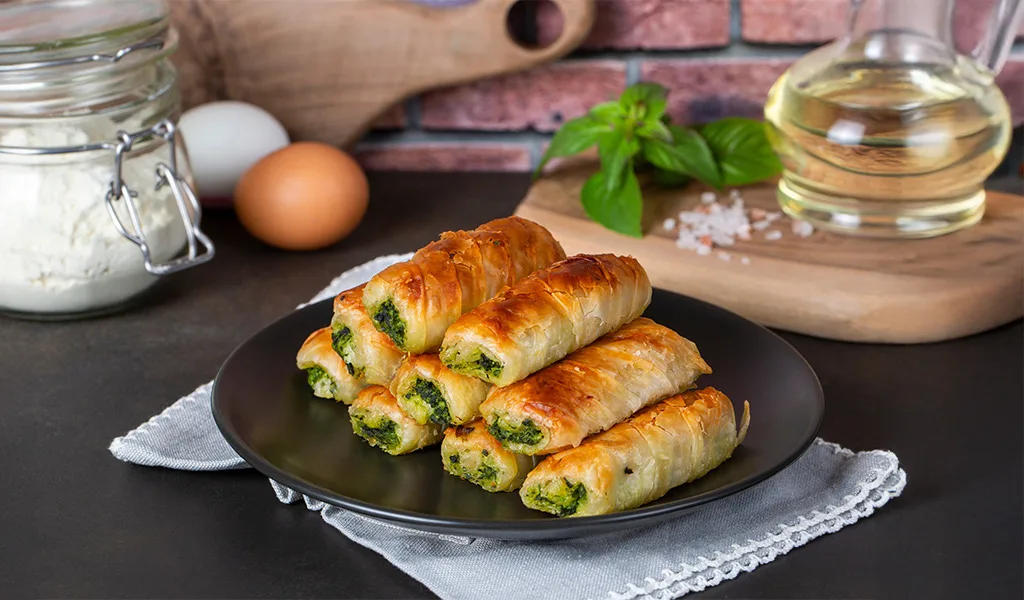
A filling is placed along the edge of a halved phyllo sheet, which is then rolled into a long tube and coiled into a tray. Brushed with a mixture of egg yolk and oil, it can be made with fillings such as cheese, potato, minced meat, or spinach.
Gül Böreği (Rose-Shaped Börek)
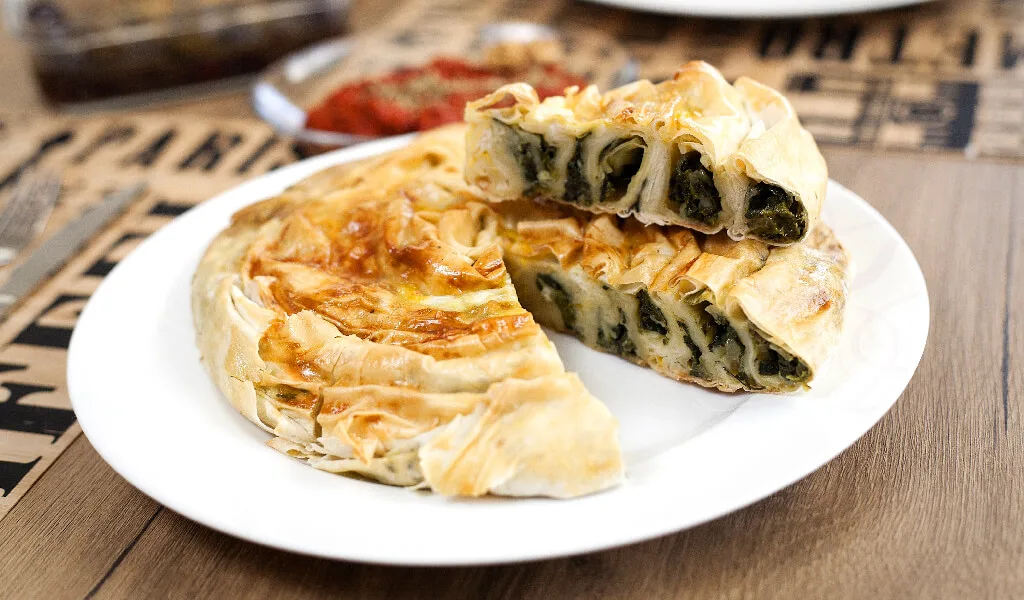
Phyllo is cut into quarters, filled, and rolled like cigarette böreks. The rolls are coiled into rose shapes, placed on a tray, brushed with egg and oil mixture, and baked. While minced meat and potato fillings are the most popular, any filling can be used.
Avcı Böreği (Hunter’s Börek)
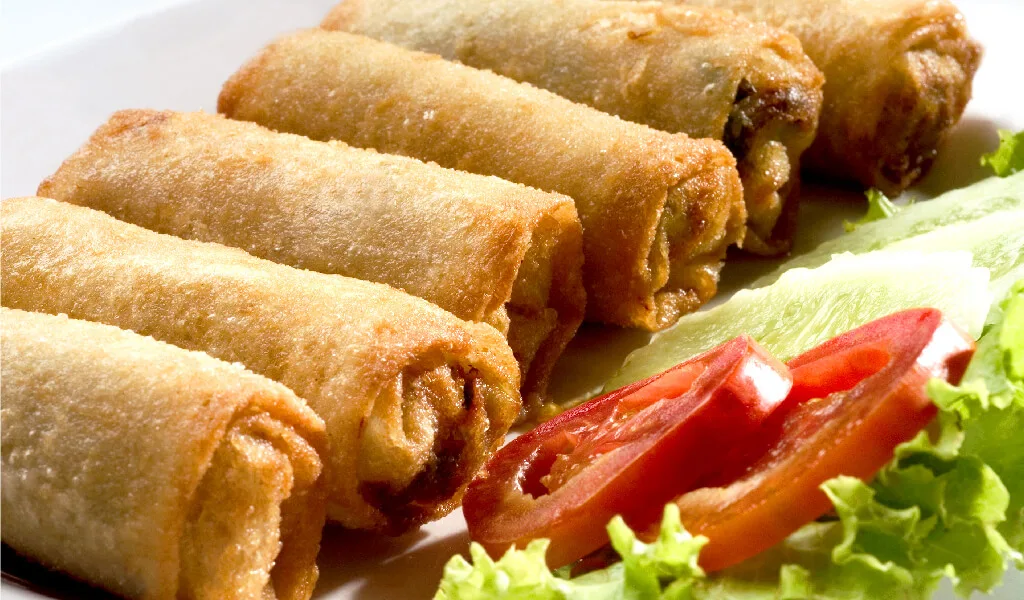
A hearty dish fit for grand tables. Onions are sautéed in butter, then ground meat, crushed walnuts, and spices are added. Soaked fine bulgur is mixed in last. Phyllo sheets are cut into quarters, filled, rolled, coated in breadcrumbs, and fried.
Su Böreği (Water Börek)
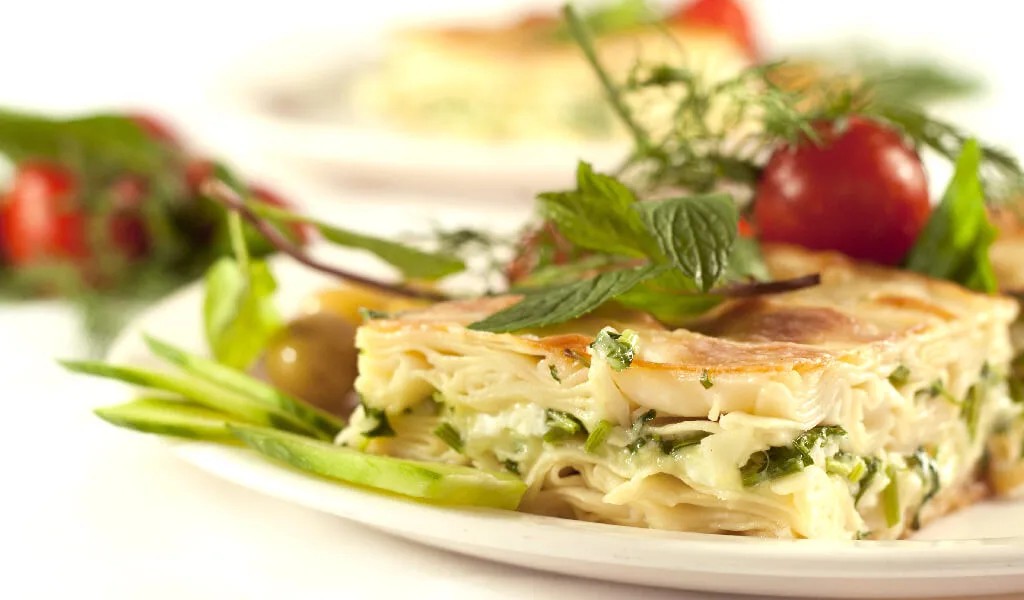
One of the most prestigious börek types in Turkish cuisine. It is made by boiling each sheet of hand-rolled dough, layering them with a cheese filling, and baking in a tray. Its labor-intensive process and irresistible taste make su böreği a true point of pride in Turkish culinary heritage.