The concept of time is both directly relevant to human life and broad enough to evade universal definitions. Our perception of time relates to the dimensions we interact with, creating multiple and differing understandings. Muslims ground their understanding of time in the Qur’an and the Sunnah. Let’s discover Saatnâme: manuals of Islamic timekeeping.
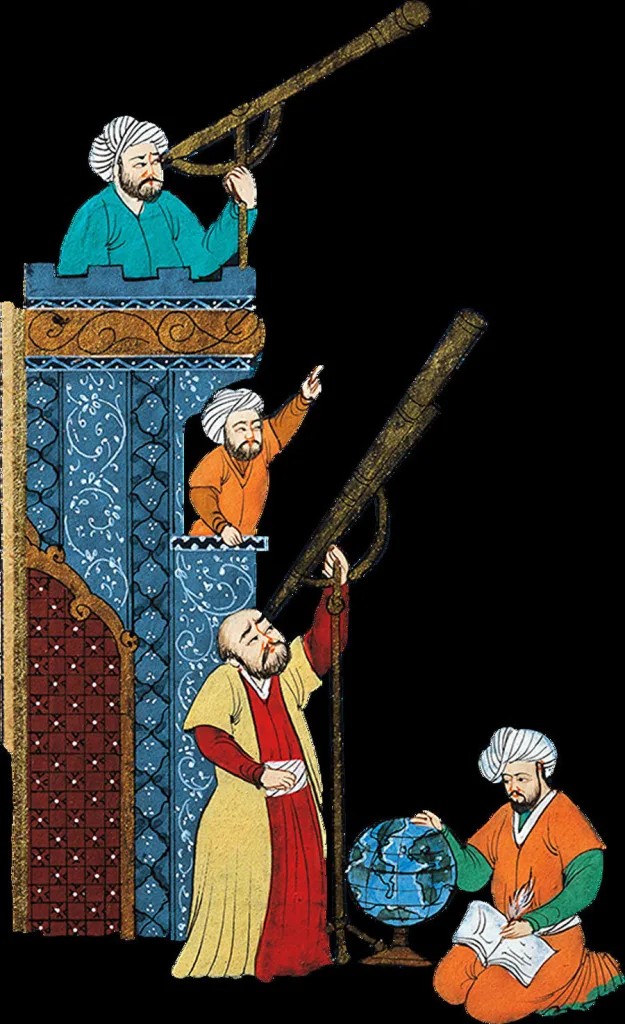
God’s swearing by “time” in the Qur’an emphasizes its immense value. Other references to time in the text offer knowledge that exceeds human experience. This concept — sometimes absolute, sometimes relative — shaped a specific literary tradition within Islamic history. The relationship between time and existence, reinforced by divine emphasis, gave rise to religiously anchored literary genres. Notable examples include Melhame, Ruzname, Ilm al-Nujum, Sâ’at-i Zamaniyye, Yıldızname, Şemsiyye, Sab’a-i Seyyare, Zayiçename, and Saatnâme. Muslims also developed astronomy extensively due to its relevance to worship schedules, making it an essential source for these works.
Astrology and Timekeeping in the Islamic World
Astrology (Ilm al-Ahkâm al-Nujum) appeared somewhat later than astronomy. Islamic civilization gave it considerable attention, comparable to other cultures, using it to predict the past, present, and future.
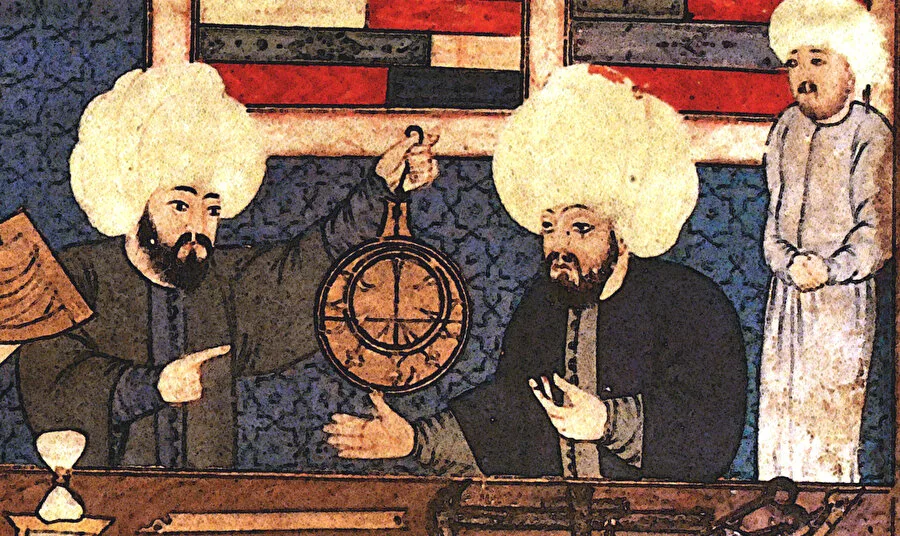
The Role of Court Astrologers in the Ottoman Empire
In the Ottoman Empire, müneccims (court astrologers) held important responsibilities. They prepared calendars, timetables (imsakiye), and determined auspicious and inauspicious times (zayiçe). The phrase eşref saati (auspicious hour), still used today, held critical importance in Ottoman life.
The earliest known record of eşref saati dates to the reign of Sultan Mehmed the Conqueror. In his Fetihnâme of Istanbul, Tacizade Cafer Çelebi noted that Sultan Mehmed launched his final and decisive assault during the auspicious hour his astrologers indicated. Ottoman sultans regularly consulted müneccims before military campaigns and organized state affairs according to their recommendations.
The Origins of Saatnâme Literature
The Qur’anic emphasis on the superiority of certain times over others helped spark the saatnâme genre. The declaration that the Night of Qadr surpasses a thousand months, for example, inspired efforts to understand the value of time and observe auspicious moments.
The term saatnâme joins the Arabic word sâ’at (meaning “time” or “clock”) with the Persian suffix -name (meaning “book”). Together, they denote a treatise about time or timekeeping. Drawing from Ilm al-Nujum (astronomy/astrology), saatnâmes are didactic texts — written in prose or verse — that explain how to determine specific times and their spiritual significance.
How Saatnâmes Organized Time
These texts rely on calculations rooted in Ilm al-Nujum. They detail which activities one should or should not perform at specific times, based on the seven planets and twelve zodiac signs. Authors divided a single day into seven distinct periods: tulû, kuşluk, zevâl, öğle, beyne’s-salât, asr, and ahir-i rûz (though naming varies by author). Each period relates to the influence of one of seven celestial bodies: Venus (Zühre), Mercury (Utarit), Sun (Şems), Moon (Kamer), Saturn (Zühal), Jupiter (Müşteri), and Mars (Merih). Authors then guided readers on which activities suited each time or day, based on the condition of these bodies.
Content and Purpose of Saatnâmes
Saatnâmes cover a wide range of topics. They address acts of worship suitable for particular times, recommended prayers, eschatological discussions, general religious knowledge, and moral advice. They also tackle everyday matters — personality traits based on birth time, wearing new clothes, setting out on journeys, hunting, commerce, and bloodletting. Beyond the spiritual, saatnâmes touch on cosmic phenomena such as seasons, rainfall, snowfall, and other natural events. While rooted in Ilm al-Nujum and religious texts, these works often draw on israiliyat (Judeo-Christian traditions) and folk mythology.
What a Saatnâme Might Say
Hibetullah b. Ibrahim is the earliest known author of a saatnâme, though his exact date of death is unknown. He described his sources clearly: “This book, known as the Saatnâme, was compiled and translated from many noble books, supported by the evidence of the Qur’an and the Prophetic Hadith.”
Saatnâmes offer more comprehensive guidance than similar treatises about the days of the week. They cover empirical observations, meteorological phenomena, and diverse practical topics. One text might advise: “Each day has an auspicious hour. Today begins nobly, but a robe tailored today will bring its wearer misery and sorrow.” Another describes Monday thus: “Do not journey eastward. If today is the first of Muharram, winter will be harsh and summer hot.” A passage about December (Kânûn-ı Evvel) states: “If a solar eclipse occurs, rain and snow will be abundant, winter severe, and grain plentiful.”
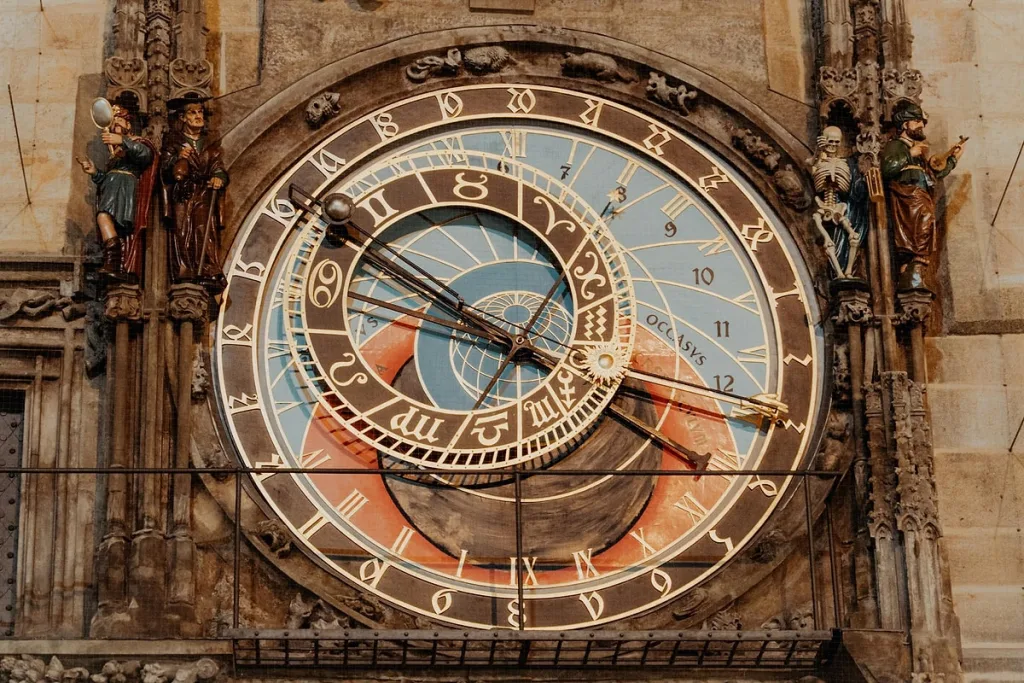
History and Prominent Works of Saatnâme
Scholars believe the saatnâme genre emerged between the 8th and 9th centuries CE. No one knows who wrote the first saatnâme or exactly when. A manuscript dated 1670 notes that a translator adapted it from a work by Abū Ma’shar al-Balkhī (d. 886). This suggests he may have founded the tradition. No work explicitly titled Saatnâme by Abū Ma’shar al-Balkhī survives, but his astronomical texts likely provided foundational material for later authors. Some saatnâmes stood as independent works, while others appeared as chapters within larger compilations — such as Erzurumlu İbrahim Hakkı’s Marifetname.
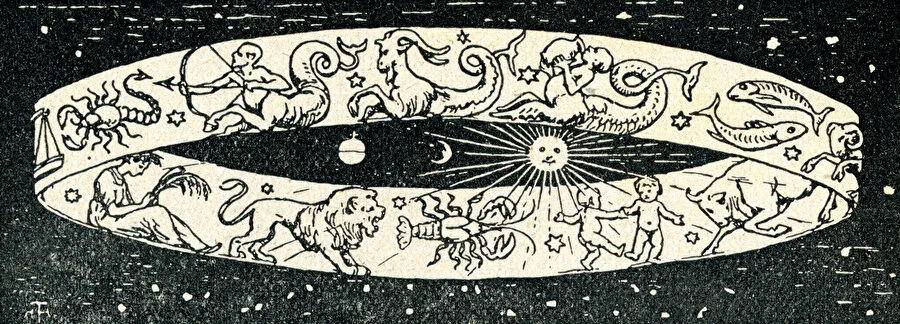
The most renowned saatnâme is attributed to Hibetullah b. Ibrahim, whose work survives in the largest number of manuscripts in Arabic and Persian, preserved in manuscript libraries. Other notable contributors to the genre include Abū Ma‘shar al-Balkhī, Abdülganî bin Celîl Geredevi (d. 1586), and Erzurumlu İbrahim Hakkı (d. 1780).
The Cultural Legacy of Saatnâmes
Emerging from Muslims’ desire to align both their acts of worship and daily activities with auspicious times, the saatnâme genre offers valuable insights into Islamic concepts of time and its social, religious, and cosmic dimensions. Today, these works represent a rich cultural heritage deserving study in the fields of history, religion, literature, and science. Hibetullah b. Ibrahim explicitly wrote his treatise as a form of spiritual guidance, assuring readers that those who follow its advice -rooted in religious teachings- will earn divine rewards in the afterlife and benefit from his intercession on the Day of Judgment.