An Entire City Within a City: Welcome to Fatih
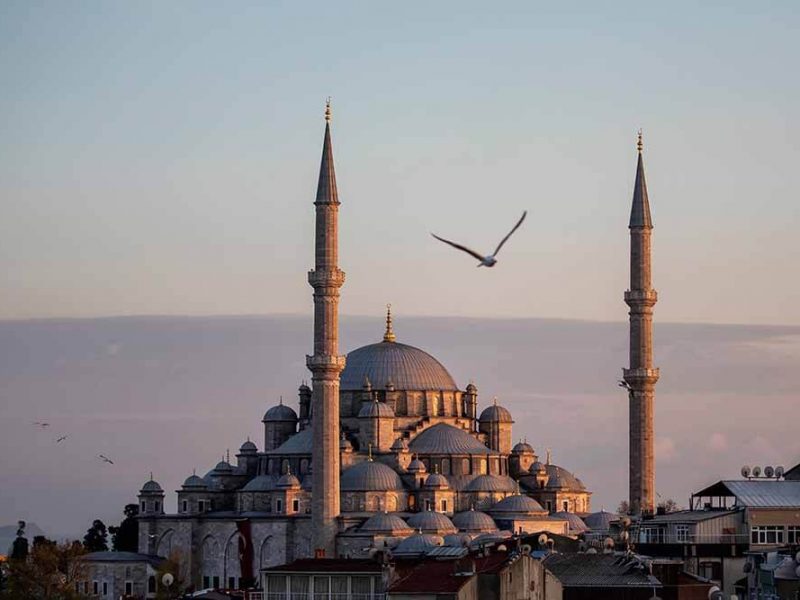
Fatih is not just a district: it’s practically synonymous with Istanbul itself. Creating a travel guide for Fatih can easily turn into compiling a small book, given its deep historical roots and cultural layers. Even the select spots listed below are enough to show how much history and heritage this district carries. Here’s your quick but unforgettable tour through Fatih!
Start at the Heart: Topkapı Palace and the Historic Peninsula
A large part of Fatih overlaps with the Old City of Istanbul; the area that once housed the first settlements of the city. Known as the Historic Peninsula, this is where you can trace the footsteps of the Roman, Byzantine, and Ottoman empires.
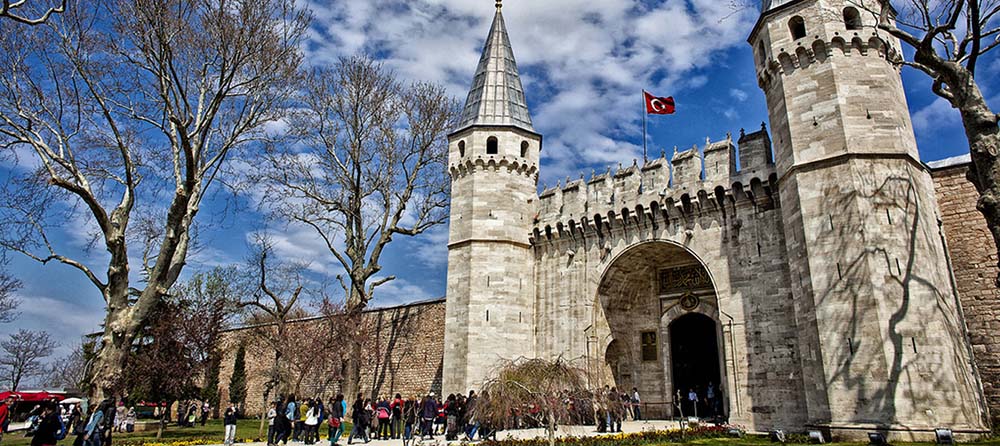
Naturally, the best place to begin your exploration is Topkapı Palace, the imperial center of the Ottoman Empire for nearly 400 years. Its rich courtyards, ornate pavilions, and priceless artifacts make it a must-see.
Stroll Through Gülhane Park to the Bosphorus
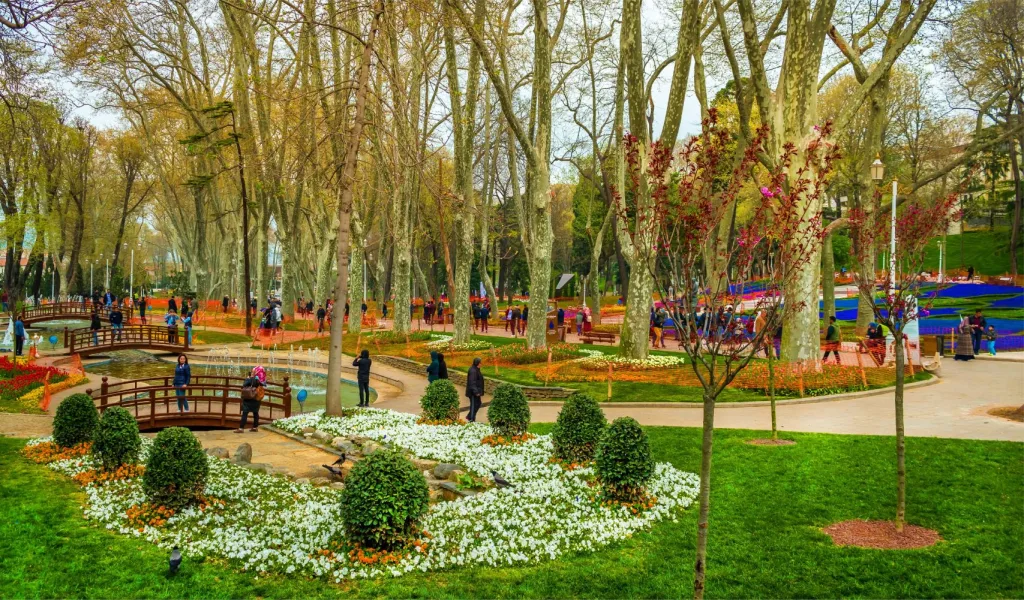
Just a 10-minute walk from Topkapı Palace lies Gülhane Park, once the outer garden of the palace. Transformed into a public park in 1912, it’s an oasis of green pathways leading toward the Bosphorus, offering one of the most picturesque views in the world. While here, don’t miss the Museum of the History of Science and Technology in Islam, located inside the park.
Marvel at the Blue Mosque and Sultanahmet Square
The Sultanahmet Mosque, internationally known as the Blue Mosque, is not just a symbol of Fatih but of Istanbul itself. Built in the early 17th century by the architect Sedefkâr Mehmed Ağa, the mosque is part of a larger complex-or külliye-that includes a market, fountain, tomb, soup kitchen, and bathhouse.
The surrounding Sultanahmet Square is an open-air museum in itself and should be a central stop on your tour.
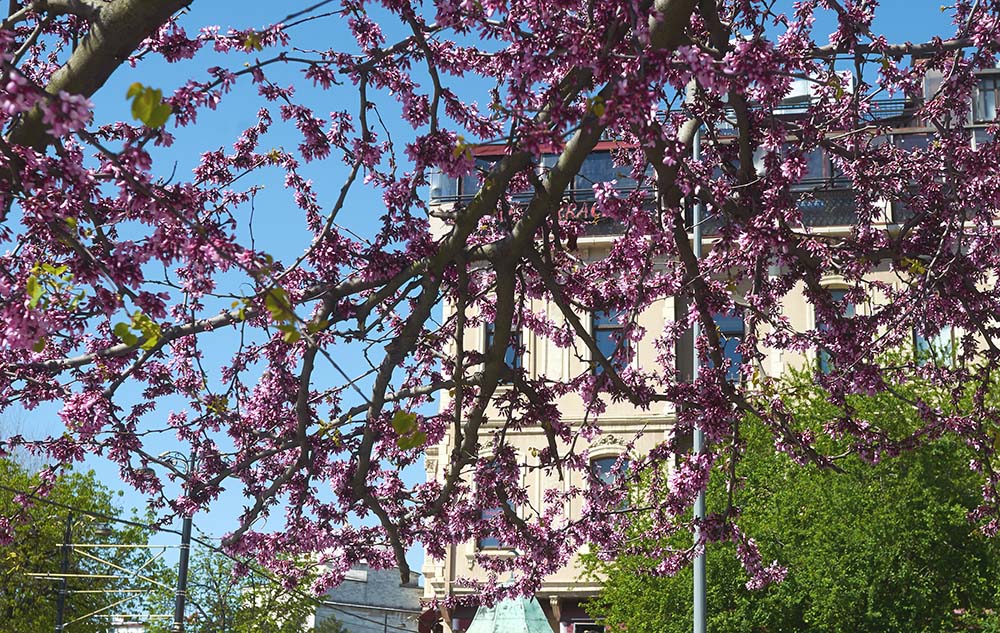
Don’t Rush: The Historic Peninsula Deserves Days
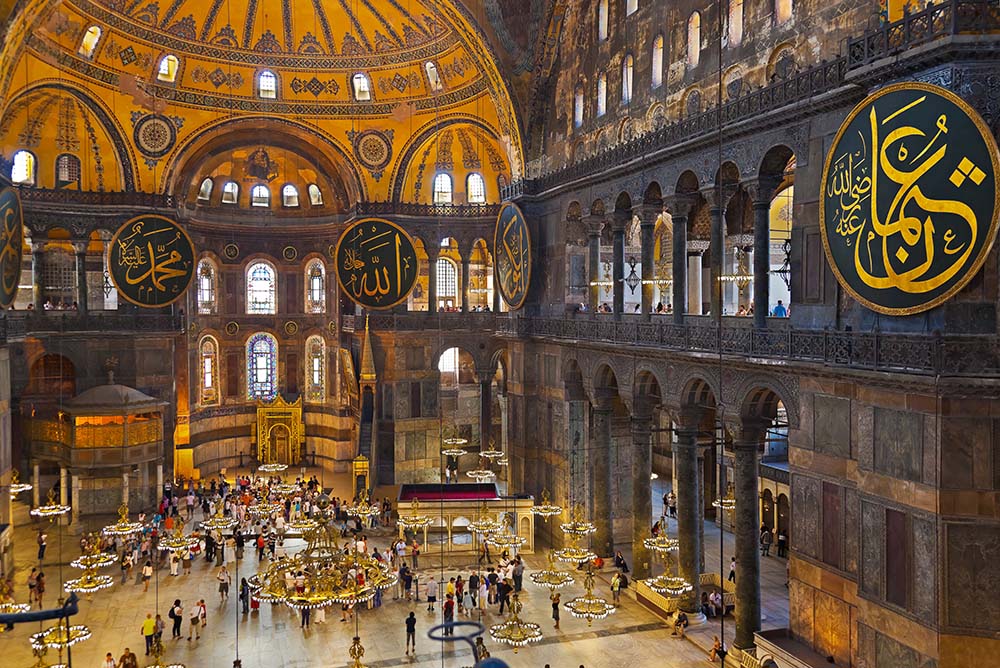
To truly appreciate the Historic Peninsula, plan to spend at least a couple of days exploring. Even Hagia Sophia, a marvel of world architecture, can take hours to absorb. And just nearby is the Basilica Cistern (Yerebatan Sarayı), an underground reservoir built in the 6th century by Emperor Justinian I. With its towering columns and mysterious Medusa heads, it offers an almost cinematic experience.
Dive Into the Bustling World of Beyazıt and the Grand Bazaar
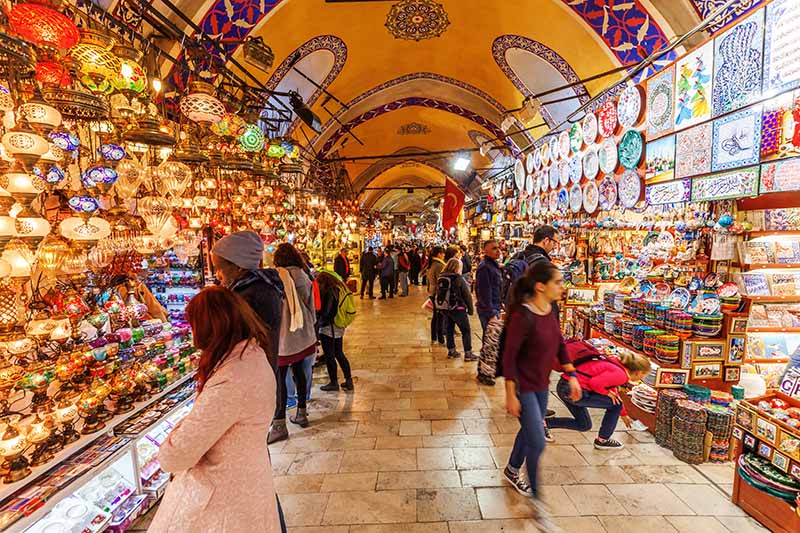
As you move deeper into the district, you’ll reach Beyazıt, home to several important sites: Beyazıt Mosque, Nuruosmaniye Mosque, the Beyazıt Tower, and the legendary Sahaflar Book Bazaar. But the star attraction here is without a doubt the Grand Bazaar (Kapalıçarşı); one of the oldest and largest covered markets in the world, with thousands of shops forming a vibrant maze of culture, color, and craftsmanship. From here, you can visit Fatih Mosque, which is almost 1000 meters away.
Witness the Grandeur of the Süleymaniye Mosque Complex
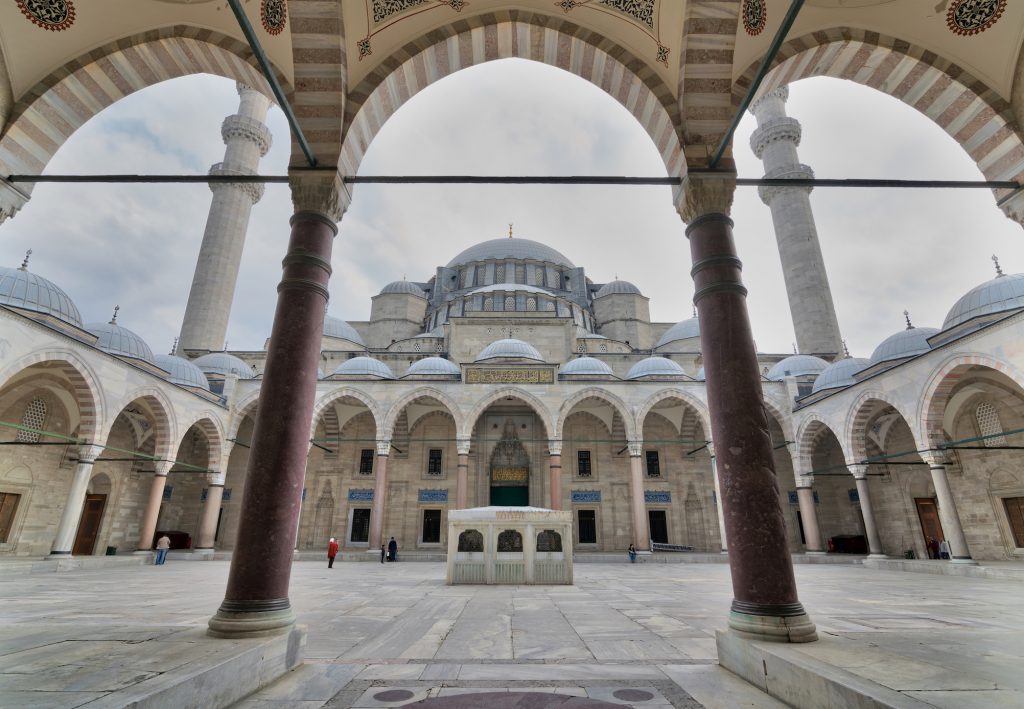
Among the silhouettes that define Istanbul’s skyline, the Süleymaniye Mosque stands tallest. Built in the 16th century by the great architect Mimar Sinan for Suleiman the Magnificent, it remains an architectural and spiritual masterpiece. Part of a grand complex, it includes madrasas, a hospital, a bathhouse, and the tombs of Sultan Suleiman, Hürrem Sultan, and Sinan himself. The surrounding Süleymaniye neighborhood takes its name from this majestic structure.
Discover the Spiritual Heritage of Fener and Balat
“No one shall dominate the Patriarch; no one shall interfere with him…” These words come from a decree issued by Fatih Sultan Mehmed, referring to the Ecumenical Patriarchate of Constantinople, a key spiritual site in the Fener neighborhood.
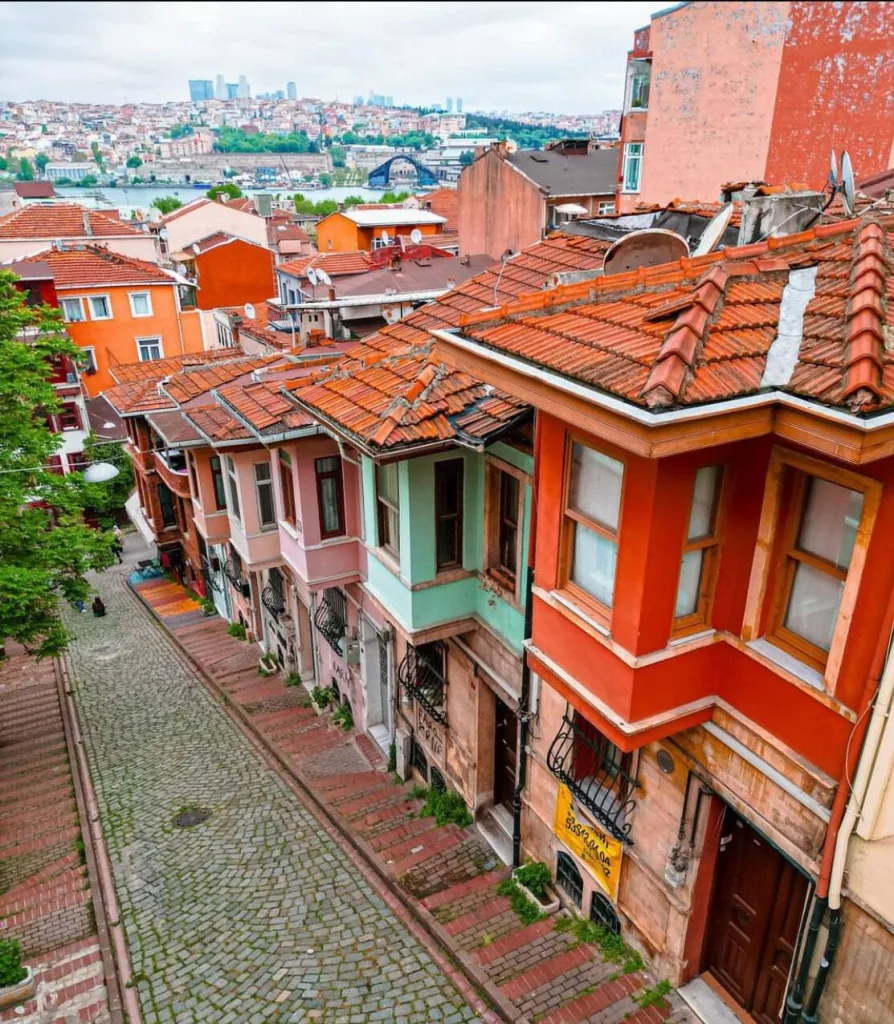
Both Fener and the adjacent Balat district are essential for a complete Fatih itinerary. With their cobblestone streets, colorful houses, old churches, and historic synagogues, these areas offer a multicultural mosaic reflecting Istanbul’s layered past.