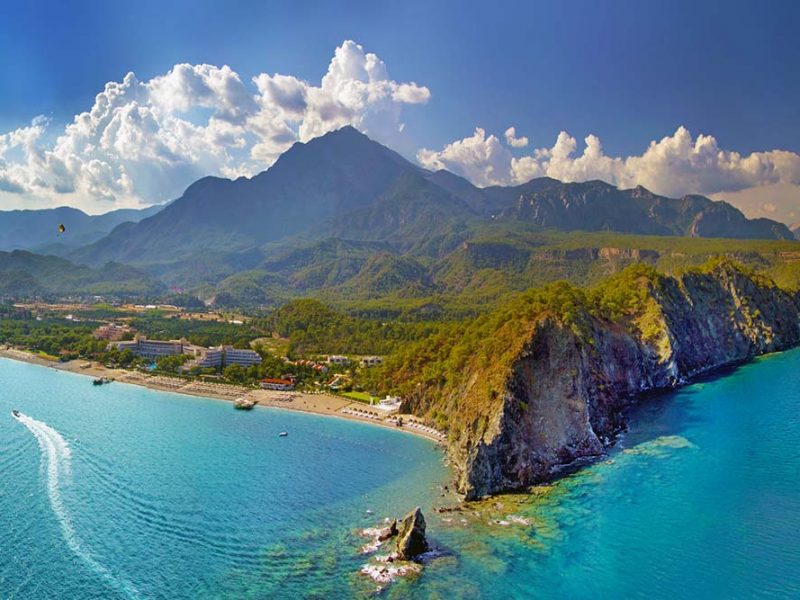
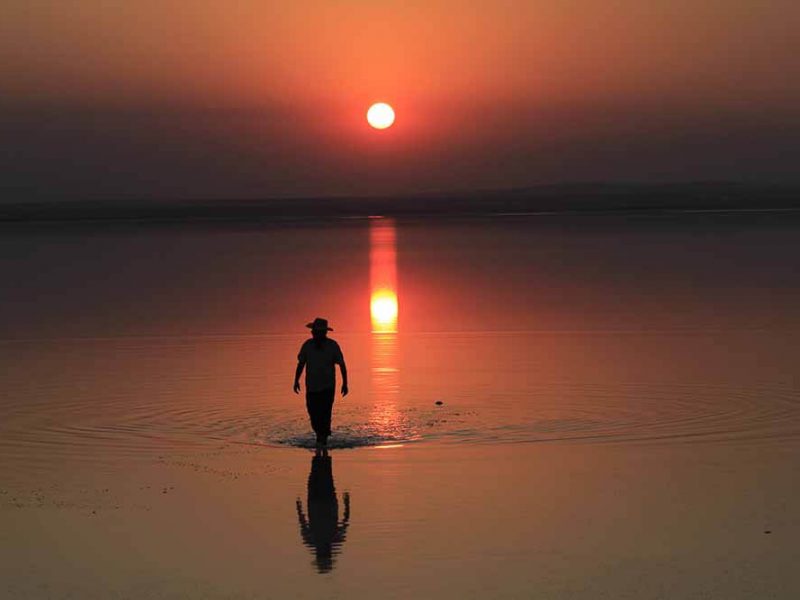
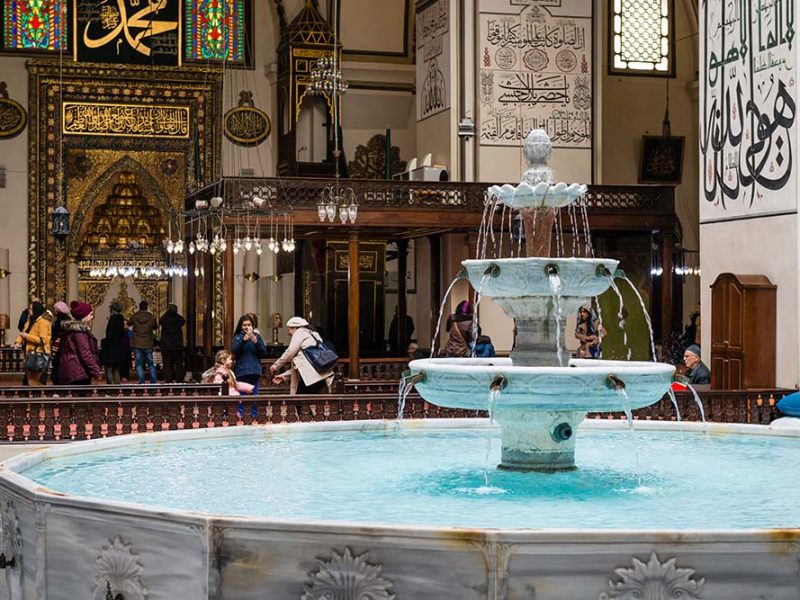
Denizli, which is in the Aegean Region and the Mediterranean Region. You can see the traces of different civilizations and tribes ruled in the Aegean basin in the history of the city, which dates back to the Seljuk and Byzantine periods. Surrounded by Uşak, Manisa, Afyon, Isparta, Burdur, and Muğla, Denizli carries many features and beauties of both the Aegean and Mediterranean.
Climate and Local Cuisine
The city is dominated by the Mediterranean climate, especially in the spring and summer, while the winter has more of a continental climate. For this reason, the winters are cold and the summers are hot and dry.
Denizli Cuisine consists of fine flavors blended with Aegean vegetables and olive oil dishes. You can try local keşkek, which is found in many places in Anatolia. Also, leğen böreği, basil pastry, cızlama, arabaşı, kabak aşı, yoghurt kofte, and Macar tarhanası are tastes you should definitely try.

Cızlama
Places to Visit
You can come across many important historic ruins and natural beauty in the city.
- Pamukkale Travertines: Pamukkale travertines, which are listed on the UNESCO World Heritage Site, attract millions of tourists.
- Ancient City of Hierapolis: The ancient city built by the Kings of Pergamum in the 2nd century BC is known as the holy city and is on the route of the holy pilgrimage.
- Ancient City of Tripolis: The city from the Late Hellenistic period was used as a trade route during the Phrygian and Lydian periods.
- Colossae Ancient City: Honaz carries the traces of the ancient city.

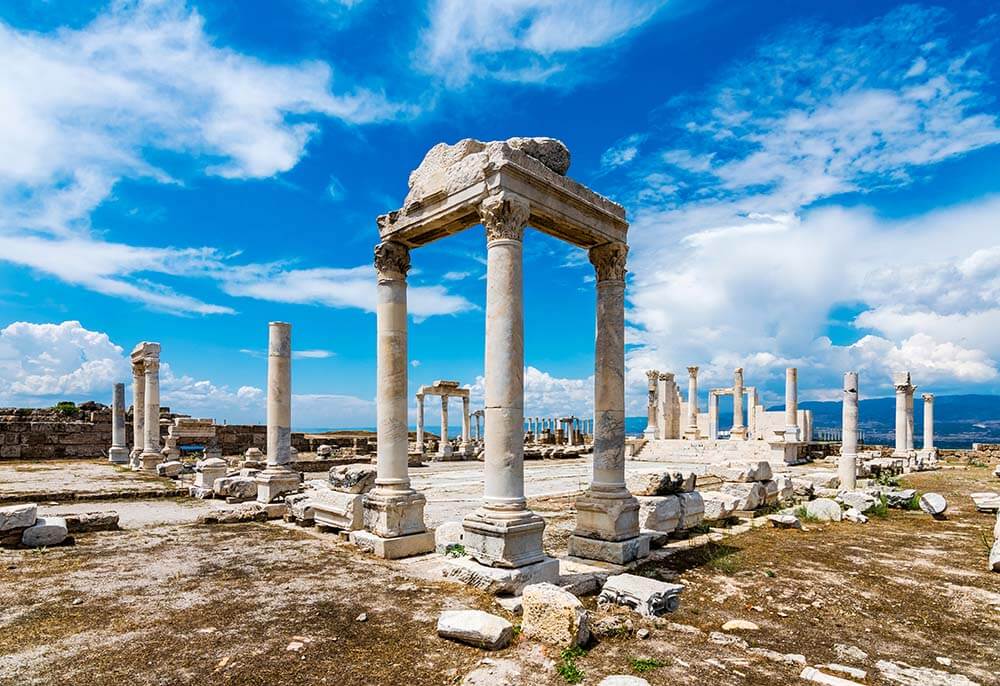
Laodicea Ancient City
- Ancient City of Tabea: The ancient city belonging to the Hellenistic period also includes a Roman bath.
- Ancient City of Laodicea: The biggest trade city of its period.
- St. Philippe Martyrion Church: The church, which was built in the 80’s after Christ, is still one of the important places to be seen with its doors, rooms, and stone walls.
- Ağlayan Kaya Waterfalls
- Buldan Houses: The houses, which have 18th and 19th century architecture in the Ottoman period, are flooded by photographers along with their wonderful streets.
- Topuklu Plateau: Topuklu Plateau, which has a clean nature, is also preferred for lakes, hiking trails, and picnic areas, especially in spring and summer.
- Keloğlan Cave: It is located in Dodurgalar region and has a beautiful appearance with stalactites and stalagmites.
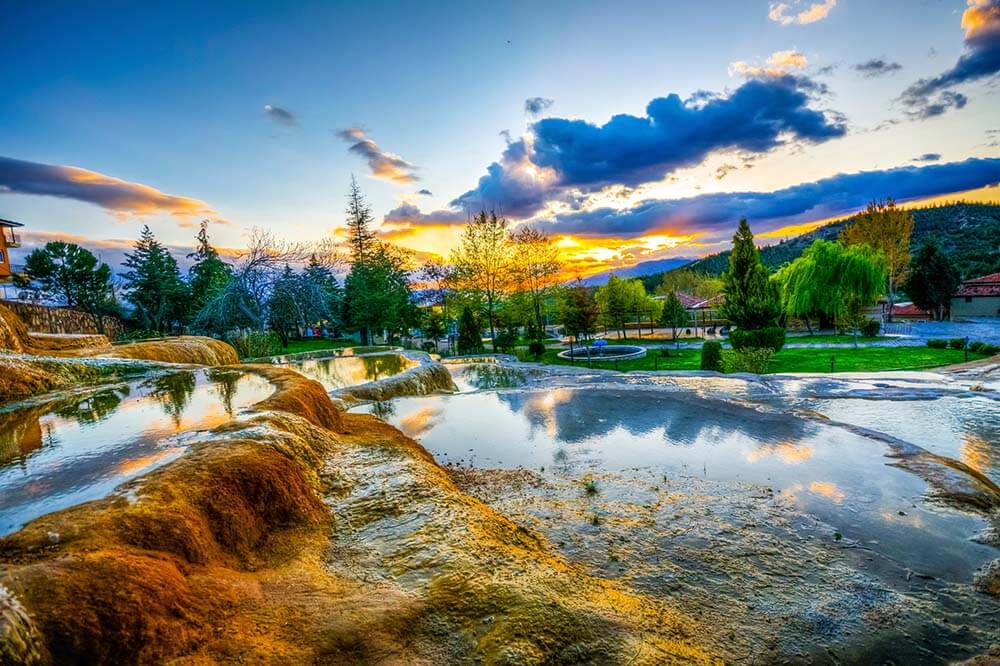
Karahayit spring
Festivals
In the first week of October, the Akvadi Festival attracts the attention of music lovers. The Kızılcabölük Culture, Art Textile and Fashion Festival hosts a variety of fashion exhibitions that have been organized for a long time. Denizli Ege Poets Festival offers a beautiful music and poetry event.
How to Get There
You can take a plane to the Denizli Çardak Airport. There are transfer services for the 45 kilometers from the airport to the city center. If you want to go to Denizli by road, you can use the Izmir, Aydin, or Afyon route. You can also reach the city through the Eskişehir rail line.