Bitlis, located in the Eastern Anatolia Region, has a history dating back to 2000 BC. In the time of the Hittites, Assyrians and Urartians, the city was an active settlement. Later, Scythians, Medes and Lydians also came to the city. The historic city, which also hosted Alexander the Great, was transformed into Turkish homeland in the Seljuk and Ottoman times after the Roman and Byzantine periods. It neighbors Muş and Ağrı in the north, Van in the east, Siirt in the South, and Batman in the west.
Climate and Local Cuisine
As in all cities in the Eastern Anatolia Region, there is a continental climate in Bitlis. As the altitude is high, summers are hot and winters are cold. Especially in the winter, snow cover lasts for a long time. You can organize trips to the city in the spring and summer. However, you can encounter a mild climate due to the lake around Ahlat and Tatvan.
Bitlis cuisine is characteristic of the east, so meat and kebab are welcome on the menus. In particular, Büryan Kebab is one of the best flavours around the world. Other interesting recipes are çorti aşı, has dolması, kükü, liver, halise, içli köfte (kibbeh), Bitlis köfte, yalancı dolma, and tutmaç aşı.
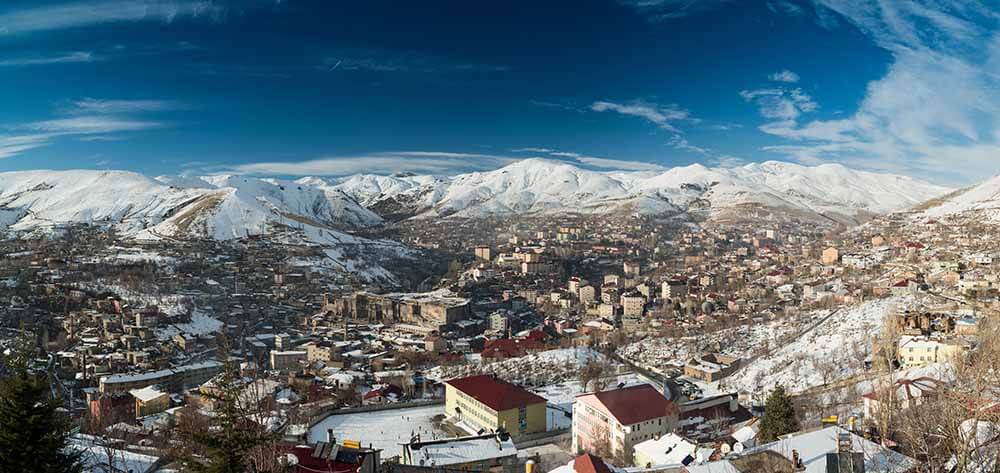
Panoramic view of the historical city.
Places to Visit
Bitlis is a different tourism spot developed around Nemrut Mountain. Historic buildings are intertwined with natural environments. For this reason, we offer attractive and authentic options for places to visit in Bitlis.
- Mount Nemrut: Mountain, which is rising in the Tatvan district of Bitlis, offers you a panoramic view with a huge size of up to 3000 meters. There are also ski slopes for winter sports.
- Nemrut Crater Lake: You will not be able to get enough of the nature walks around the lake in spring and summer. In addition, the crater lake is very attractive for photographers. Nemrut Lake, one of the largest crater lakes in the world, has a rare beauty.
- Bitlis Castle: You have to open a special category for Bitlis Castle. The castle, which was built in 312 BC, is still home to many historical excavations. The fortress is 56 meters high, and with its magnificent structure, it is one of the symbols of the city.
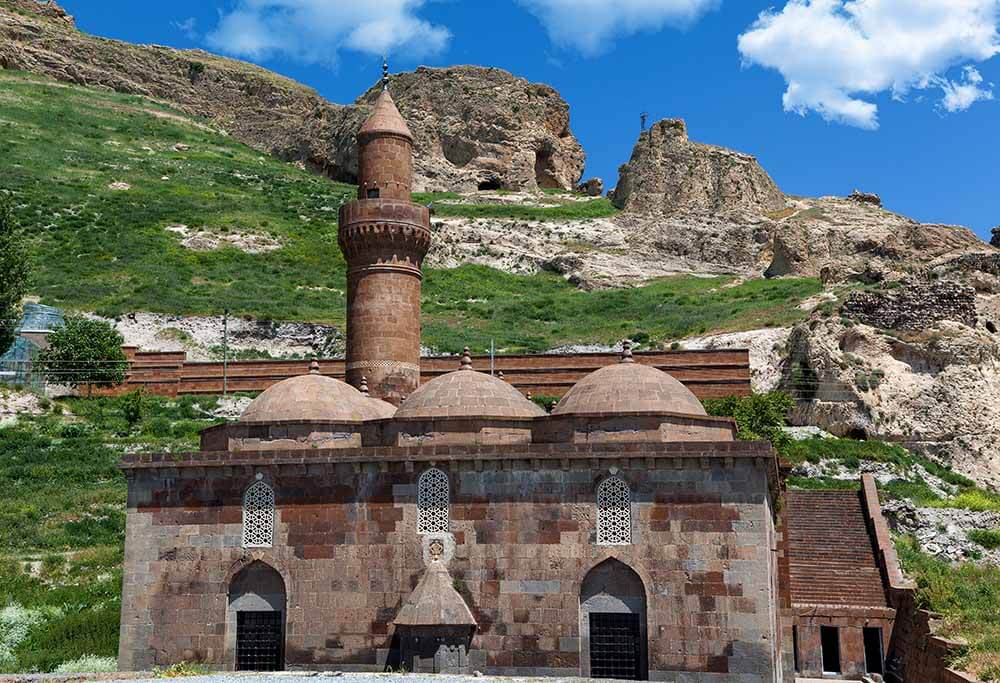
Historic Tuğrul Bey Mosque.
- Lake Van: Lake Van, which is defined by the local people as the sea, is located on the border of the Tatvan district. You can visit Lake Van, which is formed by explosions in Mt. Nemrut, between Tatvan and Van.
- Şerefiye Mosque: An old church transformed into a mosque in the 1500s.
- İhlasiye Madrasah: A sheltered madrasah from the Seljuk period, built in 1216.
- Ahlat Seljuk Cemetery: The cemetery, which is in the district of Ahlat and belongs to the Seljuk period, is one of the most important open air museums today. There are more than 8 thousand different tombstones and the monumental tombs are inscriptions that reflect the history of the period.
- Ahlat Museum: The museum. which exhibits works belonging to Urartu period, especially in the Roman, Byzantine, and Seljuk times, has been established on historic ruins.
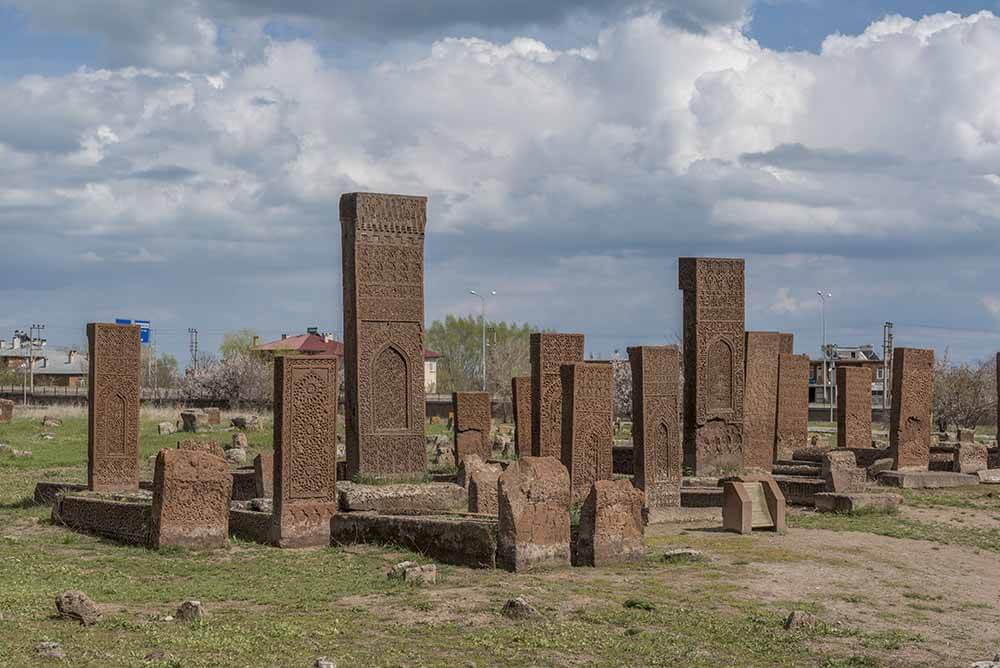
Seljuk Tombs Detail at Ahlat.
- Çifte Kümbetler: Double tombs on the banks of Lake Van are 13th century Seljuk artifacts.
- El-aman Han: This famous Turkish inn from the Middle Ages is rich in history.
- Süphan Mountain: This is the second highest volcano in Turkey and definitely something to see.
- Kureyşi Mosque
- Emir Bayındır Mosque
- Bitlis Ulu Mosque
- Historical Hizan Mosque
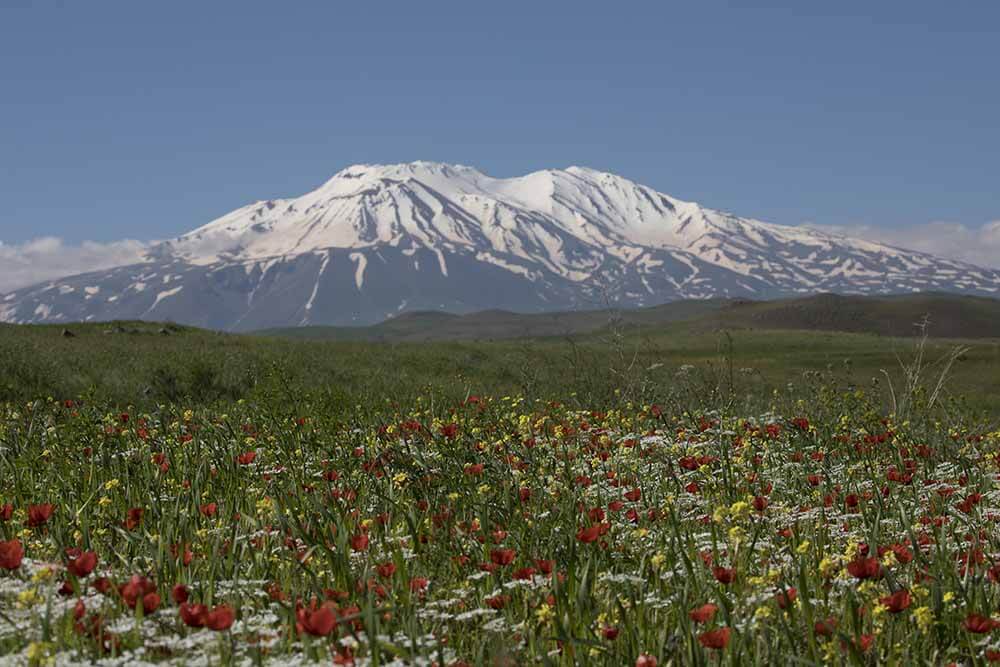
Adilcevaz Village, mountain reflection of the lake.
Festivals
Tatvan Eastern Anatolia Fair, which is held every year in June and July, is a handicraft festival with a wide participation. Adilcevaz Walnut Festival, Ahlat Culture Week Festivals, and Nemrut Crater Lake Plateau Festival are important events that have reached popularity and opened for tourism.
How to Get There
If you want to go to Bitlis by road in the east of our country, you can prefer Muş or Diyarbakır route. You can also reach Bitlis with ferries from around Van. There is also train line from Van called Van Gölü Express. If you prefer the airline, Van or Muş airports are within a 2–hour distance.