Bartın, located in the western Black Sea region, has recently been rediscovered as one of the most beautiful cities of our country. With Kastamonu in the east, Karabük in the south, Zonguldak in the west, and a 59-kilometer coastline in the northern part of Bartın, the city is indispensable for those seeking simplicity and silence during summer tourism. The Hittites, Phrygians, and Paphlagonia ruled in Bartın, which dates back to the 13th century BC. It was used as a commercial base by the Byzantine Empire until the 2nd century, BC. During the Seljuk and Ottoman periods, it was one of the important centers.
Climate and Local Cuisine
Bartın, which has a typical Black Sea climate, is a city that has rainfall every season. The city, which is not very cold in winter, has a mild climate, enabling visits all 12 months of the year. Especially in the summer, it is ideal for sea tourism.
Bartın Cuisine is an extremely fresh feature blended with Black Sea herbs and vegetables. In the coastal city of the Black Sea, you can also consume fish species freshly during the season. Especially the Amasra salad has become quite famous recently. 40-folds börek, pumpum soup, egg isbut, zucchini burma, rice mantı, and chicken börek are a must-taste. In addition to seafood, you can also find nice mezzes prepared from local herbs.
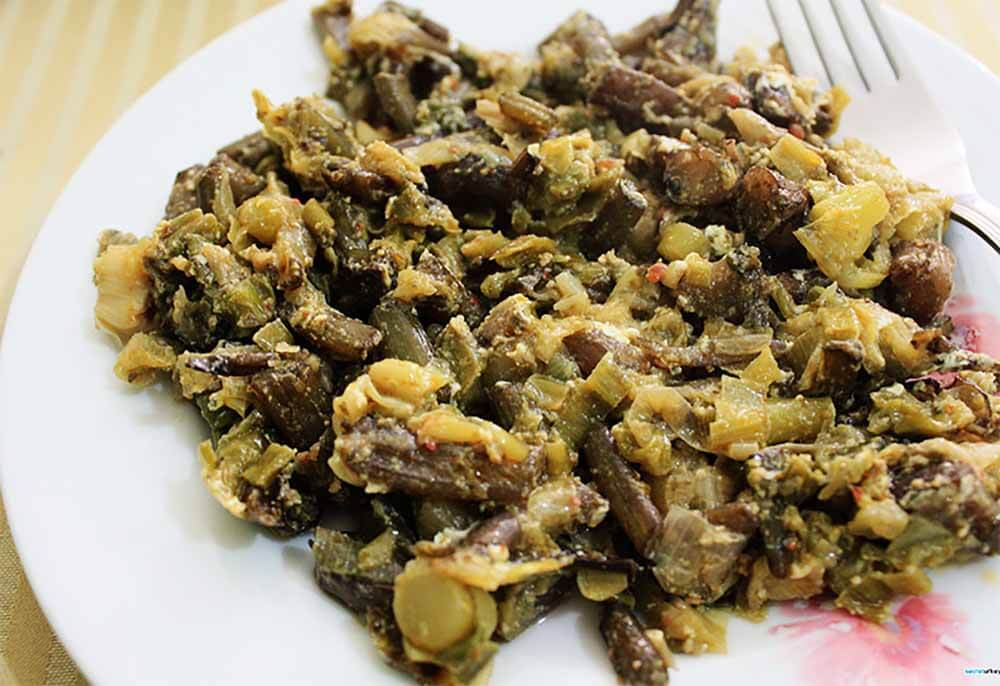
Egg isbut
Places to Visit
If you like nature and want a quiet holiday, Bartın is for you. Places to be visited in Bartın include coastal towns and unspoiled natural areas.
- Gürcüoluk Cave
- Amasra Lighthouse
- Amasra Beach: Amasra, a coastal town of Bartın, has also become famous in recent years. It is preferred for summer tourism, especially with its clean and beautiful beach areas.
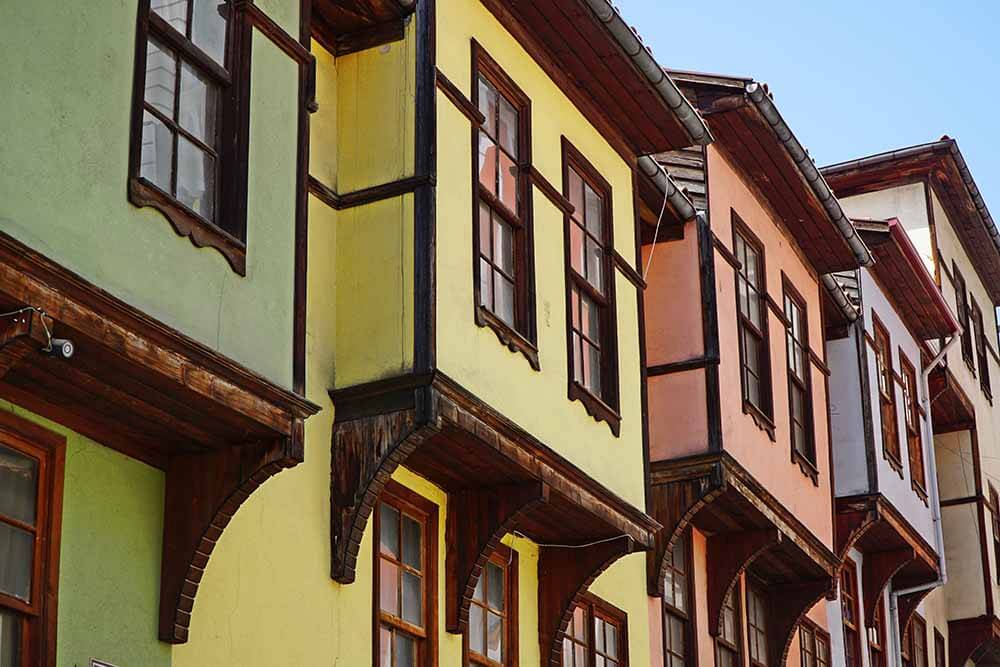
Colourful Ottoman Turkish houses.
- Çambu Beach
- Güzelcehisar Beach
- Amasra Harbor
- Gezen Plateau
- Bartın Küre Mountains National Park: One of the biggest National Parks of Turkey, you can find trekking and hiking routes.
- Uluyayla and Ardıç Plateaus
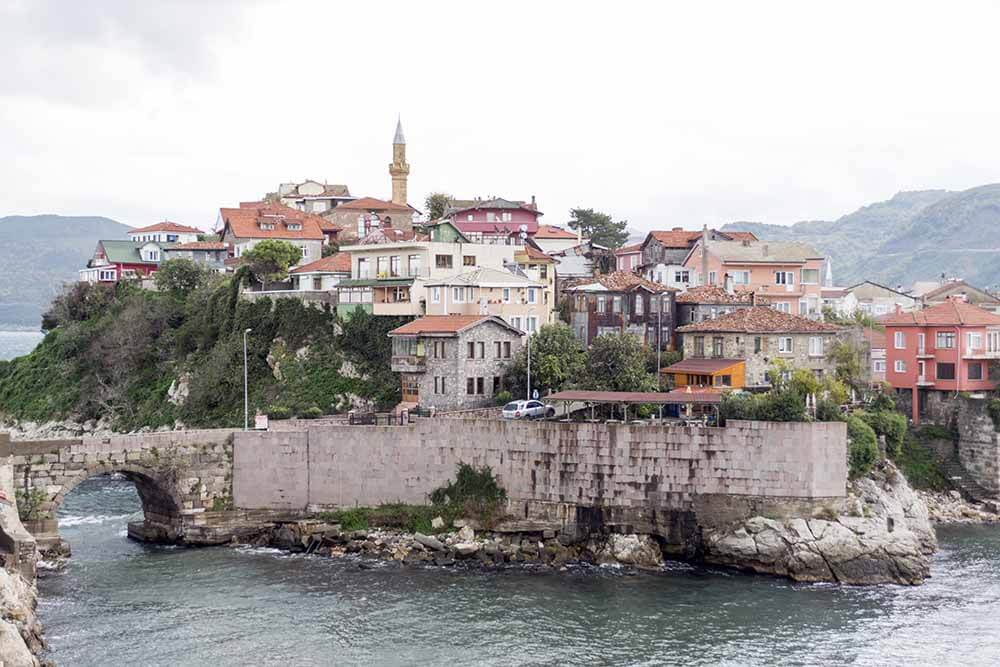
Bartın, which has a typical Black Sea climate, is a city that has rainfall every season.
- Güzelce Hisar Fortress
- Amasra Museum: Many important remains and historical artifacts of Amasra’s historical texture dating back to the Genoese time are included in the museum.
- Amasra Genoa Castle: The castle built by the Genoese families who reigned in Amasra is still kept on stones.
- Castle of Amasra: The Roman fortress was used also during the Byzantine period and was repaired during the Genoese and Ottoman period. It has a strong structure with two different castles called Sormagir and Dungeon.
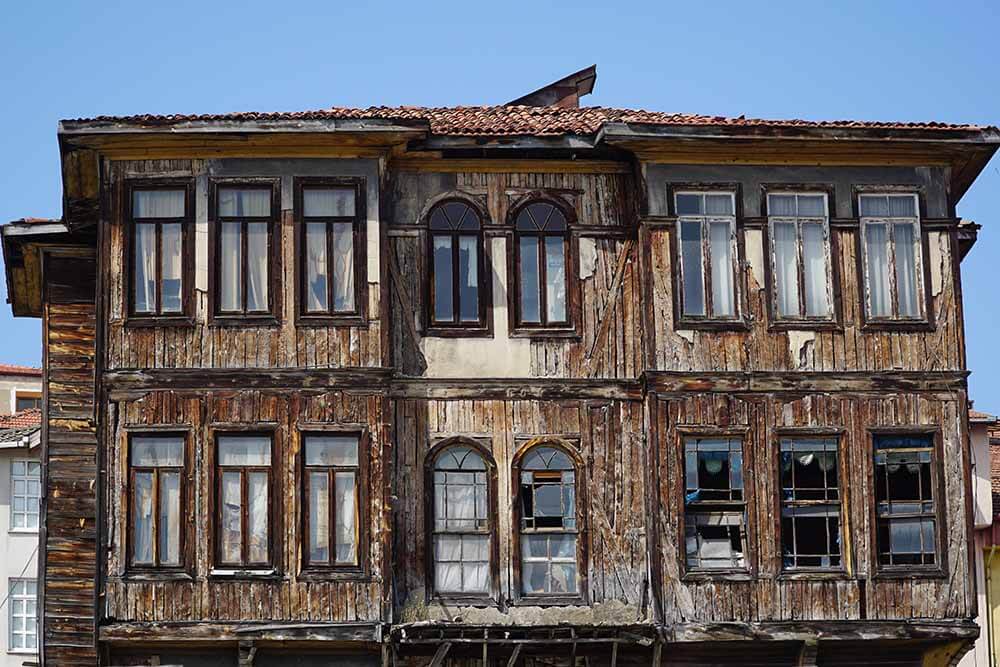
Old Turkish wooden houses
Festivals
Bartın Culture Art Tourism and Strawberry Festival is held in the last week of May and the beginning of June. Strawberries collected in the region are exhibited. Kozcağız Environmental Culture and Arts Festival is held in the 2nd week of July, where you can find handcrafted products of the region. In addition, the Inkumu Summer Festival and Ulus Nature Festival are held in August.
How to Get There
Bartın is very close to Istanbul, Ankara, and Bursa and can be easily reached by road. If you want to fly to Bartın, you can choose the airport in Zonguldak. You can also access Bartın by railway.