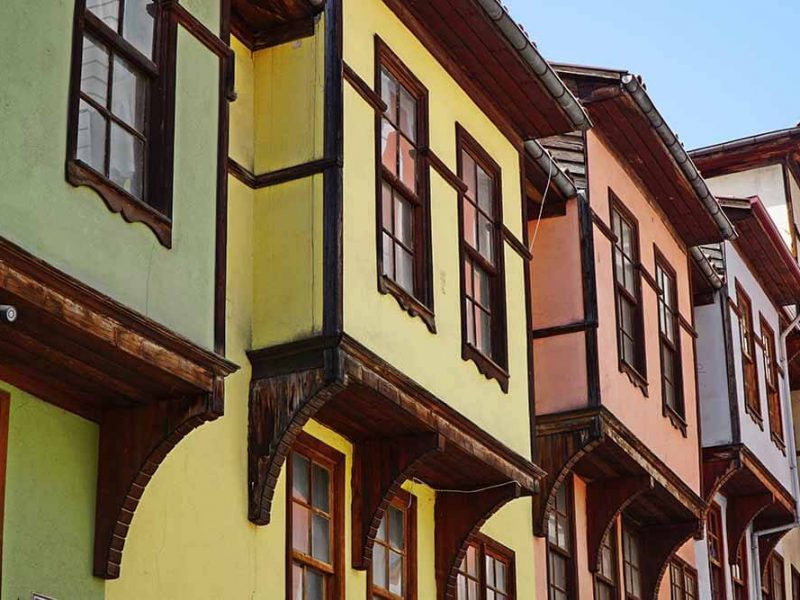
Color plays a pivotal role in Turkish vernacular architecture. The hues chosen for traditional Turkish homes mirror not only aesthetic preferences but also regional materials, climate adaptations, and deep-rooted customs. Widespread across Anatolia, these color palettes enrich our understanding of local identity.
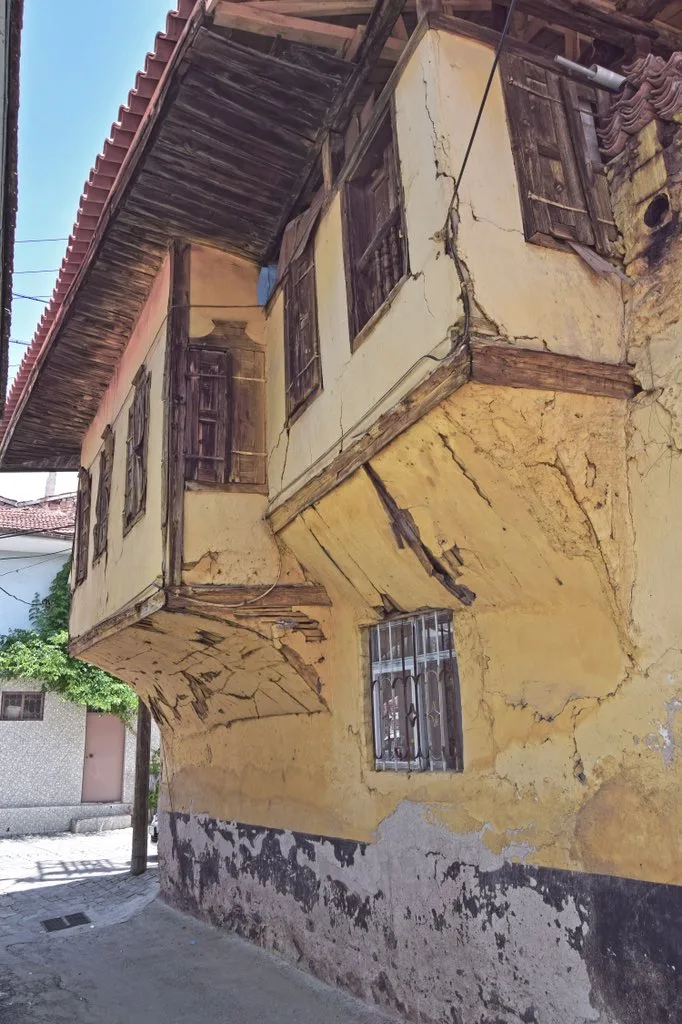
A yellow oxide house from Kula. Yellow oxide is one of the most commonly seen colors today in the remaining houses in our country and the Balkans.Iron oxide yellow paint is thinned with pine turpentine or non-synthetic petroleum. About 20-25-30% of linseed oil is added.
Regional Color Stories
Aegean & Mediterranean: White & Blue
- Whitewashed “sugar‑cube” houses, commonly seen in Bodrum and the Aegean, reflect glaring sunlight and evoke the seascape.
- Accents in azure blue -especially doors and windows- are believed to ward off scorpions and the evil eye.
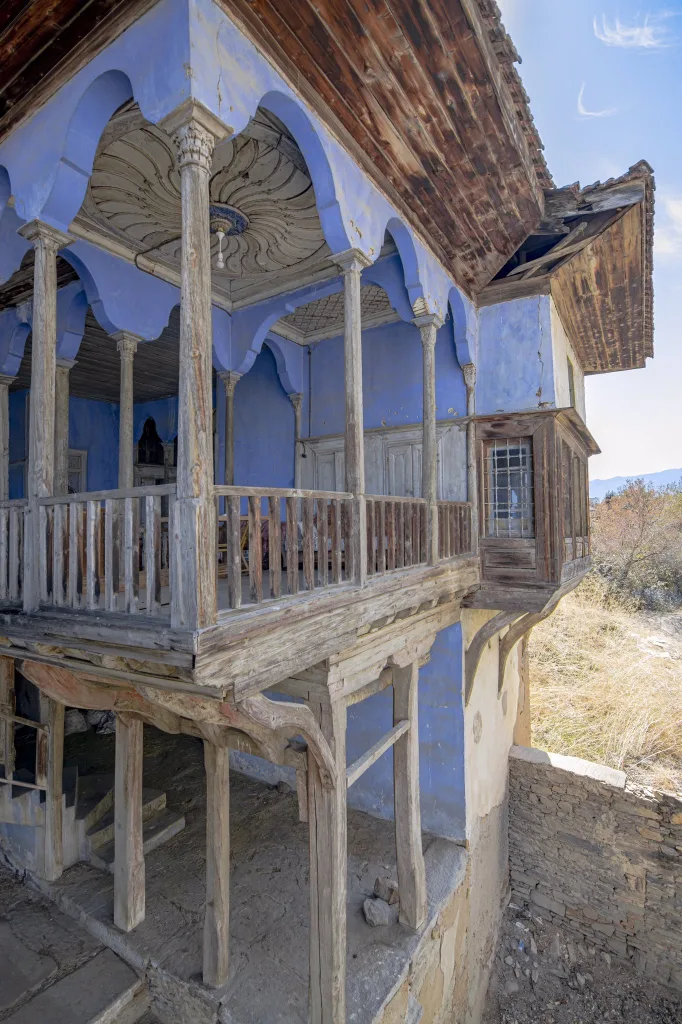
In Aydın, at the Arpaz Beyler Mansion in Nazilli, indigo blue…
In the past, many houses were painted with laundry indigo to keep scorpions away. For this reason, indigo blue is also one of the traditional colors of Turkish houses.
Black Sea & Mountain Villages: Earthy Browns & Warm Tones
-
In forested highlands like the Kaçkar Mountains, wood‑planked homes are stained brown; both practical and harmonious with nature.
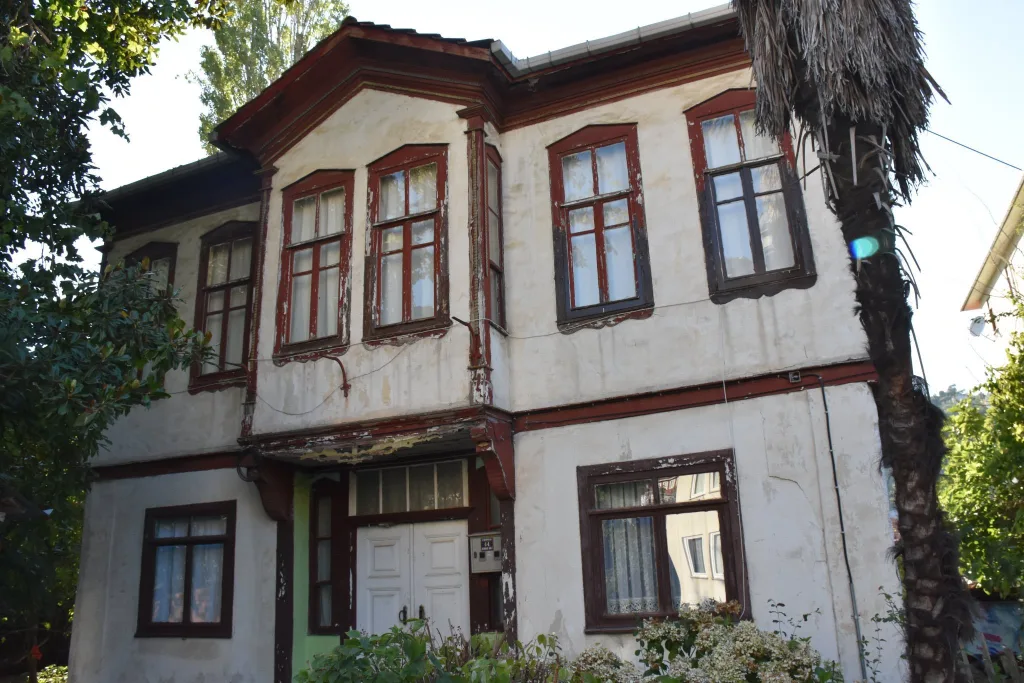
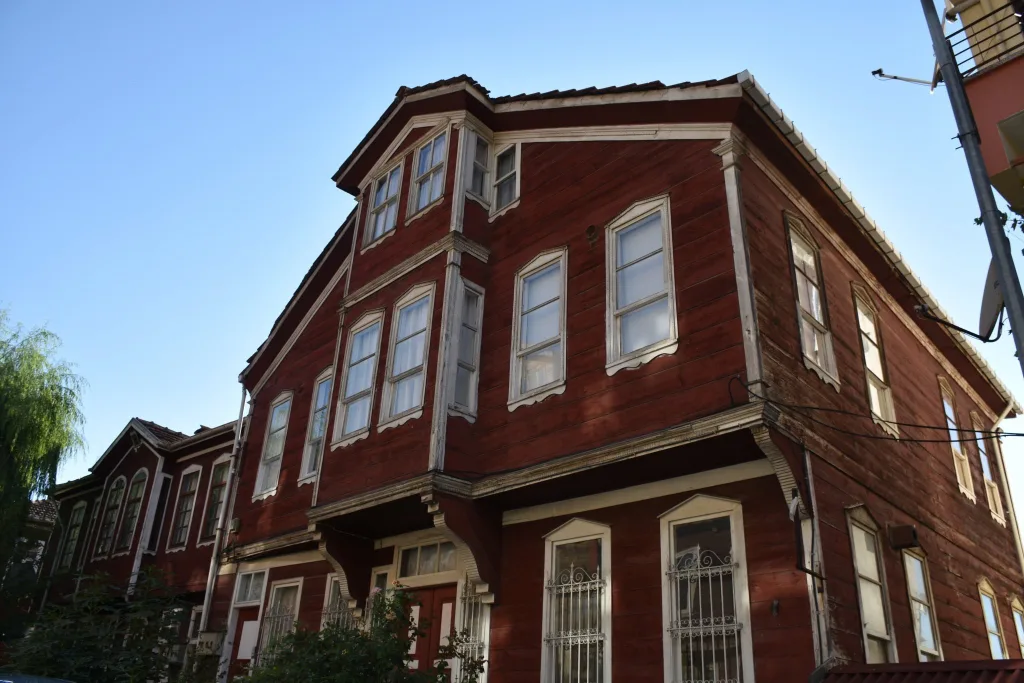
İnebolu, a district of Kastamonu, has an unspoken color scheme; the traditional colors of this settlement are “gülbahar” and “beyaz üstübeç.” Gülbahar is one of the names for iron oxide in Turkish houses.
Safranbolu & Central Anatolia: Natural Stone & Wood
-
Ottoman-era townhouses often feature stone-bonded walls with brown or muted blue wood trim, blending light diffusion with visual warmth.
Istanbul Yalı Mansions: Subdued Elegance
-
Istanbul’s prestigious waterside mansions show off tattletale gray and brick-red exteriors; statements of status with dignified restraint.
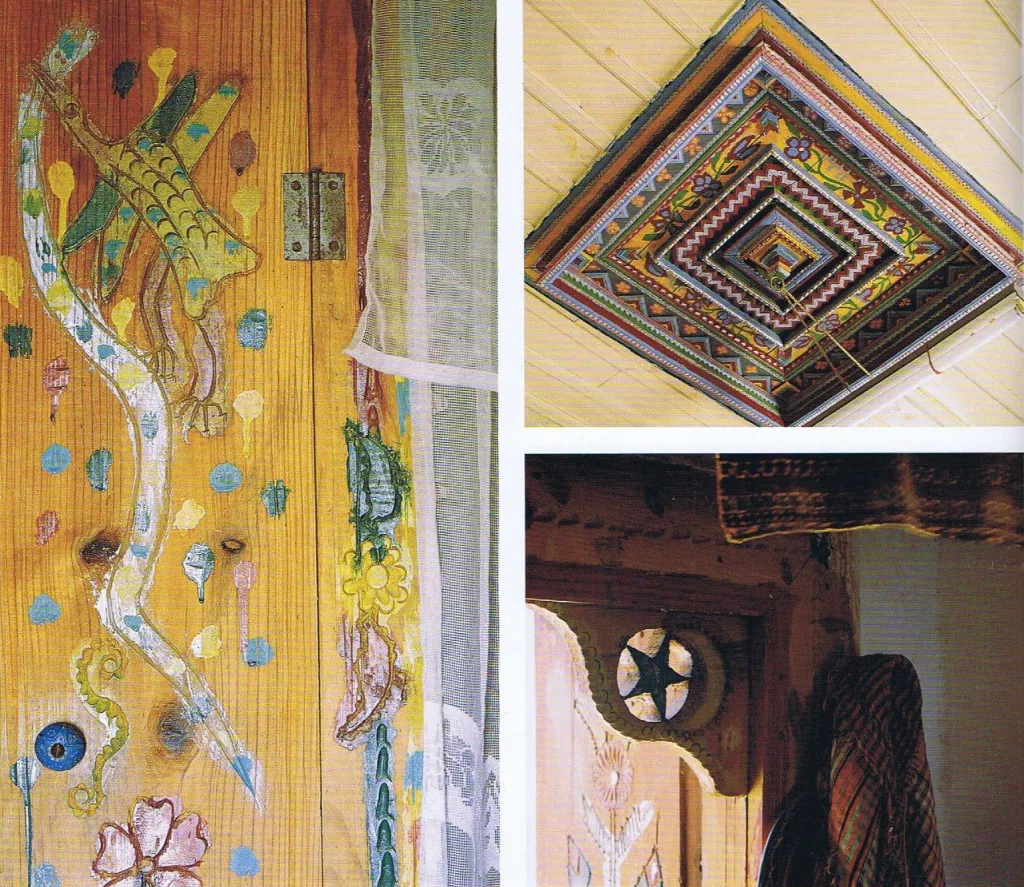
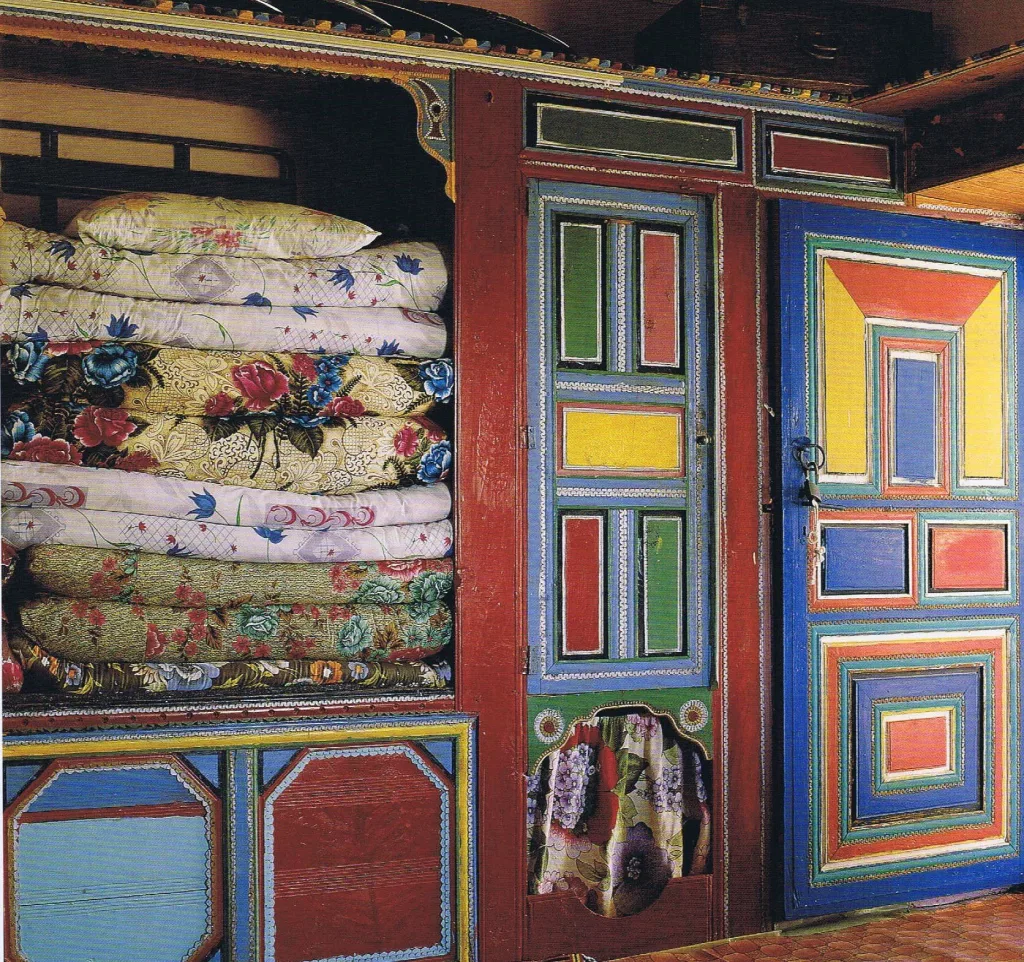
The houses, the women’s clothing, and the graves of Milas, Kızılağaç, Çomakdağ Village are all colorful. This is a nomad village founded about 500 years ago by the Onoklar tribe of the Oghuz Turks.
Rural Farmhouses: Rustic Reds
-
Agricultural homes across rural Turkey favor deep red, echoing terracotta roof tiles and symbolizing practicality.
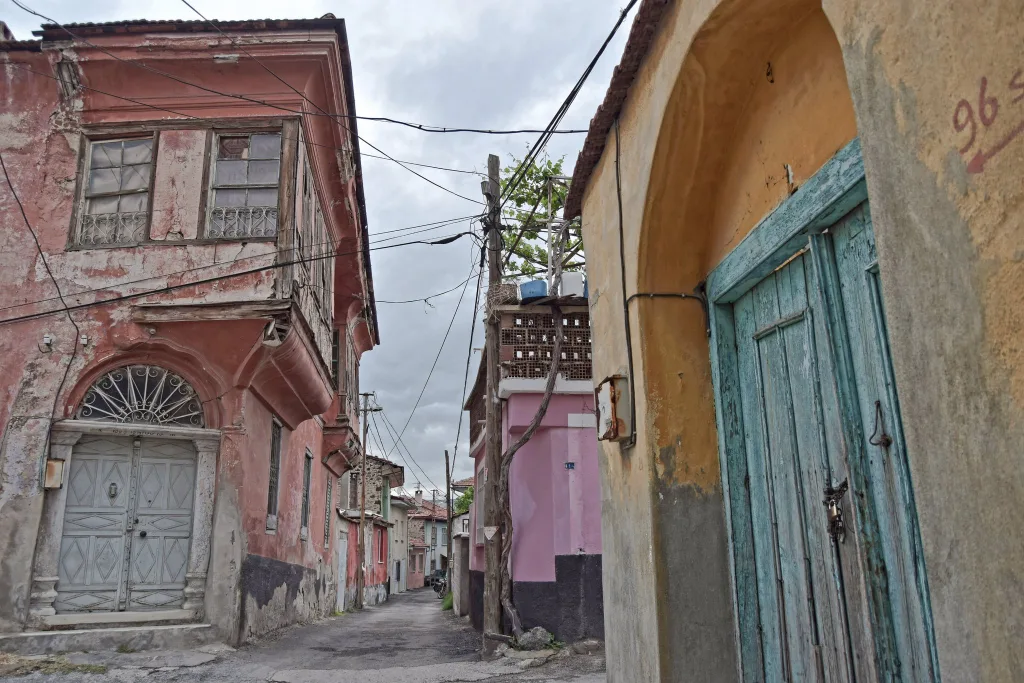
Colors of Turkish houses from Kula. On the left corner, a red house painted with oil-free üstübeç (white color) mixed with iron oxide yellow; on the right, a wall in iron oxide yellow, and a green door obtained by mixing laundry indigo blue with iron oxide yellow.
Material Meets Hue
Color choices are not purely decorative: they align with construction practices:
- Sun-dried brick in Central Anatolia = natural terracotta/red tones.
- Limestone and stone in the Mediterranean = bright whites.
- Wood in the Black Sea = varying brown shades depending on stain or age.
This thoughtful use of available materials illustrates how form and function are inseparable, with color underscoring both.
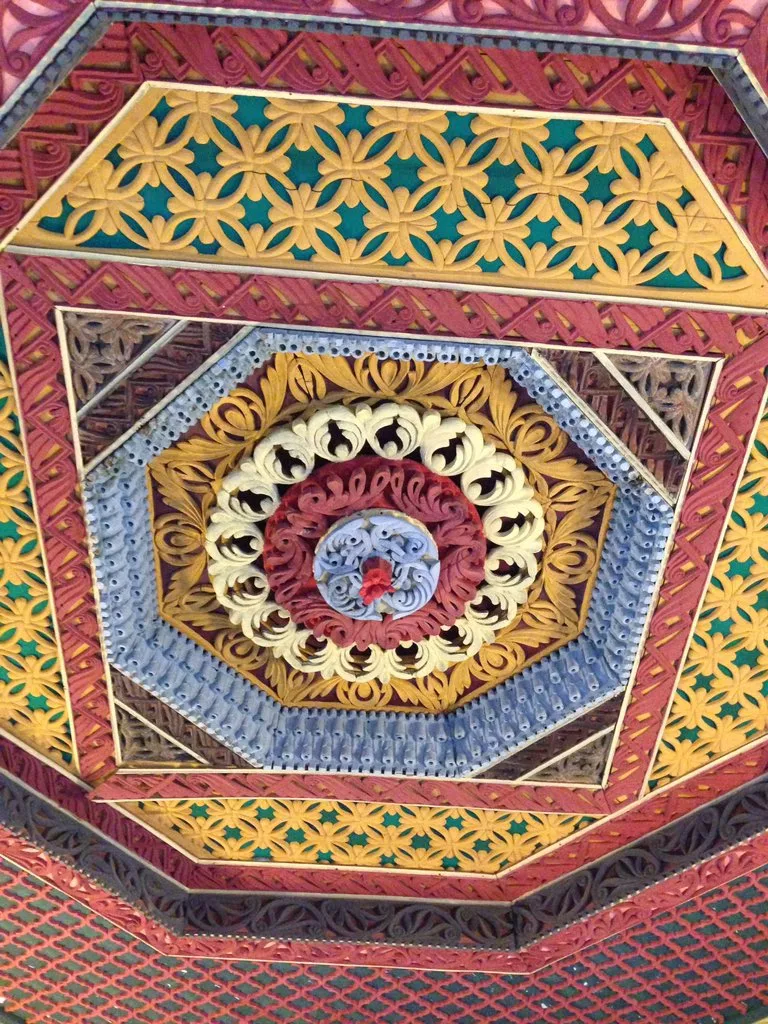
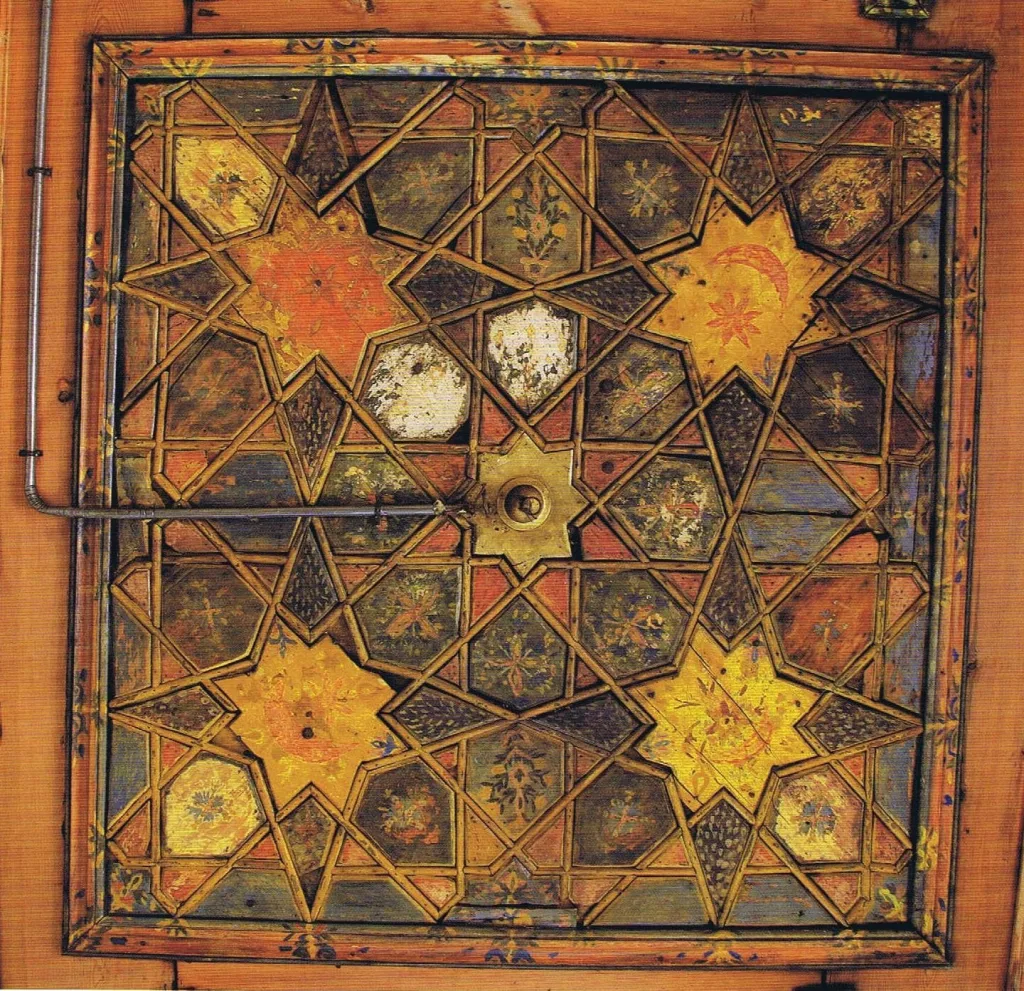
Trabzon Sürmene Memiş Ağa Mansion, a mansion from Kastamonu, the Tsiatsiapa Mansion in Kesriye, and the Poulkos Mansion in Siatista—all share the common feature of having colorful ceilings.
How Climate Shapes Color
Turkish housecolors are climate-smart: White reflects heat in sun-drenched Aegean climates, earthy browns absorb and retain warmth in cooler mountainous regions. This synergy of color and environment highlights an intelligent vernacular tradition.
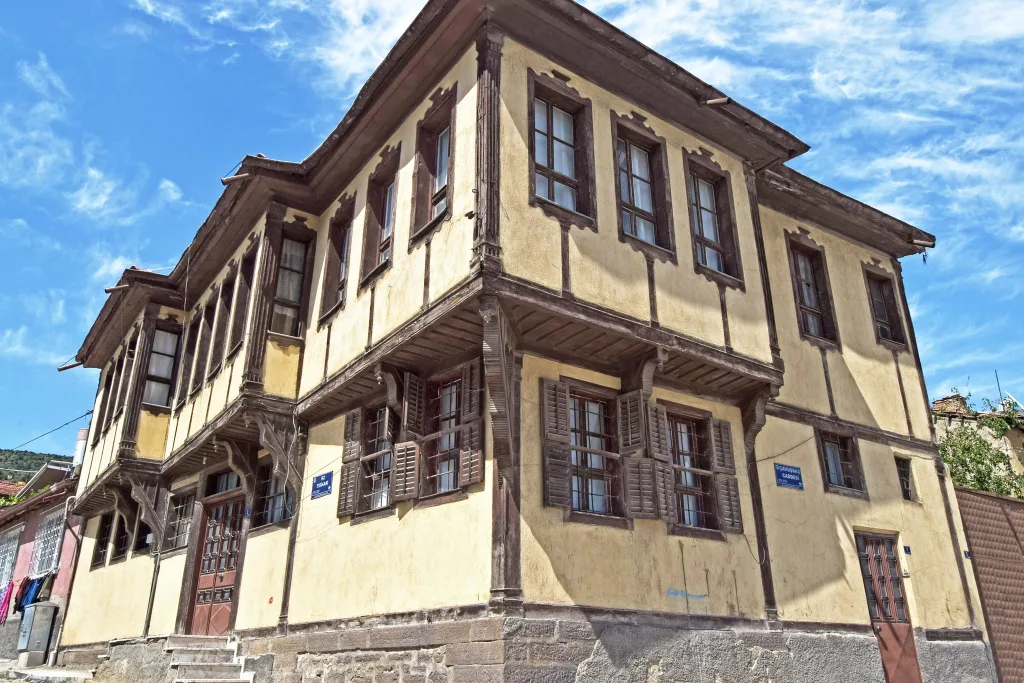
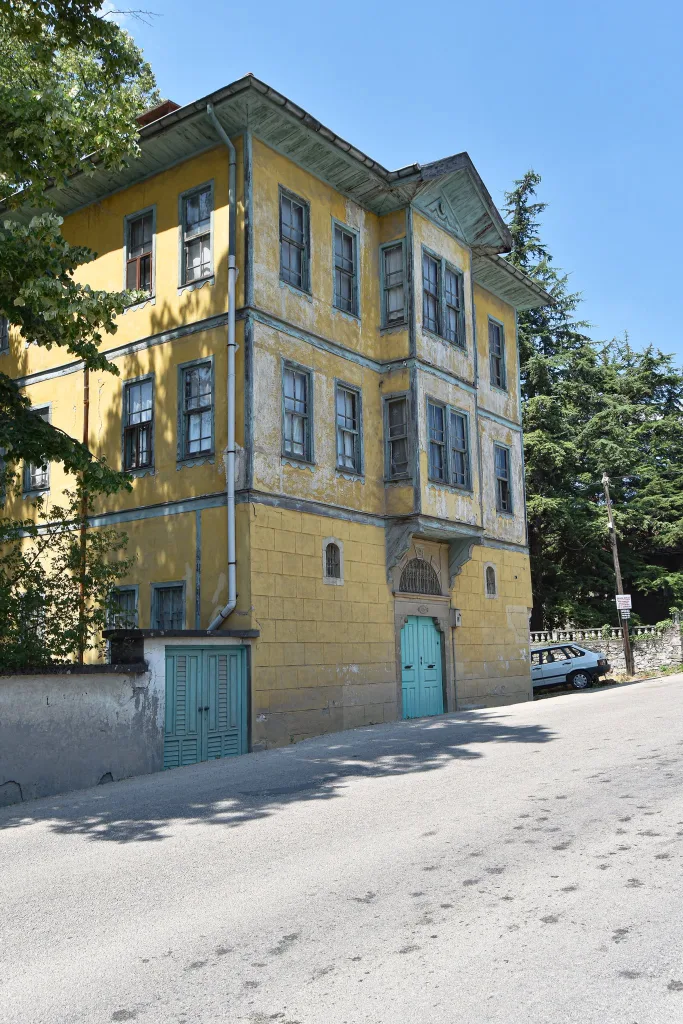
Our iron oxide yellow mansions in Afyon and Safranbolu. Not only their colors but also their wide eaves, bay windows, wooden brackets (eliböğründe), window proportions, ground floors used as service areas (kitchens, etc.), and upper floors serving as living spaces are their common features.
Modern Relevance & Preservation
These traditional color schemes persist in restoration efforts and boutique lodgings:
- Safranbolu houses are UNESCO protected, with strict painting codes.
- Balat (Istanbul) repaints in kaleidoscopic facades, spotlighting heritage in harmony with tourism.
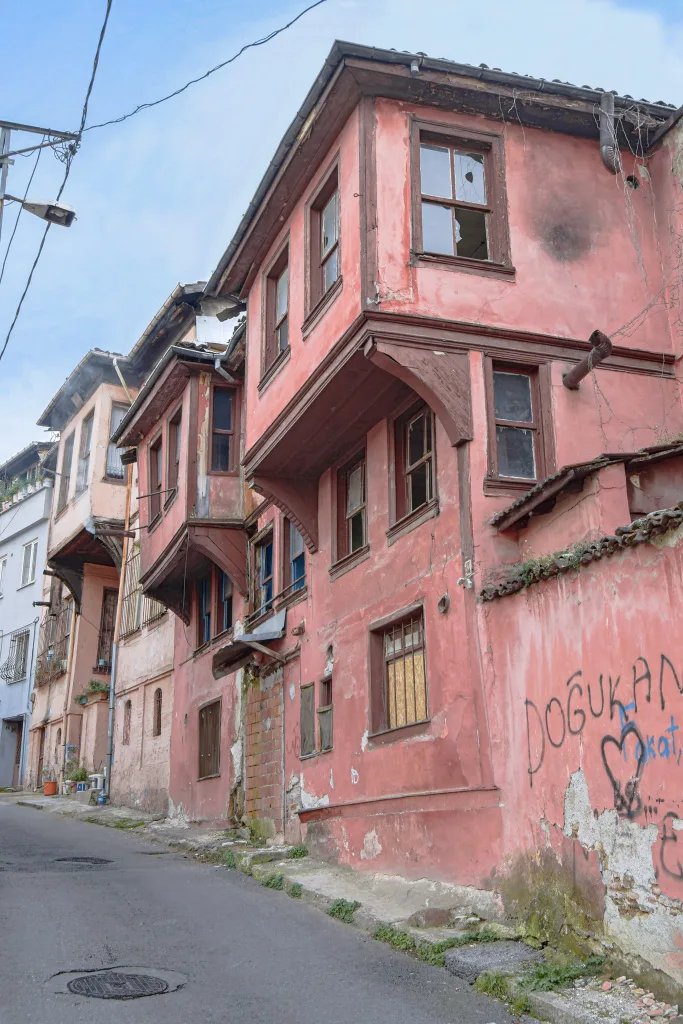
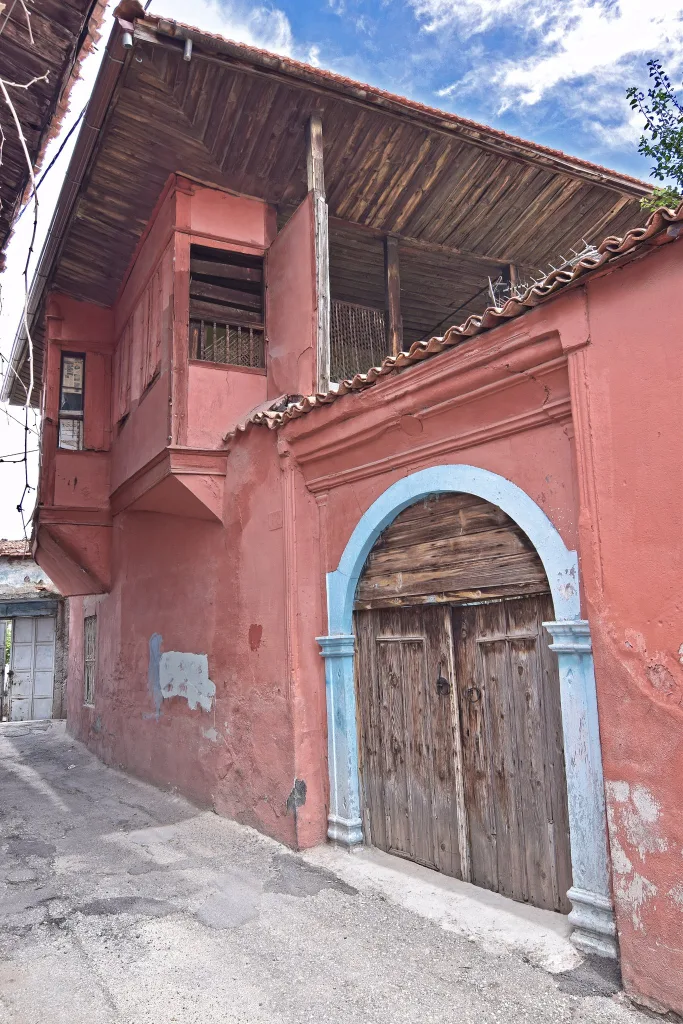
Turkish houses with iron oxide red in Bursa and Afyon… The color tones are adjusted by mixing oil-free üstübeç (white color), iron oxide yellow, and drop by drop black pigment, along with pine turpentine.
Restorers emphasize historically accurate pigments -whether reproductive blues or matte earth tones- to maintain authenticity and visual coherence.
The vibrant palette of traditional Turkish houses -ranging from Aegean whites to Black Sea browns and Istanbul grays- embodies a fusion of culture, climate, and construction. These colors are more than aesthetic; they’re historical narratives painted onto wood, stone, and brick.