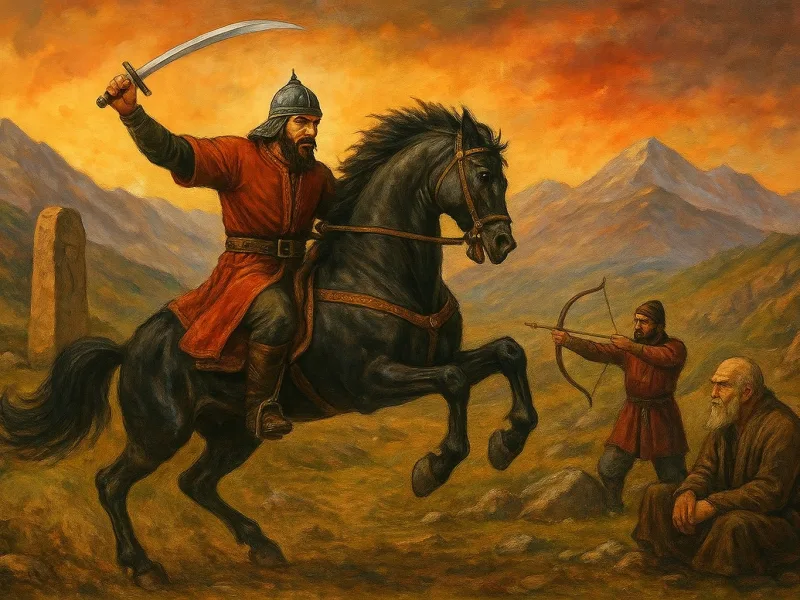
The Dede Korkut Stories are among the oldest and most important works of the Turkish language and Turkish literature. Covering the vast region inhabited by the Oghuz Turks, these stories were inscribed on UNESCO’s Representative List of the Intangible Cultural Heritage of Humanity in December 2018. Submitted jointly by Kazakhstan, Azerbaijan, and Turkey under the title “Dede Qorqud / Korkyt Ata / Dede Korkut Heritage: Epic, Tale, and Music,” this heritage has been recognized as a significant multinational cultural treasure.
Origins and Themes
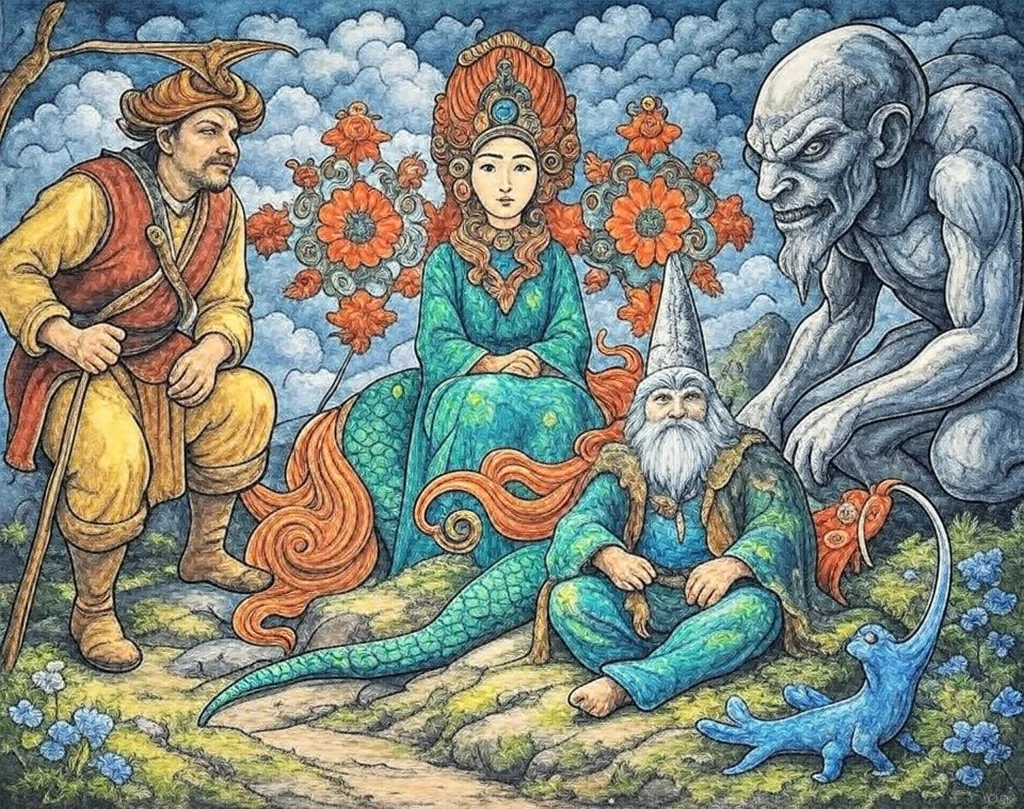
The stories are generally dated to the 10th and 11th centuries, although some parts are believed to be much older. For example, the tale of Bamsi Beyrek is estimated to date back to the 5th or 6th century. The narratives cover events within the Oghuz community as well as interactions with neighboring tribes. Themes of heroism, warfare, bravery, and love appear in varying forms across the tales.
The events initially took shape in the Oghuz homeland of Central Asia and continued in northeastern Anatolia; including regions such as Kars, Bayburt, Erzurum, Erzincan, and Ağrı; following the migration of the Turks to Anatolia. Certain castles and geographic descriptions in the stories correspond to existing structures in these areas today.
The Identity of Dede Korkut
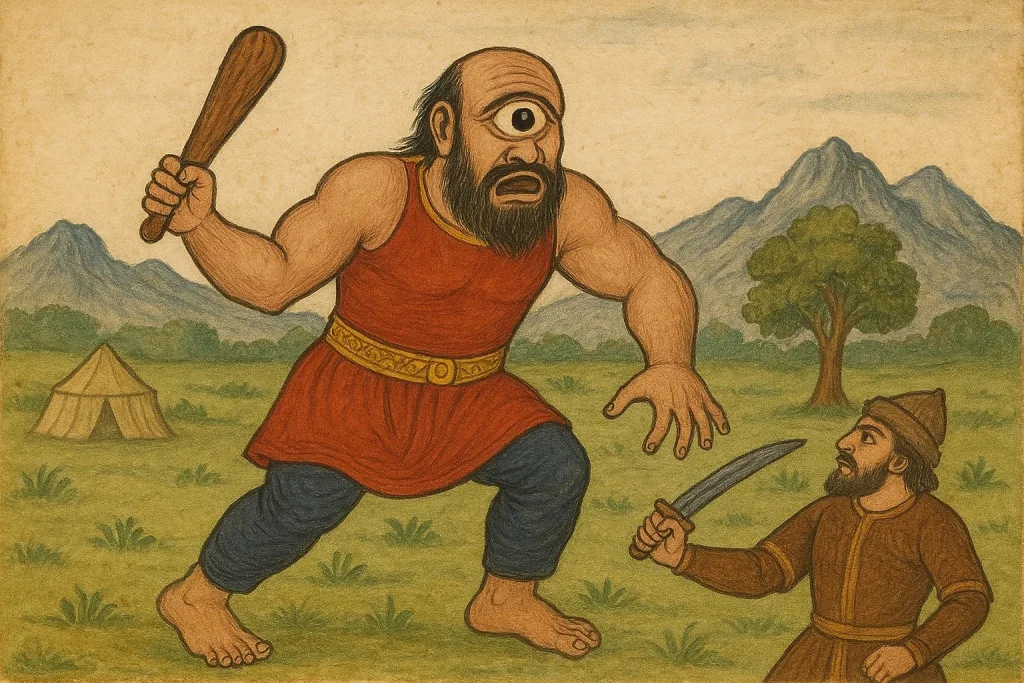
The identity of Dede Korkut cannot be precisely determined. Some sources describe him as a shaman who played the saz, while others depict him as a wise man, descended from the Oghuz, who lived for 295 years and witnessed the adoption of Islam. Among the people, he is sometimes believed to have been born from the daughter of a giant. In the stories, he appears as a knowledgeable narrator, called “dede” or “ata,” who is well-versed in customs and traditions.
While parts of the stories align with historical Turkish traditions, many elements are mythological or supernatural in nature.
Structure of the Work and Manuscripts
Prominent characters in the stories include Dirse Han, Boğaç Han, Deli Dumrul, Bamsi Beyrek, Kazan Bey and his son Uruz, Kanturalı, Yegenek, Basat and Tepegöz, Begil Oğlu Emren, Segrek, and Aruz. These works lived in oral tradition for a long time before being transcribed during the Akkoyunlu period in the 15th century. The original title of the manuscript is Kitab-ı Dede Korkut Ala Lisan-ı Taife-i Oğuzan, and the author remains unknown. The texts combine prose and poetry and exhibit characteristics of Azerbaijani Turkish.
The oldest known manuscripts today include a complete 12-story copy preserved in Dresden, Germany, and a 6-story version kept in the Vatican. These manuscripts show differences in language and style. In modern times, the work was first published by Rıfat Bilge in 1916, and later reached Turkish readers through Orhan Saik Gökyay’s 1938 edition. Subsequently, it has been translated into Russian, Italian, German, and English, gaining international recognition.
Influence in Other Countries and Its Place in Epic Tradition
The Dede Korkut tradition is not only alive in Turkey but also in Azerbaijan and Kazakhstan. In Azerbaijan, the stories are performed musically by folk bards known as “ashiqs,” while in Kazakhstan, the figure of Korkyt Ata is an important symbol of national identity.
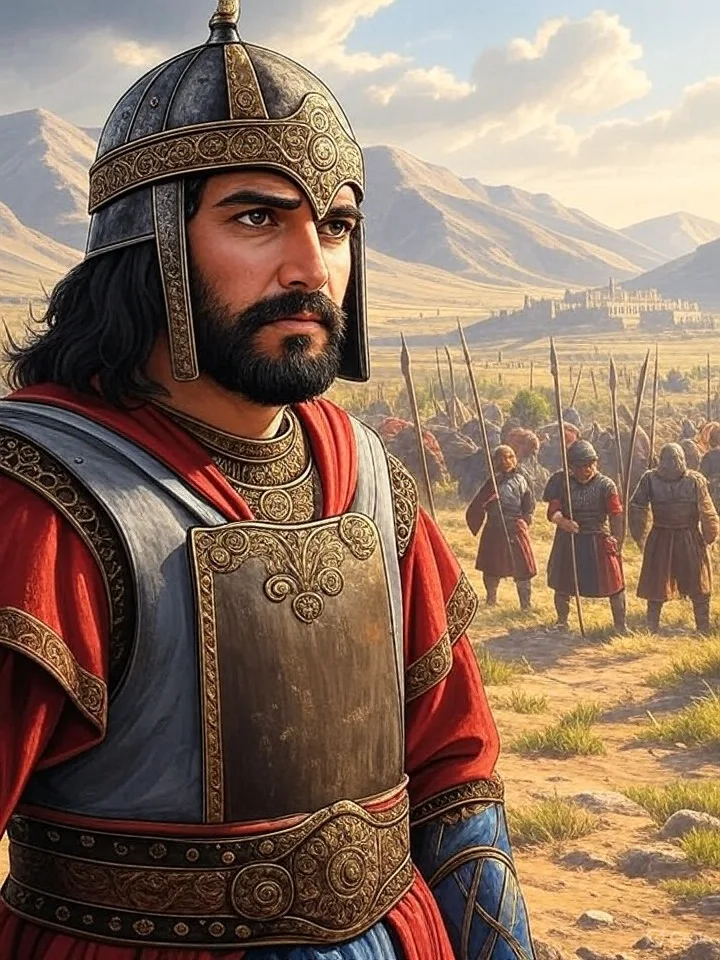
Within the broader Turkish epic tradition, Dede Korkut is mentioned alongside the Manas Epic. Its dense narrative structure, blending historical and mythological elements, sets it apart. Compared to Manas, Dede Korkut is shorter and more concentrated, making it a uniquely significant work in both oral and written traditions.
Archaeological Connections and Modern Adaptations
Although no direct archaeological artifacts of Dede Korkut have been discovered, the stories’ depictions of settlement structures, weapons, horse tack, and tent types correspond to items found in 10th–15th century excavations in Central Asia and Anatolia. Tombstones, inscriptions, and stone carvings around Kars and Erzurum reflect traces of this period.
Dede Korkut has also inspired modern cinema, theater, and literature. TRT television adaptations from the 1970s, the 1975 Azerbaijani film Dədə Qorqud, illustrated children’s books, and various novels demonstrate how this heritage continues to influence multiple artistic fields. Characters like Dirse Han, Deli Dumrul, and Basat have been depicted in miniature art and digital illustrations, helping preserve this oral tradition in visual memory as well.