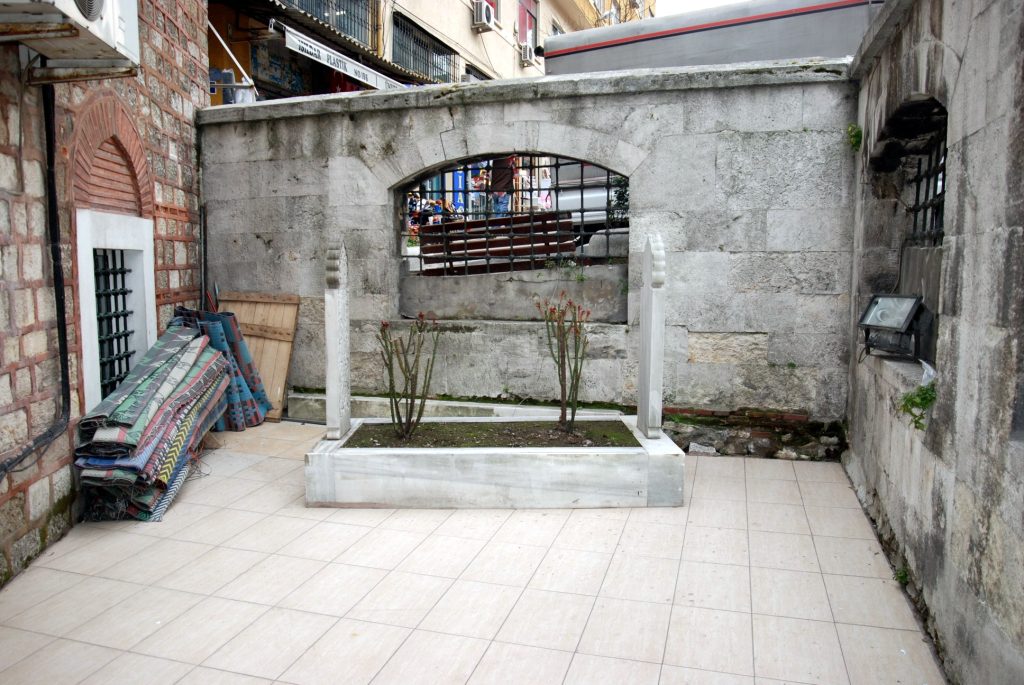
Reaching the tomb of Yavaşça Şahin Paşa -who famously marched ships over land during the conquest of Istanbul– is nearly as difficult as marching ships over land itself. As the roads rose over the years and the mosque courtyard shrank, it has become almost impossible to reach his grave.
Yavaşça Şahin Paşa (Mehmet Ali Paşa) is one of the lesser-known Ottoman pashas. A bold and fearless soldier, he was first given the nickname “Şahin” (hawk). He stood out as one of the prominent commanders of the Ottoman army during the reign of Mehmed the Conqueror. He played significant roles in the conquest of Istanbul, serving first under Admiral Baltaoğlu Süleyman Bey, and later under Hamza Bey in the navy. Although it is not officially recorded, it is widely accepted that he led the famous operation of transporting ships over land during the conquest.
“Slowly, Gently”
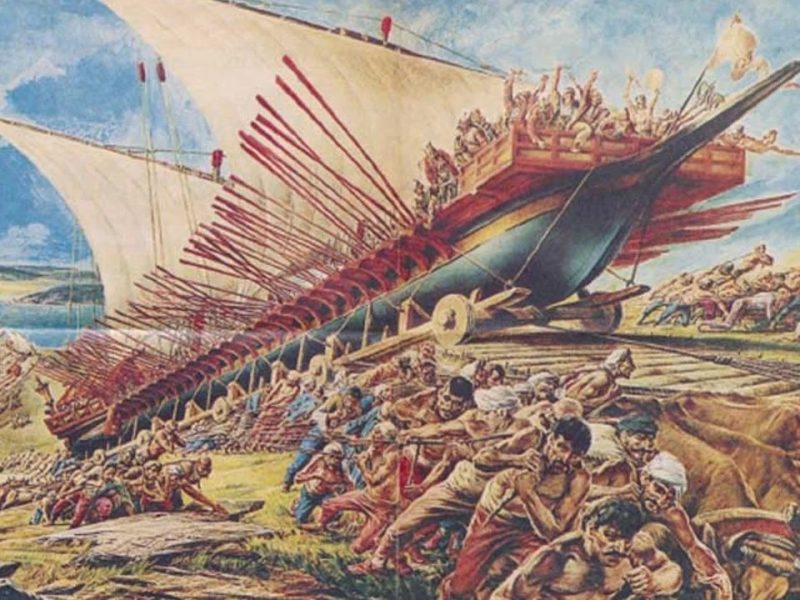
When the galleys were launched from Dolmabahçe using sleds and pulled with ropes toward the Golden Horn, Yavaşça Şahin Mehmet Ali Pasha was leading the operation. The Byzantines, who believed they had completely blocked access to the Golden Horn by drawing a chain across its entrance, were devastated one morning to find numerous Ottoman ships already there. According to one account, the Pasha kept telling the soldiers pulling the ropes, “Careful, gently now!” Another version says that when reporting the success of the mission to the Sultan, he explained, “We came slowly so the enemy wouldn’t hear us, my Sultan.” This earned him the additional nickname “Yavaşça” (gently) alongside “Şahin.”
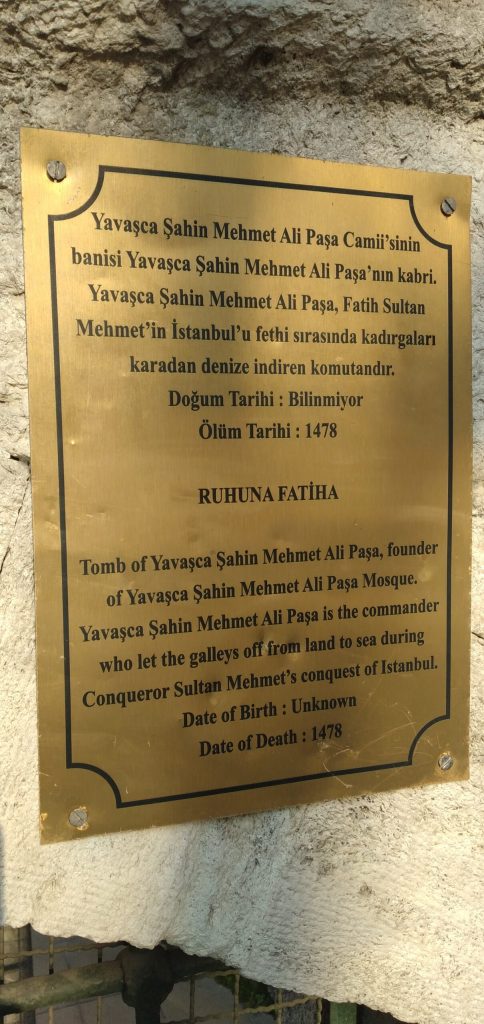
A metal plaque installed on the mosque wall during renovations after 1950 reads: “The commander who marched the galleys over land.”
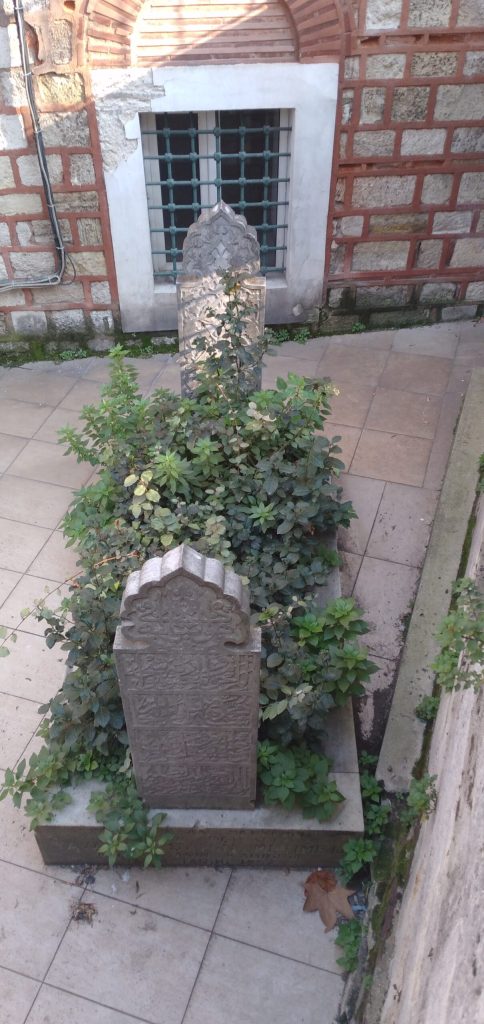
Yavaşça Şahin Paşa Tomb Behind a Narrow Gap
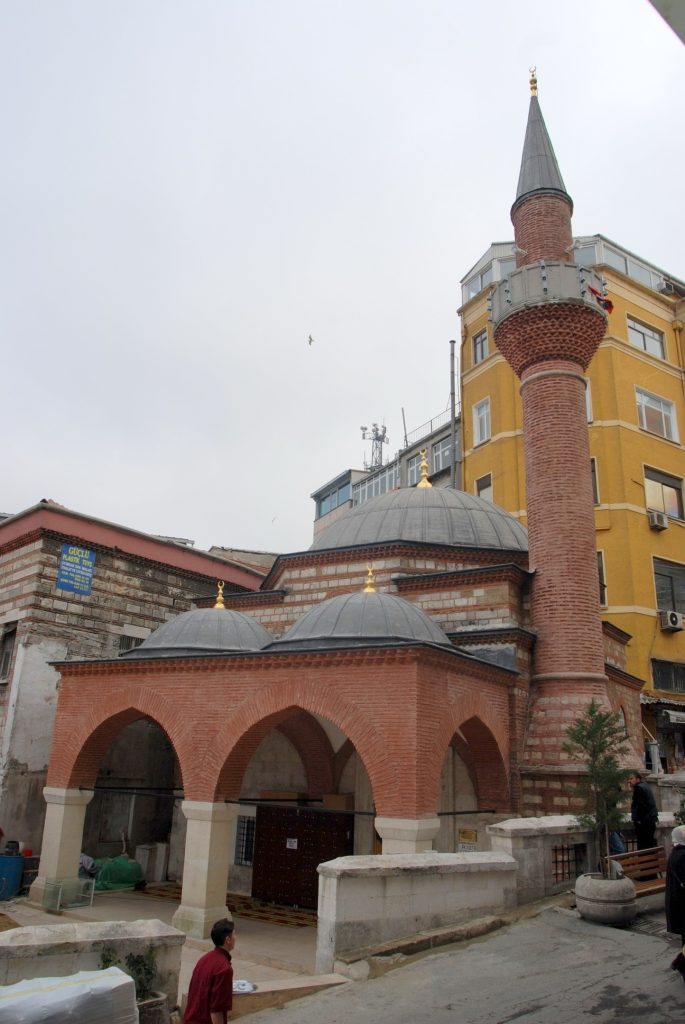
Very little is known about his life after the conquest. However, the mosque he commissioned in Mercan climb in Eminönü still stands. The Pasha, who died in 1478, is buried in the graveyard of this mosque. The same plaque commemorating his role in the conquest was added to the mosque wall during renovations in the 1950s. Over time, the adjacent road was elevated, and the Pasha’s tomb ended up wedged behind a narrow gap between a wall and a minaret. One must carefully pass in front of sinks added later and functioning as fountains. It’s nearly impossible for a person to pass through this narrow space without squeezing. In short, today, reaching the tomb of the Pasha who “marched ships over land” 572 years ago is nearly as difficult as the feat itself.
Did the Ships Really March Over Land?
Each year, around the anniversary of the conquest of Istanbul, debates resurface about whether the ships were actually transported over land. Both contemporary historians of Fatih’s era and many later scholars clearly refer to this event in their writings:
Tursun Bey:
“Engineers and technicians skilled in the art of mechanical movement were prepared. The Islamic ships were adorned with flags and had their sails opened. They were marched through the air behind the Galata fortress.”
Hoca Sadeddin Efendi:
“Ships were transported from the side of Yenihisar, carried over from behind Galata to the sea, and those in the fortress were astonished as the cannons fired from the sea side.”
Kitab-ı Cihannüma:
“And seventy ships, from above the fortress, from the upper side of Galata, descended with sails open and soldiers on board, were marched over dry land with order and precision, and launched into the sea at the foot of the fortress.”
Georg Ostrogorsky:
“On April 22, Mehmed II succeeded in transporting a considerable number of ships over land to the Golden Horn, enabling bombardment of the city from that direction.”
Franz Babinger:
“A road resembling a launching ramp was greased with sheep and ox fat. The ships were moved on rollers down this ramp and into the Golden Horn.”