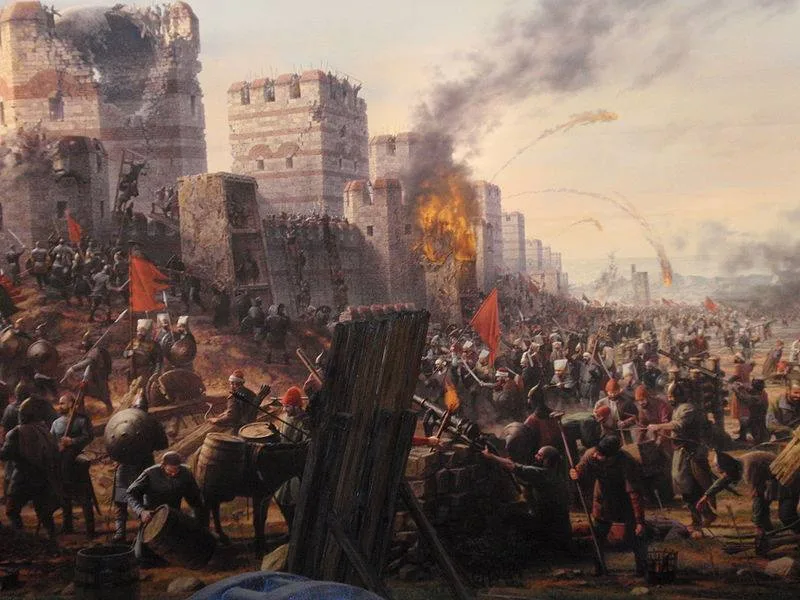
When travelers walk through today’s Istanbul -past Hagia Sophia, the Land Walls, or the quiet streets of Fatih– it is easy to forget that this city’s most dramatic transformation was once witnessed not by its conquerors, but by a defeated Greek aristocrat who chose to write rather than flee. His name was Michael Critobulus of Imbros. Writing only a few years after 1453, Critobulus offered one of the most unusual accounts of the Ottoman conquest of Constantinople: neither a cry of despair nor a song of triumph, but a sober attempt to understand how a world ended, and how another began.
A City Changes Hands, Not Its Destiny
For Critobulus, the fall of Constantinople was not the end of civilization. It was the transfer of empire.
Educated in the classical tradition, he framed Mehmed II not as a barbarian invader but as a ruler in the mold of Alexander the Great and Augustus: a conqueror who understood that cities gain meaning not by destruction, but by continuity.
Constantinople, he argued, remained the natural capital of empire, regardless of who ruled it. This idea may surprise modern readers, but it helps explain something travelers still sense today: Istanbul feels inherited, not erased.
The Day the Turks Entered the City
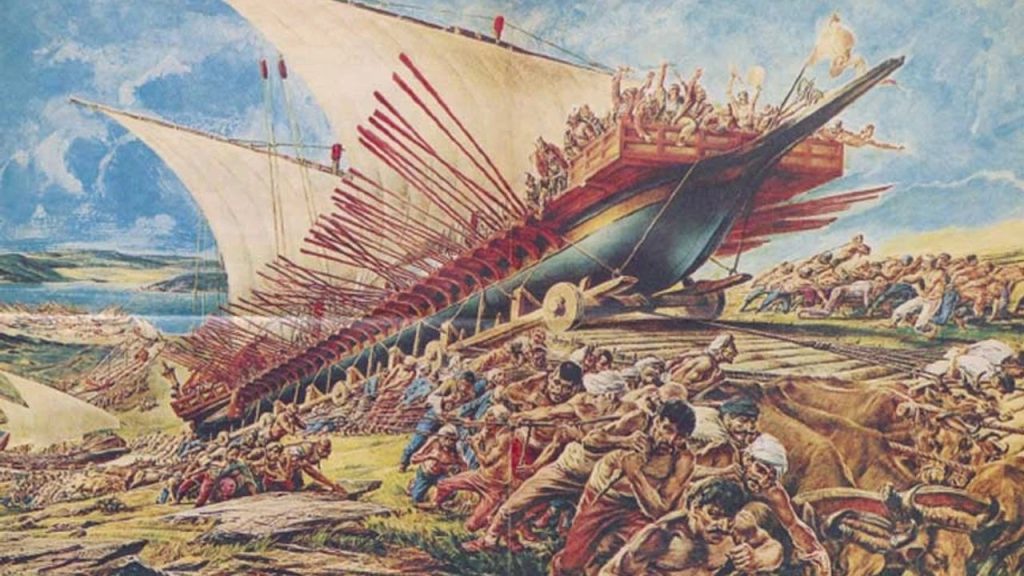
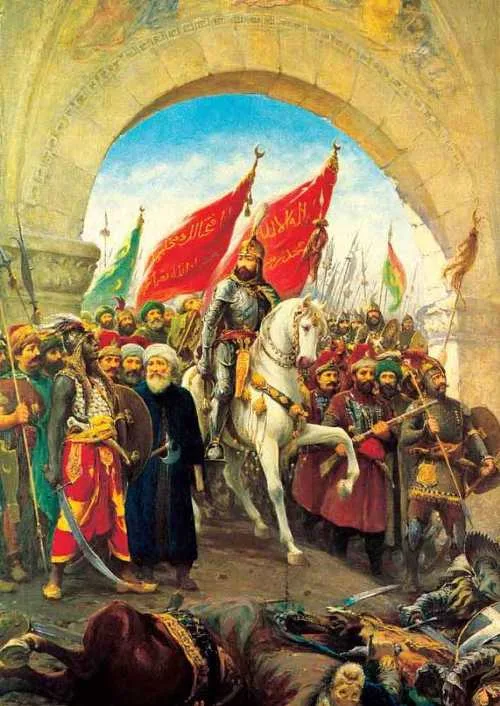
Critobulus does not deny the violence of conquest. He describes panic, looting, and suffering: scenes echoed by other Byzantine and Western witnesses. Yet he refuses to portray the Turks as mindless destroyers. Instead, he insists that what followed mattered more than the battle itself.
When Mehmed entered the ruined city, Critobulus writes, he was struck by its devastation. Orders were given to restore order, repair walls, reopen markets, and -most importantly-repopulate the city. Within years, Muslims, Christians, and Jews were being settled in Constantinople, turning a wounded capital into a functioning imperial center once again.
Mehmed the Conqueror, Mehmed the Builder
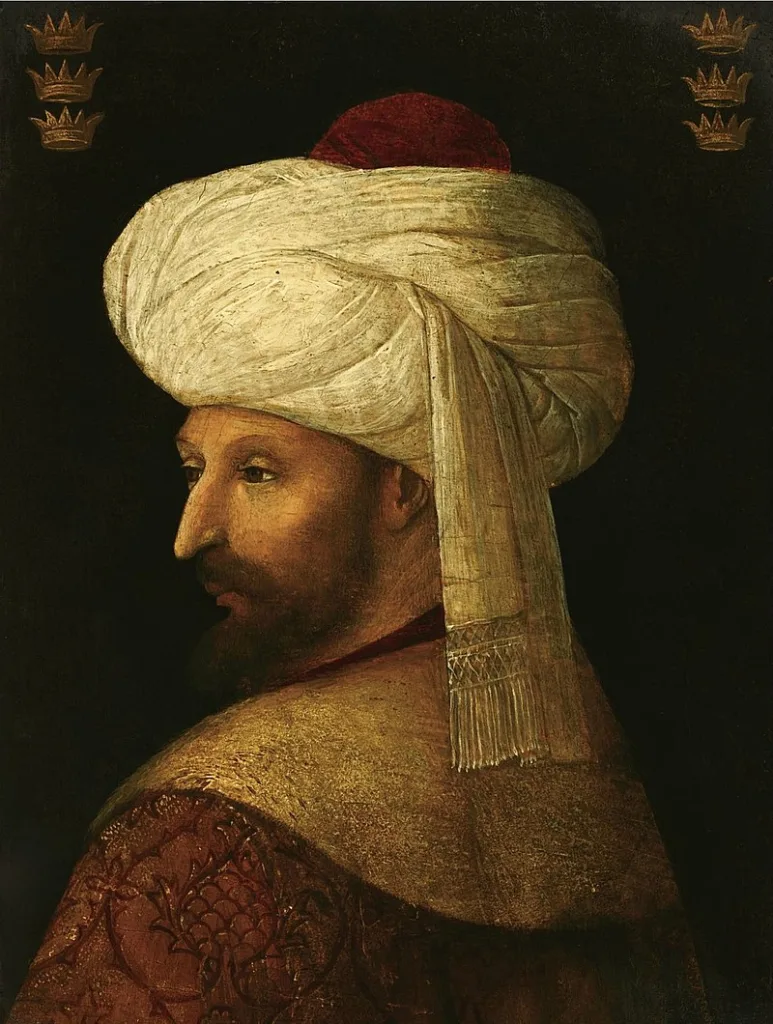
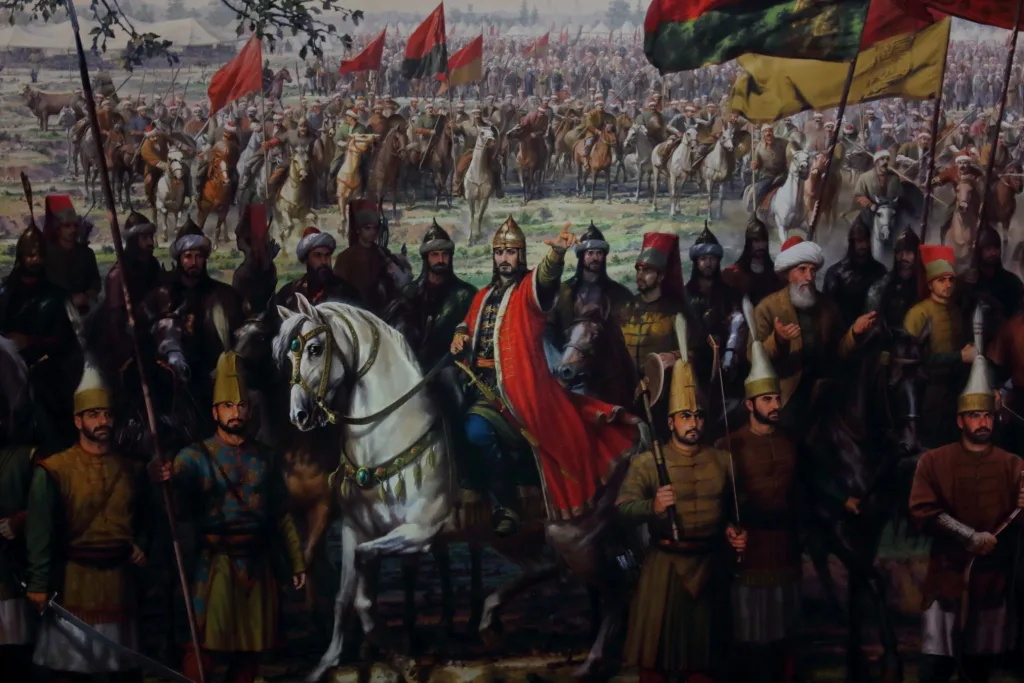
To Critobulus, Mehmed’s greatness lay not only in victory, but in restraint.
He presents a ruler who:
- Protected surviving institutions,
- Respected learning and scholarship,
- Adopted Byzantine court customs,
- Claimed the legacy of Roman emperors.
This helps explain why the Ottomans preserved churches, reused palaces, and transformed Hagia Sophia rather than demolishing it. For travelers today, this layered history is visible everywhere: from the Roman columns embedded in Ottoman walls to the Greek inscriptions hidden in mosques.
A Greek Voice Explaining a Turkish City
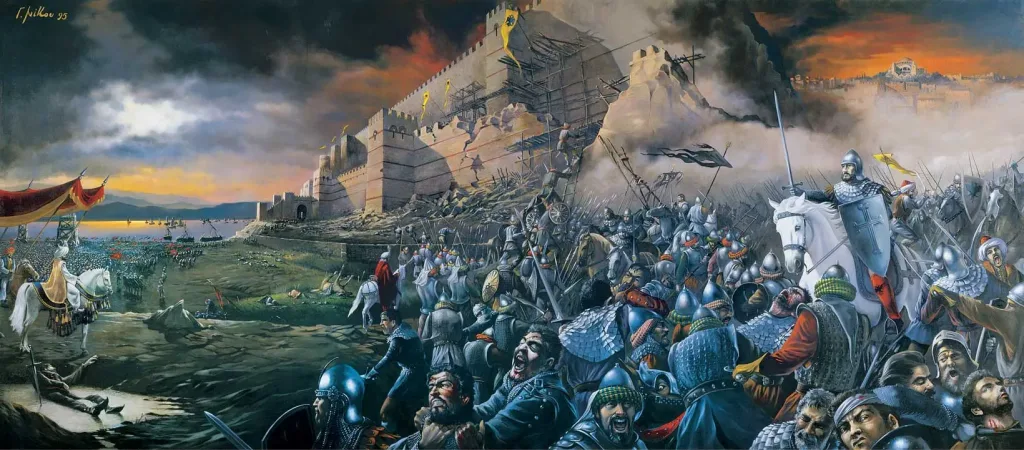
Critobulus’ account is powerful precisely because it is not neutral. He wrote as a Greek subject who accepted Ottoman rule as political reality. His admiration for Mehmed was also a plea for stability, survival, and order after catastrophe. Modern historians read him critically -but they also recognize his insight. He understood earlier than most that Istanbul’s future would be imperial, cosmopolitan, and enduring.
Walking Istanbul Through Critobulus’ Eyes
For travelers, Critobulus offers a way to see Istanbul beyond slogans of conquest or loss. He invites us to view the city as he did in the 1450s:
- Not a fallen ruin,
- Not a conquered prize,
- But a city that changed rulers while remaining itself.
Five centuries later, Istanbul still bears that truth in stone.
Why This Perspective Matters Today
In an age of polarized histories, Critobulus reminds us that cities survive by adaptation, not by purity. His Constantinople did not disappear in 1453; it became Istanbul. And for anyone who walks its streets today, that continuity is not a theory. It is something you can still feel.