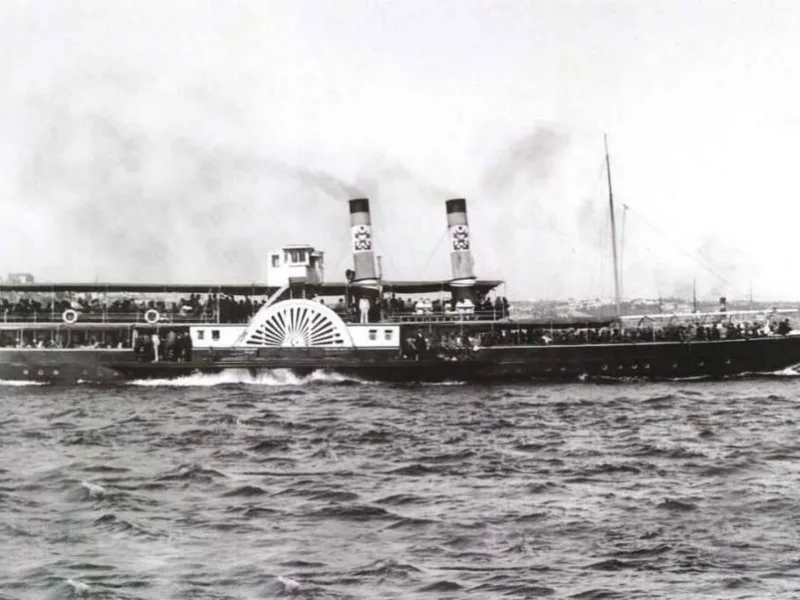
Every year on July 1st, Turkey observes Cabotage Day: a commemoration that many overlook or misunderstand. While most associate it with simple maritime festivities or boat races, the roots of this national day dig deep into Turkey’s struggle for sovereignty and economic independence. Cabotage Day is far more than a nautical celebration; it is the embodiment of Turkey’s reclaiming of its seas from foreign dominance.
What Does “Cabotage” Actually Mean?
Cabotage is a legal term referring to a nation’s exclusive right to control and conduct maritime trade and navigation within its own territorial waters. In other words, it means that only ships registered to Turkey can transport goods or passengers between Turkish ports.
Before the Cabotage Law, foreign vessels dominated Turkish coasts, controlling freight, passenger routes, and port services. The seas were Turkish in geography, but not in practice. This situation severely limited local economic development and undermined national sovereignty.
Şirket-i Hayriye: An Ottoman Step Toward Maritime Modernization
To understand Cabotage Day fully, we must first look back to the Ottoman era, and particularly to the establishment of Şirket-i Hayriye (The Benevolent Company).
Founded in 1851, Şirket-i Hayriye was the first Ottoman steamship company, launched to provide regular passenger transport along the Bosphorus. Its name, meaning “Charitable Company,” reflected both its public service mission and its semi-private, semi-state structure.
Key contributions of Şirket-i Hayriye include:
- Introducing modern ferry transportation in the Ottoman Empire
- Promoting local maritime expertise and shipbuilding
- Establishing the first dockyards and steamship workshops in Istanbul
- Reducing dependency on foreign marine services, especially in domestic waters
Though modest by modern standards, Şirket-i Hayriye symbolized an early effort at maritime self-sufficiency, laying the groundwork for the later push for full cabotage rights under the Republic.
The Significance of the 1926 Cabotage Law
After the fall of the Ottoman Empire and the establishment of the Turkish Republic, one of the nation’s pressing goals was to assert full control over its coasts and maritime commerce. On July 1, 1926, the Cabotage Law No. 815 came into force. This decisive legal act granted Turkey full authority over all shipping, fishing, and navigation within its own territorial waters.
This law meant:
- Only Turkish ships could operate between Turkish ports
- Only Turkish citizens could serve on crews in Turkish waters
- All commercial and industrial maritime activities became subject to Turkish regulation
This law marked an economic and symbolic victory for the new republic, aligning with Atatürk’s broader reforms to ensure national control over infrastructure.
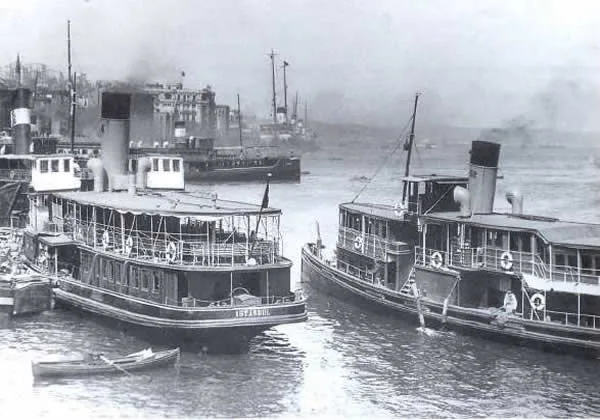
The first 6 steamships entered service in 1853. All were manufactured in England. These 60-horsepower steamships were propelled by paddle wheels located at their stern.
Why July 1st Became Cabotage Day
To honor this historic shift, July 1st was declared Cabotage and Maritime Day (Kabotaj ve Denizcilik Bayramı). Originally, the day was celebrated with great enthusiasm, especially in coastal towns and cities.
Festivities included:
- Naval parades and harbor ceremonies
- Boat races and diving shows
- Public speeches and educational programs about maritime law and national pride
This day served to educate the public on the importance of maritime sovereignty and encourage youth participation in naval and marine professions.
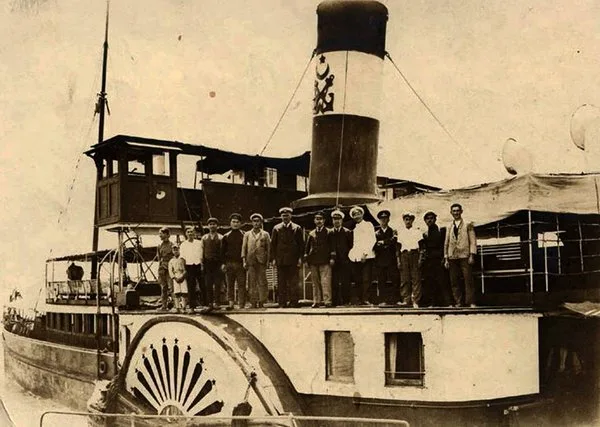
The first steamships were: 1-Rumeli, 2-Tarabya, 3-Göksu, 4-Beylerbeyi, 5-Tophane, and 6-Beşiktaş. They were known sometimes by their names, sometimes by their numbers.
A National Holiday Overlooked
Despite its historical importance, Cabotage Day has faded from national consciousness. It remains a state-recognized holiday, but it lacks the widespread attention of other republican commemorations.
Possible reasons include:
- Limited educational emphasis in schools
- Declining maritime culture in inland cities
- Shift in national focus toward land-based development and tourism
Still, in key maritime hubs like Istanbul, İzmir, Trabzon, and Mersin, smaller-scale celebrations and naval demonstrations persist each year.
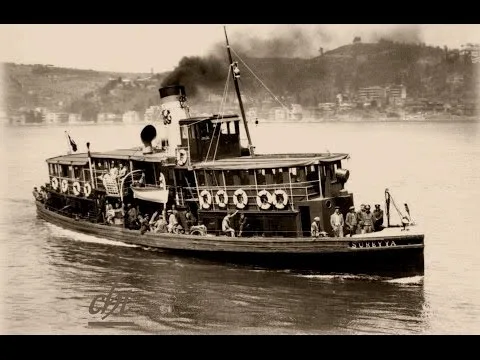
The next 9 steamships were manufactured in 1857, after the Crimean War. These were: 7-Beykoz, 8-İstinye, 9-Mirgün, 10-Sarıyer, 11-Anadolu, 12-Kabataş, and 13-Galata.
Cabotage Day in the 21st Century: Why It Still Matters
Today, with global shipping lanes increasingly strategic and regional conflicts threatening maritime borders, the message of Cabotage Day is more relevant than ever.Maintaining exclusive control over domestic seas is essential for:
- Economic resilience against foreign monopolies
- Environmental protection of coastal ecosystems
- National security, especially in contested waters like the Eastern Mediterranean
Cabotage is not a dated idea: it’s a strategic asset.
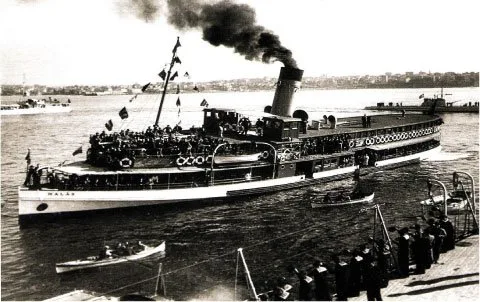
14-Büyükdere and 15-Beyazıt follow in this sequence. The company’s last ship, number 77, Kabataş, was built in 1938. The first domestically-built ship was only number 75, Kabataş, built in 1937.
Remembering the Legacy of the Sea
From the pioneering work of Şirket-i Hayriye in the Ottoman era to the transformative Cabotage Law of 1926, Turkey’s journey toward maritime independence is filled with lessons in resilience and vision.
Cabotage Day is not just about ships and sailors; it’s about a nation reclaiming its right to navigate its own destiny, both literally and metaphorically. As Turkey strengthens its maritime capabilities in the 21st century, remembering and revitalizing Cabotage Day could inspire future generations to embrace the seas once again.
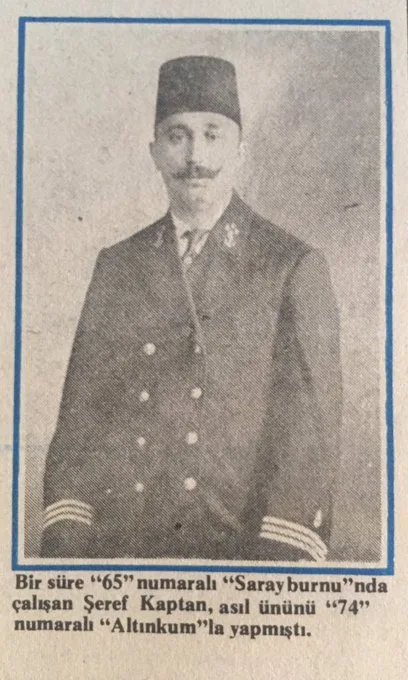
Captain Şeref was so skilled that, on the way out, he would take the coffee handed to him from the waterfront mansion windows, and on the return trip, he would return the empty cups to their owners.