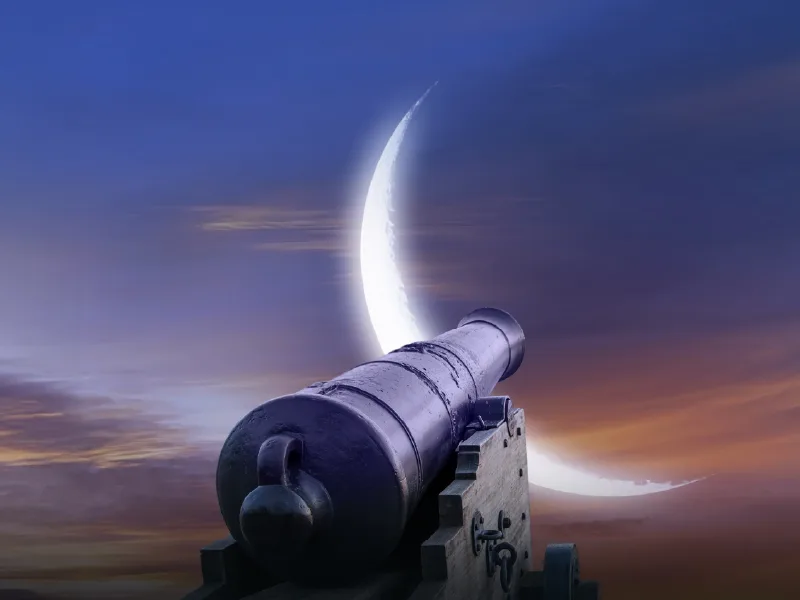
As the sun sets during Ramadan, a powerful sound breaks the silence: a cannon fires, signaling that it is time to break the fast. The iftar cannon tradition is more than a timekeeping method: it is a ritual rooted in history, empire, and communal identity.
But where did this dramatic Ramadan custom begin? The exact origin of the Ramadan cannon firing remains debated, with several historical accounts tracing it to different Islamic dynasties.
The Mamluk Narrative: An Accidental Beginning
One of the most widely cited accounts places the origin in 15th-century Egypt during the Mamluk period. According to tradition, a soldier accidentally discharged a cannon while cleaning it just as the evening call to prayer was being recited. The public believed the shot was intentional -marking iftar- and the practice gradually became institutionalized.
The Safavid Account: Formalized Under Abbas I
Another narrative attributes the practice to the reign of Abbas I of Persia (1587–1629). In this version, cannon fire was used not only to announce iftar but also to signal the final moments before suhoor. This created a dual-purpose auditory system for both ending and beginning the daily fast.
The Fatimid Version: Cairo’s Elevated Signal
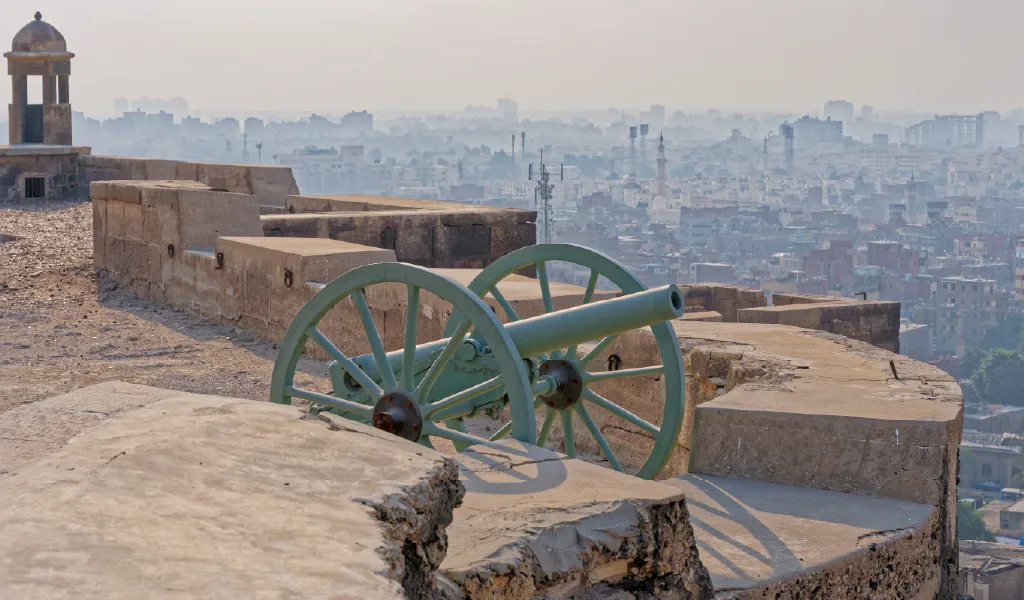
Some sources trace the tradition even further back to the Fatimid era. A cannon was reportedly placed on Mokattam Hill overlooking Cairo so residents across the city could clearly hear the signal. In large urban centers, this ensured uniformity in fasting times.
The Iftar Cannon in the Ottoman Empire
Archival records show that the practice became formally established in the Ottoman Empire in the early 19th century.
The first documented Ramadan cannon firing took place in 1821 at Anadolu Hisarı. By 1827, cannons were also fired from Yedikule Fortress. Where fortresses were unavailable, rifles were used instead for safety reasons.
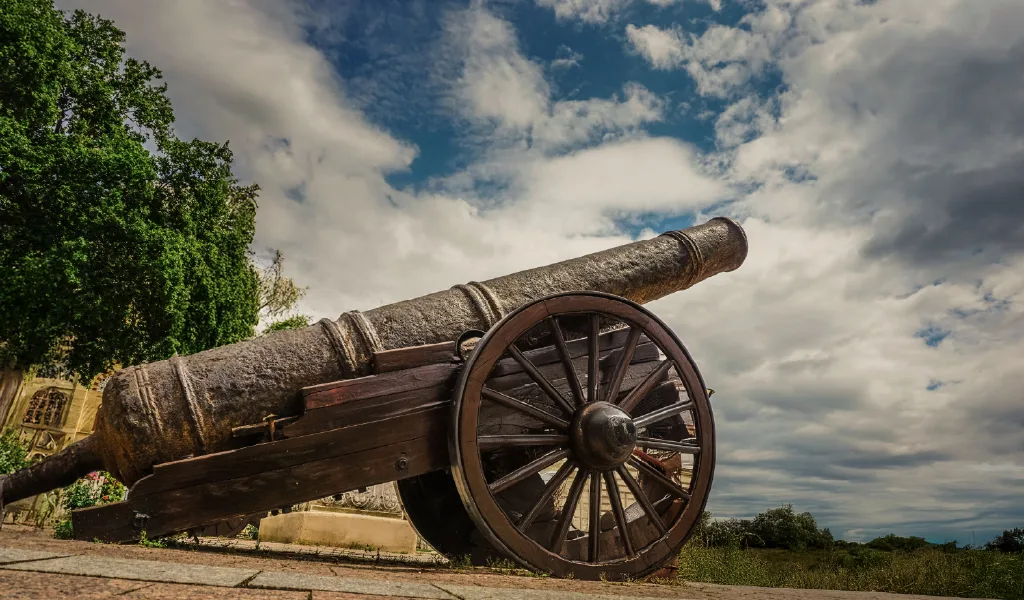
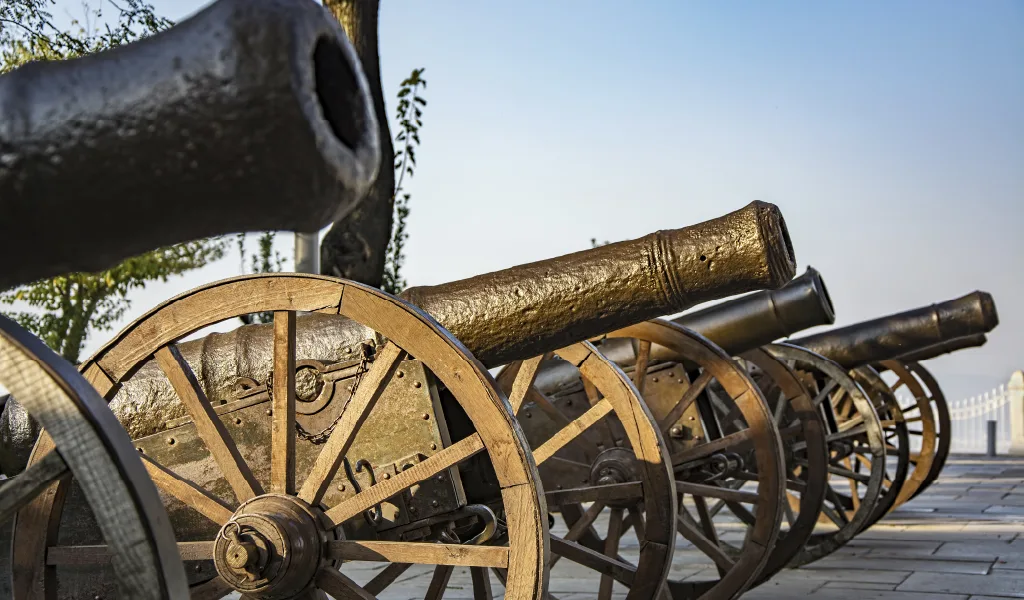
During the Ottoman period, cannon firing became an official duty carried out by trained artillery units. Various types of cannons were used, including field artillery and fortress guns. The practice evolved into a state-recognized Ramadan ritual.
The Tradition Today: From Istanbul to the Balkans
The Ottoman legacy helped spread the Ramadan cannon custom across its former territories. Today, the tradition continues in Bosnia and Herzegovina, Albania, and Kosovo.
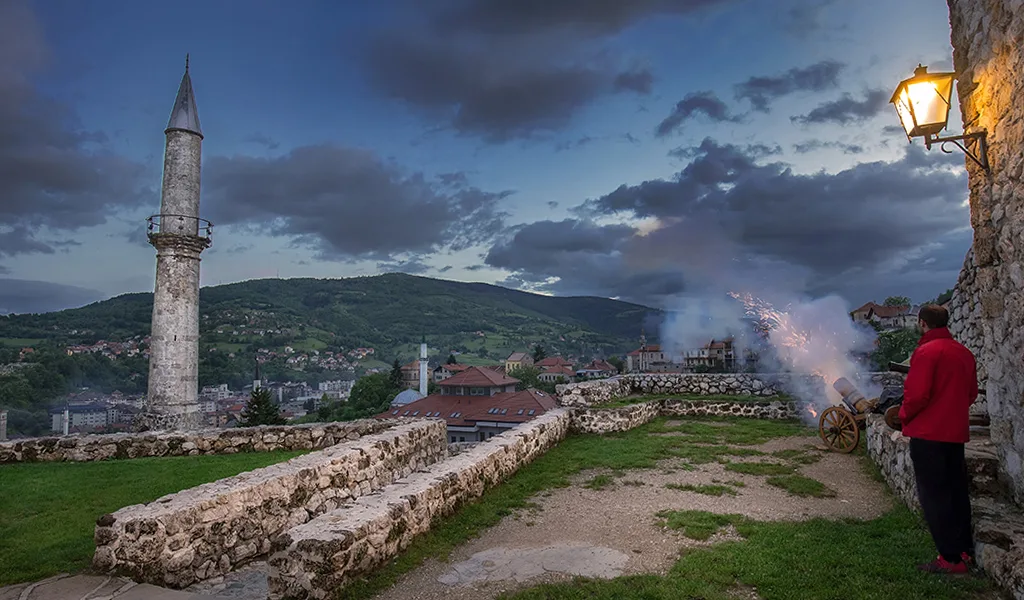
In Sarajevo, the cannon is fired from Žuta Tabija (Yellow Fortress), where crowds gather to witness the moment. The sound marks not just sunset; but continuity with centuries of Islamic tradition.

Why the Iftar Cannon Still Matters
The Ramadan cannon is not merely a signal of time. It represents:
- Communal synchronization
- Public spirituality
- Shared anticipation
- Cultural continuity
Each cannon blast announces more than iftar, it announces unity.