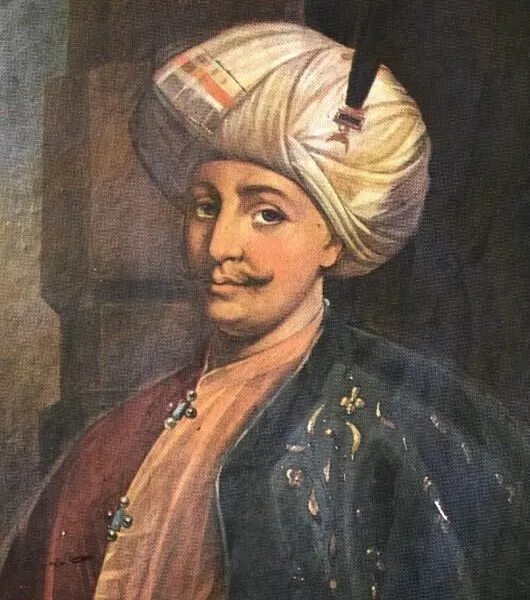
The circumcision festival organized in 1675 by Sultan Mehmed IV for his sons went down in history not as the wedding of the year, but as the celebration of the centuries.
One of the most magnificent festivities in Ottoman history was undoubtedly the circumcision feast of Sultan Mehmed IV’s sons. The celebration was so grand that it remained legendary for centuries. Known as “Avcı Mehmed” (Mehmed the Hunter) due to his passion for hunting, Sultan Mehmed IV decided in the spring of 1675 to circumcise his sons Mustafa and his youngest son Ahmed; who would later ascend the throne as Sultan Ahmed III.
Preparations Lasted Six Months
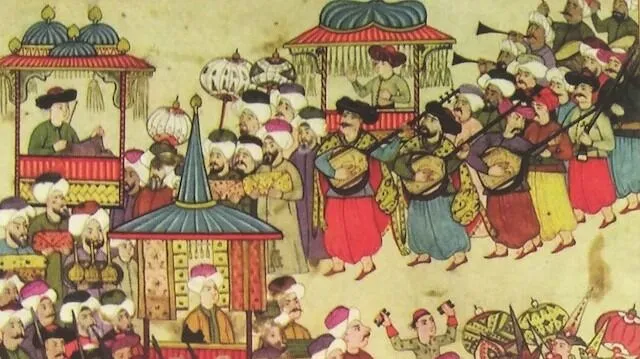
Preparations for the festivities in Edirne began at the end of 1674 and were completed within six months after non-stop work, day and night. The most skilled firework artisans from Istanbul, wrestlers from various parts of Turkey and Iran, rope dancers, shadow play and puppet masters were brought in.
Opera Troupe from Venice was Considered
At one point, there was even an idea to bring an opera troupe from Venice, but the plan was abandoned due to delays. Before the festivities began, 37,000 sheep, 5,000 geese, and 6,000 ducks were brought in. Over 10,000 dishes were prepared for use: including 4,000 wooden trays, 1,400 large serving platters, 30 giant cauldrons, and thousands of ceramic and glass plates.
Famous Performers Flocked to the Event
From the governor of Egypt, Hüseyin Pasha, 150 performers, 200 camel drivers, and over 1,000 torchbearers were requested. Additionally, 300 galley slaves were selected for various tasks. Major performance troupes of the era also joined the festival. Along with the 150-person Egyptian troupe, the 200-member Cevahir troupe, Ahmet Agha’s 300-strong group, and a 100-person Jewish performance group from Edirne entertained the crowds daily.
Seven Imperial Tents were Erected
The area chosen for the celebrations was the Sırık Meydanı, a large open space in front of the New Palace in Edirne. Seven imperial tents were erected: some reserved for the Sultan and Prince Mustafa, others for viziers, the Sheikh al-Islam, and other senior state officials.
Princes’ Circumcision on the 12th Day
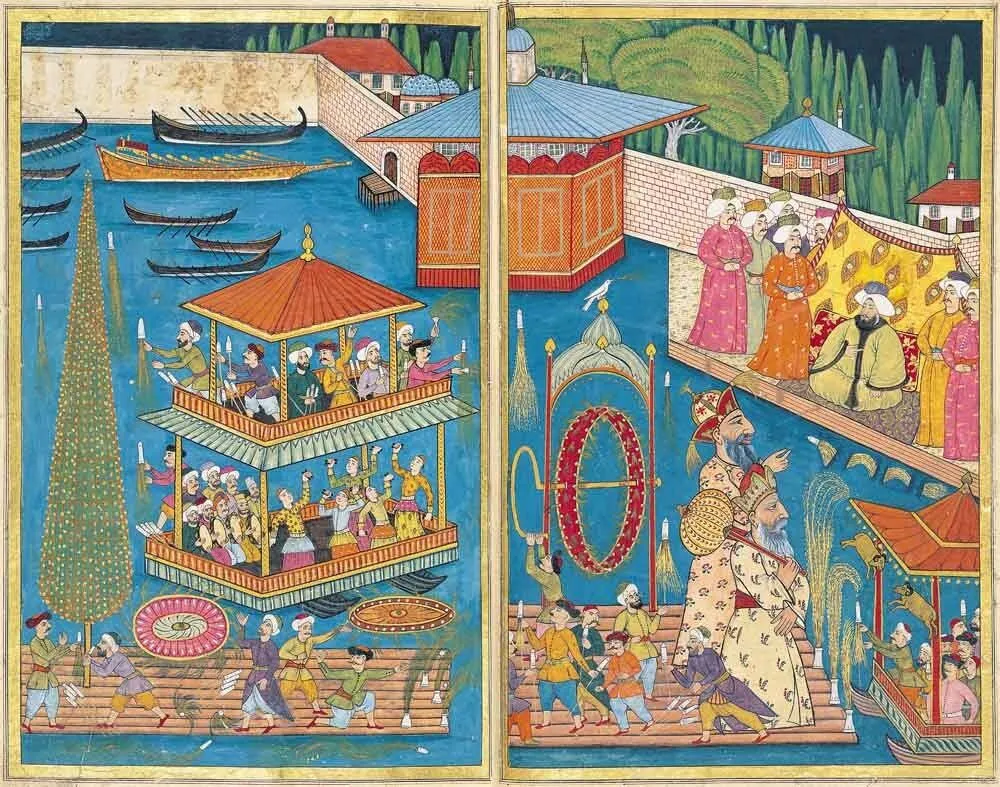
Performances began after afternoon prayers and continued late into the night with naval illuminations and displays. Twelve days after the celebrations began, on a Thursday, a religious ceremony (mevlid) was held at Sultan Selim Mosque, followed by the circumcision of the princes that same day. That night, Sultan Mehmed IV did not visit the festival grounds but remained with his sons. Performances were instead held in front of viziers, dignitaries, and officials. Hundreds of other children were also circumcised that day.
Gifts Offset the Massive Expenses
The surgeon who circumcised the princes was Nuh Pasha, who, according to a foreign observer, received around 10,000 coins for his services, greatly increasing his fortune. While the Sultan spared no expense, the flow of gifts compensated for the massive costs. A foreign witness wrote, “With the gifts pouring in from so many people, who knows what fortune was amassed? I was left speechless by what I saw.”
200 Grown Men were Also Circumcised
French ambassador Marquis de Nointel, in a letter dated June 6, 1675, to his friend Pomponne, reported that 6,000 young boys and 2,000 palace pages were circumcised along with the princes during the event.
Every day, groups of 200 to 300 children were brought before the Sultan’s tent accompanied by mehter bands. After prayers, they were taken to the Grand Vizier’s tent and circumcised. Due to the scale of the task, surgeons from Istanbul, Bursa, and Edirne were summoned. Over 13 days, not only 8,000 children but also 200 adult converts to Islam underwent circumcision, each receiving a set of new clothes. Special performances were staged for the circumcised children. On the 15th and final day of the festival, a grand banquet was held for the people of Edirne.
A 40-Carat Diamond
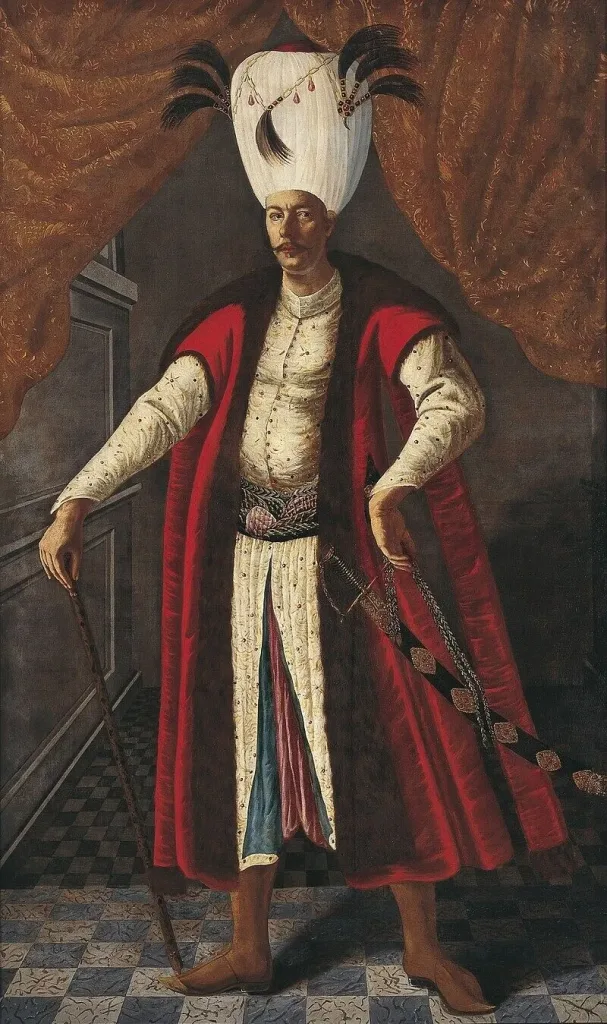
When Prince Mustafa was brought from the Old Palace to the festival grounds on horseback, a large ceremonial procession was organized. As the prince passed through the streets, the Haseki Agha and the Stable Master cooled him with fans. English traveler John Covel described the dark-complexioned prince, with arched eyebrows, a short, flat nose, and a round, plump face, noting a single plume on his turban adorned by a 40-carat diamond. According to Covel, the prince’s vest was decorated with diamonds at both ends and pearl buttons.
Nightly Firework Displays
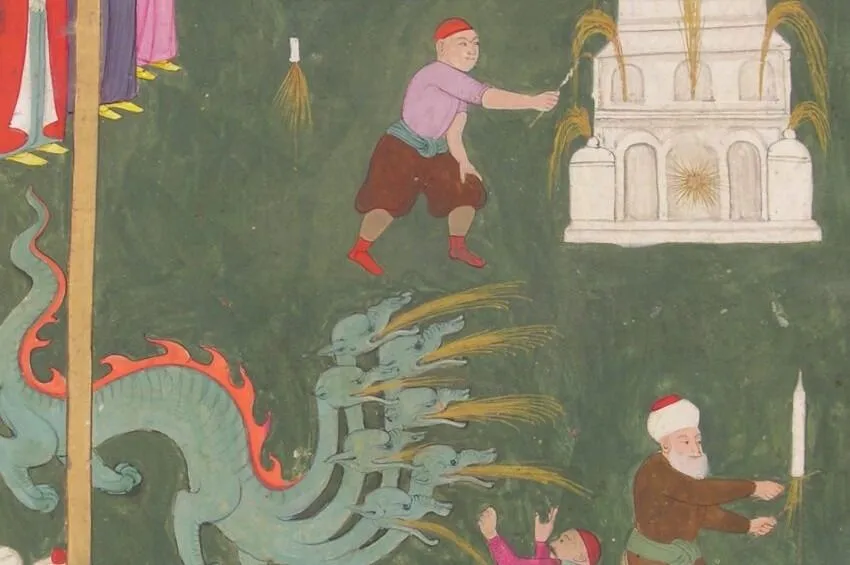
The festivities featured tightrope walkers, strongmen performing astonishing feats, horse races, archery displays, animal trainers, and wrestling matches. The nightly fireworks displays captivated the crowds. Every night, no fewer than two hundred different types of fireworks were launched.