Kocaeli, the third largest city in the Marmara Region, dates back to the 8th century BC. In the period of the Kingdom of Bitinia, it was transformed into a city and was the capital of the Roman Empire. The city, which is located on a mobile route since the Seljuk period, is adjacent to both the Marmara and the Black Sea. It is adjacent to İstanbul in the west, Sakarya in the east, and Bursa and Yalova in the south. Kocaeli is Turkey’s leading industrialization and urbanization point located on the main arteries of Turkey.
Climate and Local Cuisine
Kocaeli has hot summers and mild winters due to its transition climate route. It features both Black Sea and Mediterranean climate. In winter, the average temperature is around 5 degrees Celsius and in summer it is 23 degrees Celsius. As a result of the climate, it has the Black Sea soil structure adorned with vegetation.
The cuisine of Kocaeli includes local dishes blended with very rich flavors. Various dishes are made from the herbs collected in the region. Mancarlı, Kandıra pidesi, chicken keşkek, and cızlama are among the famous delicacies. In addition, Kandıra’s delicious yoghurt is used in both meals and breakfast tables. Umaç soup, Çiğceli kavurma, höşmerim, pişmaniye, kübe dessert are authentic flavors identified with the city.
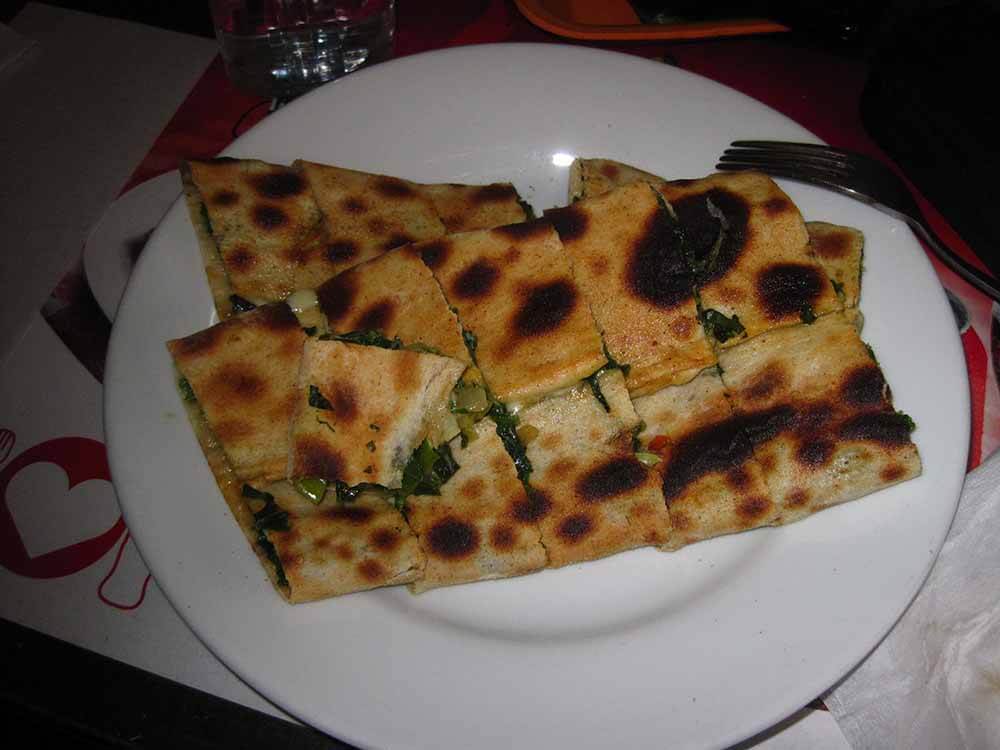
Kandıra pidesi
Places to Visit
Located in the center of big cities such as Bursa, Istanbul, and Ankara, the places to visit in Kocaeli come to the fore with its historic and natural beauties. The city is especially popular for weekend getaways
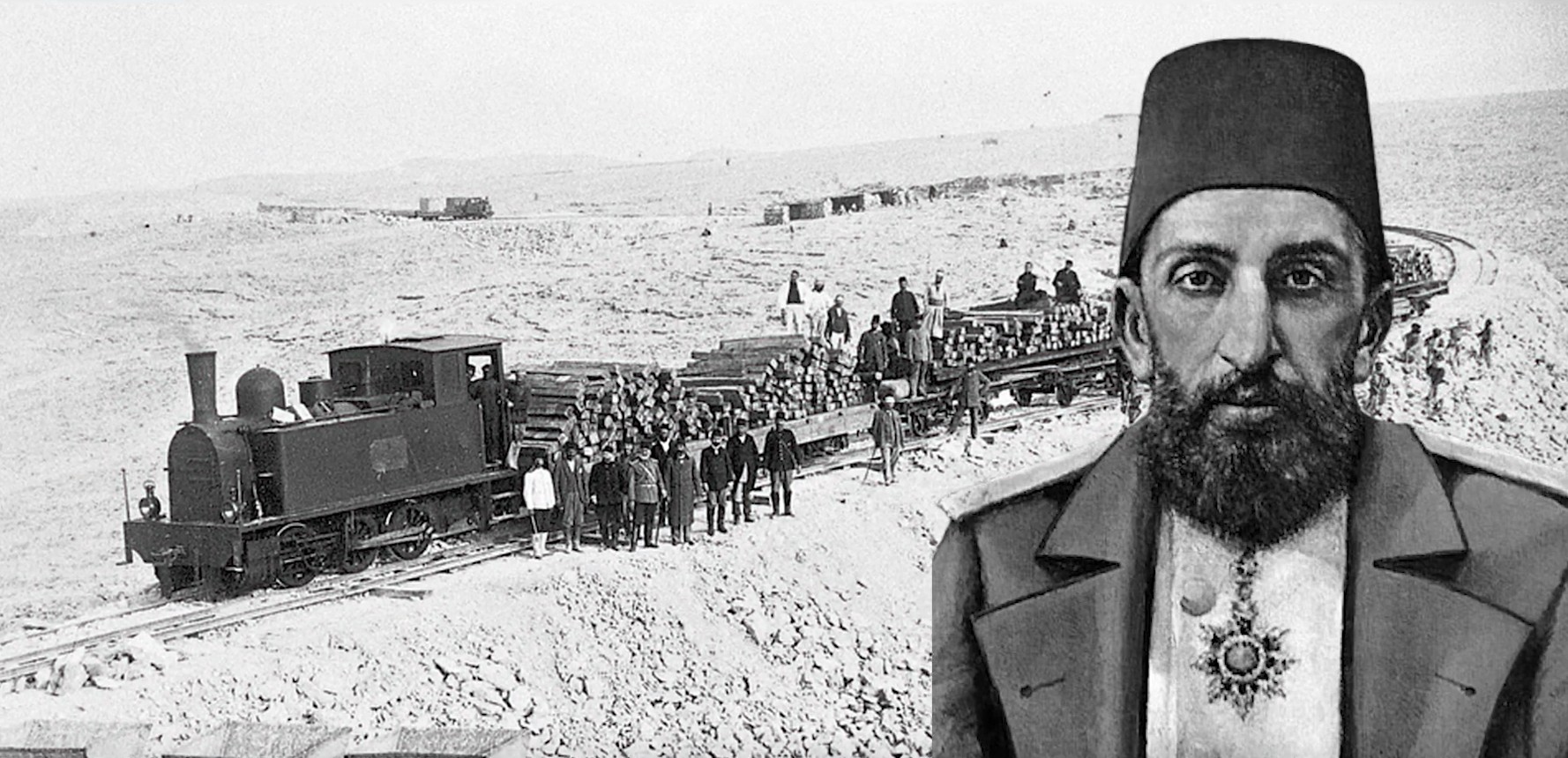
- İzmit Clock Tower: Built in 1902 by Abdulhamid II, it attracts attention with its 4-storey structure and elegant design.
- İzmit Palace: Located right next to the Clock Tower, Izmit Palace was used as a hunting mansion by Sultan Abdulaziz. Today it serves as a museum.
- Kocaeli Archeology and Ethnography Museum
- Osman Hamdi Bey Museum: Mansion of Osman Hamdi Bey, one of the most famous painters of the Ottoman period, is currently used as a museum in Eskihisar.
- Eski Hisar Fortress
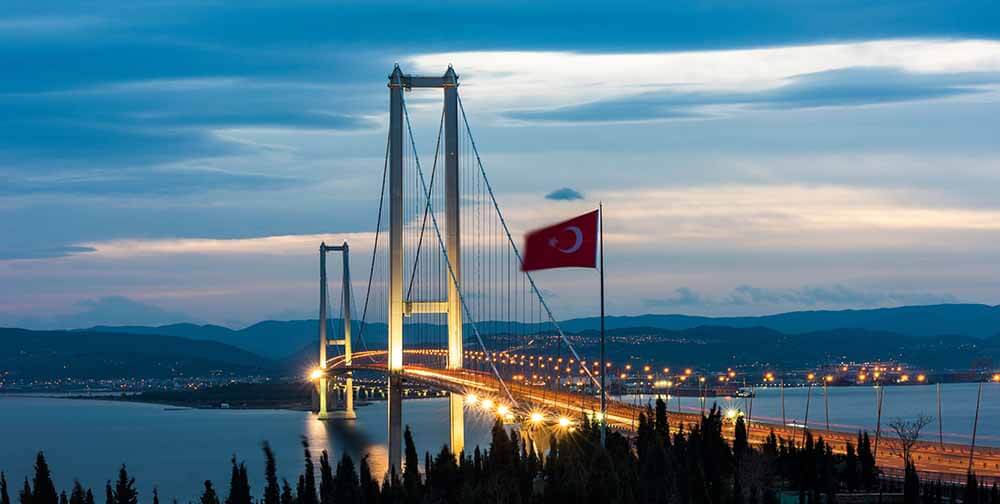
Longest bridge in Turkey and the fourth-longest suspension bridge in the world by the length of its central span.
- Maşukiye: Famous nature park with Kartepe Ski Center and various trekking routes.
- Ballıkayalar: Famous among mountaineers
- Darıca Zoo
- Kirazlı Plateau: A must-see for scenic beauty.
- Kefken: A place frequented by photographers with beaches in Kandıra and especially pink cliffs
- Soğuksu Recreation Area: This place is used both as a picnic area and also for health tourism with its healing waters.
- Kartepe Ski Resort: A popular destination for snow enthusiasts.
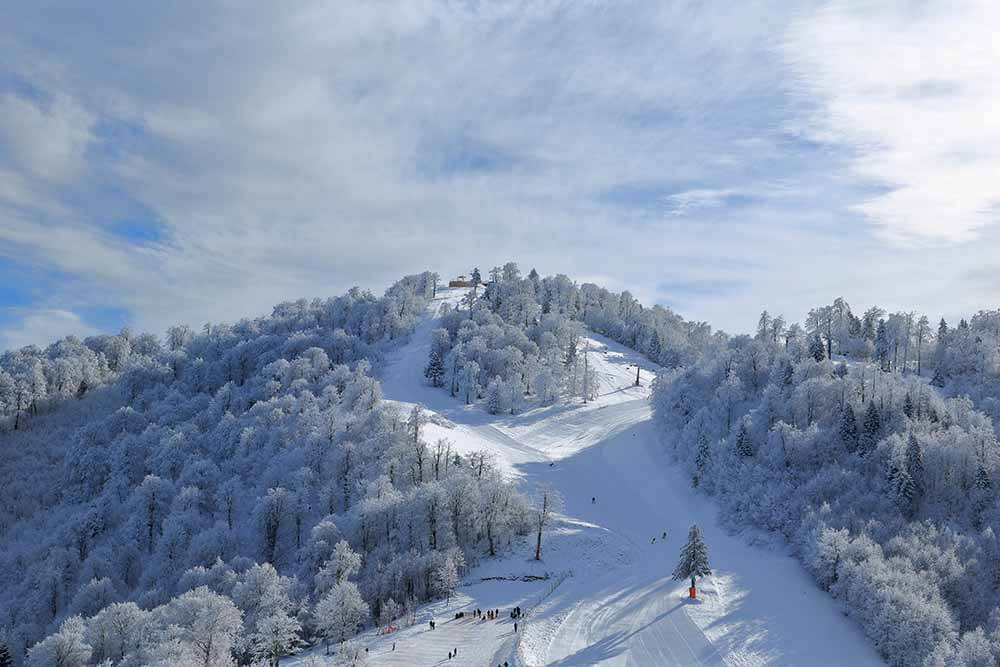
Kartepe Mountain, Ski center.
Festivals
Kocaeli festivals consist of different activities spread over 12 months of the year. The Children’s Theater Festival, organized in May, is a beautiful event for children by different theater groups. The Metropolitan Tulip Festival is held in April. the Değirmendere Hazelnut and Culture Art Festival is held in July, as is the Pişmaniye (a local cotton-like sweet) Festival.
How to Get There
You can go to Kocaeli on a common route connecting the Black Sea, Marmara, and Central Anatolia with different transportation methods. It is only 108 kilometers from İstanbul and 345 kilometers from Ankara, via the D100 and TEM highways. Istanbul Sabiha Gökçen Airport is close to Kocaeli.