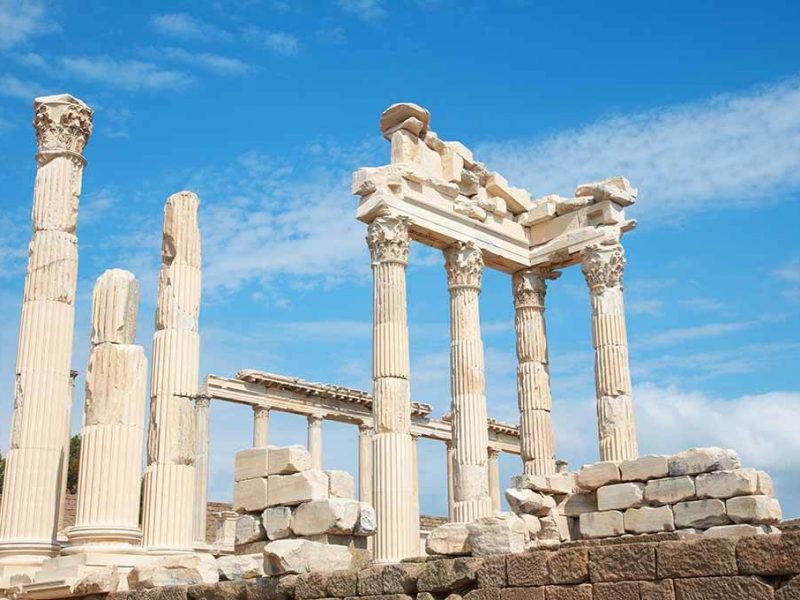
Located in the Bakırçay Basin in the northern part of İzmir, the ancient city of Bergama, historically known as Pergamon, is a unique site where multiple layers of civilization intersect. With roots in the Hellenistic, Roman, Byzantine, and Ottoman periods, Bergama stands today as a rich cultural and historical destination. In 2014, it was officially recognized as a UNESCO World Heritage Site for its exceptional universal value. Bergama is not just a place to visit, but a journey through layers of history, healing traditions, architecture, and innovation. As you walk through its ruins and museums, you’ll feel the echoes of civilizations that shaped our modern world.
Every year, thousands of domestic and international visitors come to explore this magnificent city, once known as a global hub for medicine, science, arts, and architecture. Here are the top 10 must-see highlights of Bergama:
Capital of the Pergamon Kingdom
Founded in the 3rd century BCE, Pergamon became the capital of the powerful Pergamon Kingdom. It flourished as a cultural and intellectual center, home to a library of 200,000 volumes, second only to the Library of Alexandria. It rivaled Athens in sculpture, philosophy, and urban planning.
Birthplace of Parchment
When Egypt cut off the export of papyrus, Pergamon scholars responded by inventing parchment (pergamen) from animal skins; revolutionizing the way knowledge was recorded and preserved.
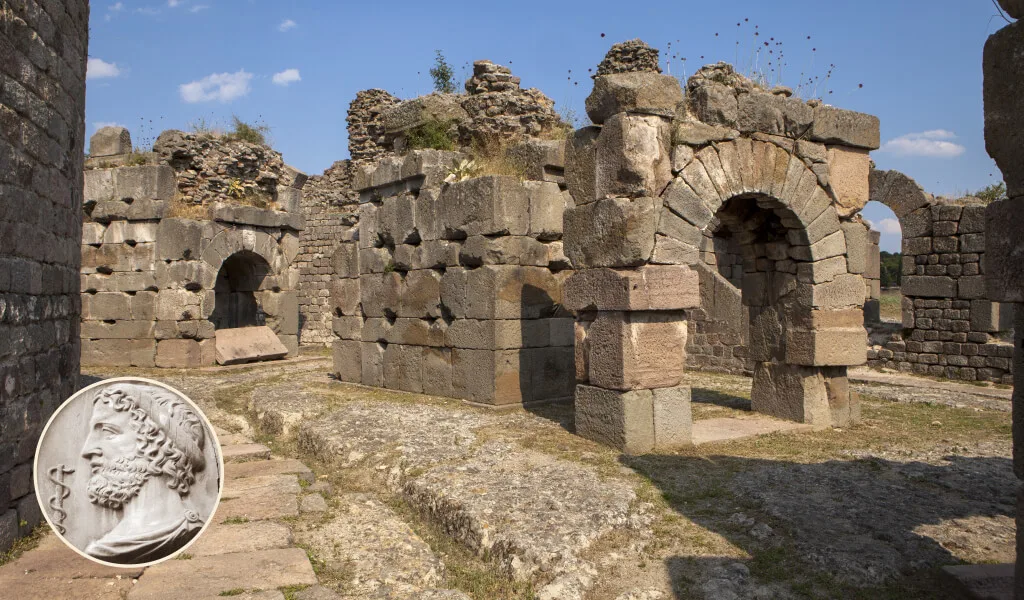
Asklepion: The Healing Center of Antiquity
Built in the 4th century BCE and dedicated to the god of healing, Asklepios, this ancient medical center offered treatments like mud baths, music therapy, dream analysis, and spa rituals. The world-renowned physician Galen, one of the founding figures of modern medicine, trained and practiced here.
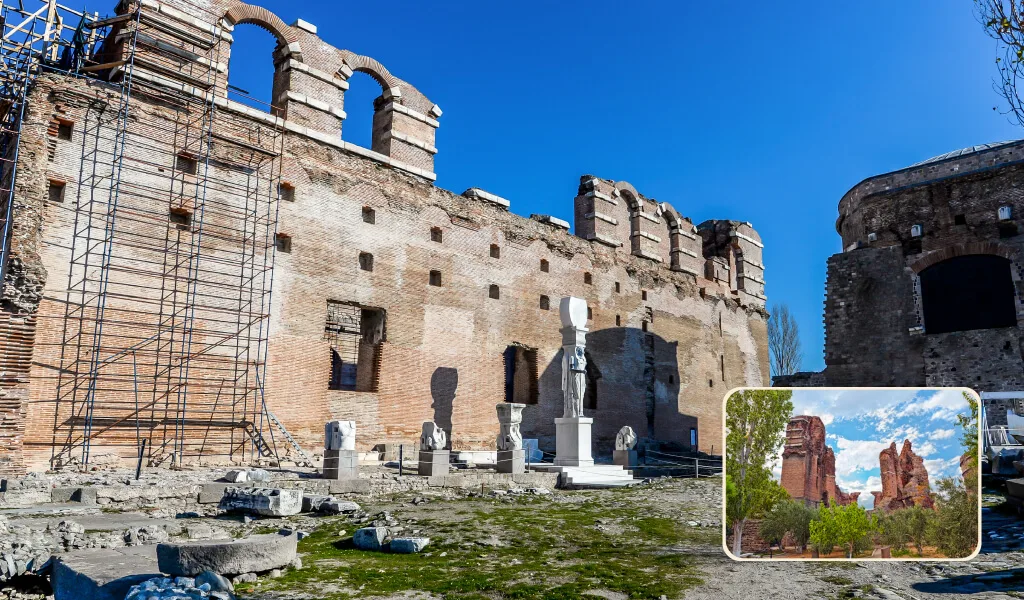
Red Basilica (Temple of Serapis)
Known as the Red Basilica due to its red bricks, this grand Roman structure was originally built as a temple to the Egyptian god Serapis. Later, it was converted into a Byzantine church. Its Egyptian-style columns at both ends are striking features.
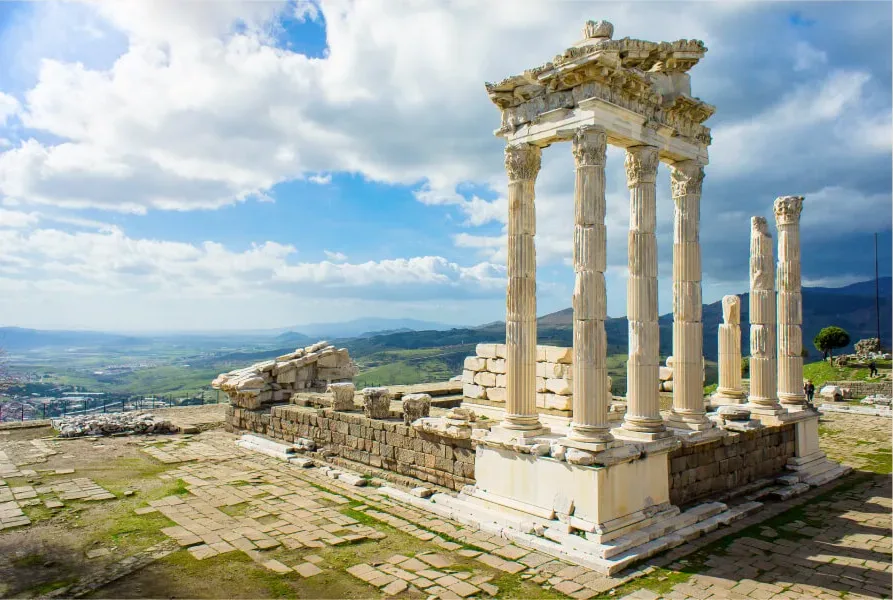
Acropolis: The Upper City
The Acropolis, or Upper City, housed the royal palaces, the Temple of Athena, the famous Pergamon Library, and the grand theater. Below were the religious sanctuaries and gymnasium, while common citizens lived in the lower city. You can now ride a cable car to the top for a panoramic view of the ancient site.
Altar of Zeus
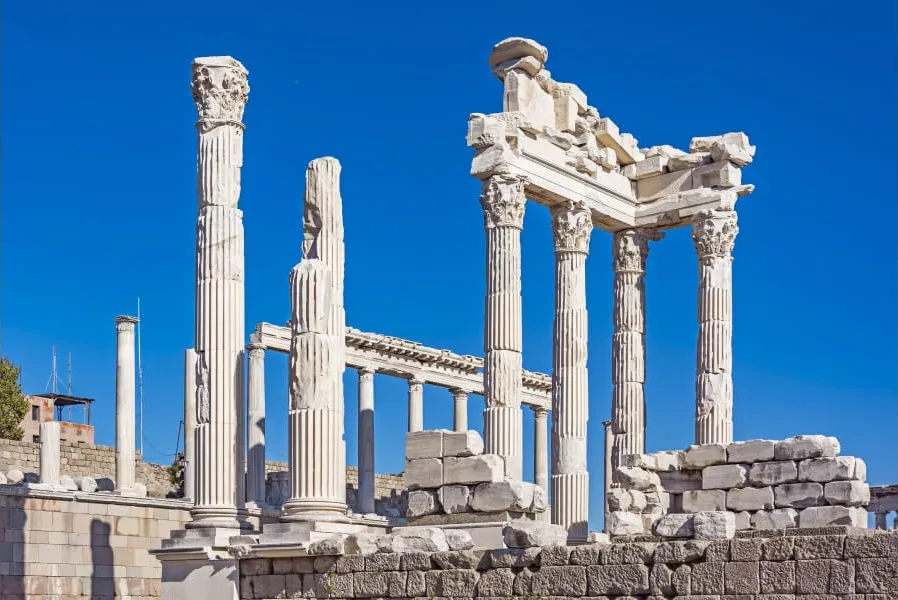
Commissioned by King Eumenes II between 180-160 BCE to celebrate victory over the Galatians, this monumental altar was one of the finest examples of Hellenistic architecture. While its foundations remain in Bergama, the altar itself was relocated to the Pergamon Museum in Berlin.
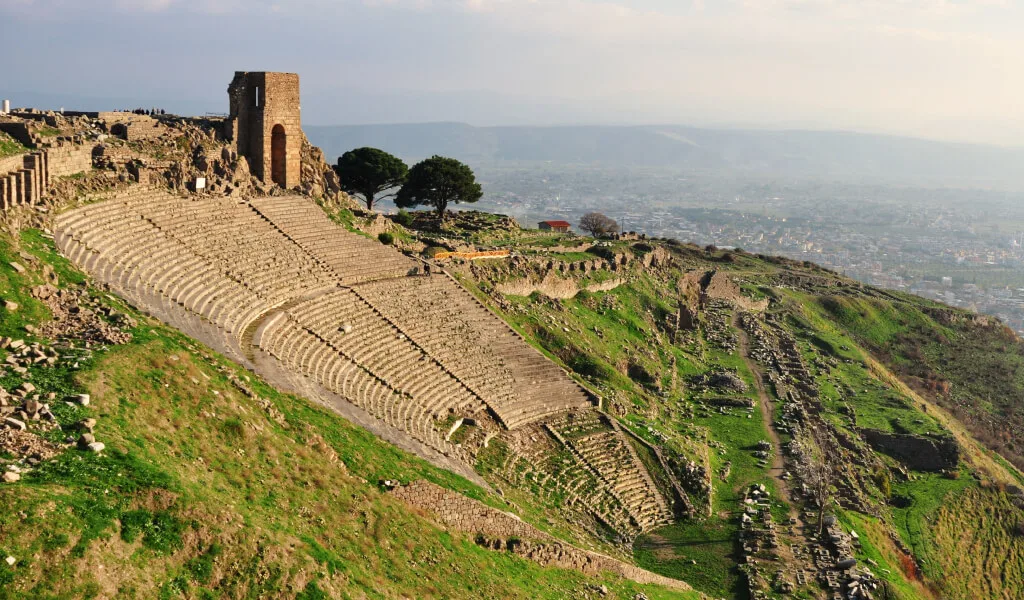
The Steepest Ancient Theater in the World
This 10,000-seat theater, built on a slope with a 33-degree incline, is known as the steepest ancient theater in the world. It was constructed under Eumenes II and features a removable wooden stage, reflecting brilliant engineering for its time.
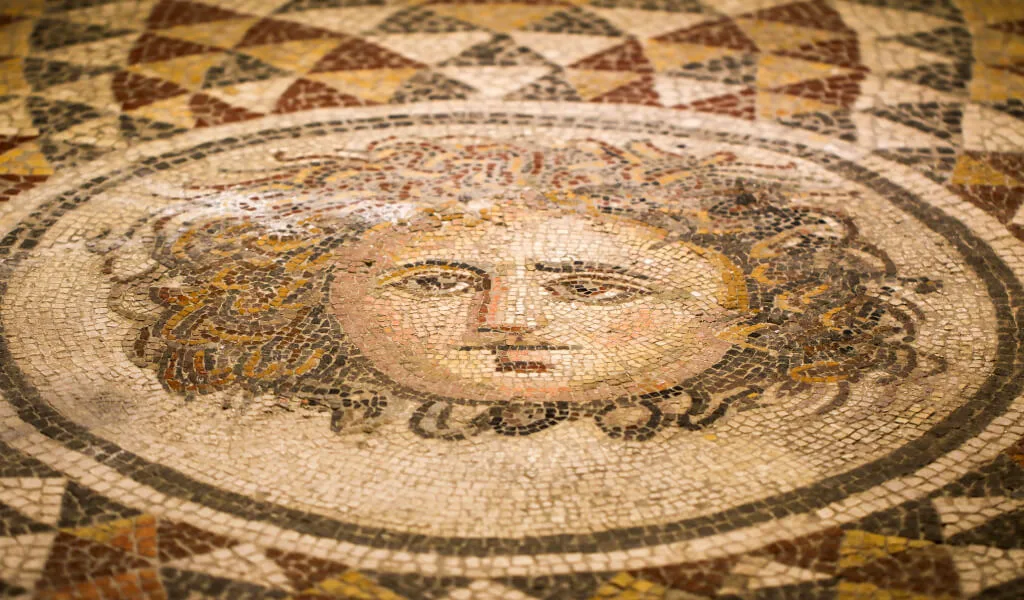
Bergama Museum
Located in the town center, the Bergama Museum houses over 8,700 archaeological artifacts, 7,300 coins, and nearly 2,000 ethnographic items. Highlights include the 2nd-century Nymphaeum Statue, a Roman bust of Socrates, and a Medusa mosaic from the 3rd century.
Cable Car to the Acropolis
A modern cable car system transports visitors from the city center to the hilltop Acropolis, offering spectacular views over the ancient ruins and the surrounding landscape.
Bergama Festival and Cultural Events
The annual Bergama Festival (Kermes) is one of Turkey’s oldest local cultural celebrations. It features live concerts, traditional dance performances, local crafts, and delicious street food that showcase the living heritage of the region.