European history has long been a crossroads where different cultures meet and mingle; sometimes through wars, sometimes through diplomatic ties. Among these intersections are the fascinating stories of Turkish-origin individuals who were taken captive from Ottoman lands and later found their places among European nobles. What began amid the hardships of war sometimes turned into extraordinary lives rising to noble titles.
Ludwig Maximilian Mehmet von Königstreu: Germany’s First Turkish Noble
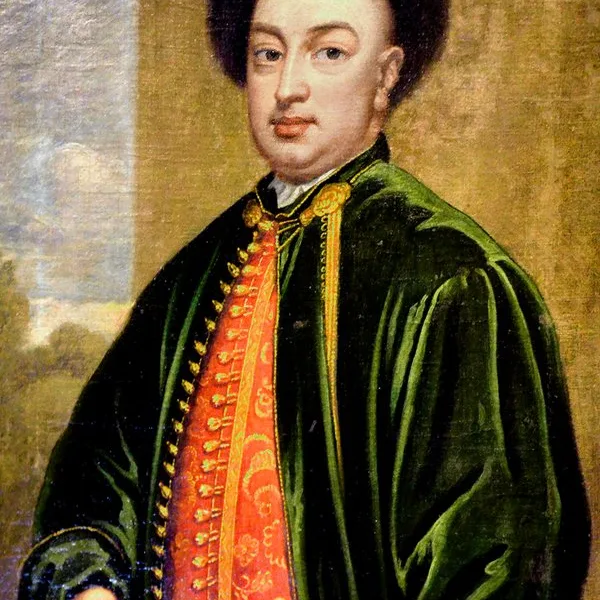
Born around 1670 in the Morea region, Mehmet was captured as a teenager (around 15 years old) by Hanoverian forces. Baptized and given the name Ludwig Maximilian Mehmet, he was soon admitted into court service. In 1716, he was granted the noble title “von Königstreu,” which means “loyal to the king” in German, a mark of his allegiance to the Christian court despite his Ottoman origins.
Mehmet traveled to London with Elector Georg Ludwig of Hanover when he became King George I of England, and died there in 1726. His portrait still hangs in the Barsinghausen Monastery; a symbol of an Ottoman boy’s rise to European aristocracy.
Fatima Karıman: The Mysterious Turkish Countess of the Siege of Buda
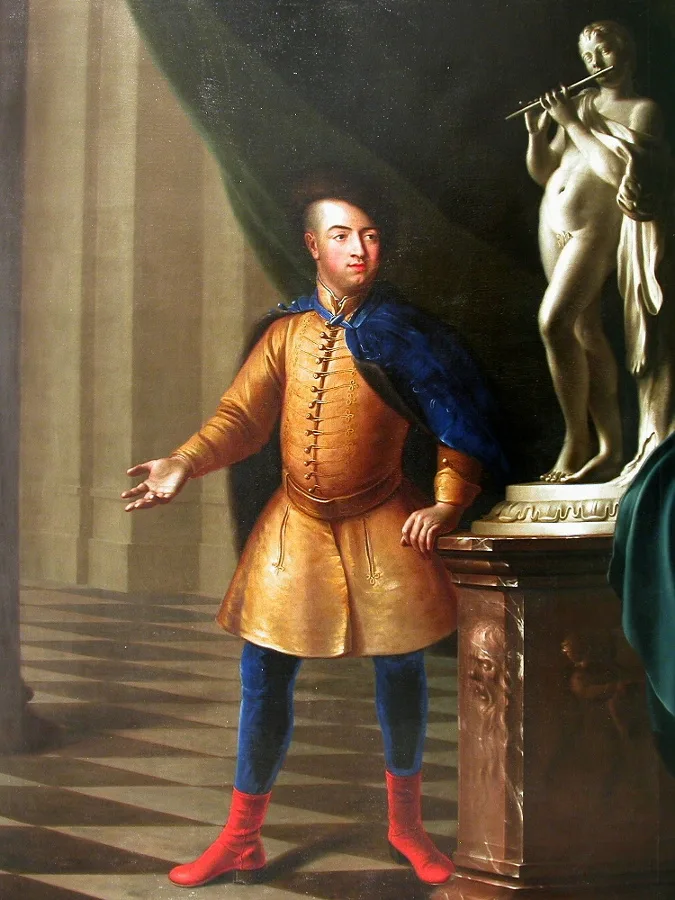
During the 1686 Siege of Buda, Fatima Karıman was taken captive. She became the mistress of the Saxon Elector I. August and gained significant influence in the court. Baptized as “Maria Anna Augusta Fatma,” Fatima rose far beyond losing her social status. Her son, Frederick Augustus Rutowski, became a Saxon Field Marshal, and her daughter married into Polish aristocracy.
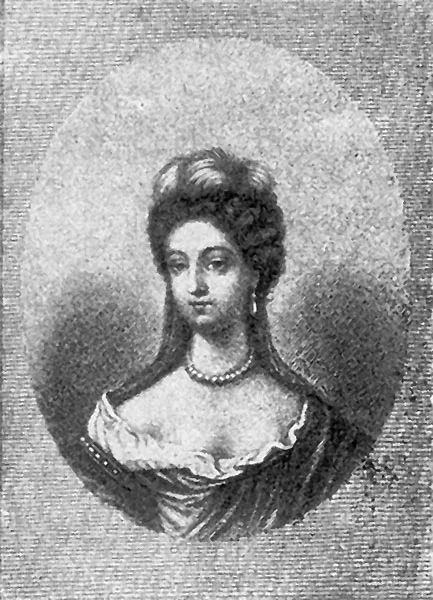
Fatima’s story is a rare example of how Ottoman women could reach unexpected heights in Europe.
Other Turkish-Origin Courtiers and Nobles
The journey of Turkish-origin individuals to Europe was not limited to Mehmet and Fatima:
- Ali Mola served as the guard for Phanariot prince Alexander Mavrocordatos and became noble in the Habsburg court in Vienna.
- İbrahim von Nievenheim was captured in the Rhine region, converted, and joined the noble class.
- Mustafa von Ferrol was a captive turned noble servant at the Madrid court in Spain.
- İbrahim el-Turki was an advisor on Turkish fashion at the Versailles court, influencing court culture.
These figures represent the social and cultural face of Ottoman-European interaction.
A Possible Turkish Link in Goethe’s Family
Some historians suggest that the mother of the great German writer Goethe descended from a Turkish captive brought to Germany in the 14th century. This person is recorded as Sadık Selim or Johann Soldan. Although not conclusively proven, this claim reflects the historical cultural and genetic ties between the Ottoman and European worlds.
Forgotten Bridges of History
These stories are rare examples that reveal the human and individual sides of cultural interactions often missing from history books. Captives taken from various Ottoman lands did not just survive, they sometimes secured positions among Europe’s highest social classes, becoming key members of courts, churches, and armies.
Ludwig Maximilian Mehmet, Fatima Karıman, and others built bridges not only between two empires but also between religions, languages, and traditions. Their lives remind us of how colorful and multi-layered history truly is.