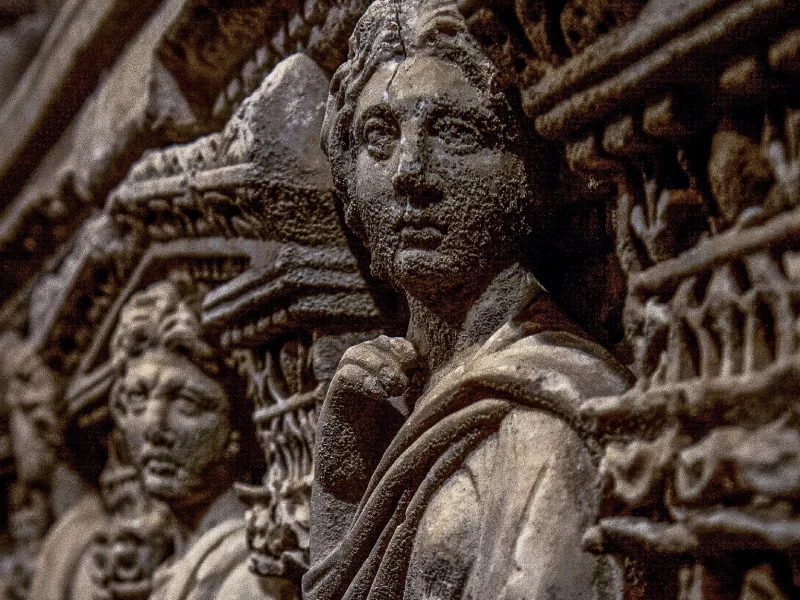
“Without a doubt, Antalya is the most beautiful city in the world,” said Atatürk. With these words, he wasn’t only praising the region’s natural beauty but also its deep-rooted historical heritage. Among the most striking remnants of this heritage is Perge Ancient City, once one of the grandest cities of antiquity. And the Antalya Museum stands as a guardian of its treasures. From receiving the prestigious “European Council Museum of the Year” award to the declaration of 2018 as the “Year of Perge”, here are 10 fascinating reasons to explore this remarkable duo:
The Birth of a Museum from a Teacher’s Resistance
Counted among the world’s leading museums, Antalya Museum has a unique origin story. During World War I, when the Italians occupied Antalya and began looting ancient artifacts, history teacher Süleyman Fikri Erten took a stand. His efforts led to the foundation of the museum in 1922, with the sole aim of protecting Anatolia’s stolen heritage.
From Mosques to a Modern Museum
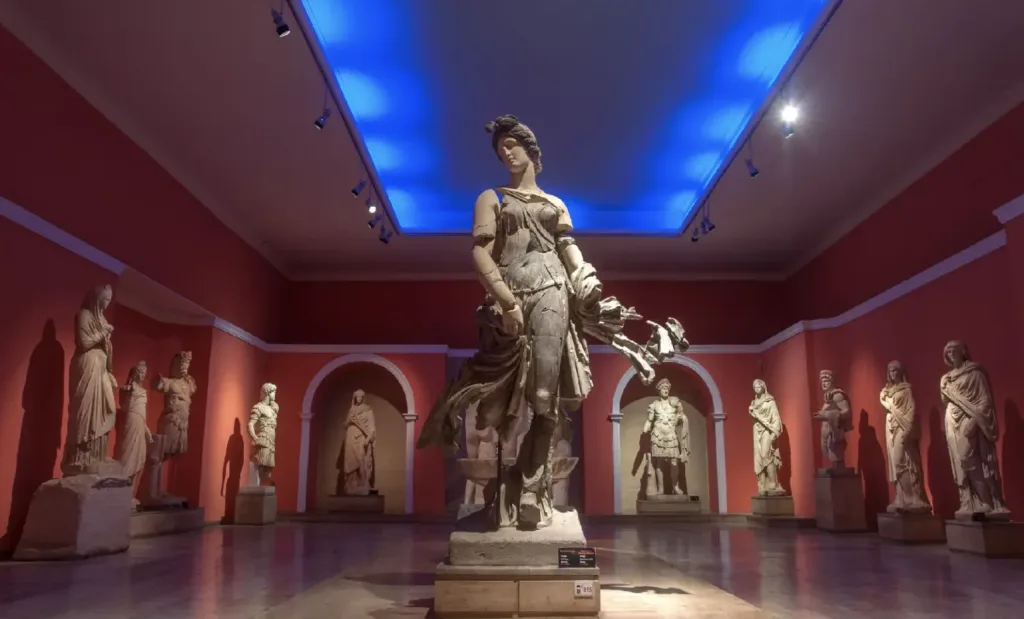
Initially housed in Alaaddin Mosque in Kaleiçi, and later in Yivli Minaret Mosque, the artifacts finally found a permanent home in 1972. The museum functions both as an Archaeology and History Museum and a Regional Museum. Many of its exhibits were excavated from nearby sites; especially from the city of Perge; and are organized both chronologically and thematically.
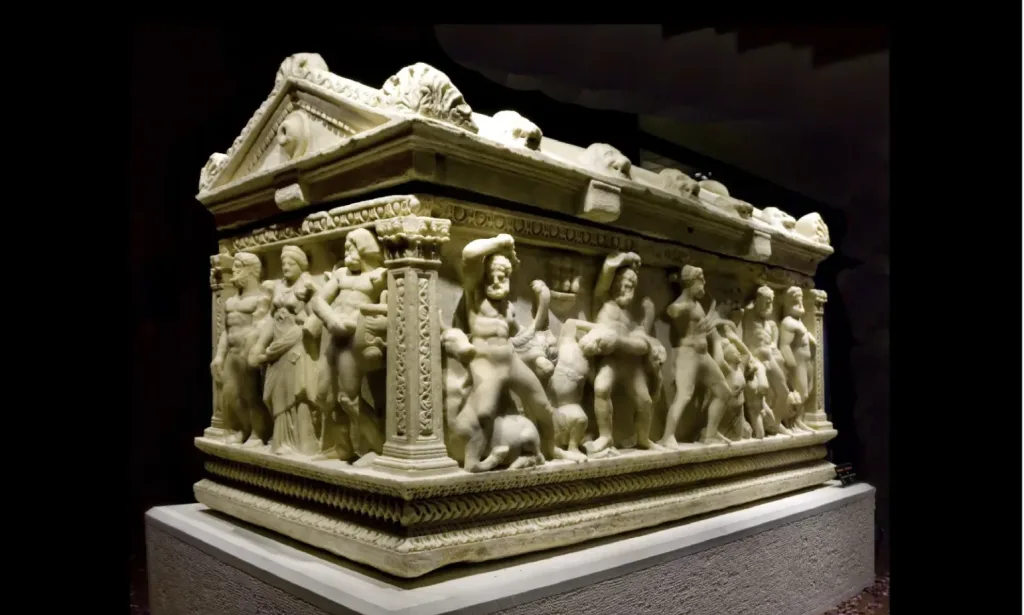
The Journey of the Herakles Sarcophagus
One of the museum’s most captivating exhibits is the Herakles Sarcophagus, which was smuggled out in the 1960s. After being seized in Geneva in 2010, it underwent a seven-year legal battle before being returned to Turkey. The Roman-period tomb features 12 reliefs depicting the Twelve Labors of Herakles, measures 235 cm in height, 112 cm in width, and weighs three tons.
The Dancing Woman of Perge
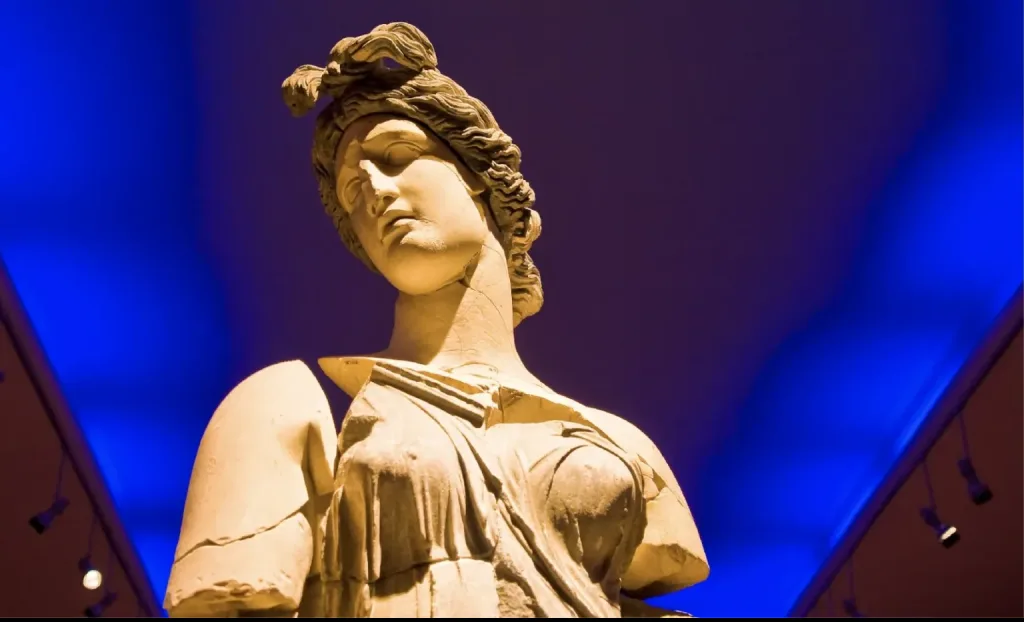
Another museum highlight is the exquisite “Dancing Woman” statue, dating back to the 2nd century AD. Made from contrasting black and white marble, the statue is displayed in the Hall of Emperors and stands at 2.25 meters tall. Discovered in 1981, this statue is a hallmark of the Perge sculpture school and considered unique worldwide due to its dual-marble technique.
A Treasury of Roman Art
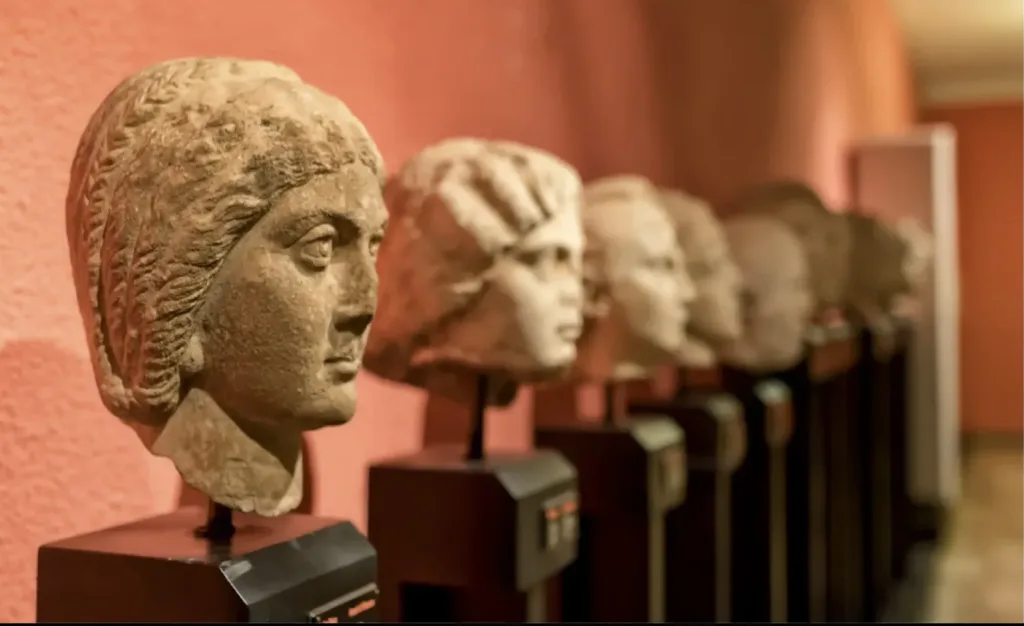
With its vast collection of statues and Roman-era artifacts, Antalya Museum ranks among the world’s richest museums of the Roman period. It attracts archaeologists, researchers, and tourists from around the globe. While 5,000 pieces are on public display, another 25,000 remain in protected storage.
Halls Dedicated to the Gods and Emperors
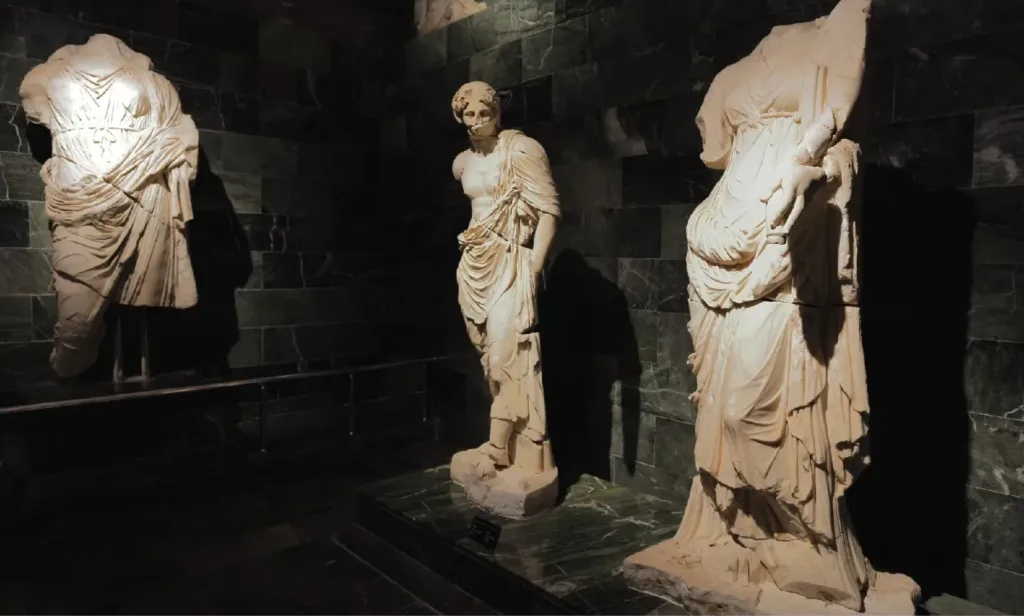
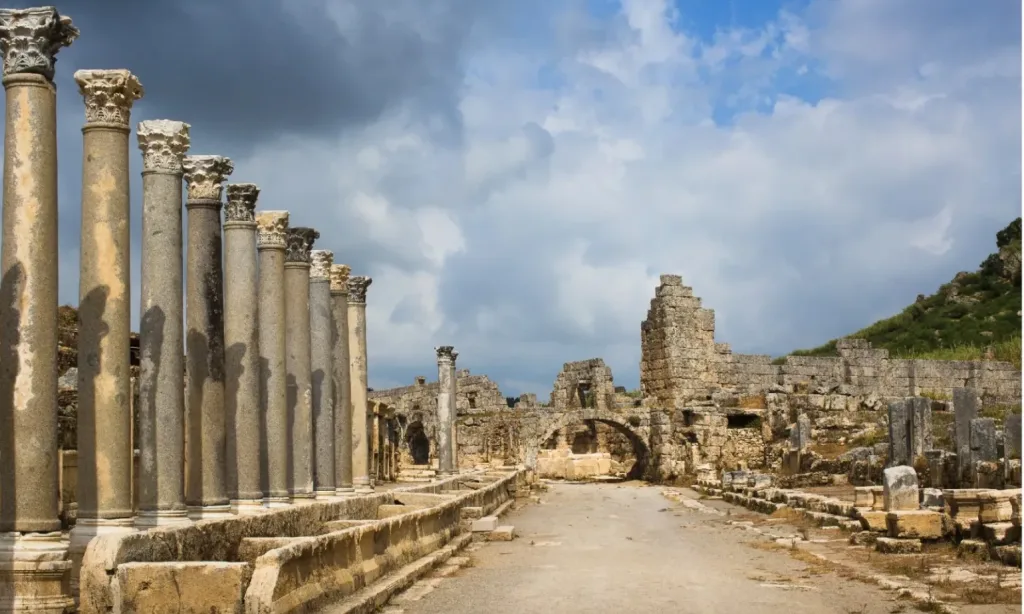
The museum’s Halls of Gods, Emperors, and Sarcophagi are composed almost entirely of finds from the excavations at Perge. Meanwhile, the city itself dazzles with architectural wonders from the Hellenistic, Roman, and Christian periods; towering gates, monumental fountains, Roman baths, and long columned streets.
The Theater of Perge Comes to Life
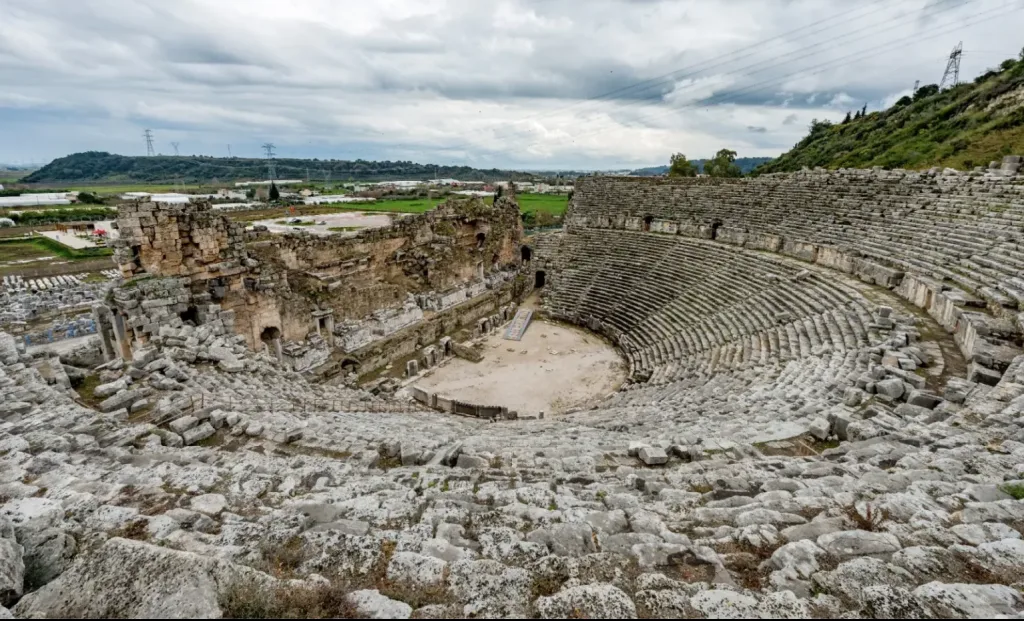
The Theater Hall features artifacts unearthed from the Perge Ancient Theater:a structure divided into three main parts: the stage, orchestra, and audience seating. Since 1990, the statues and decorations found during excavations have enriched the museum’s collections. The theater also hosted gladiator combats and wild beast fights, making it a focal point of public life in antiquity.
The Monumental Fountain
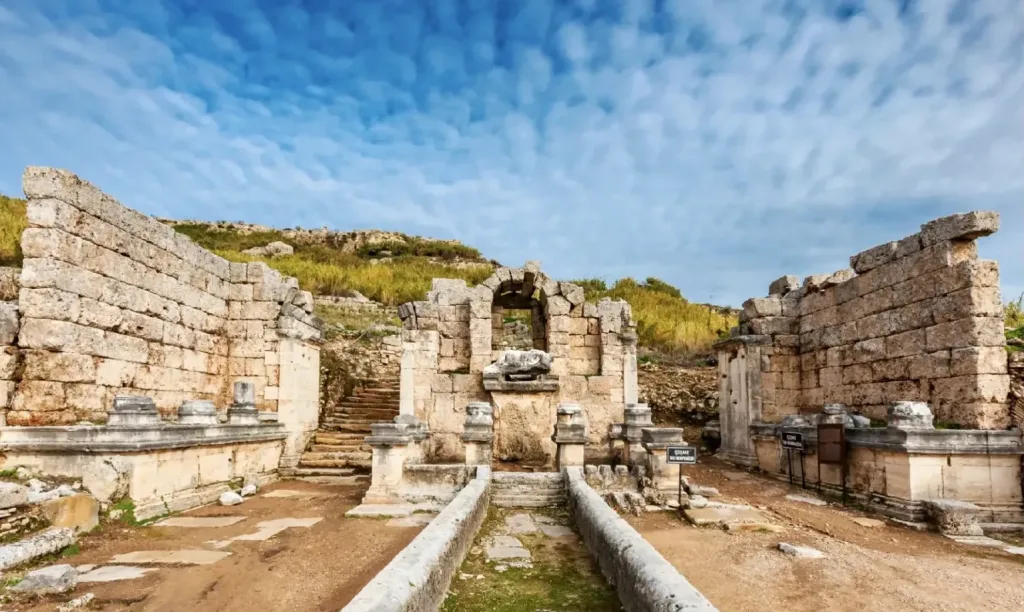
Among Perge’s standout structures is its monumental Roman nymphaeum (fountain). These fountains were multi-storied and decorated with grandiose sculptures. Built in the 2nd century AD, Perge’s nymphaeum originally stood 20 meters tall, but due to earthquakes, now only 12 meters remain standing.
A Masterpiece of Ancient Urban Planning
Perge exemplifies Roman urban design at its finest. The main boulevard (cardo maximus) runs north-south, flanked by rows of columns and a central water channel. The city’s advanced sewage system and organized street layout made it one of the most modern cities of its time.
A City Where Women Held Power
Perge stands out as one of the rare ancient cities in Anatolia where women played active roles in religious and social life. Similar to the one in Ephesus, the Temple of Artemis Pergaia, managed by female priestesses, symbolized both the city’s spiritual heart and the elevated status of women in the community. This sacred space offers powerful insight into gender roles in ancient Anatolia.
Perge and Antalya Museum are not just stops on a tourist route: they are gateways into a magnificent past. Together, they celebrate the cultural brilliance of a city that once stood at the crossroads of empires, mythologies, and civilizations.