The Aegean Region of Türkiye is a treasure trove of culinary heritage, where fertile lands and a mild climate give rise to an abundance of fresh produce, fragrant herbs, and unique wild greens. This centuries-old gastronomic tradition blends light, olive oil–based dishes with the natural bounty of the region. In the Aegean, the cuisine is not only about satisfying the palate; it is a lifestyle that celebrates seasonality, health, and the simple joy of fresh ingredients.
Wild greens play a starring role in this culinary culture. From şevketibostan to wild mallow, these plants have been gathered and enjoyed for thousands of years, shaping the identity of the Aegean table. Many of the region’s most beloved dishes are based on these greens, while others showcase seafood, vegetables, and aromatic spices, creating a vibrant mosaic of flavors.
The Wild Greens of the Aegean
Bitter Herb (Acı Ot)
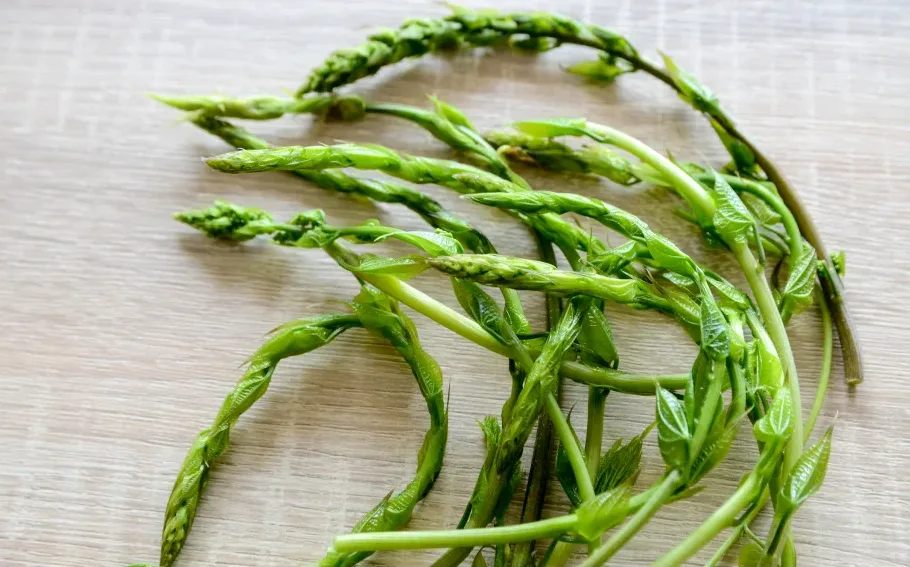
Known locally as “sarmaşık otu” or “wild asparagus,” this slightly bitter plant is harvested between February and April. The tender tops are sautéed with onion, egg, and olive oil, offering a distinct flavor. Locals advise tearing the greens by hand rather than cutting them to prevent the bitterness from intensifying.
Şevketibostan
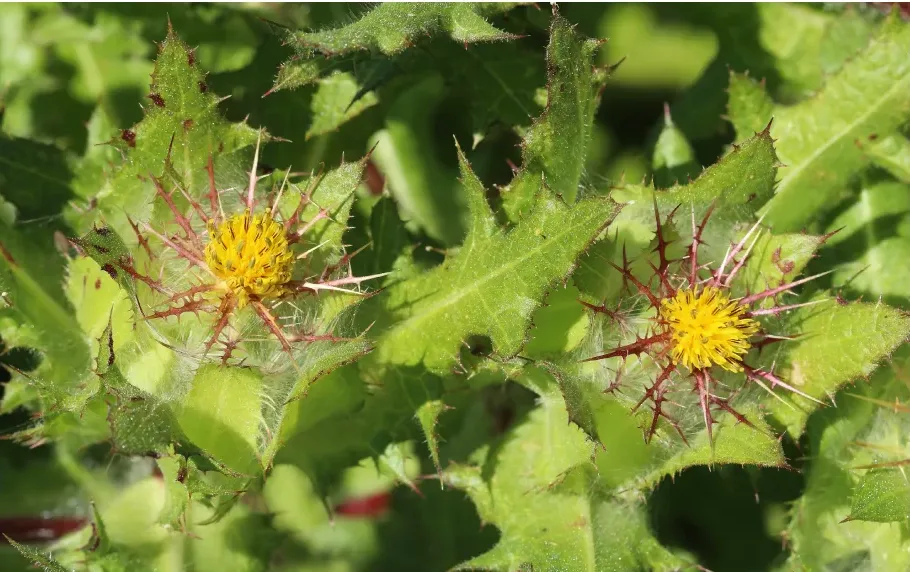
A prickly plant with a rich aroma, şevketibostan is a signature ingredient of Aegean cuisine. Once cleaned of its thorns, it can be sautéed, served as a salad, or cooked with bone-in lamb for the famous kuzu etli şevketibostan. The plant is also enjoyed as a tea or pickled for year-round use.
Milk Thistle (Deve Dikeni)
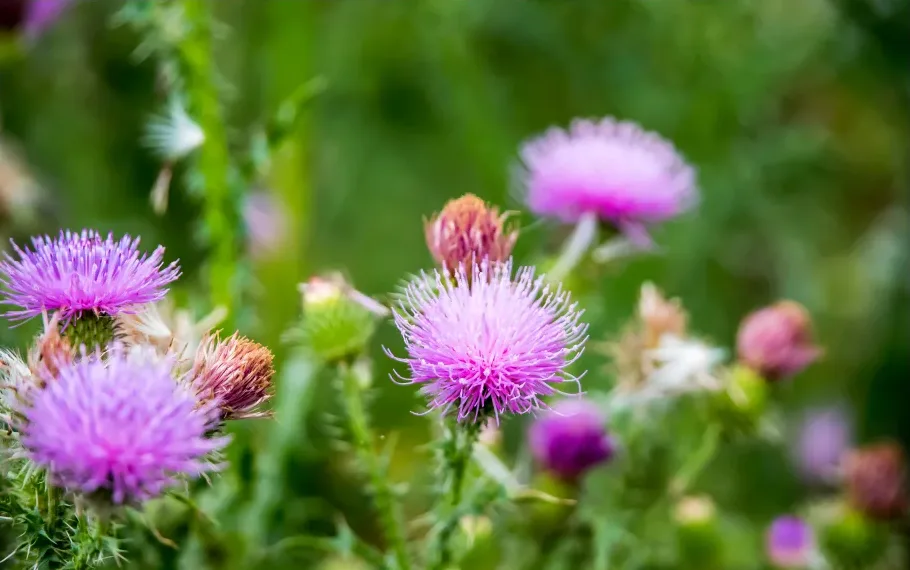
With its purple blooms, milk thistle grows even in the harshest conditions. Once trimmed, its edible base resembles artichoke and can be boiled for use in meat dishes or lightly sautéed for salads. In the past, its seeds were pressed for medicinal oil and even lamp fuel.
Wild Mallow (Ebegümeci)
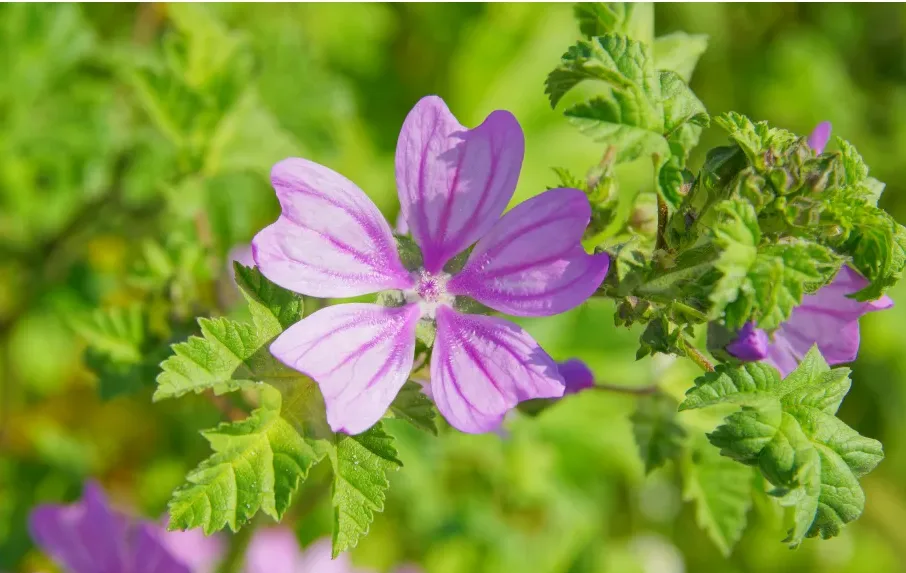
Found in fields and gardens, wild mallow can be used in countless ways—blanched, mixed with yogurt for a meze, cooked with olive oil, or even stuffed. It produces a natural mucilage when cooked, making it a natural thickener for soups. Dried leaves are also brewed as a winter tea.
Goosefoot (Kazayağı Otu)
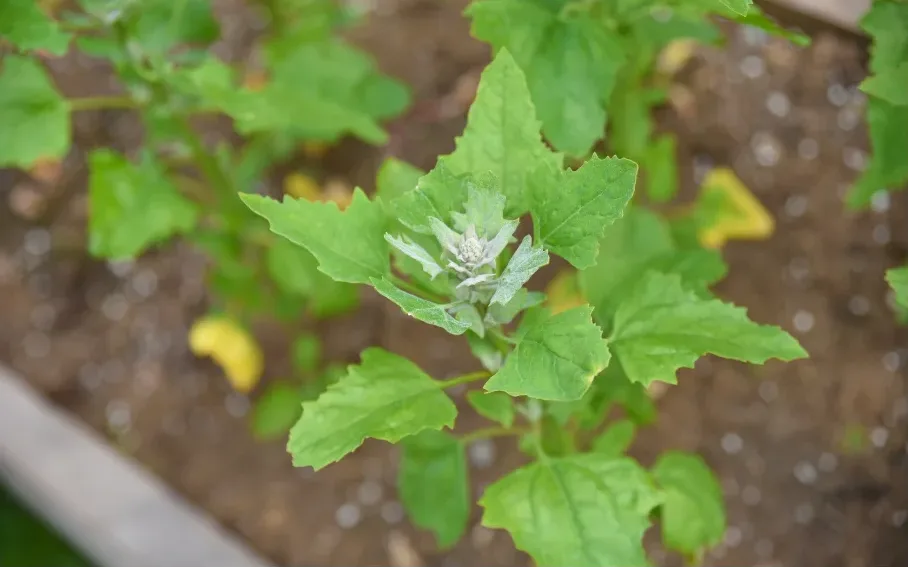
Mildly bitter when raw, goosefoot is commonly sautéed with onion and olive oil, sometimes with egg, or used as a filling in pastries. It can also be boiled, drained, and dressed with garlic, lemon, and olive oil.
Chickweed (Kuş Otu)
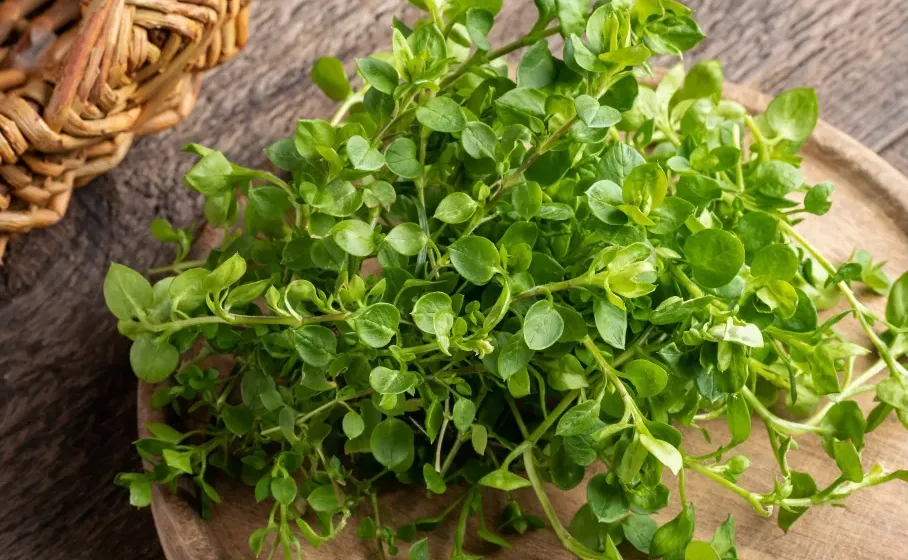
Also called “sparrow’s tongue,” chickweed has a fresh aroma reminiscent of corn silk when raw and spinach when cooked. It is eaten in salads, baked in pastries, or cooked with rice or bulgur. Care must be taken to clean it thoroughly and gather the correct species.
Iconic Aegean Dishes You Must Try
Stuffed Zucchini Blossoms
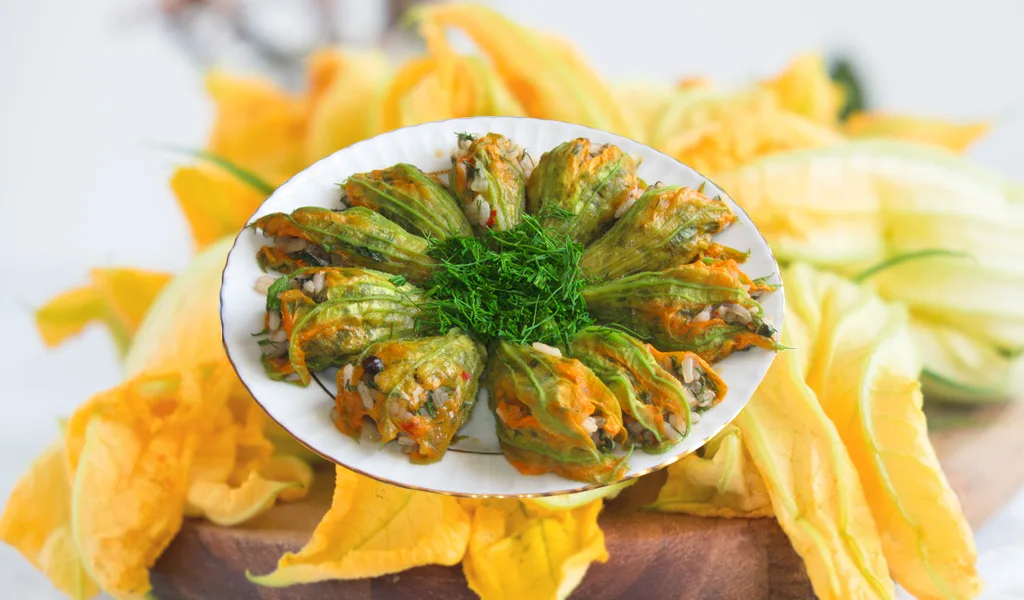
A delicate specialty made by filling freshly picked zucchini flowers with either a rice-and-herb mixture or a meat-based stuffing. A seasonal treasure that visitors should not miss.
Braised Fresh Fava Beans (Zeytinyağlı Bakla)
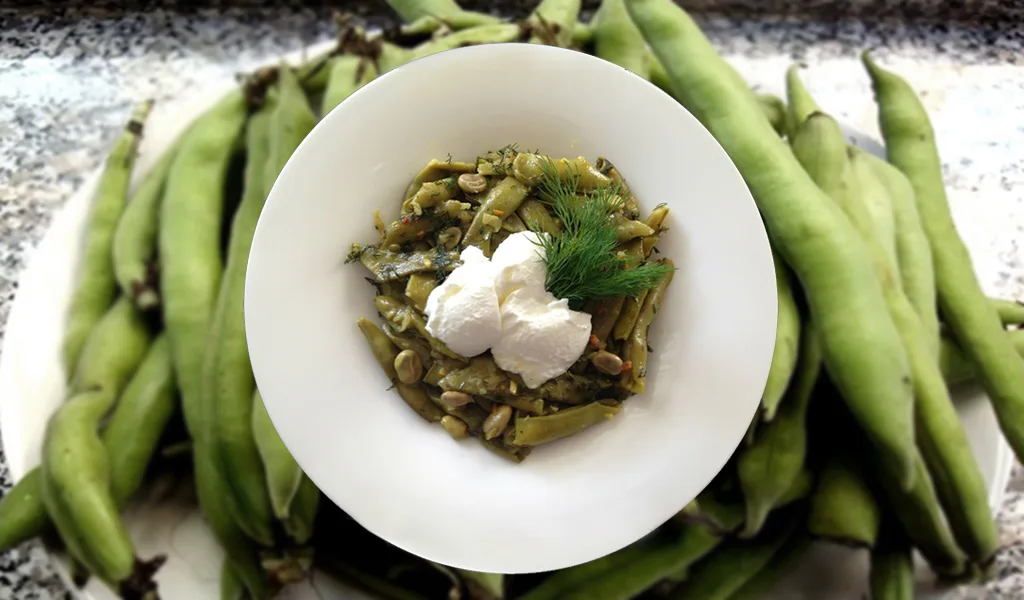
Prepared in spring when fava beans are in season, this cold olive oil dish is often served with dill and yogurt.
Samphire Salad (Deniz Börülcesi)
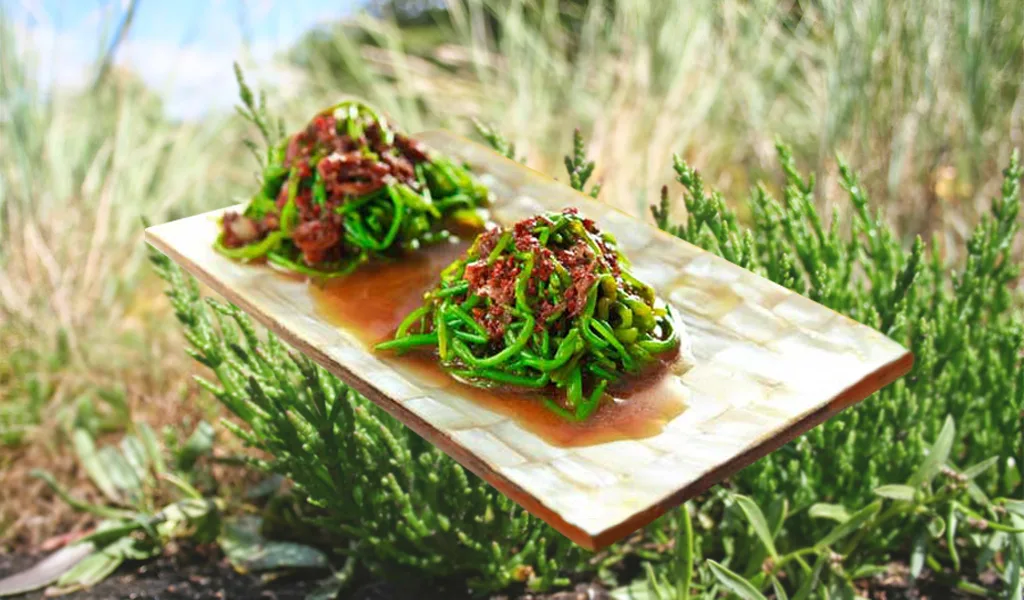
A salty coastal plant blanched and dressed with olive oil, lemon, and sometimes garlic: light, refreshing, and full of minerals.
Stuffed Vine Leaves (Zeytinyağlı Sarma)
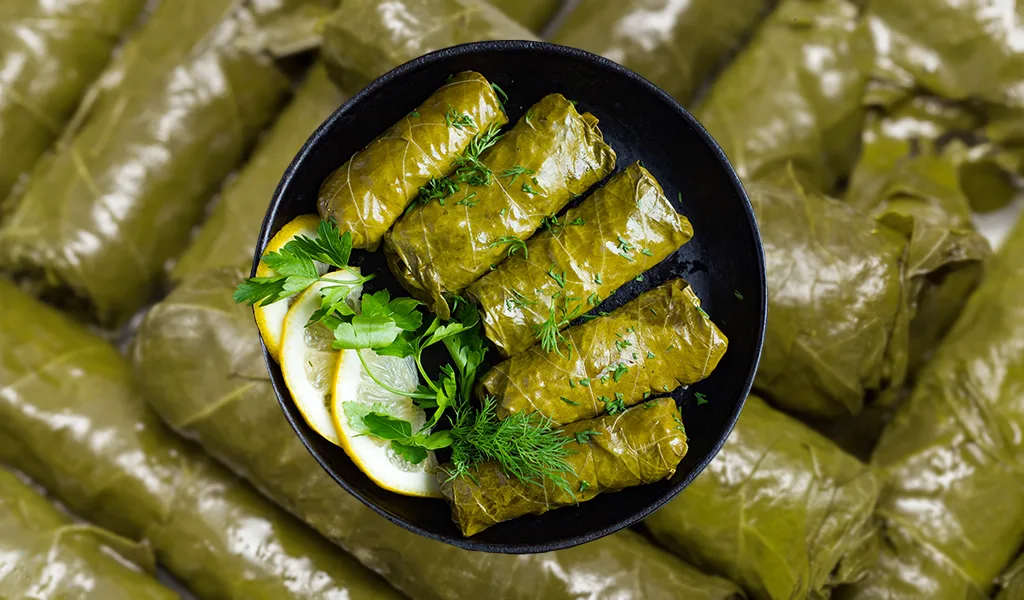
Tender grape leaves rolled around a tangy rice filling, served cold as a meze.
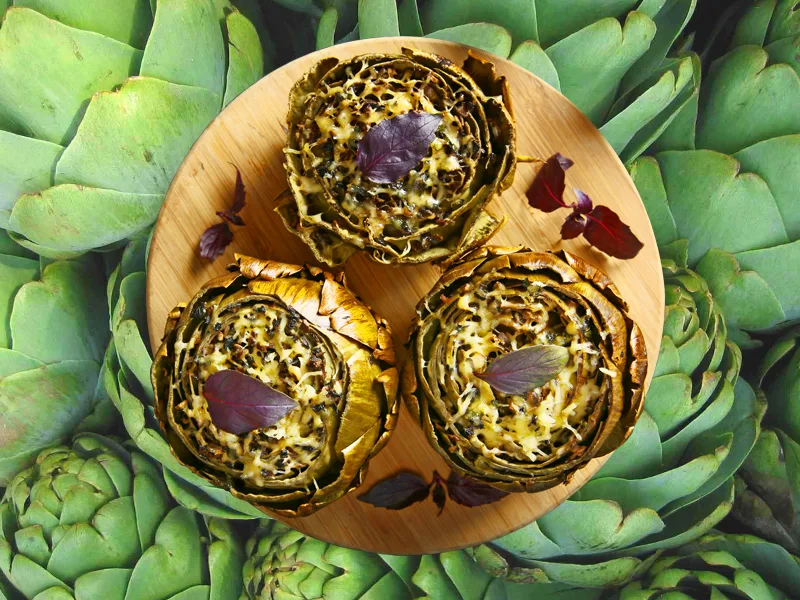
Stuffed Artichokes
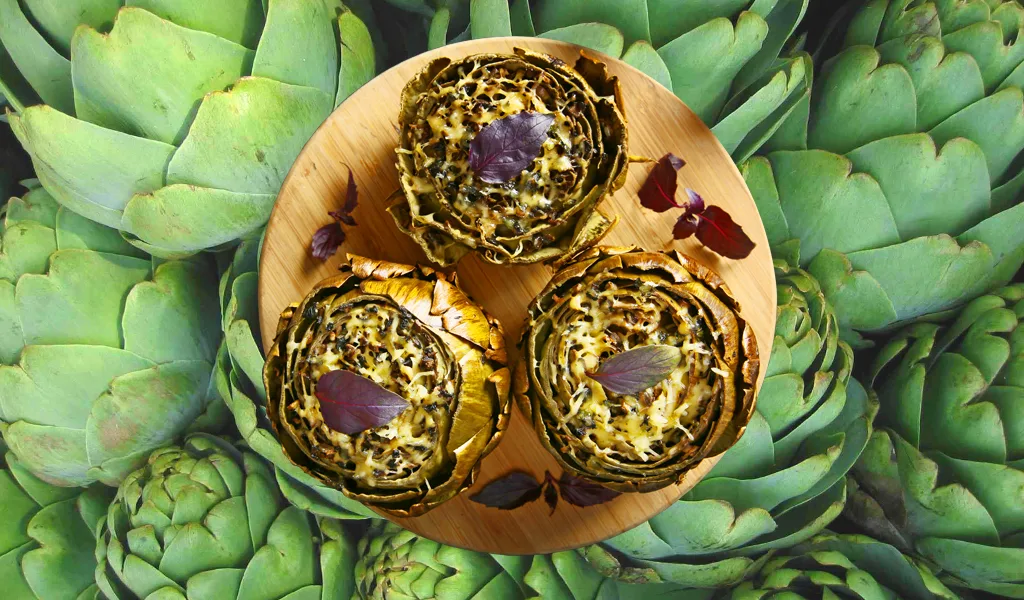
Whole artichokes filled with olive oil mixture and simmered in lemon water: both elegant and unforgettable.
Lamb with Şevketibostan
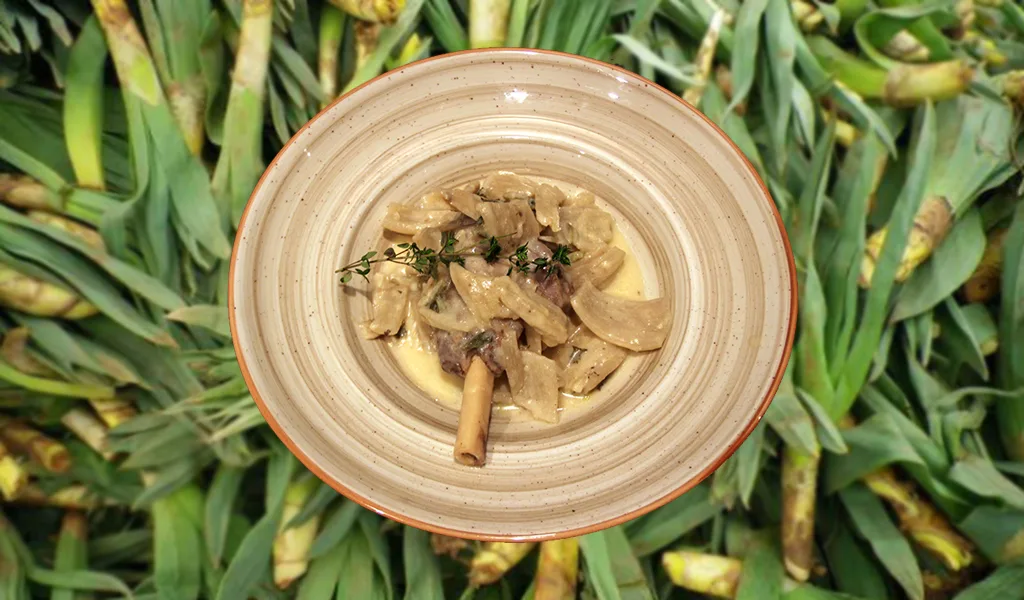
A classic marriage of wild greens and tender lamb, often finished with a tangy egg-lemon sauce.
Papaz Yahnisi
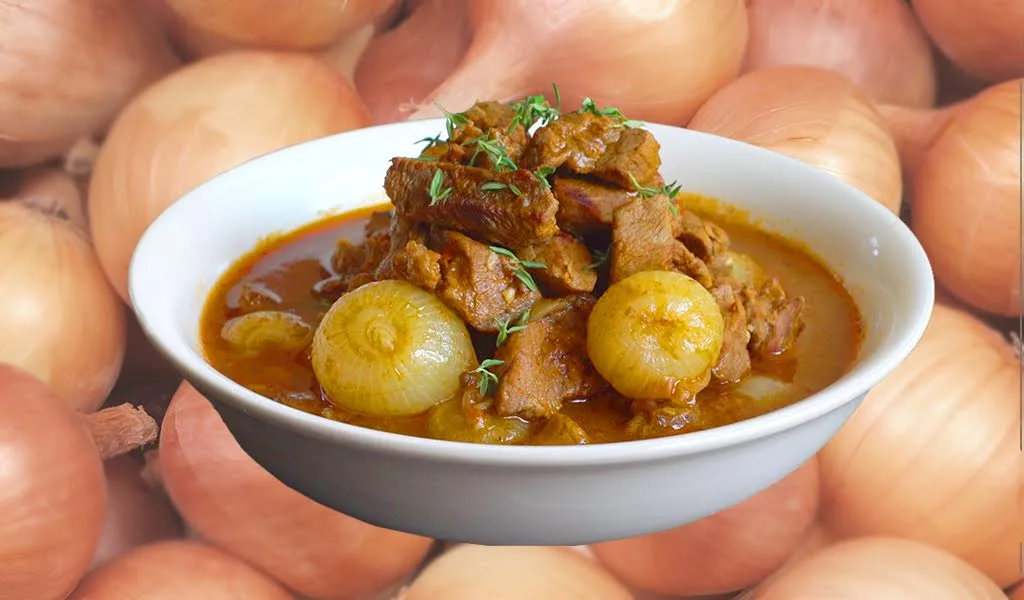
A slow-cooked beef stew with pearl onions and garlic, offering a subtle sweetness: a favorite since Ottoman times.
Lamb’s Quarters Salad (Labada Salatası)
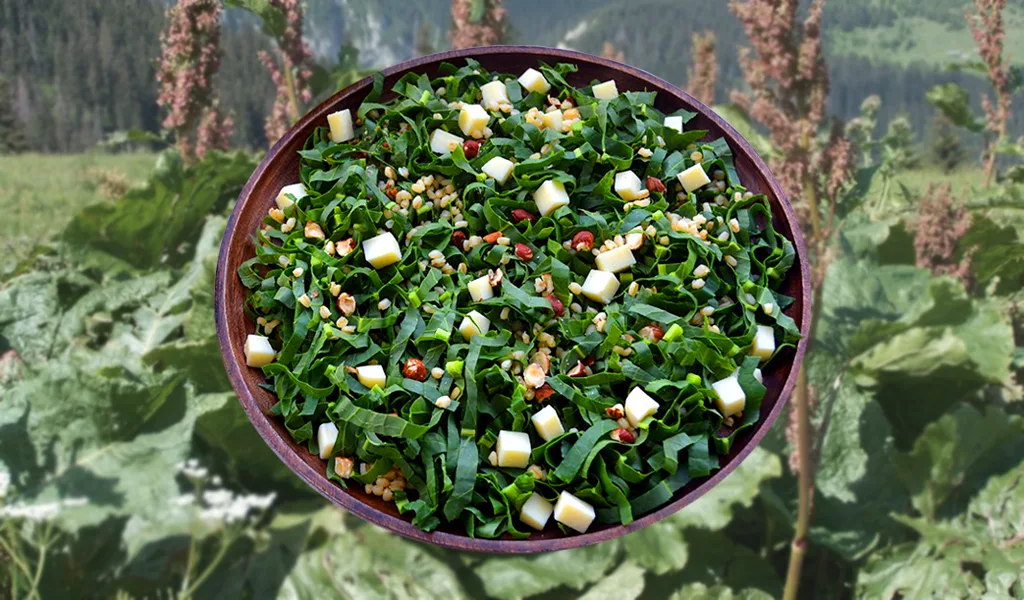
Made from the tender leaves and stems of labada, often combined with grains and nuts for a wholesome dish.
Fava Bean Purée
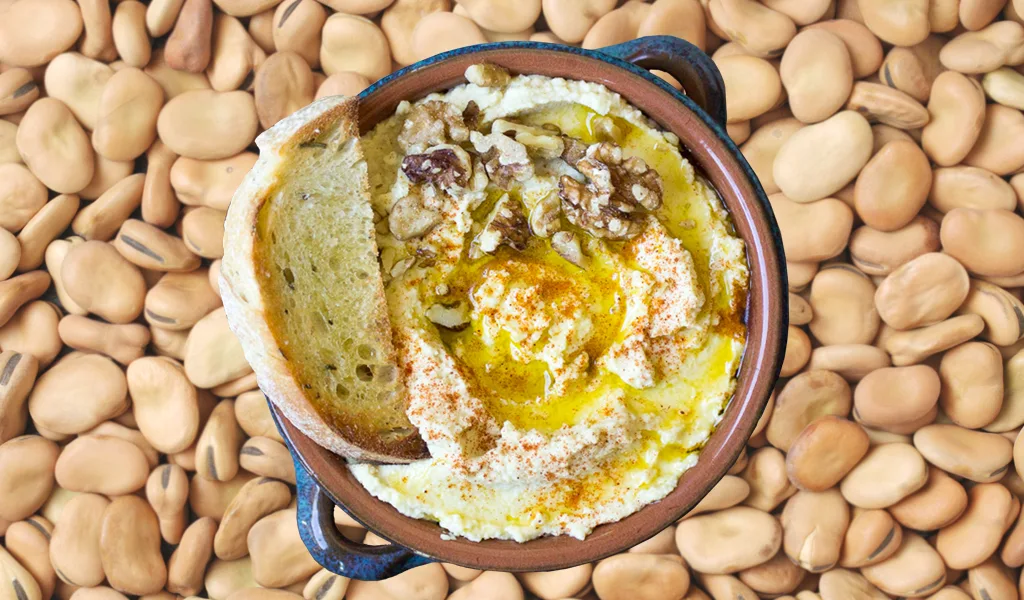
A silky mezze made from dried fava beans, olive oil, and dill: simple yet deeply flavorful.
What About Some Desserts?
Like other desserts of Turkish cuisine, Aegean desserts are also tempting. Here are some examples:
Şambalı
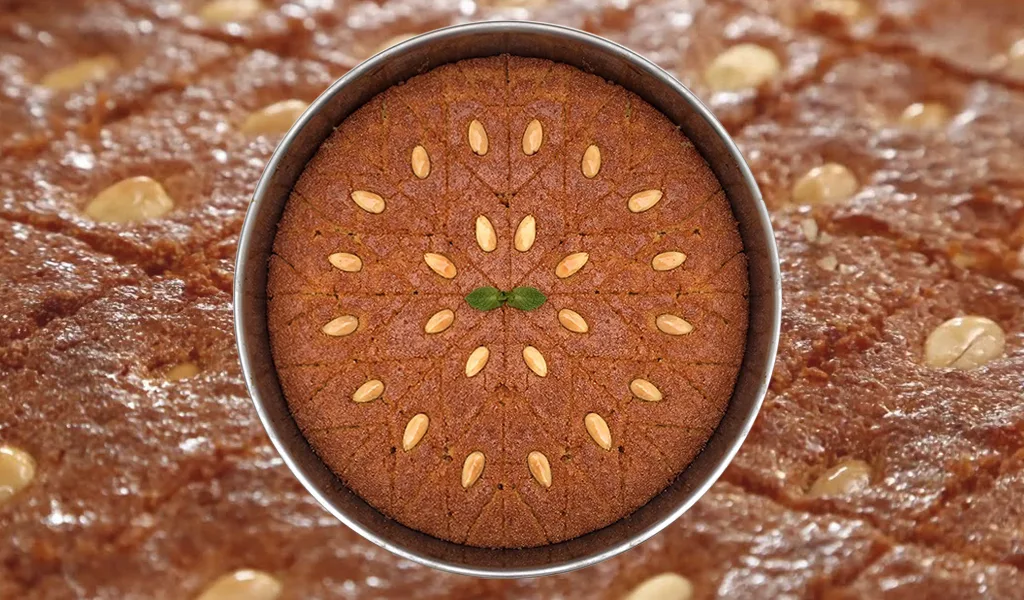
A semolina-based dessert topped with almonds and drenched in syrup, known in some regions as “Şambaba.”
Saffron Rice Pudding (Zerde)
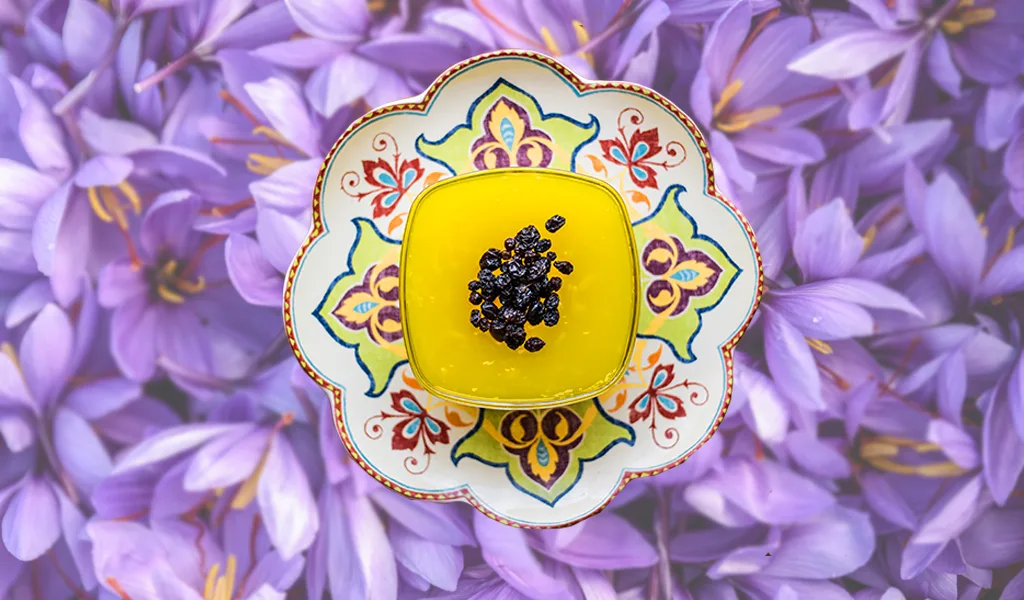
A festive dessert made with rice, saffron, cloves, and sometimes lohusa sugar, traditionally served at celebrations.
İzmir Lokma

Golden fried dough balls soaked in syrup, often served free to the public during special occasions in İzmir.
The Aegean cuisine is a harmonious blend of cultivated and wild ingredients, humble vegetables and sophisticated flavors. Whether it’s the briny freshness of samphire, the earthy richness of lamb with şevketibostan, or the sweet comfort of İzmir lokma, every dish tells a story of the region’s fertile lands and coastal abundance.
To truly experience the Aegean, one must taste both its timeless wild greens and its celebrated signature dishes: because here, nature and tradition come together on every plate.