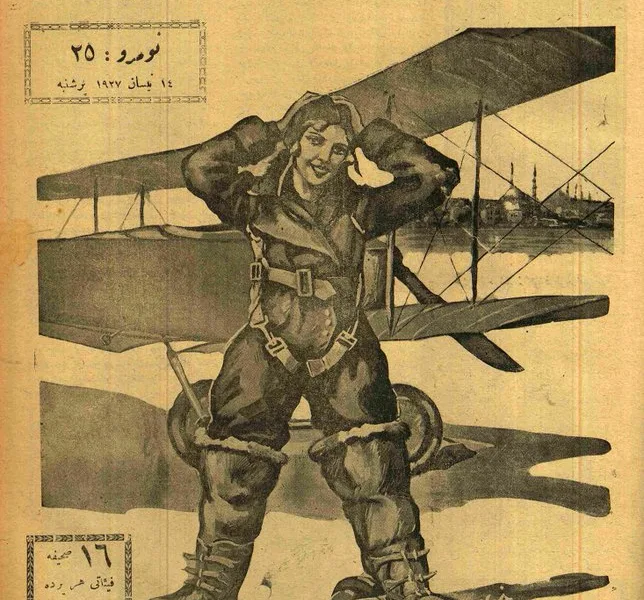
Turkey’s aviation history is woven with stories of courage, pioneering spirit, and remarkable diversity. Starting with Bandirma Rocket Club and reaching new heights with modern jet fighters, Turkish aviation grows rapidly. This article brings together some of the nation’s most significant aviation heroes: from Ahmet Ali Çelikten, one of the world’s rare early Black pilots, to pioneering female aviators like Bedriye Tahir Gökmen and Sabiha Gökçen, and the legendary aviation master Vecihi Hürkuş.
Ahmet Ali Çelikten: World’s First Black Pilot
Born in 1883 in İzmir, Ahmet Ali Çelikten stands out as one of the Ottoman Empire’s most colorful and courageous pilots. Of Nigerian descent, Çelikten served as an officer in the Ottoman Navy before turning to aviation. He began flying in 1916 during World War I and is widely recognized by historians as one of the world’s first Black pilots.
Çelikten is a pioneering figure in Ottoman and Turkish aviation, symbolizing the multicultural heritage and diversity of Turkey’s early aviation endeavors. His bravery and determination helped lay the foundation for Turkish aviation both on the battlefield and in the skies.
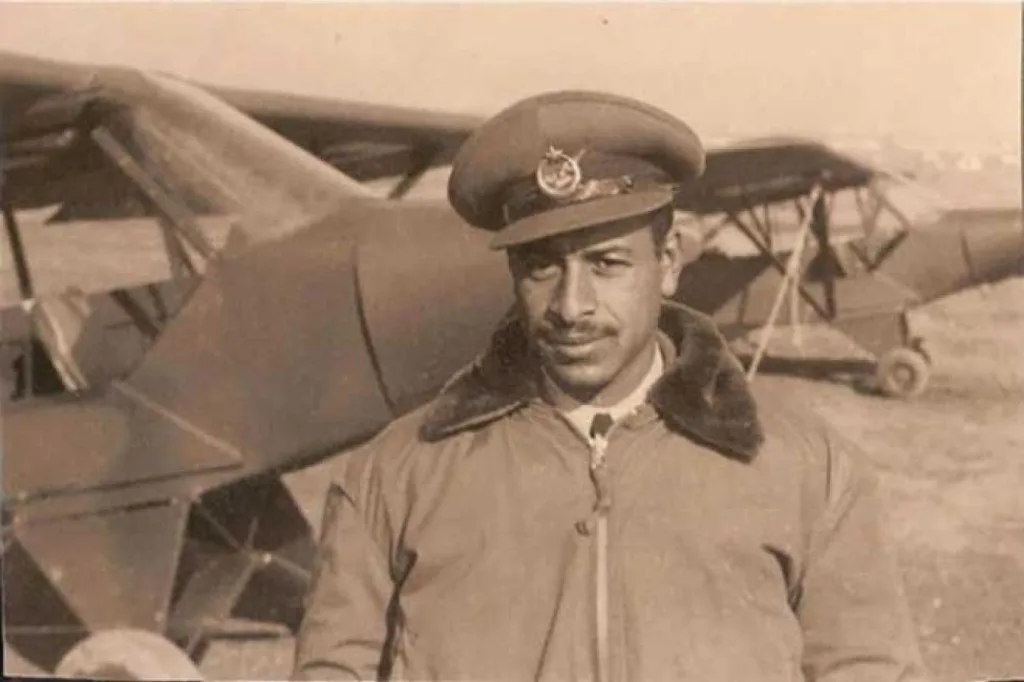
Ahmet Ali Çelikten
Vecihi Hürkuş: The Father of National Aviation and the Flying Engineer
Born in Istanbul in 1896, Vecihi Hürkuş is celebrated as Turkey’s first aircraft designer and pilot. He actively served through the Balkan Wars, World War I, and the Turkish War of Independence, quickly earning recognition for his flying skills and engineering expertise.
In 1924, using leftover materials after the Greek occupation, he built his own airplane; the Vecihi K-VI. When denied a flight permit, Hürkuş famously declared, “If you trust your plane, just take off and fly,” and made a historic solo flight that became an iconic moment in Turkish aviation history.
In 1932, he founded Turkey’s first civilian aviation school, Vecihi Civil Aviation School, where he trained numerous pilots, significantly advancing Turkish aviation. Over his lifetime, he flew 102 different aircraft types and logged approximately 30,000 flight hours, gaining unparalleled experience.
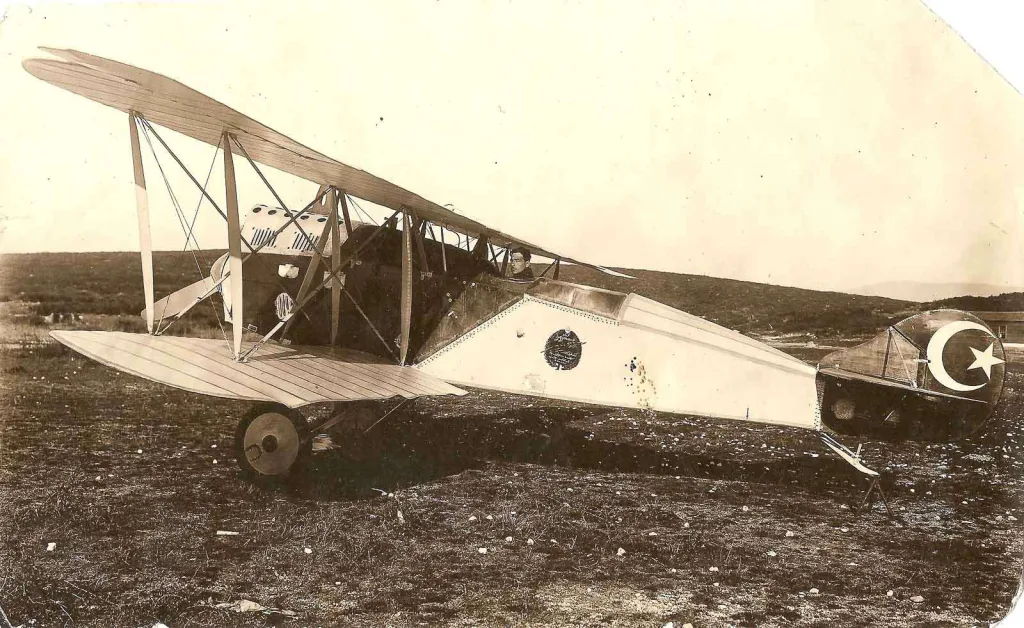
January 1925, Vecihi Hürkuş and VECİHİ K-VI
Turkey’s First Female Pilots: Bedriye Tahir Gökmen and Sabiha Gökçen
Bedriye Tahir Gökmen
Among Turkey’s earliest female aviators, Bedriye Tahir Gökmen trained at Vecihi Hürkuş’s aviation school and earned her pilot’s license in 1933. Despite not being able to continue professionally due to the era’s constraints, her courage and trailblazing spirit paved the way for women in Turkish aviation.
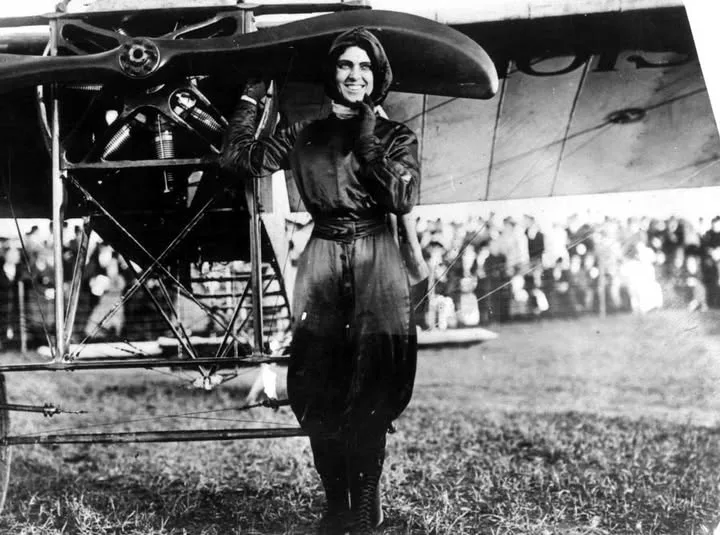
Bedriye Tahir Gökmen
Sabiha Gökçen
Known as Turkey’s -and the world’s- first female combat pilot, Sabiha Gökçen was the adopted daughter of Mustafa Kemal Atatürk. She joined the Turkish Aeronautical Association (Türkkuşu) in 1935 and entered the Turkish Air Force in 1936. Gökçen flew 32 different combat aircraft and accumulated around 8,000 flight hours.
Her landmark achievement was the 1938 Balkan tour, which demonstrated the strength and bravery of Turkish female pilots on the international stage. In 1996, the U.S. Air Command and Staff College honored her as the “World’s First Female Combat Pilot.”
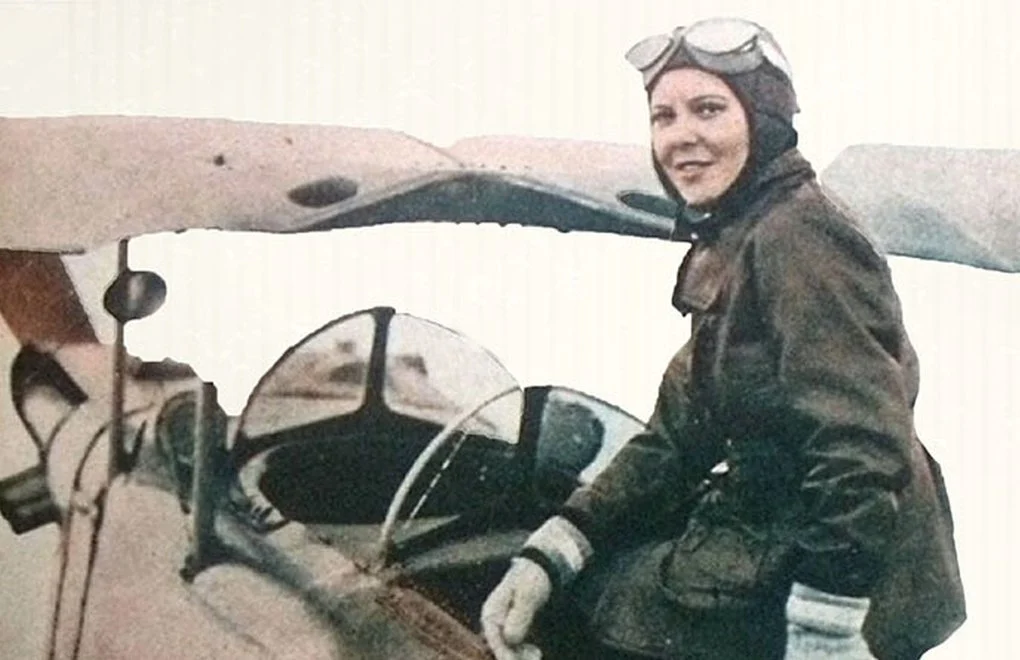
Sabiha Gökçen
Other Female Aviation Pioneers
Following in Sabiha Gökçen’s footsteps, many women made their mark in Turkish aviation. Among them, Leman Altınçekiç became Turkey’s first female jet pilot and was also NATO’s first long-serving female jet pilot, further cementing the role of women in advancing aviation.
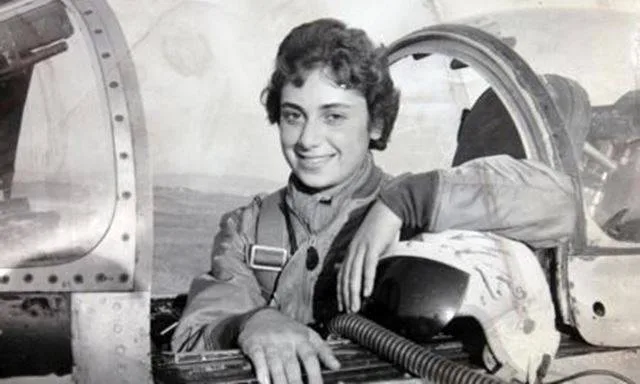
Leman Bozkurt Altınçekiç
Modern Turkish Aviation and UAV Technologies
Today, Turkey continues the legacy of its aviation pioneers with cutting-edge technologies, especially in the past two decades, achieving remarkable progress in both defense and civil aviation sectors.
Unmanned Aerial Vehicles (UAVs) and Armed Drones
Turkey has become a leading global player in unmanned aerial systems, with companies like Baykar and Turkish Aerospace Industries (TUSAŞ) developing advanced UAVs such as the Bayraktar TB2, Anka, and Akıncı. These platforms have earned international recognition for their operational success and technological sophistication.
- Bayraktar TB2: Versatile in reconnaissance and strike missions, widely adopted internationally.
- Anka: A Medium Altitude Long Endurance (MALE) UAV designed for strategic missions.
- Akıncı: Featuring advanced systems and high-altitude capabilities, poised to be a cornerstone of Turkey’s future air power.
National Combat Aircraft Project (MMU/TF-X)
One of Turkey’s most ambitious projects, the National Combat Aircraft (TF-X) is a fully indigenous fifth-generation fighter jet under development. This project promises to usher in a new era in Turkish aviation and significantly enhance the country’s aerial combat capabilities.
Civil Aviation and Drone Innovations
Beyond defense, drones and UAVs are expanding rapidly in civilian fields such as agriculture, logistics, and search-and-rescue operations, contributing significantly to Turkey’s technological advancement.
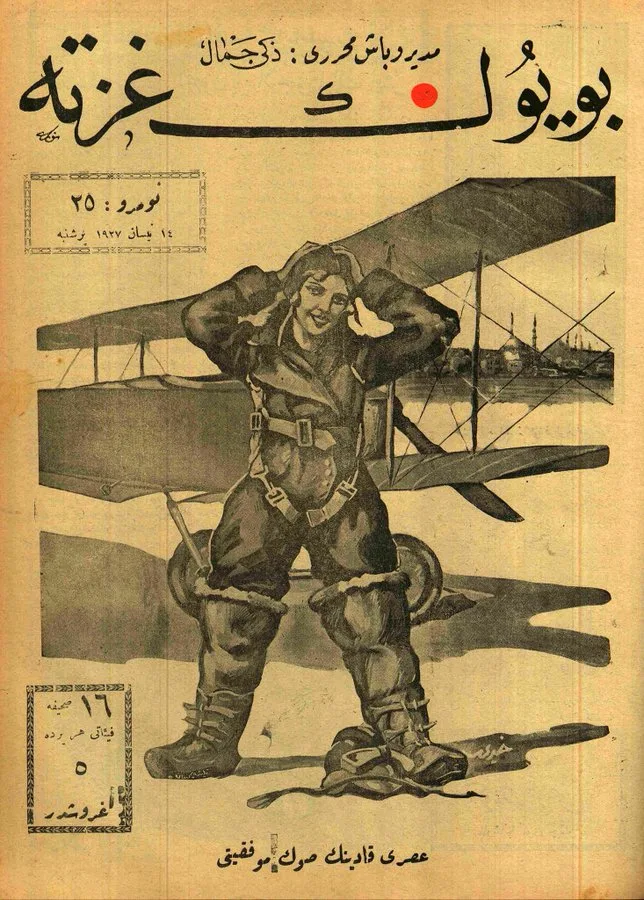
“The last success of the modern women”
Buyuk Gazete (The Great Newspaper) Turkish magazine, April 14, 1927
Turkey’s aviation journey is a tapestry of bold pioneers like Ahmet Ali Çelikten, visionary innovators like Vecihi Hürkuş, and trailblazing women who broke barriers in the skies. Today, with sophisticated UAVs, armed drones, and the groundbreaking National Combat Aircraft project, Turkey is ascending as a regional and global power in aviation.
This rich heritage combined with cutting-edge technological strides powerfully links Turkey’s storied past with its ambitious future in the skies.