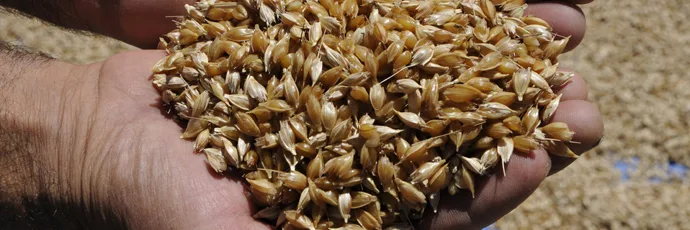
Siyez wheat is considered one of the oldest cultivated crops in human history. Regarded as the ancestor of modern wheat, this precious grain has been grown on Anatolian soil for 10,000 years. With its unaltered genetic structure, high nutritional value, and distinctive flavor, it illuminates not only our kitchens but also our cultural heritage.
Origins and Name Story
The Latin name of siyez wheat is Triticum monococcum, and it is believed that its name derives from the Hittite word “zız.” Archaeological findings suggest that siyez was first cultivated in Southeastern Anatolia and Mesopotamia, where it served as both a staple food and a valuable trade commodity for thousands of years.

Physical Characteristics
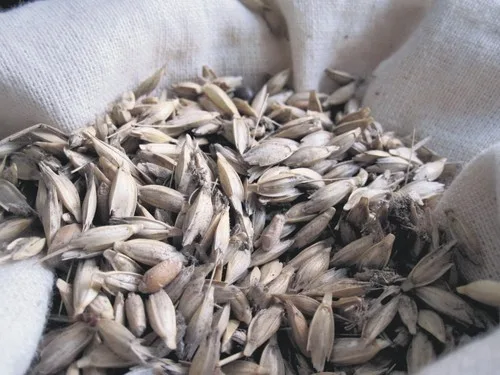
Siyez wheat can easily be distinguished from other wheat varieties by its single-grained spikelets. The hard, tightly wrapped husk around the grain provides natural protection against external factors and pests. This characteristic is one of the main reasons why siyez has been able to preserve its genetic purity for millennia.
Siyez in Anatolia
In Turkey, the first place that comes to mind when talking about siyez is the city of Kastamonu. The districts of Taşköprü, İhsangazi, and Seydiler are particularly prominent in its cultivation. Preferring snowy and cold climates, siyez is also grown in Erzincan, Kars, Edirne, and Tekirdağ. Every year, the Siyez Festival held in Kastamonu brings together locals and gastronomy enthusiasts around this ancient grain.
Nutritional Value and Health Benefits
Compared to modern wheat, siyez wheat has lower carbohydrate and higher protein content. It contains no cholesterol, is rich in fiber, and is easy to digest. It also has a low glycemic index, which is a significant advantage for maintaining stable blood sugar levels.
Average nutritional values (per 100 g of siyez bulgur):
- Protein: 12–14%
- Fiber: 6–8%
- Carbohydrates: 60–65%
- Vitamins: B1, B2, folic acid
- Minerals: Magnesium, zinc, iron

Delicious Ways to Enjoy Siyez
- Tangy Siyez Pilaf: A specialty of Kastamonu, prepared with siyez bulgur, onions, tomato paste, and tangy flavors from sourdough or other acidic ingredients.
- Siyez Kısır: A more nutritious and filling variation of the classic Turkish bulgur salad, made with fine siyez bulgur.
- Siyez Bread: Made with siyez flour and sourdough starter, this bread is known for its rich aroma and long-lasting freshness.
- Cookies and Pastries: Baked goods made with siyez flour offer a healthy snacking alternative thanks to their low glycemic index.
- Siyez Pasta: A fiber-rich, filling, and easily digestible meal option.
Sustainability and the Future
Thanks to its hard husk, siyez wheat is naturally resistant to diseases and pests, eliminating the need for chemical pesticides. This makes it both environmentally friendly and a prime example of sustainable food production. Its resilience to climate change positions it as one of the crops of the future.
For 10,000 years, siyez wheat has thrived on Anatolian soil, standing as not just a food but also a living witness to human history. Bringing it to our tables is one of the tastiest ways to carry this ancient heritage into the future.
Which siyez recipe would you like to try?