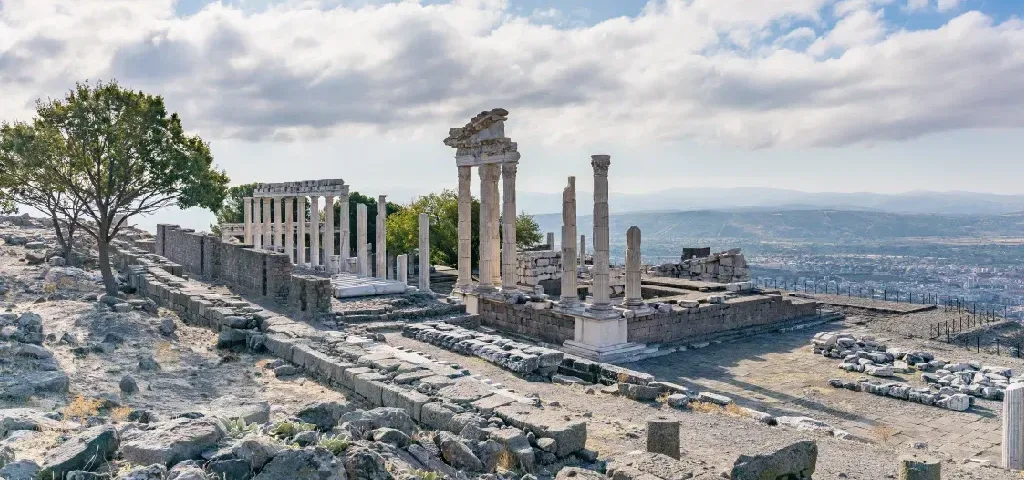
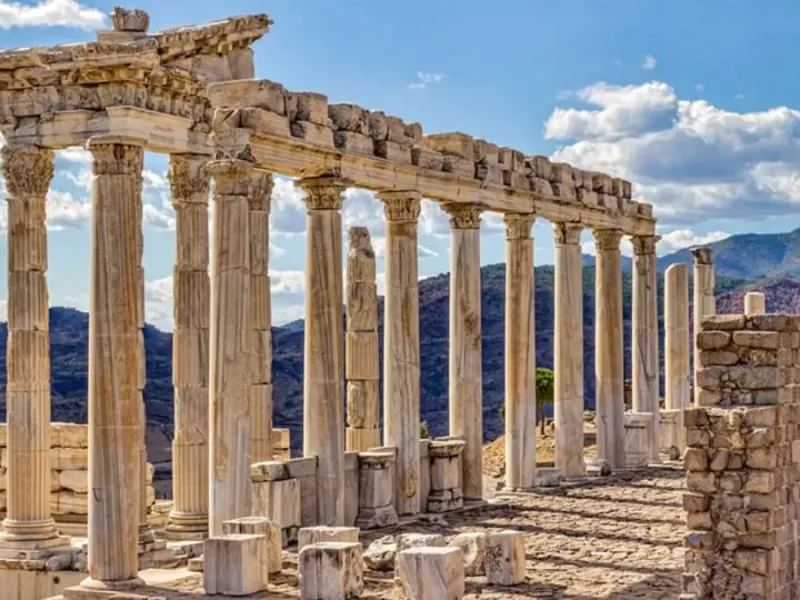
In Bergama, there lies an ancient city where the most advanced medical techniques of its time were practiced, healing both body and mind: Asklepion. Located in the Bergama district of İzmir, this center is known as one of the most important health and healing temples of the Ancient Era. Dedicated to Asklepios, the god of medicine in Ancient Greece, Asklepion is believed to have been founded in the 4th century BCE. In this article, we will provide detailed information about Asklepion, which has been dispensing healing for over nine centuries and remains popular to this day.
History and Foundation
Asklepion gained fame as the hospital of Pergamon. The city was connected to the Acropolis via an 820-meter-long sacred road, where the most advanced treatment methods of the era were applied. The purpose of the city was not only to cure physical ailments but also to promote mental wellness. For this reason, Asklepion was regarded not merely as a hospital, but as a healing temple.
Treatment Methods
The treatments at Asklepion were primarily based on three pillars: diet, hot/cold baths, and physical exercise. Additionally, patients were treated with mud baths, sunbathing, and thermal therapies. Archaeological findings also suggest that minor surgical operations were performed, and medicinal herbs and drugs were used.
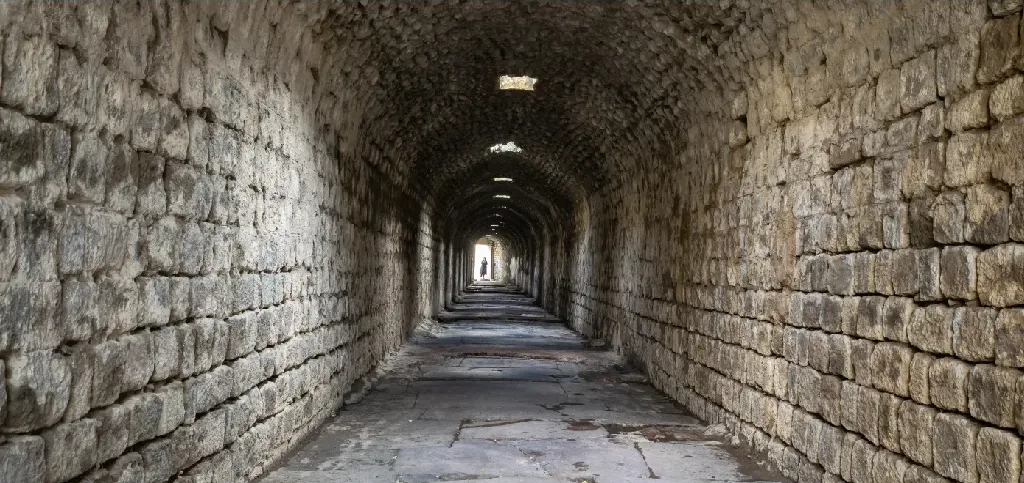
One of the most important treatment methods was suggestion therapy. Physicians provided not only physical care but also psychological support. Patients wandered through corridors accompanied by the sounds of water and birds, and slept in dark rooms where only the sound of flowing water could be heard, ensuring complete mental relaxation.
Moreover, patients’ dreams were interpreted, serving as a form of psychotherapy. Music, water sounds, suggestion, and dream interpretation played an essential role in both physical and mental healing.
Psychiatric and Mental Healing
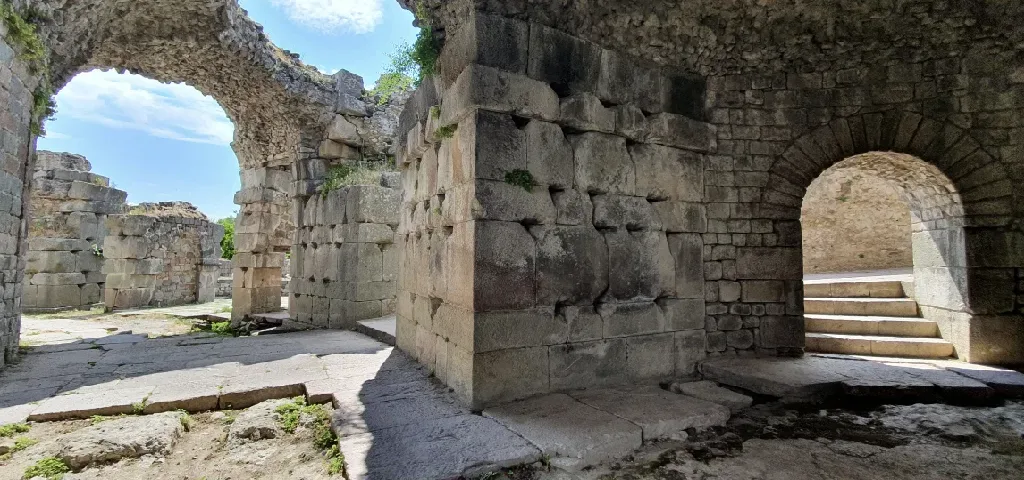
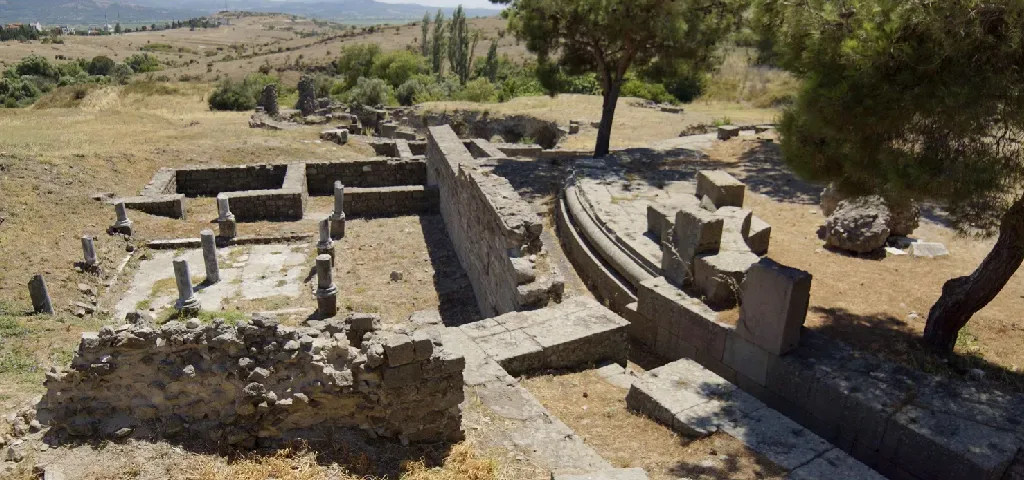
Asklepion was a pioneering center for the treatment of mental illnesses. Special tunnels, marble theaters, and walking corridors were designed for patients, providing both spiritual and social support. Doctors would encourage patients with phrases like “You will heal” while walking through the tunnels, believed to be a form of internal therapy.
Cultural Spaces
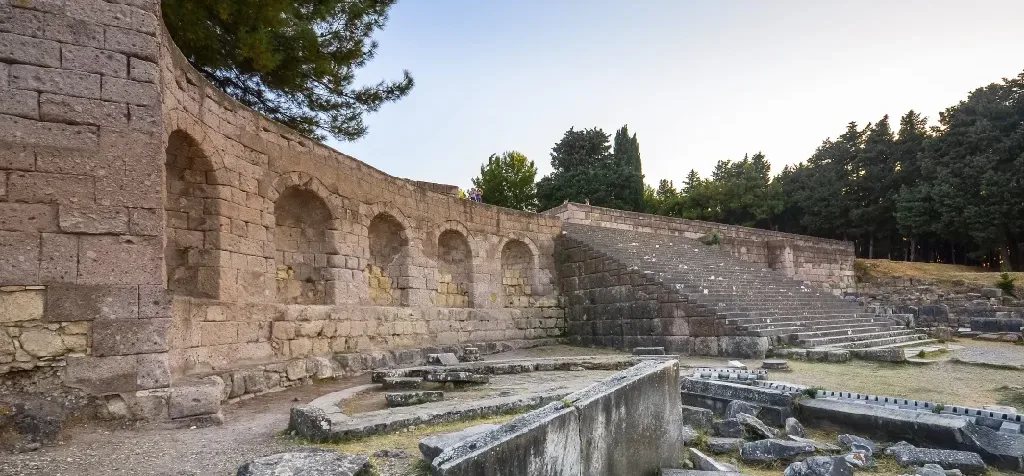
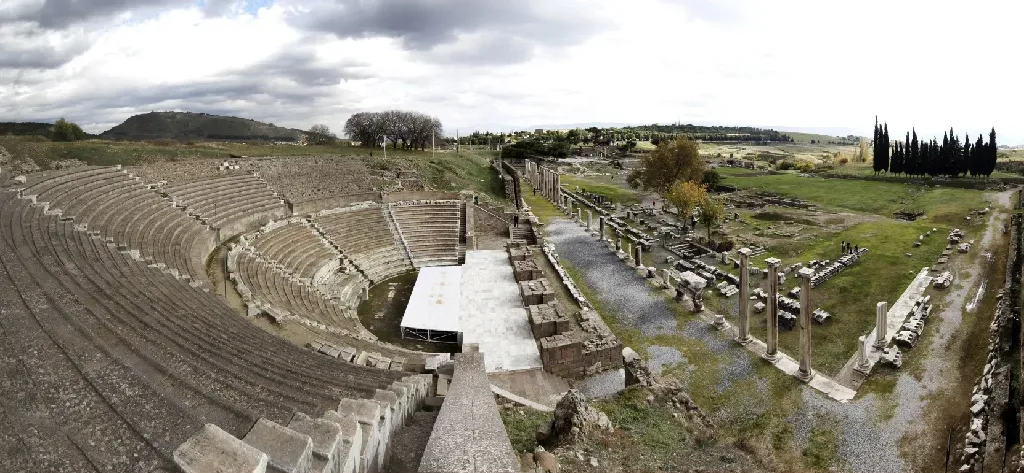
The complex also housed a 3,500-seat theater and a massive library dedicated to imperial culture. Patients would spend time in the theaters, preventing boredom within the hospital environment. Below the seating areas were honorary boxes reserved for distinguished guests, where famous figures of the era were hosted.
Beliefs and Rules
According to Asklepion beliefs, almost every illness had a cure. A sign at the entrance read, “Death cannot enter here.” Patients with a high risk of death were not admitted, both to protect the morale of other patients and because it was believed that the healing power would be lost if a terminal patient entered the center.
Physicians and Patients
Physicians at Asklepion were called “Asklepiads” or “Priest-Doctors.” Women frequently visited the center for conditions such as paralysis, chest tightness, stomach pain, and mental imbalances. Some sources suggest that doctors interpreted patients’ dreams as part of psychotherapy and that opium-based medicines were used here for the first time to relieve pain.
Asklepion Today
Today, Asklepion is a point of interest for both history enthusiasts and tourists. When visiting Bergama, this ancient hospital is a must-see destination. Its architecture and healing practices offer visitors a unique experience. Sleep rooms, theater areas, walking paths, and sacred healing temples provide a journey through both history and spiritual wellness.