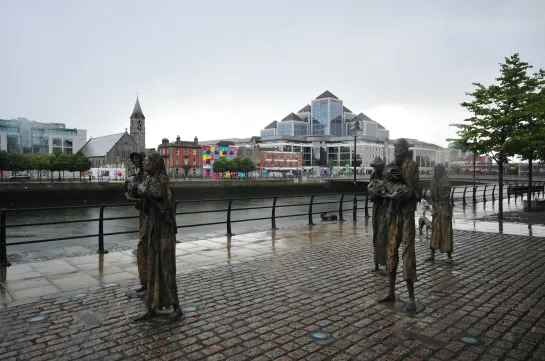
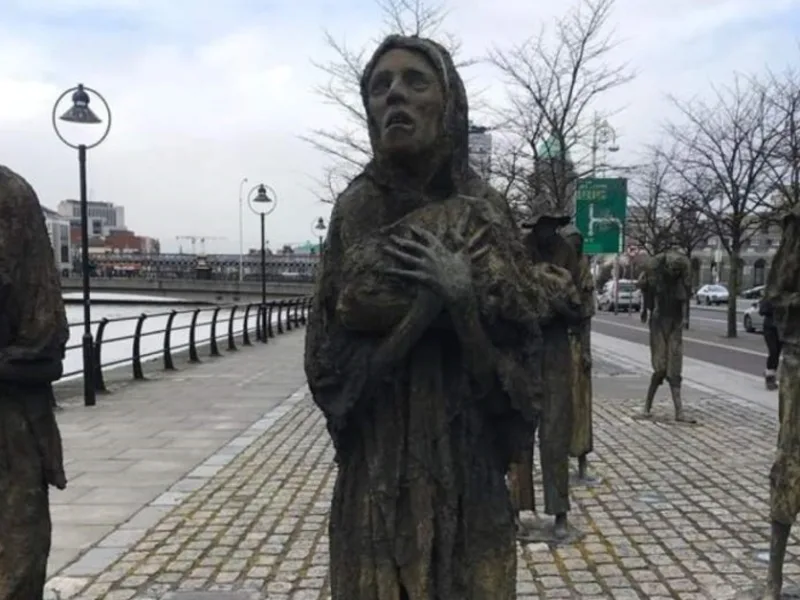
The Great Irish Famine (1845-1852) is one of the most devastating humanitarian disasters in modern European history. Caused primarily by potato blight and exacerbated by colonial governance failures, it resulted in the death of approximately one million people and forced another million to emigrate.
Less widely known, however, is that the Ottoman Empire -geographically distant and culturally distinct- played a documented humanitarian role during the famine. This study challenges common assumptions about 19th-century geopolitics and offers a rare example of cross-civilizational solidarity.
The Great Irish Famine in Context
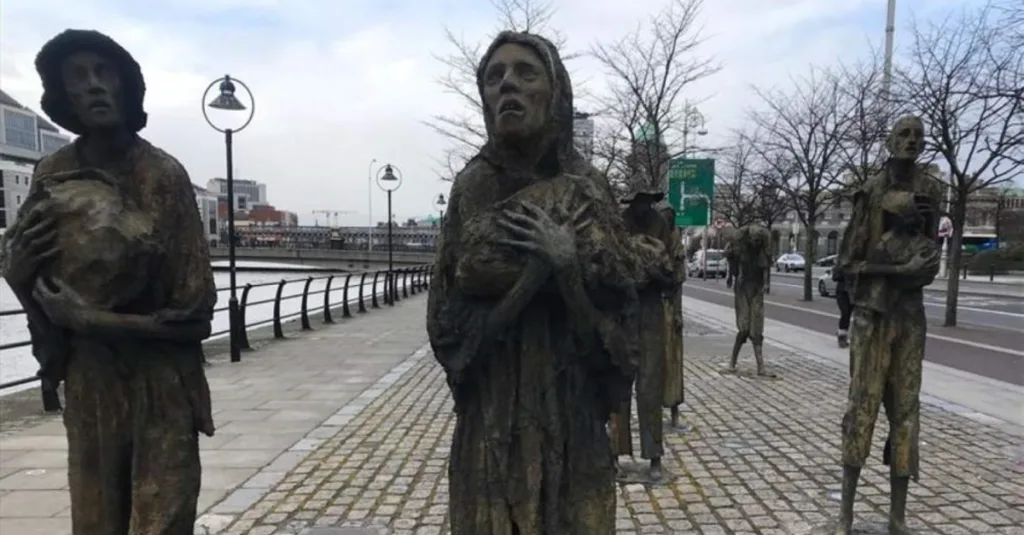
Ireland in the mid-19th century was heavily dependent on the potato as a staple food, particularly among tenant farmers. When Phytophthora infestans destroyed successive harvests, food security collapsed.
Key aggravating factors included:
- Continued export of food from Ireland to Britain
- Limited state intervention
- Rigid adherence to laissez-faire economic doctrine
- Weak local relief mechanisms
The famine was not merely a natural disaster; it was a systemic failure of governance, leading many historians to describe it as a man-made catastrophe.
Sultan Abdülmecid I and the Ottoman Response
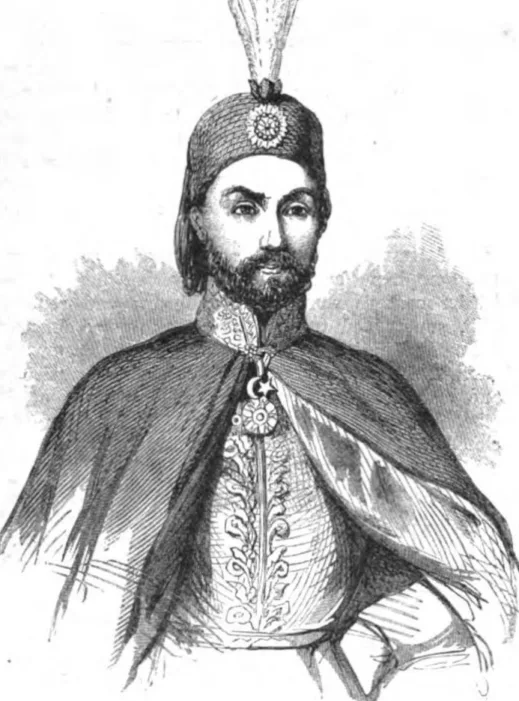
According to multiple historical accounts and Irish local records, Sultan Abdülmecid I of the Ottoman Empire attempted to provide financial aid to Ireland during the famine years.
- The Sultan reportedly offered £10,000 in aid, a significant sum at the time.
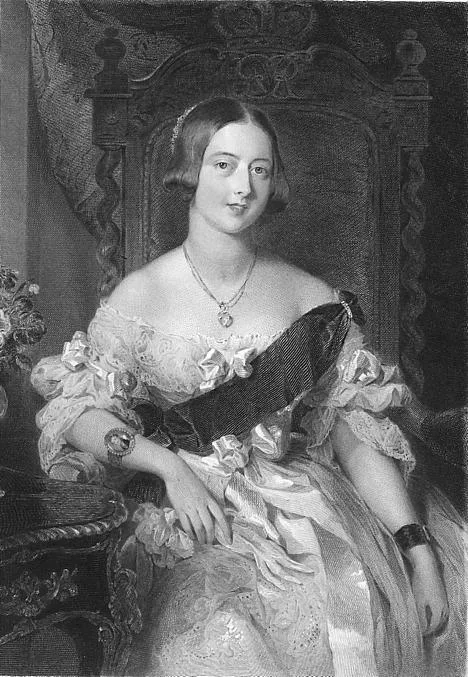
- Diplomatic protocol allegedly intervened: Queen Victoria herself had donated £2,000, and it was considered inappropriate for another ruler to exceed her contribution.
- As a result, the Ottoman contribution was reduced to £1,000 officially.
- In addition, three Ottoman ships carrying food supplies are said to have sailed to Ireland, docking at Drogheda, despite informal attempts to redirect them.
This maritime aid, while modest in scale compared to the enormity of the famine, was symbolically powerful.
Drogheda, Memory, and Historical Recognition
The town of Drogheda retains a living memory of this event:
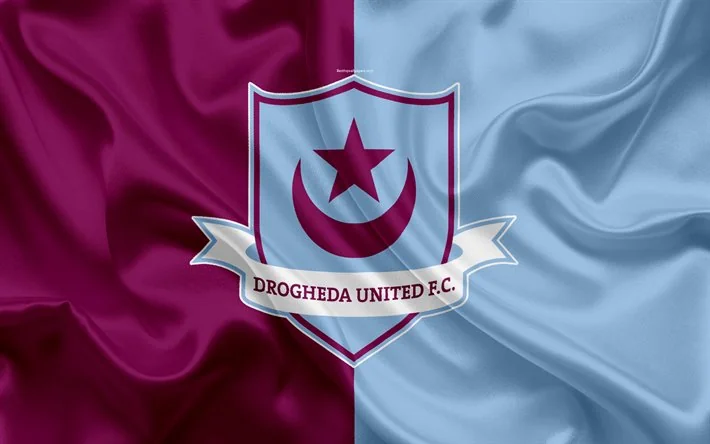
- The Ottoman crescent and star appear on the modern crest of Drogheda United Football Club.
- Local historical societies and Irish-Turkish cultural initiatives frequently reference the episode.
- Commemorative plaques and public discourse in Ireland increasingly acknowledge the Ottoman role.
This makes the episode not folklore, but a localized, documented act of humanitarian diplomacy.
Why This Matters Today
The Ottoman response to the Irish Famine is significant for several reasons:
- Humanitarian history: It predates modern international aid frameworks.
- Challenging stereotypes: It complicates simplistic narratives about the Ottoman Empire as inward-looking or exclusively militaristic.
- Shared memory: It represents an early instance of empathy transcending religion, empire, and geography.
In an era where famine relief is often politicized, this 19th-century example highlights how moral action can emerge even within rigid imperial systems.
Separating Myth from History
Scholars agree on the existence of Ottoman aid, though debates continue regarding:
- The exact monetary amounts
- Whether the ships arrived covertly or with British consent
- The scale of their impact
What is not disputed is that the intent and action were real, and that they were recognized locally in Ireland.
The story of the Great Irish Famine is primarily one of suffering, loss, and displacement. Yet within that tragedy lies a lesser-known episode of international compassion.
The Ottoman Empire’s response -symbolic though it may have been- stands as a reminder that humanitarian impulses can surface even amid political constraints. Remembering this episode enriches both Irish and Ottoman historical narratives and invites a more nuanced understanding of 19th-century global relations.