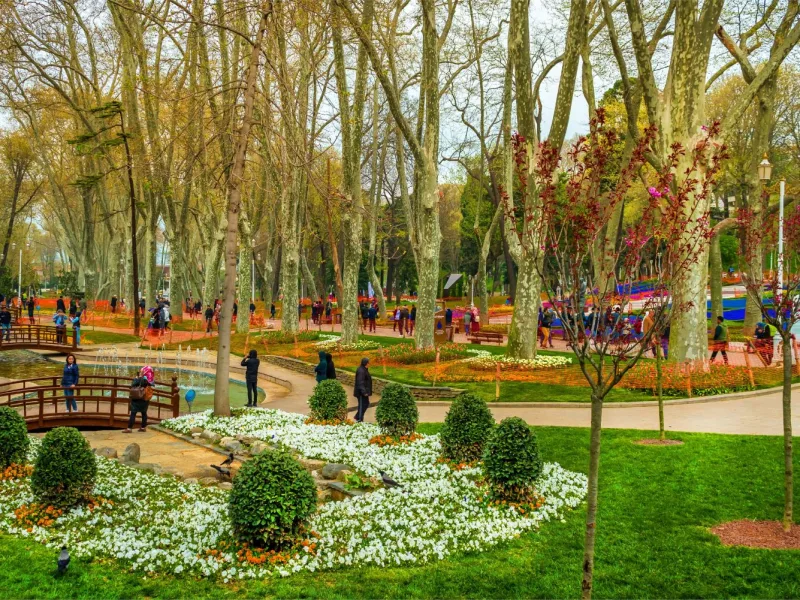
The millet bahçesi , or “people’s garden,” is more than just a park: it’s a reflection of urban transformation, social change, and cultural identity in Turkey. Its roots stretch back to the Ottoman Empire, where gardens were not only places of beauty but also symbols of prestige, power, and communal life.
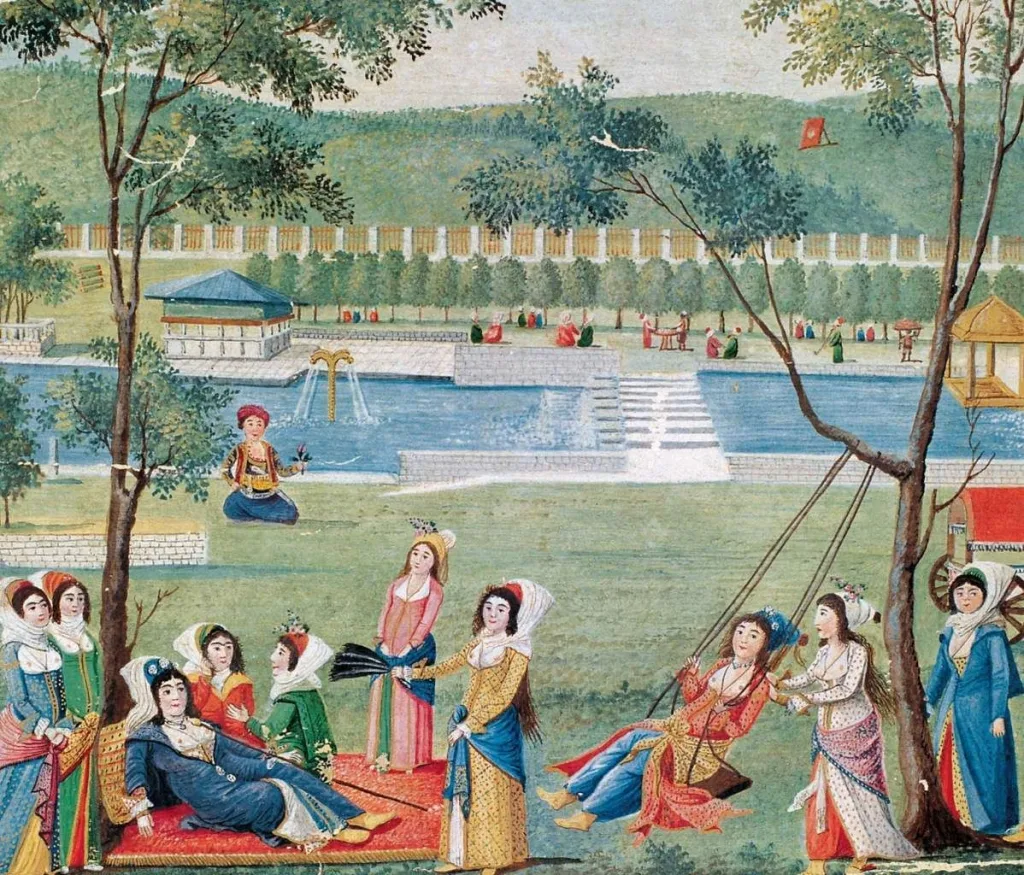
From Private Gardens to Public Leisure Grounds
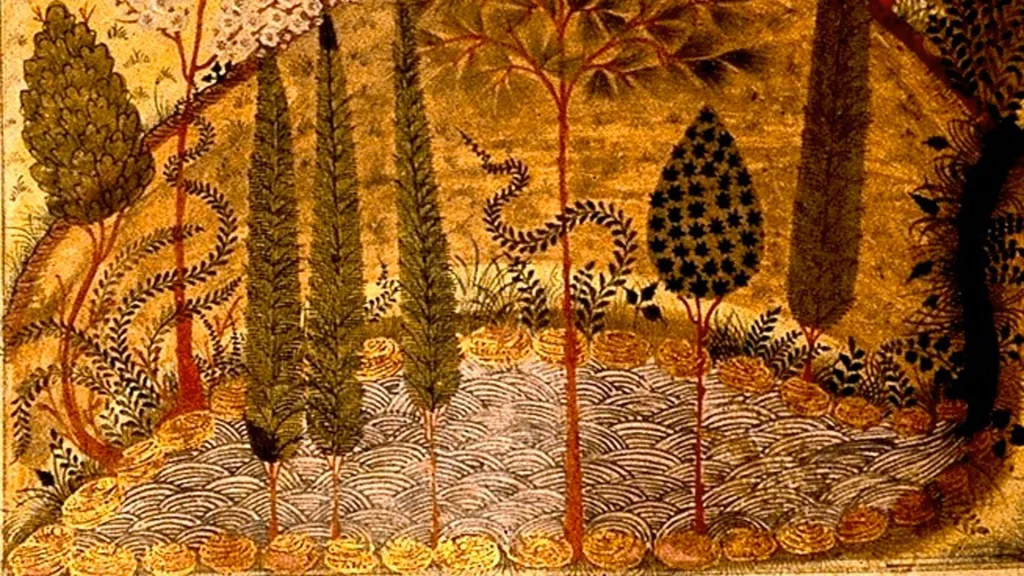
In Ottoman times, gardens began as private spaces for growing food and cultivating flowers. The art of gardening was deeply valued; flowers were cherished for their colors, fragrances, and medicinal uses, and often carried symbolic meaning. Tulips in particular became a cultural icon in the 18th century, inspiring poetry, wagers on their colors, and elaborate artistic motifs.
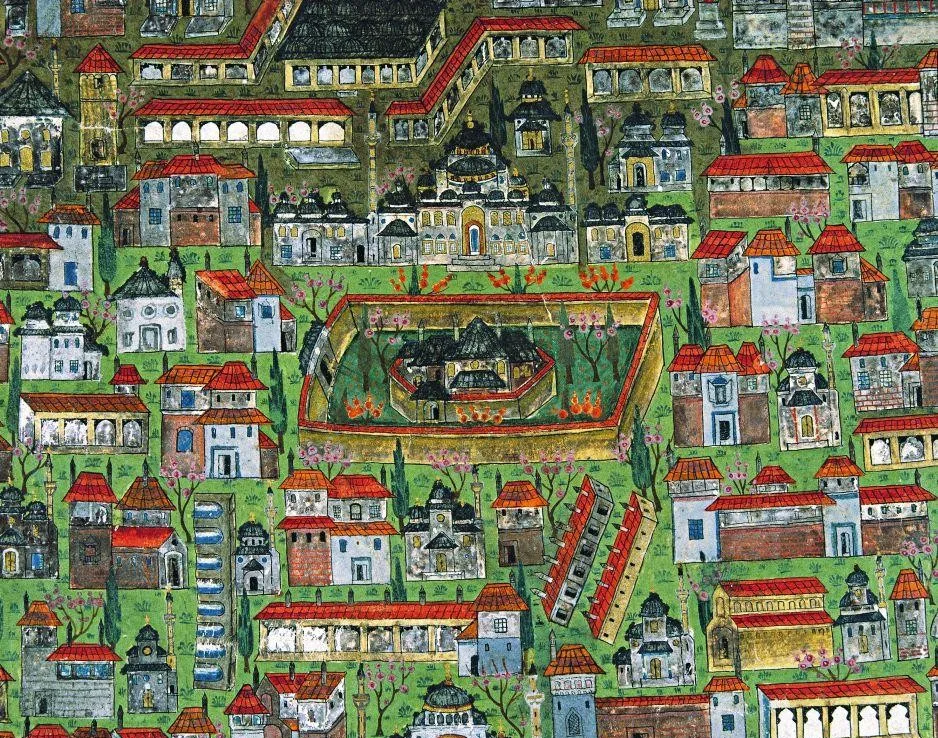
Beyond private gardens, the Ottomans enjoyed mesire ;open leisure grounds where families picnicked among trees and scenic views. Some of these were even in cemeteries, valued for their shade and serenity.
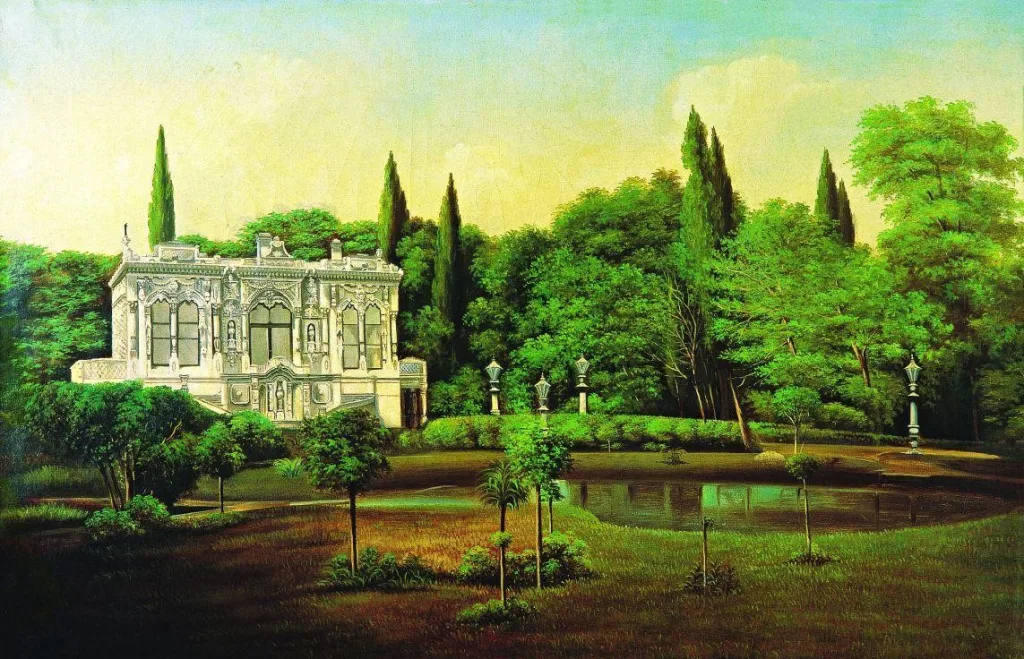
A Product of Tanzimat Modernization
The millet bahçesi as a formal urban park emerged in the mid-19th century, during the Tanzimat reform era. Unlike informal mesire spots, these gardens were designed by municipalities to offer the growing urban middle class structured spaces for socializing. Their name reflected the evolving idea of millet; once used for religious communities, it began to signal a broader, more inclusive Ottoman identity.
Each millet bahçesi had its own character. Istanbul’s Tepebaşı Garden, built in the 1860s, featured cafés, concerts, and social events, while Taksim Garden became a beloved gathering place remembered in literature. In smaller cities like Kırklareli or Trabzon, gardens blended modern planning with traditional ways of life.
From Empire to Republic and Revival Today
In the Early Republican period, millet bahçesi remained important public spaces, but as cities expanded, many gave way to buildings and the “garden” concept was replaced by modern parks.
Today, the Turkish government is reviving the millet bahçesi name for a new wave of urban green spaces. These parks aim to “reunite nature with the nation” in rapidly growing cities, offering relief from concrete landscapes. Their role in modern urban life, however, is still evolving; will they be cultural hubs, leisure retreats, or simply landscaped spaces in the urban fabric?