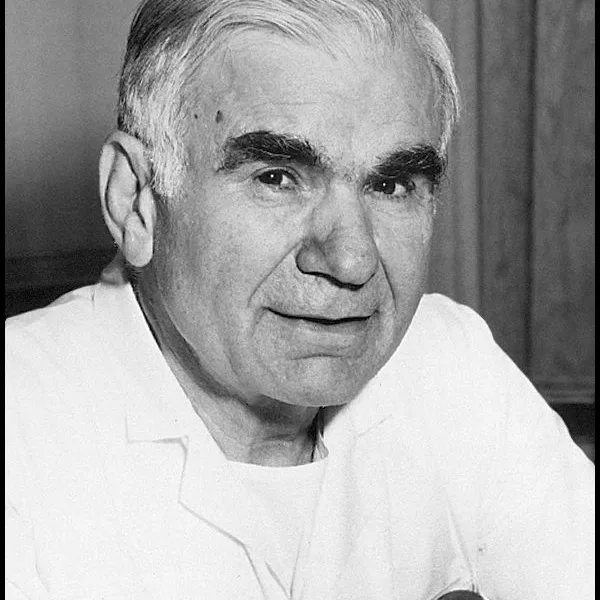
World-renowned neurosurgeon Prof. Dr. Mahmut Gazi Yaşargil, often credited with revolutionizing brain surgery through the development of microsurgical techniques, passed away on June 11, 2025, in Switzerland at the age of 99.
A Birth Forged in the Mountains
Yaşargil’s life began as dramatically as it would later become distinguished. In 1925 his father, Asım Bey, was serving as the district governor (kaymakam) of Lice, in Diyarbakır, when the region became one of the focal points of the Sheikh Said uprising. Lice was encircled by thousands of armed tribesmen, and with only a small detachment of soldıers and his own sidearm, Asım Bey had no means of mounting a defense.
According to accounts passed down through the family, the governor was seized along with his wife, Sehavet Hanım – then six months pregnant – and their two-year-old daughter, Selma, to be held for a prisoner exchange. For roughly three and a half months, sometimes on foot and sometimes on muleback, they were moved through the mountains rising to 2,000 meters between Lice and Hani, sheltering in abandoned hamlets and pitch-dark caves through the depths of a snowbound winter. The revolt itself was suppressed by early April, but the family was not freed until mid-May, when the Seventh Division under Mürsel Pasha reached them.
By then, three captives had become four. Weakened to around 38 kilograms, cut off from food and water, and injured in a fall from a mule, Sehavet Hanım nonetheless brought a healthy son into the world during the family’s mountain ordeal. Holding the newborn who had survived against every odd, Asım Bey named him Gazi; a title meaning one who returns from battle alive and victorious.
From Ankara to Zurich
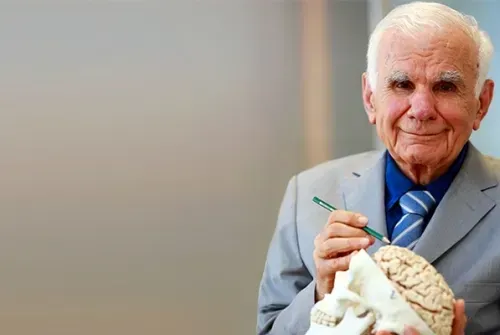
Officially recorded as born on July 6, 1925, Yaşargil moved with his family to Ankara at a young age. After completing his early education in Turkey, he pursued medical studies in Germany. Following the turmoil of World War II, he continued his medical training at the University of Basel in Switzerland. His professional journey began in 1953 when he joined the University of Zurich as a neurosurgery specialist. Between 1965 and 1967, he expanded his expertise in microvascular surgery in the United States laying the foundation for what would become known as “microneurosurgery.”
Dr. Yaşargil introduced a series of groundbreaking innovations to the field of neurosurgery. These included the use of the operating microscope, refined bipolar coagulation techniques, and the development of aneurysm clips, tools that significantly enhanced the safety and precision of brain surgery. Over the span of his career, he performed thousands of brain operations and trained roughly 3,000 surgeons in his Zurich microsurgical laboratory, many of whom went on to lead departments and institutions around the world.
From 1973 to 1993, he served as the head of the Department of Neurosurgery at the University of Zurich, transforming it into one of the world’s leading neurosurgical centers. Following his retirement from Zurich, Yaşargil accepted an invitation from the University of Arkansas for Medical Sciences in Little Rock, where he continued to teach and operate well into his later years.
In 1999, the American Association of Neurological Surgeons named him the “Neurosurgeon of the Century,” honoring his immense contribution to modern medicine. He is widely regarded as the founder of modern microneurosurgery, a field that has saved countless lives and reduced the risks associated with complex brain operations.
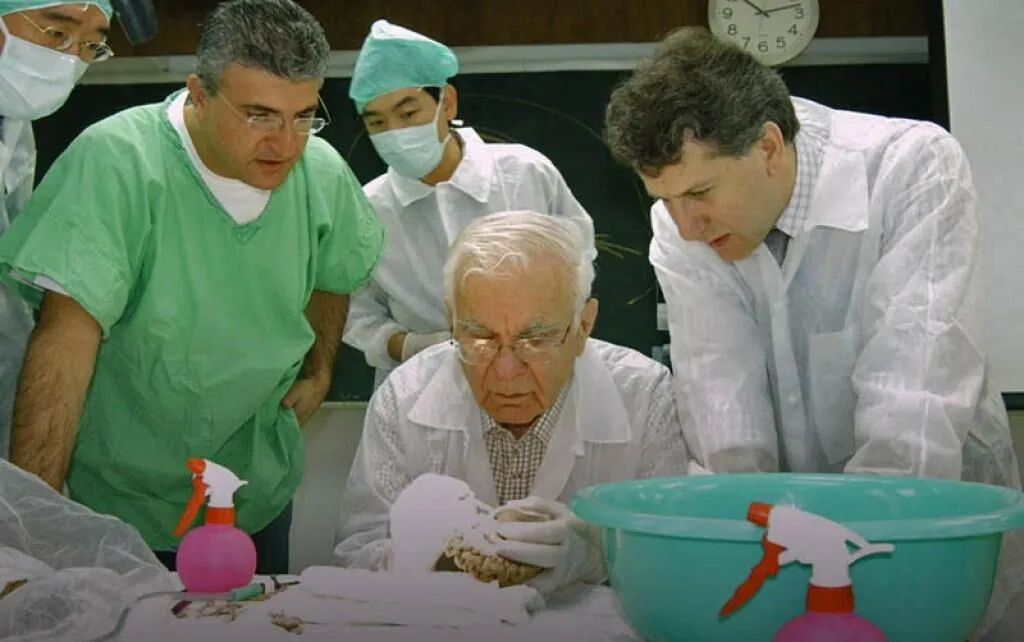
Later in life, he returned to Turkey and remained active in education, frequently participating in courses and lectures, particularly at Yeditepe University. He continued to inspire new generations of neurosurgeons with his deep knowledge and passion for teaching.
Dr. Yaşargil was also known for his lifelong partnership with his wife, Dianne Bader-Gibson, who worked alongside him as a surgical nurse for decades. Together, they formed a unique and enduring professional team.
His passing just weeks before his 100th birthday marks the end of an era in neurosurgery. From a baby born amid the snows of an uprising – named for survival itself – to the surgeon hailed as the greatest of his century, Prof. Dr. Gazi Yaşargil leaves behind an extraordinary legacy that will continue to shape and guide the practice of neurosurgery for generations to come.